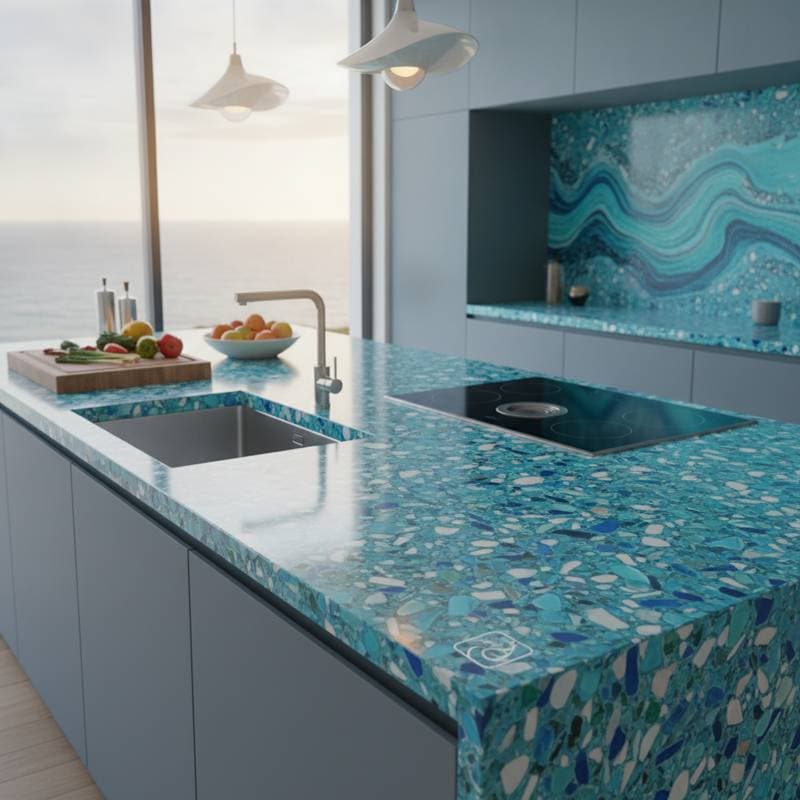
Ocean Plastic Countertops Compete with Granite in 2026
Key Points
- Recycled ocean plastic countertops deliver an innovative surface option for sustainable homes.
- These materials convert marine debris into durable kitchen and bath surfaces.
- Homeowners receive aesthetic value along with measurable reductions in ocean waste.
Transforming Marine Debris into Functional Surfaces
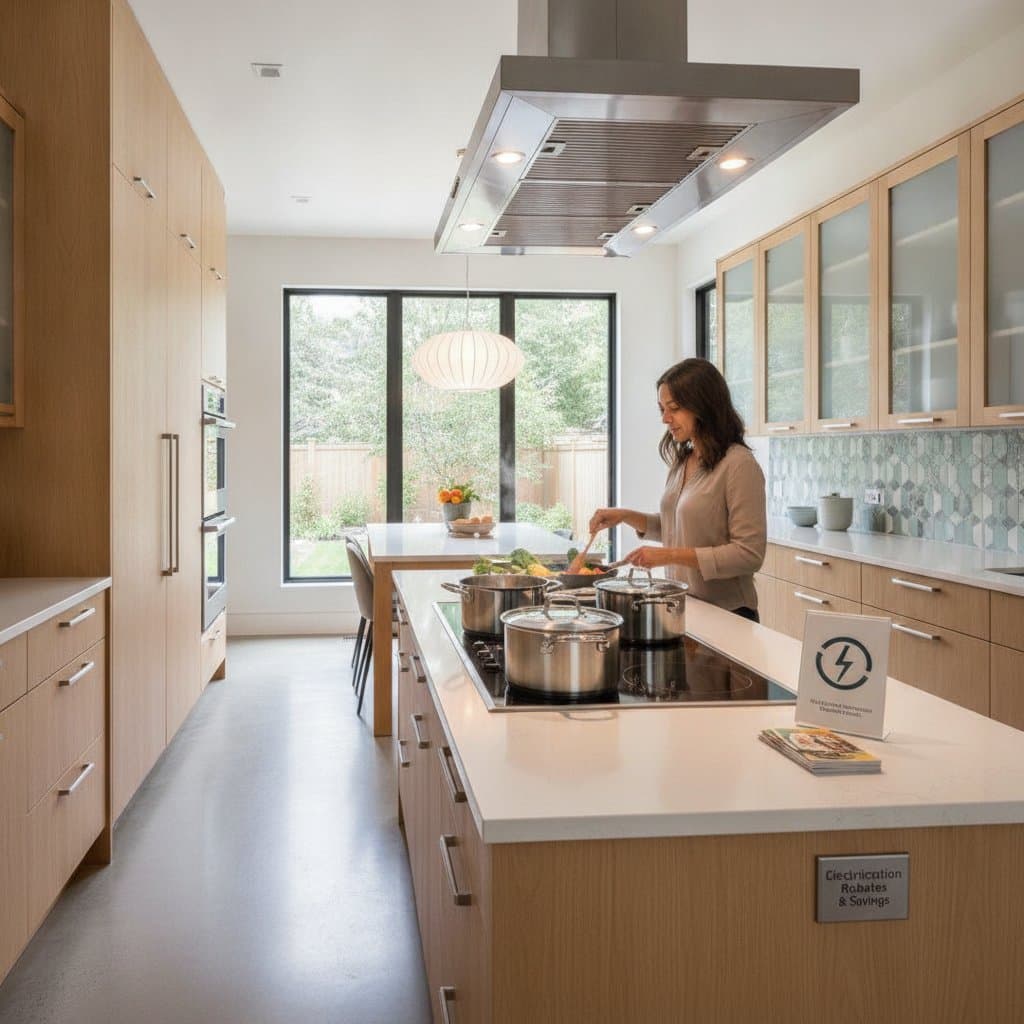
Imagine preparing meals on a smooth surface that reflects natural light. The material beneath began as floating plastic waste collected from coastal areas. Recycled ocean plastic has advanced from experimental products to reliable alternatives that match the strength of quartz or granite.
This development shows that sustainable choices can maintain high performance. Homeowners dealing with material expenses or environmental concerns find these surfaces practical. They reduce pollution while adding lasting home value.
Addressing Marine Plastic Accumulation
Millions of tons of plastic enter oceans each year and damage ecosystems. Standard recycling captures limited amounts. Manufacturers now collect debris from beach cleanups and convert it into solid sheets for countertops.
Data indicates one kitchen installation can divert up to 500 pounds of waste. This outcome provides a clear environmental benefit and a point of interest for homeowners focused on sustainability.
Performance Advantages of Recycled Ocean Plastic
Effective sustainable materials combine strength, low maintenance, and positive environmental effects. Recycled ocean plastic meets these criteria in several areas.
Strength and Maintenance
Current formulations resist stains and scratches without needing sealants. They handle moisture well and suit humid or coastal locations.
Design Flexibility
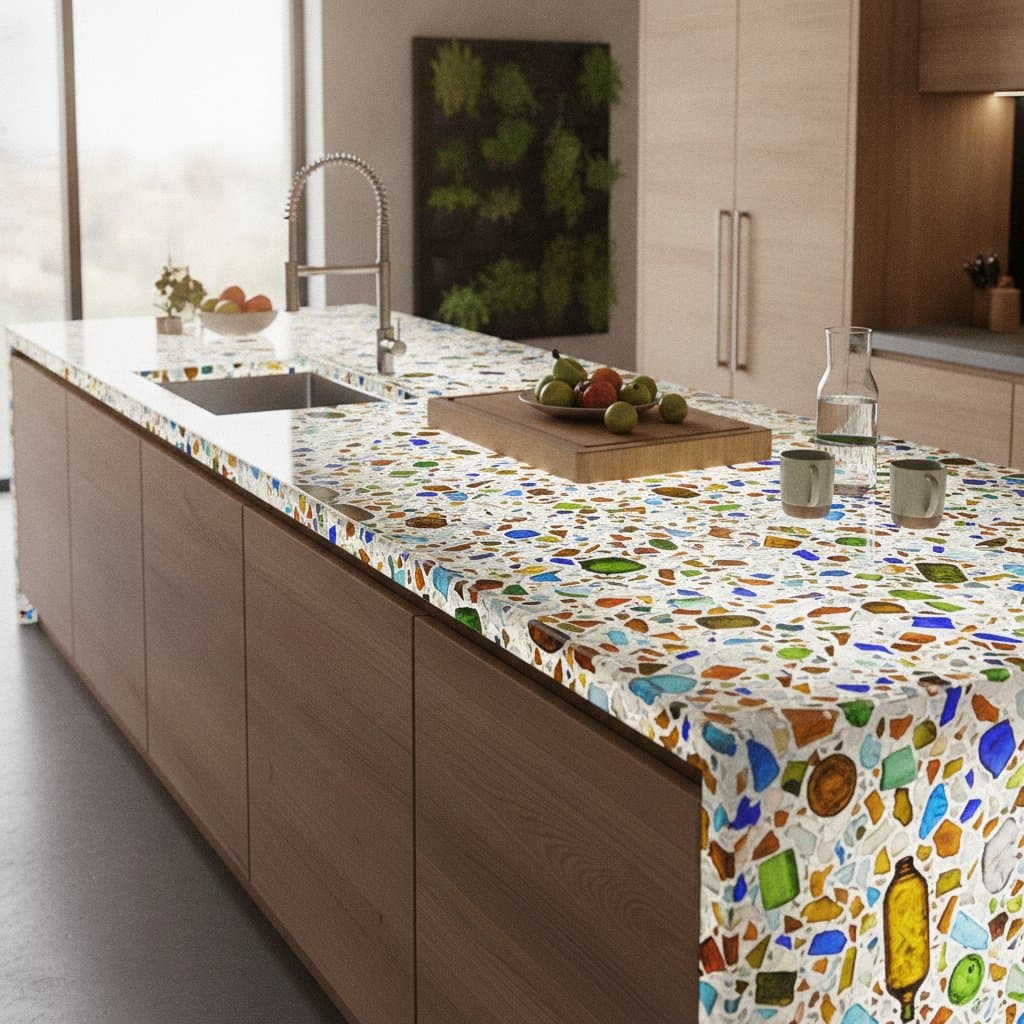
Each sheet shows patterns based on the plastics incorporated. These range from fine speckles to pronounced marbled appearances that add visual interest.
Sustainable Production Cycle
Many facilities reuse production scraps within the same process. Certain suppliers direct a portion of sales toward ocean conservation initiatives.
Cost and Service Life
Installed prices fall between 50 and 100 dollars per square foot. This range sits between mid-grade quartz and high-end granite. Proper care allows these surfaces to remain functional for decades.
Steps to Improve Home Sustainability
- Combine the countertops with bamboo or reclaimed wood cabinetry.
- Select low volatile organic compound adhesives during installation.
- Design for future removal so slabs can return to manufacturers for reprocessing.
- Verify supplier certifications that confirm material sourcing and recycling practices.
Sustainability consultant Maria Lopez noted that every surface can convey a message. Recycled materials make the kitchen a regular prompt for environmental responsibility.
Installation and Project Planning
Partner with fabricators familiar with composite materials. Specialized equipment prevents distortion during cutting. Lead times typically span four to eight weeks. Minor surface repairs can use resin fillers, yet professional work yields the best results.
Production of these surfaces requires about 60 percent less energy than virgin plastic or quarried stone. This reduction lowers the overall impact of a renovation.
Choosing Materials for Long Term Value
Contact suppliers that work directly with verified ocean cleanup groups. Inquire about care requirements, warranty coverage, and end of life return programs. Consult green building specialists for advice on full kitchen or bath projects.
Success depends on careful material selection, skilled installation, and ongoing attention to sustainable practices.
FAQs
Q: How durable are recycled ocean plastic countertops compared to stone?
A: They are slightly softer than granite yet resist cracking and warping. Routine gentle cleaning preserves the surface for many years.
Q: Can these countertops handle heat?
A: They withstand moderate temperatures. Use trivets under hot cookware to protect the finish.
Q: How do I clean them safely?
A: Mild soap and warm water provide effective cleaning. Harsh chemicals and abrasive pads can reduce surface luster.
Q: Are color options limited?
A: Manufacturers provide numerous choices including ocean blues, neutral whites, and grays with unique speckled patterns.
Q: Is recycling possible at the end of life?
A: Many suppliers accept used slabs for reprocessing into new products.