A New Kind of Comfort: Building with Fireproof Confidence
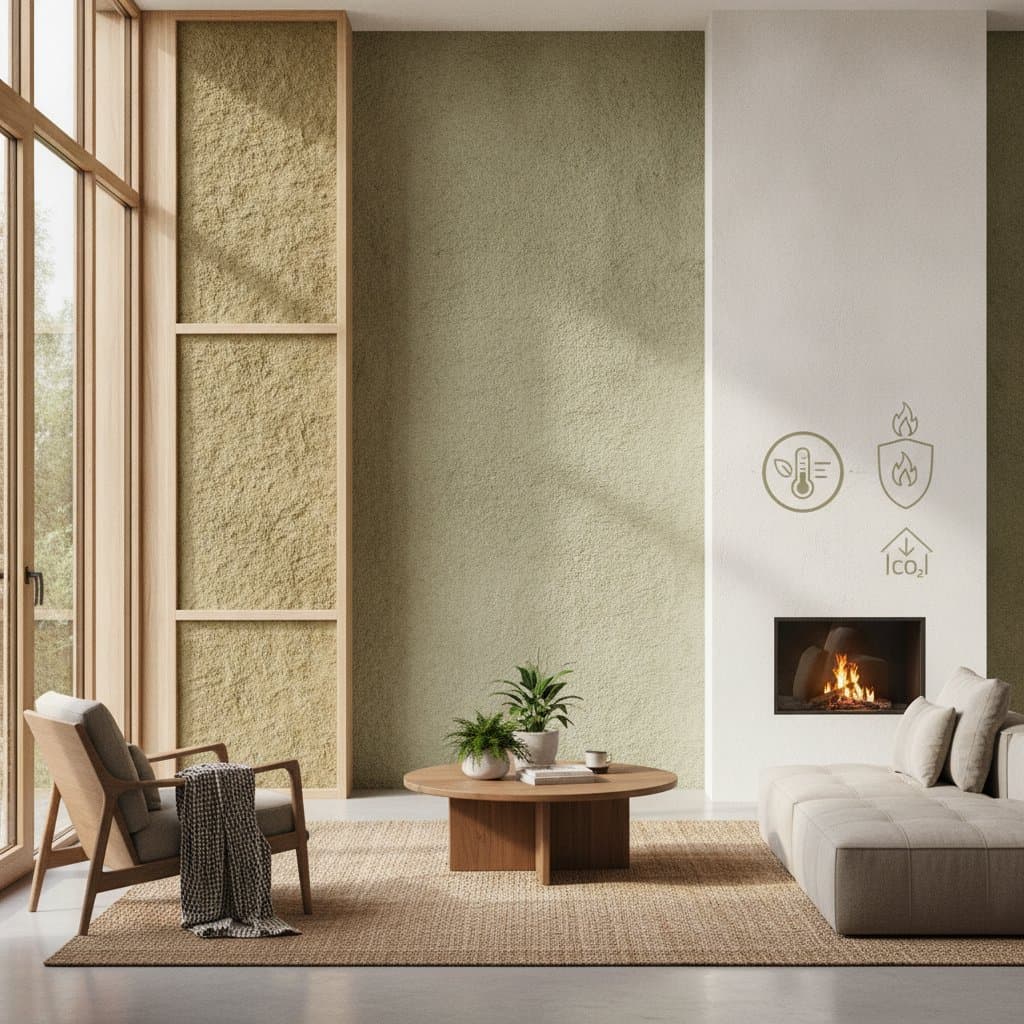
Picture this scene. You enter a home that stays cool during humid afternoons and warm during cold spells. The walls regulate moisture naturally. The air remains fresh without extra equipment. Homeowners often seek this balance of comfort, safety, and sustainability. Hempcrete insulation delivers these qualities without compromise.
Regions with rising weather extremes and fire risks now examine hempcrete more closely. Its natural fire resistance and minimal environmental impact stand out. This material offers a direct path to safer homes and lower energy costs.
Traditional Insulation Shortcomings
Standard options such as fiberglass or foam carry drawbacks. They trap moisture, emit volatile compounds, and lose performance over time. In dry climates these materials can increase fire spread. In humid areas trapped condensation promotes mold that harms air quality and structure.
Years of site observation show these problems compound when homes depend on aging synthetics. Fire resistance grows critical as temperature swings stress materials. Insulation that protects and improves resilience provides the better choice.
Hempcrete Composition and Performance
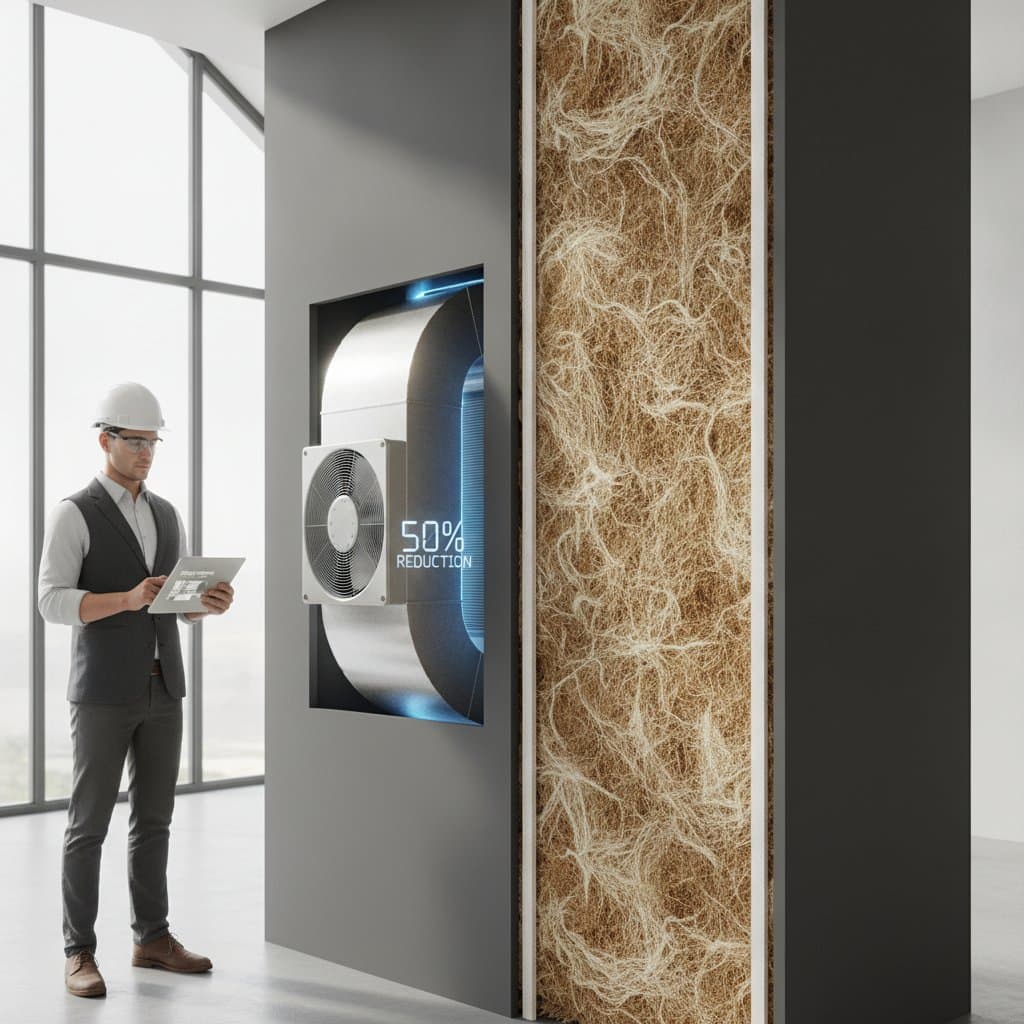
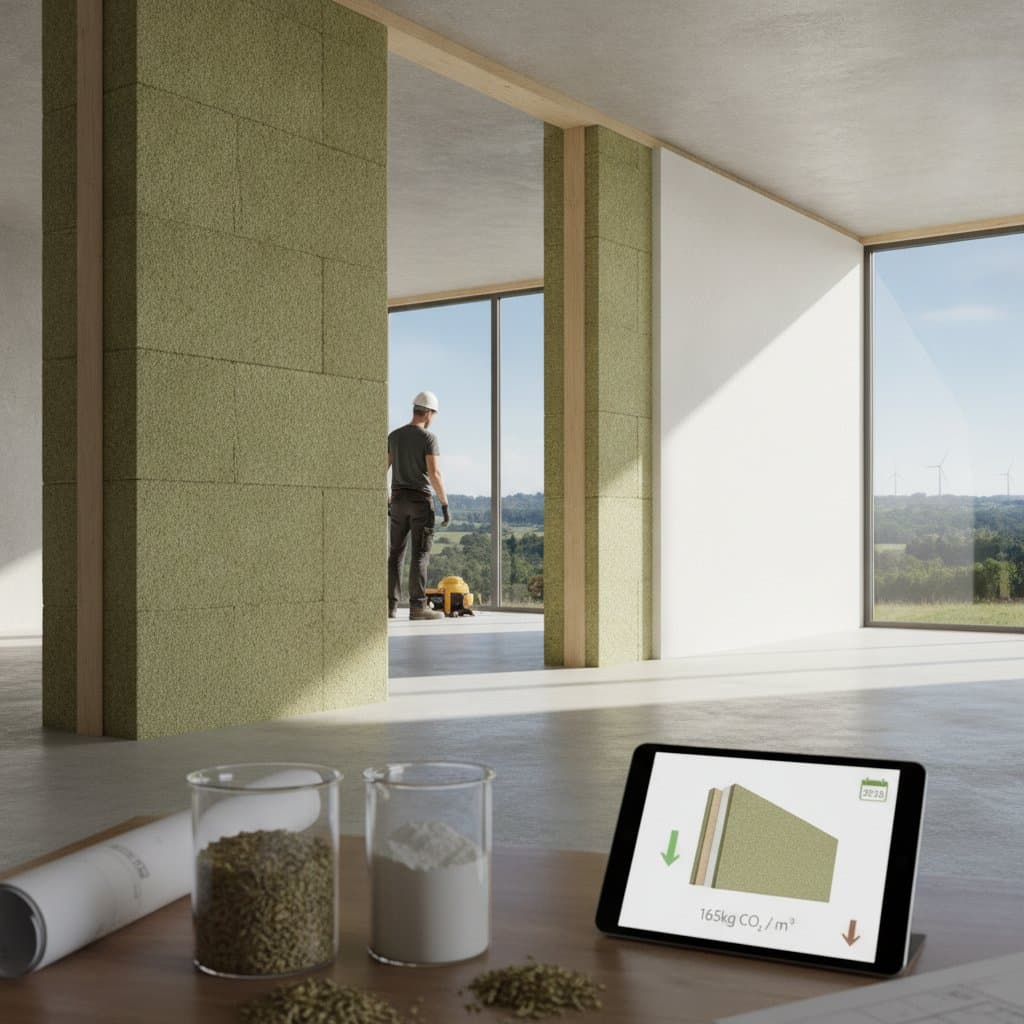
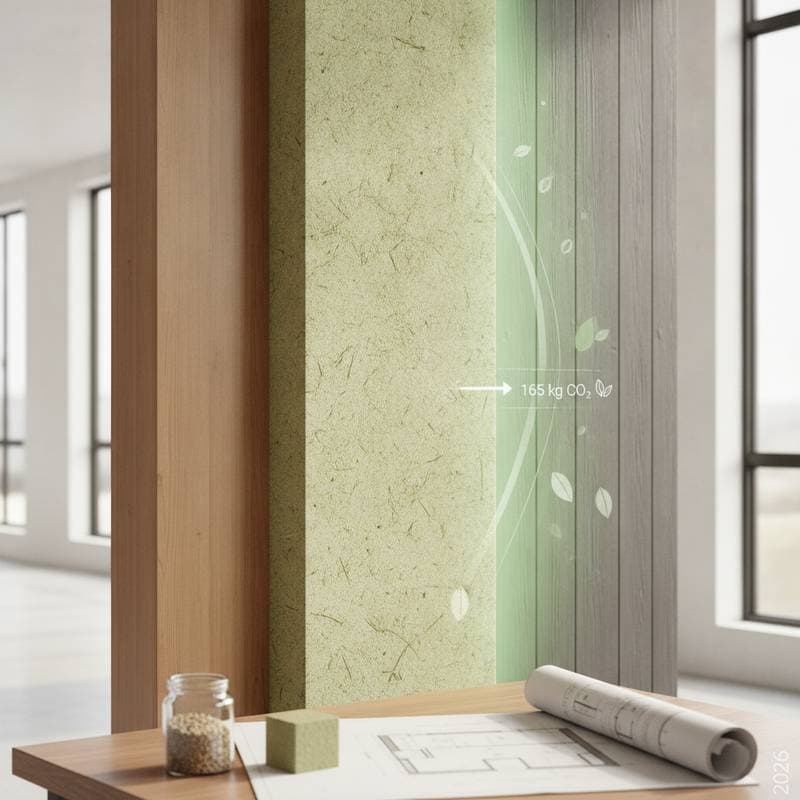
Hempcrete forms from the woody core of the hemp plant combined with lime and water. The resulting porous material regulates humidity, resists fire, and stores carbon for decades. It functions as thermal mass that absorbs daytime heat and releases it at night. This cycle reduces HVAC reliance.
Fire testing confirms hempcrete maintains integrity for hours under direct flame without releasing toxic gases. Homeowners gain both energy savings and added safety from one material.
Steps to Apply Hempcrete Effectively
- Source hemp hurds from nearby growers to limit transport emissions and support local economies.
- Blend one part lime binder with four parts hurd by volume until the mix reaches a damp soil texture.
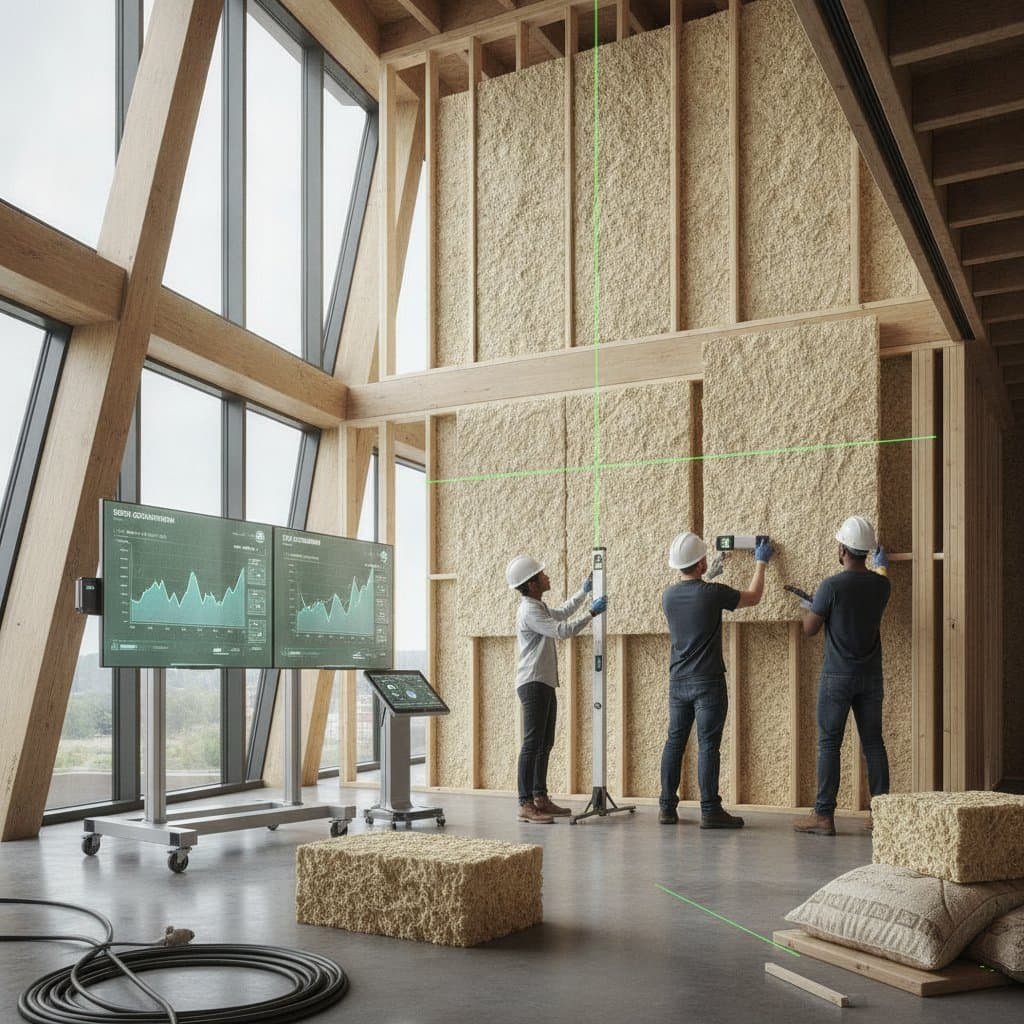
- Cast the material between temporary forms around structural framing as non load bearing infill.
- Allow several weeks for curing before removing forms and applying lime plaster finishes.
- Wear gloves, eye protection, and a respirator during mixing because the lime remains caustic until cured.
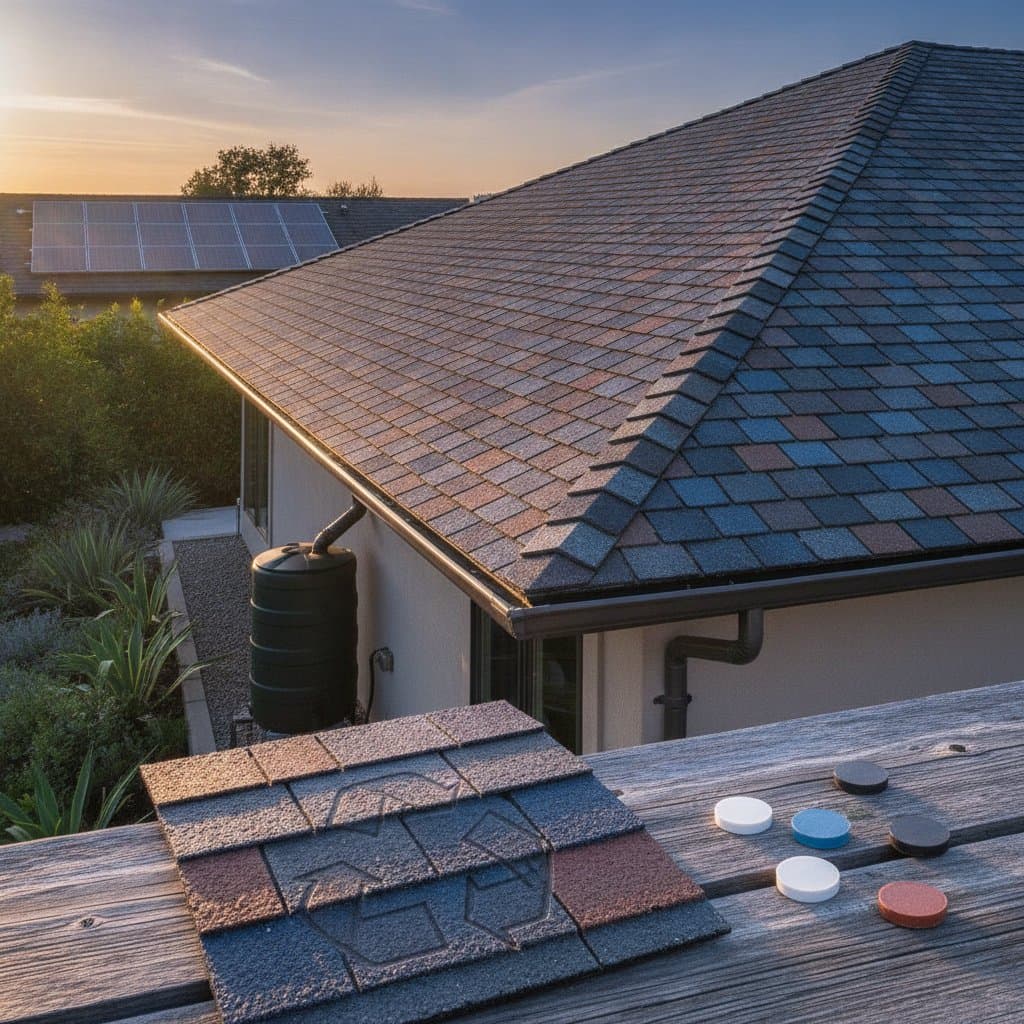
- Integrate the system with passive ventilation, reflective roofing, or strategic window placement for maximum effect.
Rising Need for Fire Resistant Construction
Wildfire frequency increases demand for materials that limit ignition. Hempcrete achieves resistance through its mineral binder and silica content. It produces no harmful fumes under flame exposure. Paired with metal roofing and non combustible exteriors the assembly lowers overall risk.
Insurers in high risk zones now classify verified hempcrete installations favorably and may adjust premiums accordingly.
Environmental Impact and Financial Returns
Hemp grows rapidly with low water needs and captures substantial carbon dioxide. Each cubic meter of finished hempcrete sequesters roughly 100 kilograms of carbon dioxide. Material costs average twelve to eighteen dollars per square foot. Owners typically record thirty to forty percent drops in heating and cooling expenses. The material can exceed one hundred years of service with routine care.
Code Compliance and Maintenance Requirements
Review local building codes before starting. Some jurisdictions treat hempcrete as an alternative system and request supplier documentation or test data. Certified installers assist with permits. Curing requires three to four weeks before finishes. Use only lime or mineral paints to maintain vapor permeability.
Builder Observations
Licensed green builder James Porter notes that homeowners notice steadier temperatures and cleaner air once hempcrete walls are in place. The resulting quiet and stable interior creates a distinct living experience.
Planning Your Project
Begin with a modest application such as an addition or garage conversion. This approach allows direct evaluation of performance. Consult a qualified green building professional to review site conditions, calculate material quantities, and match the mix to local climate. The outcome is a durable, breathable, and carbon storing home that lowers operating costs while improving safety.