Hempcrete Walls: Carbon-Capturing Insulation for 2026
Imagine a sustainable home equipped with solar panels and rainwater collection. However, a potent method to diminish a building's carbon footprint resides within its walls. Hempcrete, a bio-based insulation derived from the hemp plant's woody core, gains recognition for sequestering carbon and delivering exceptional thermal efficiency.
Essential Attributes
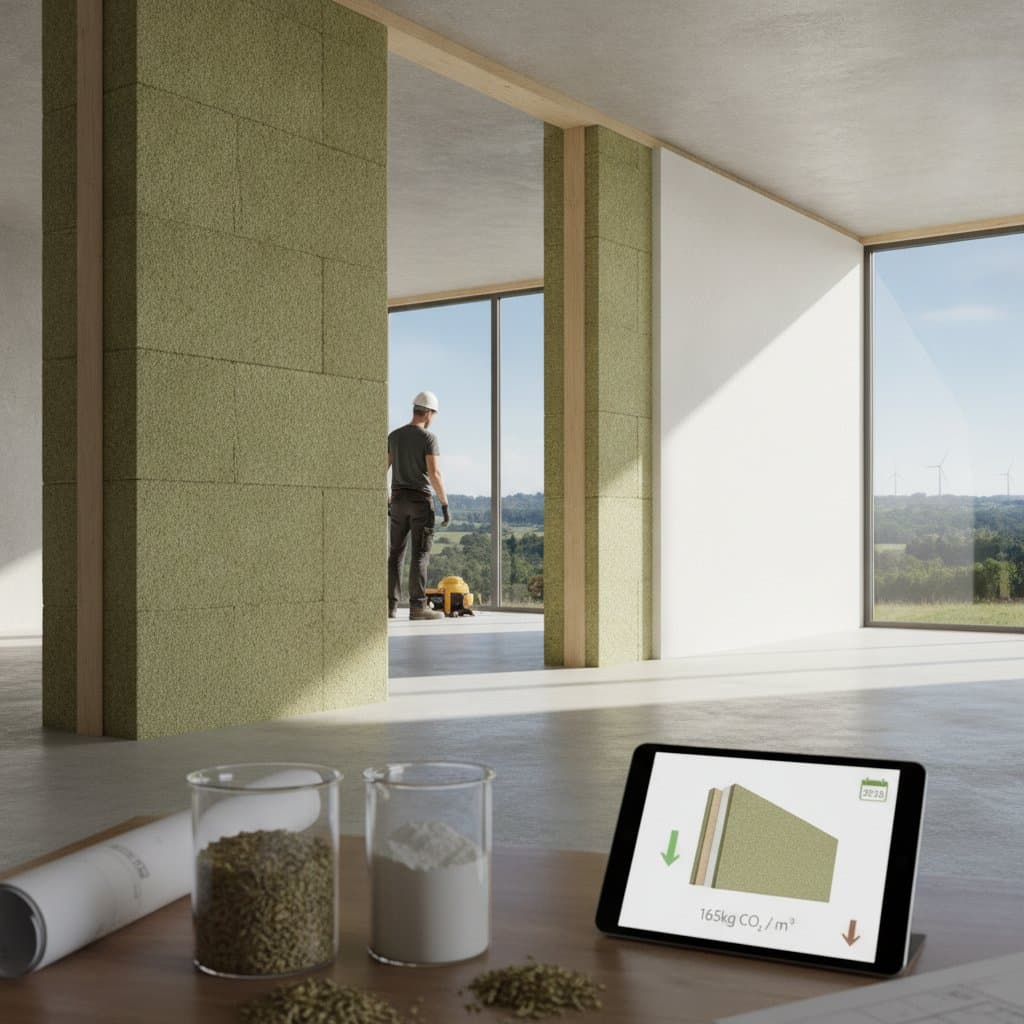
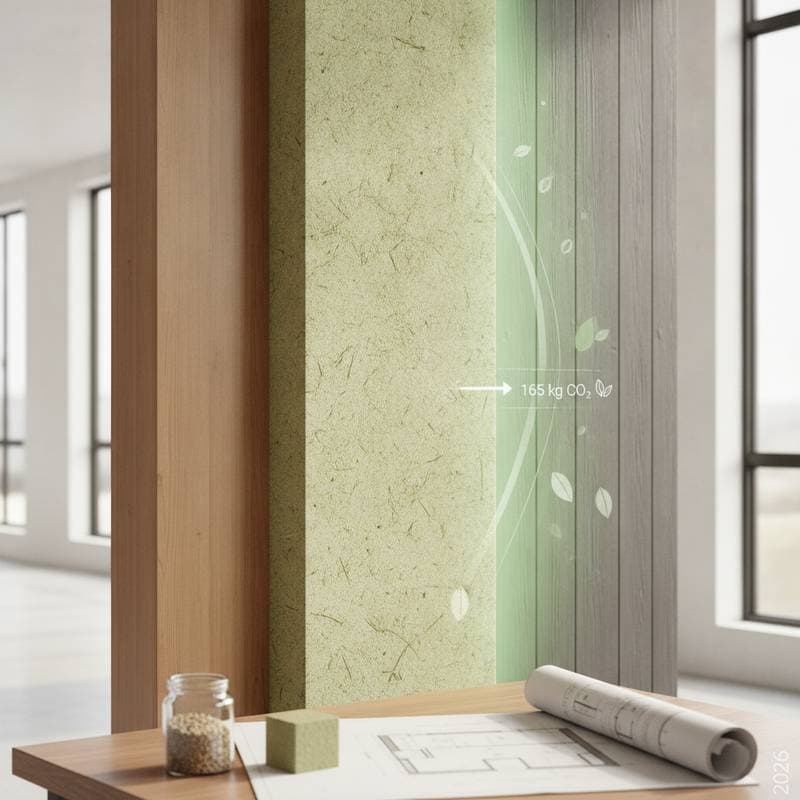
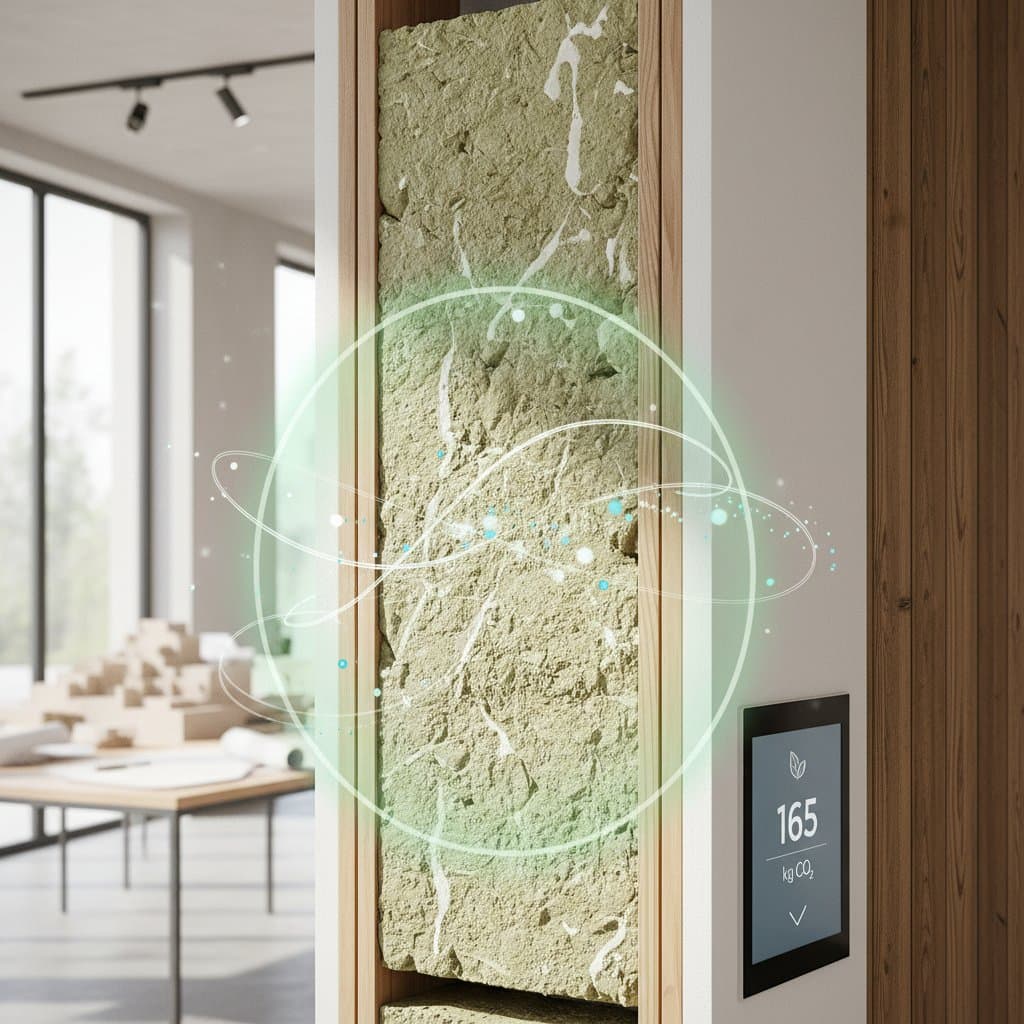
- Hempcrete sequesters 100 to 165 kilograms of CO₂ per cubic meter, varying by production techniques and binder types.
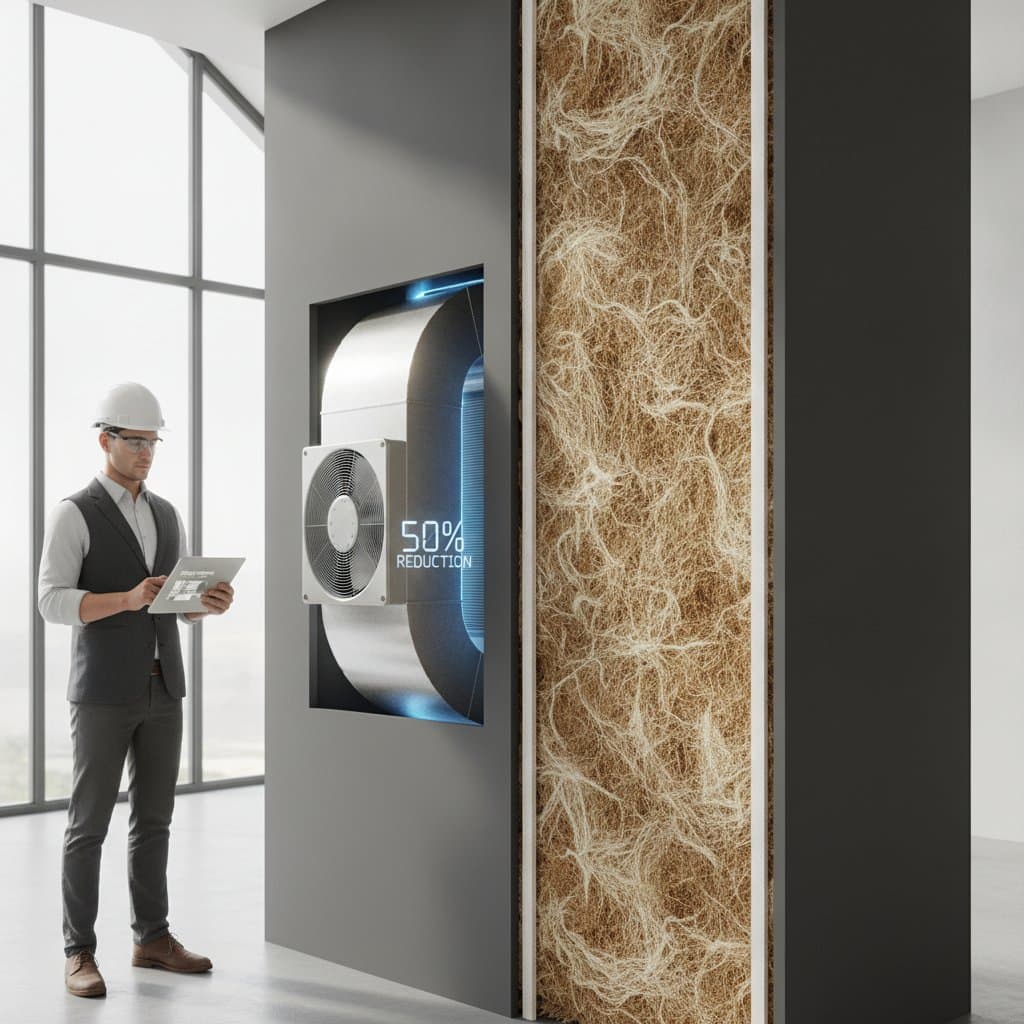
- Annual energy reductions reach 30 percent relative to standard insulation, lowering heating and cooling expenses.
- Hempcrete walls manage humidity and temperature organically, fostering a salubrious indoor setting.
- Upfront costs exceed those of traditional options, yet energy efficiencies and durability yield returns in a few years.
- The carbon-negative profile positions hempcrete as a leading choice for eco-friendly building.
Hempcrete Versus Traditional Insulation
| Property | Hempcrete | Fiberglass | Polystyrene Foam |
|---|---|---|---|
| Thermal Conductivity (W/mK) | 0.05 - 0.07 | 0.04 | 0.03 |
| Vapor Permeability | High | Low | Very Low |
| Carbon Footprint | Negative | High | High |
| Fire Resistance | Excellent | Moderate | Poor |
| Longevity | 50+ years | 25 years | 30 years |
This comparison underscores hempcrete's environmental superiority. Its thermal conductivity exceeds that of some alternatives marginally, but high vapor permeability and moisture control ensure consistent indoor conditions. In contrast, fiberglass and foam diminish in efficacy upon moisture exposure, whereas hempcrete recovers through natural drying without performance loss.
Implementation Guidance for Builders and Homeowners
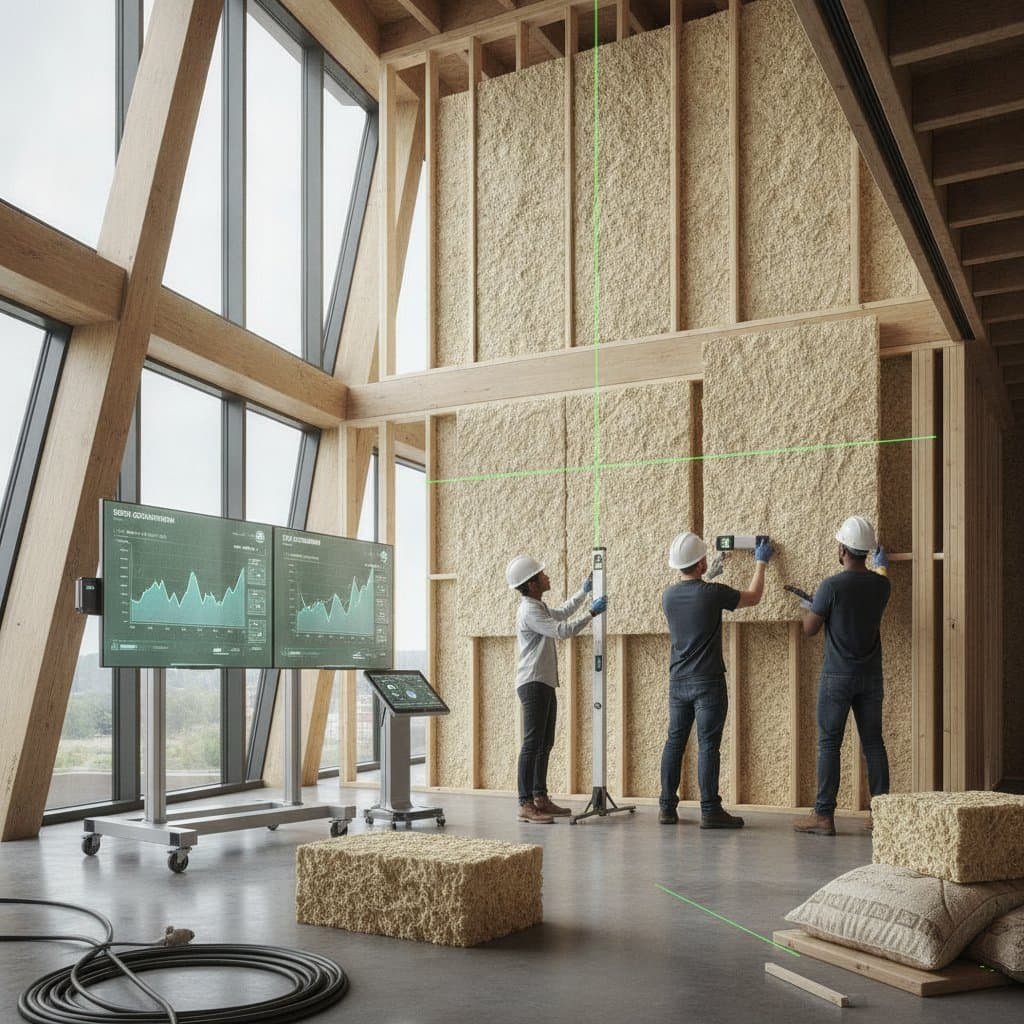
Hempcrete walls attract increasing interest, yet demand precise application and planning. As a non-structural material, hempcrete pairs with a frame of timber or steel for support. This combination permits design versatility while upholding structural integrity and compliance.
Building Procedure
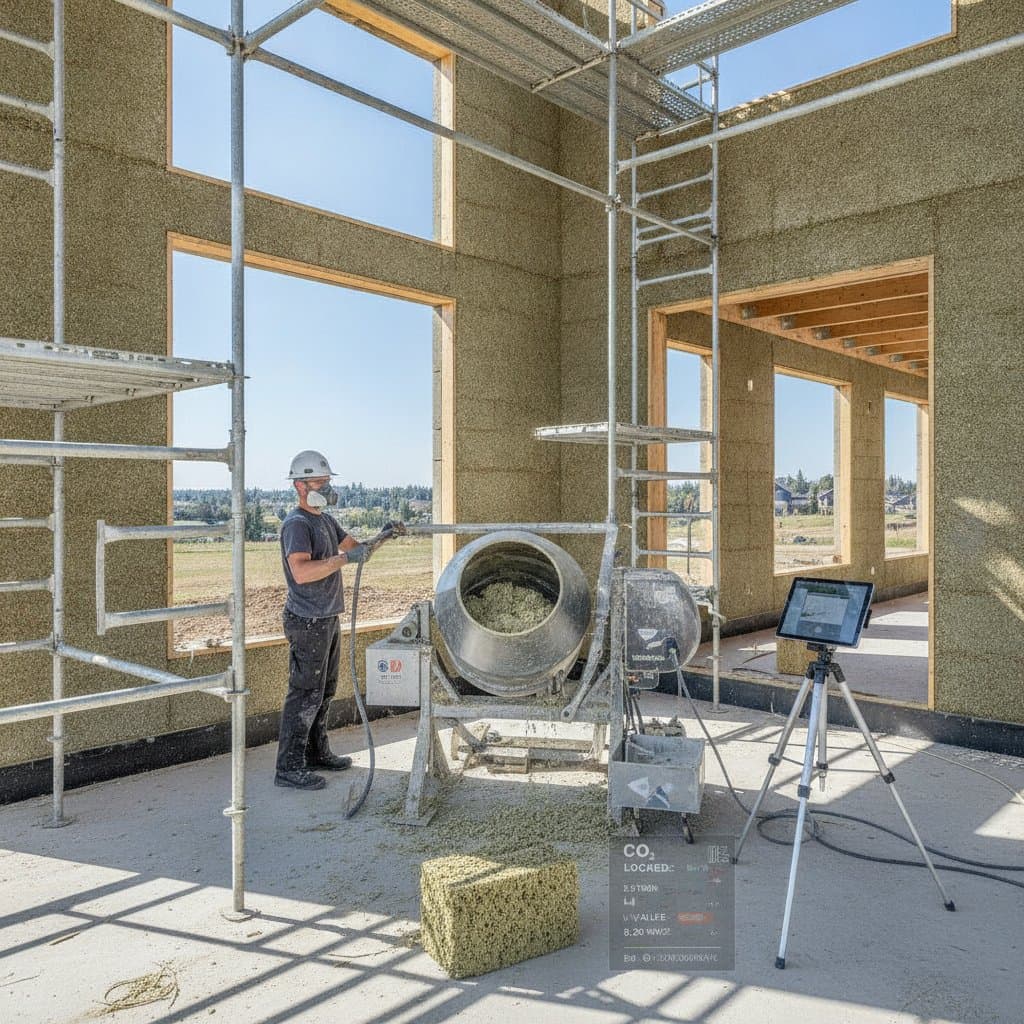
- Preparation: Blend hemp hurd, lime binder, and water to form a crumbly mix.
- Application: Cast or apply the mixture into wall forms or cavities.
- Setting: Permit weeks for full curing and carbonation.
- Completion: Coat with permeable plasters or renders to preserve breathability.
Financial Analysis
Hempcrete installation costs 10 to 20 percent more than conventional insulation. Energy reductions typically offset this premium within years. Research from the Sustainable Building Alliance indicates that a 150-square-meter residence with hempcrete insulation experiences 25 percent lower annual heating and cooling costs. Extended durability and low upkeep amplify long-term value.
Advantages for Indoor Environments
The inherent alkalinity of hempcrete inhibits mold and counters airborne contaminants. Distinct from synthetic insulators, it emits no volatile organic compounds. Such qualities suit households prioritizing wellness, especially for individuals with allergies or breathing issues.
Addressing Prevalent Myths
A common belief holds that hempcrete lacks robustness for contemporary builds. In truth, though unsuitable for load-bearing, it performs admirably as filler or insulator. With appropriate sealing and care, hempcrete walls endure for decades.
Another fallacy suggests hemp farming necessitates unique permits or rivals food production. Industrial hemp for construction features trace THC and qualifies separately from narcotic varieties. Farmers often incorporate it into rotations to enrich soil and promote diversity, positioning it as an allied crop rather than a rival.
Wider Ecological and Financial Effects
The building sector accounts for about 40 percent of worldwide carbon emissions, with material choices offering direct mitigation. Hempcrete's expansion bolsters regional farming and green production.
Nations advancing eco-building policies provide incentives like tax rebates and subsidies for bio-materials. These measures advance sustainability while generating rural jobs. Growers diversify revenue via hemp hurd supply, and local producers craft binders or panels.
Hempcrete manufacturing demands less energy than cement or fiberglass processes. Lime carbonation proceeds at room temperature, bypassing high-energy firing. This approach aids regions aiming to lessen fossil fuel dependence in building logistics.
Steps to Integrate Hempcrete
For renovations or new constructions, incorporating hempcrete proves feasible and beneficial. Engage a specialist in bio-insulation systems first. Verify designs feature adequate framing and vapor-permeable surfaces. Pair with elements like timber framing or reclaimed masonry to optimize sustainability.
Architects and developers find hempcrete enables innovative and green designs. Its organic texture and hues impart unique interior styles, attracting sustainability-minded clients.
As building evolves to curb emissions, hempcrete emerges as a viable solution. Walls become carbon repositories, comfort enhances, and agriculture renews. Selecting hempcrete advances carbon-aware habitation and forward-thinking architecture.