Key Benefits of Mycelium Insulation
Mycelium insulation utilizes the root-like structure of fungi to create a renewable option superior to petroleum-derived foams and fiberglass products. This material exhibits inherent fire resistance, robust thermal properties, and full biodegradability at the conclusion of its service life. As manufacturing scales, expenses decrease, positioning it as a viable competitor to established insulation types. Property owners gain access to purer indoor environments, decreased utility expenditures, and reduced carbon emissions. Primary hurdles involve supply chains and regulatory approvals, yet advancements accelerate with increased industry participation.
Advantages for Residential Applications
Mycelium insulation surpasses mere innovation by balancing efficacy, ecological benefits, and enduring financial gains.
-
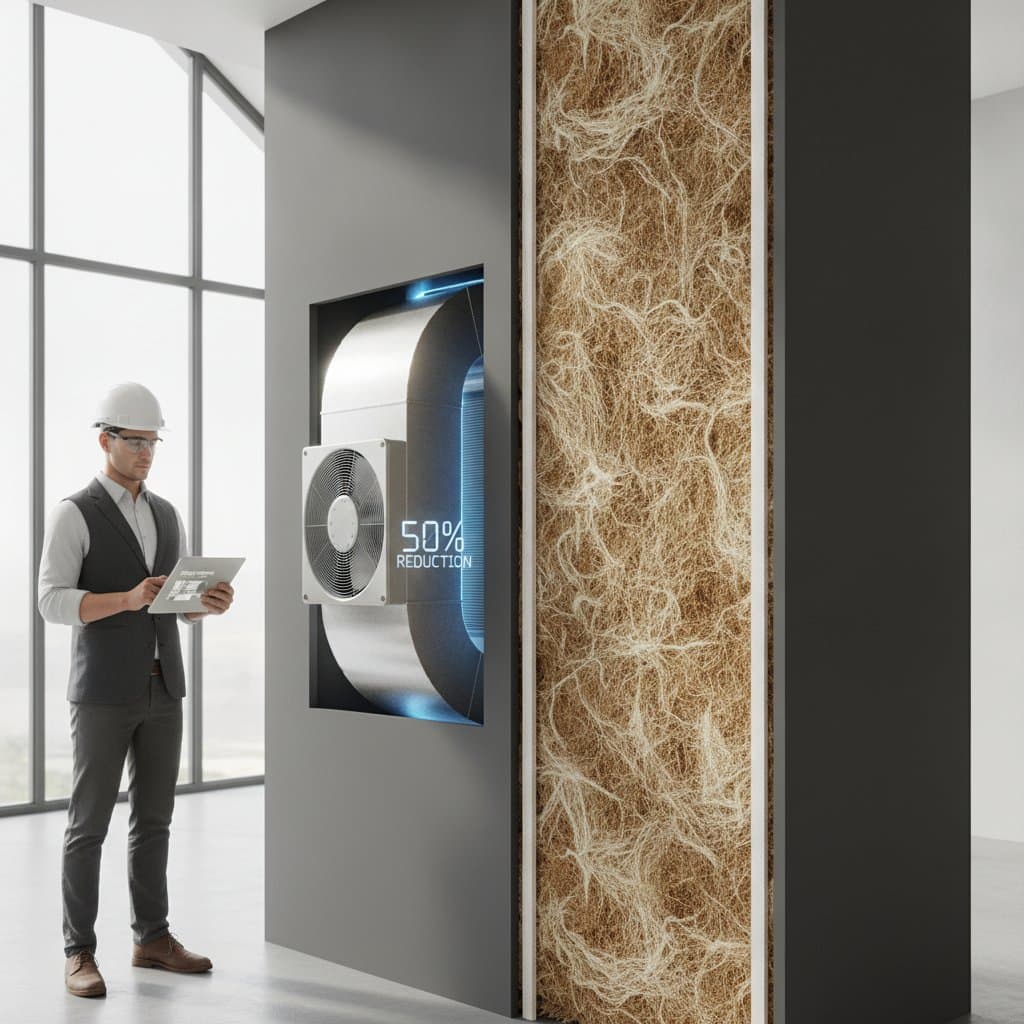
Thermal Performance: Panels achieve R-values akin to mineral wool or cellulose insulation. Such equivalence supports substantial reductions in heating and cooling demands while preserving occupant comfort.
-
Indoor Environmental Quality: Conventional insulators often emit volatile organic compounds, particularly those based on petrochemicals. Mycelium avoids synthetic adhesives entirely and modulates ambient humidity through natural means.
-
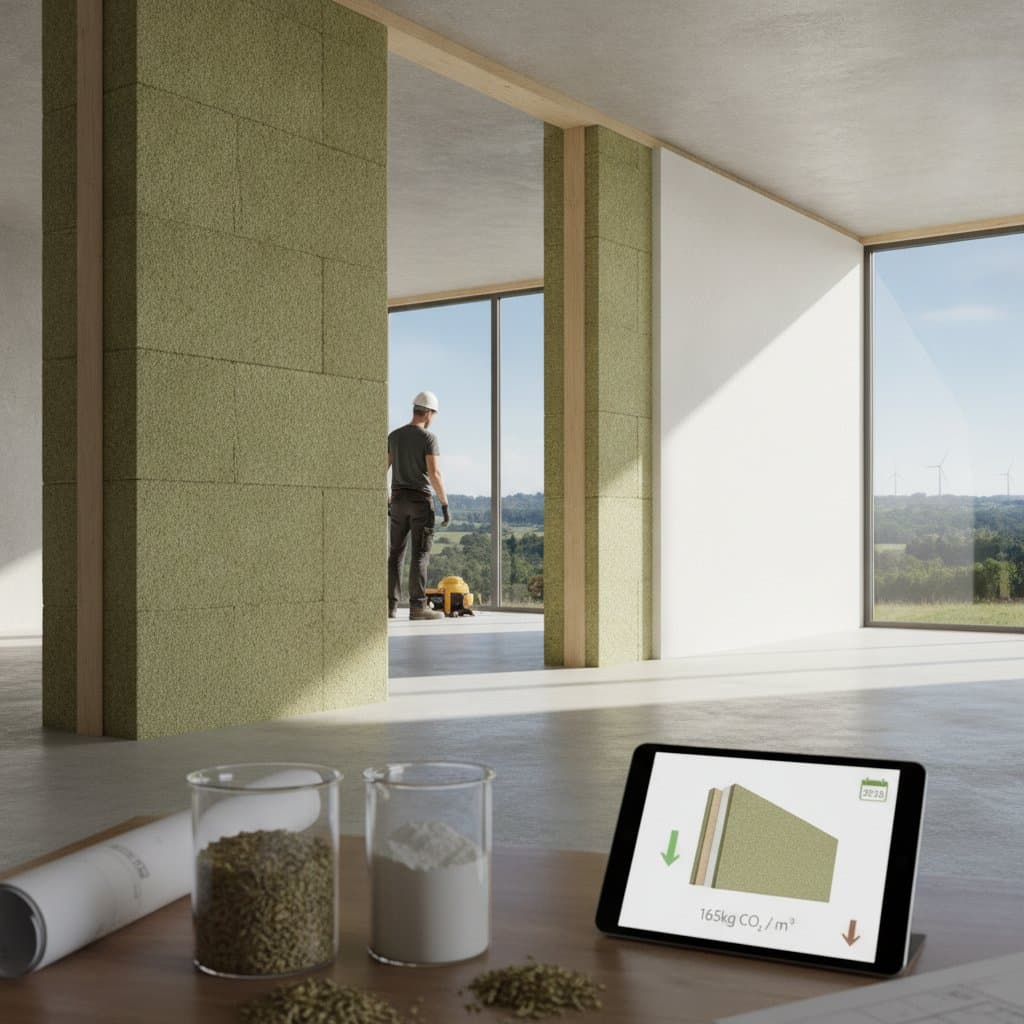
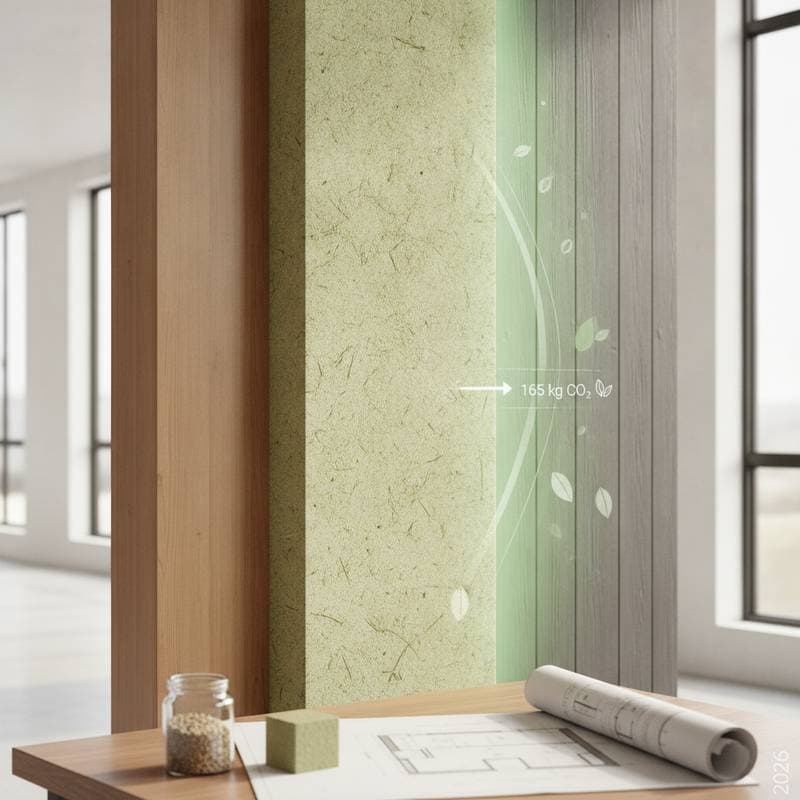
Carbon Sequestration: Individual panels sequester carbon that might otherwise reenter the atmosphere via organic decay. This mechanism effectively contains atmospheric pollutants within building assemblies.
-
Protection Against Fire and Infestations: Upon exposure to flames, mycelium carbonizes without combustion, forming a protective layer absent the need for chemical suppressants. The compact composition further deters insect and rodent intrusion.
These attributes yield measurable returns. Enhanced efficiency may lower energy costs by as much as 20 percent, influenced by regional climate and structural integrity. Cumulative savings reach thousands of dollars over the building's lifespan, alongside elevated living standards.
Practical Considerations for Design and Installation
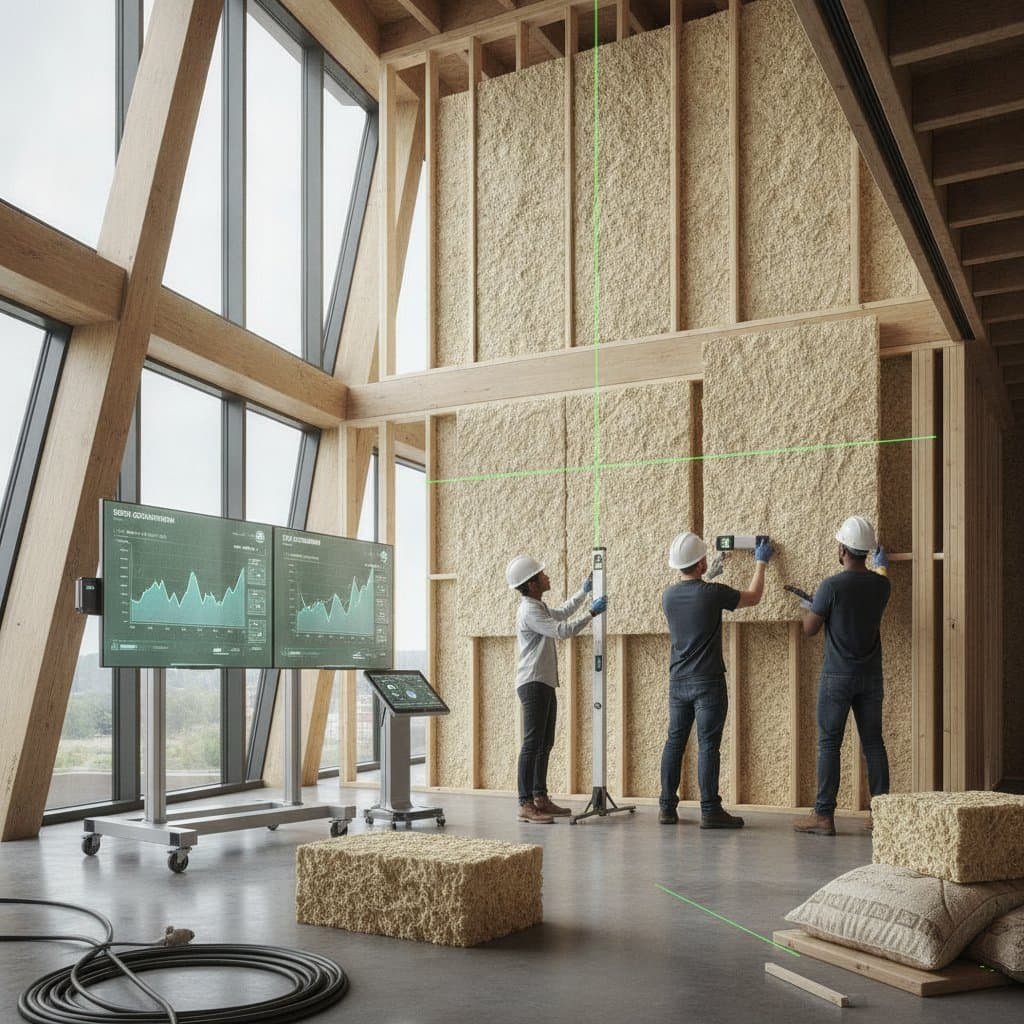
Mycelium insulation ships as rigid panels or blocks resembling compressed cork. Contractors employ conventional cutting tools to shape it for placement between framing members or joists. The absence of glass particulates or hazardous particulates eliminates the necessity for specialized personal protective equipment during handling.
Effective moisture control proves critical for longevity. The material performs optimally in equilibrated humidity levels and requires avoidance of prolonged saturation. Integration of appropriate vapor retarders and ventilation strategies safeguards performance. In comprehensive retrofitting initiatives, pairing mycelium with lime-based plasters or timber exteriors fosters a permeable envelope that maintains stable interior conditions and mitigates microbial growth.
Environmental Impacts of Production and End-of-Life Management
Mycelium insulation excels in its ecological profile through biological cultivation rather than energy-intensive fabrication. Manufacturers blend crop residues like wheat straw or maize stalks with mycelial inoculants, permitting colonization over a period of days in regulated environments. Subsequent thermal processing halts mycelial expansion and ensures sterility.
This methodology consumes minimal energy relative to the production of synthetic foams or fibrous glass. Upon decommissioning, the material integrates seamlessly into composting systems or disposal protocols without toxic leachates. In contrast to persistent landfill contributors, mycelium supports closed-loop building paradigms.
Common Inquiries Addressed
Does mycelium insulation endure for extended periods?
Properly processed panels retain mechanical strength for several decades in controlled dryness. They demonstrate resilience against fungal degradation provided moisture levels remain regulated.
Will organic composition invite pest activity?
Heat treatment renders the substrate nutrient-poor for infestations. The solidified matrix impedes burrowing or habitation.
Can it satisfy regulatory standards?
Approvals progress steadily. Numerous jurisdictions recognize mycelium under empirical testing for ignition resistance and insulation efficacy. Verification of local ordinances precedes any project.
What acoustic properties does it offer?
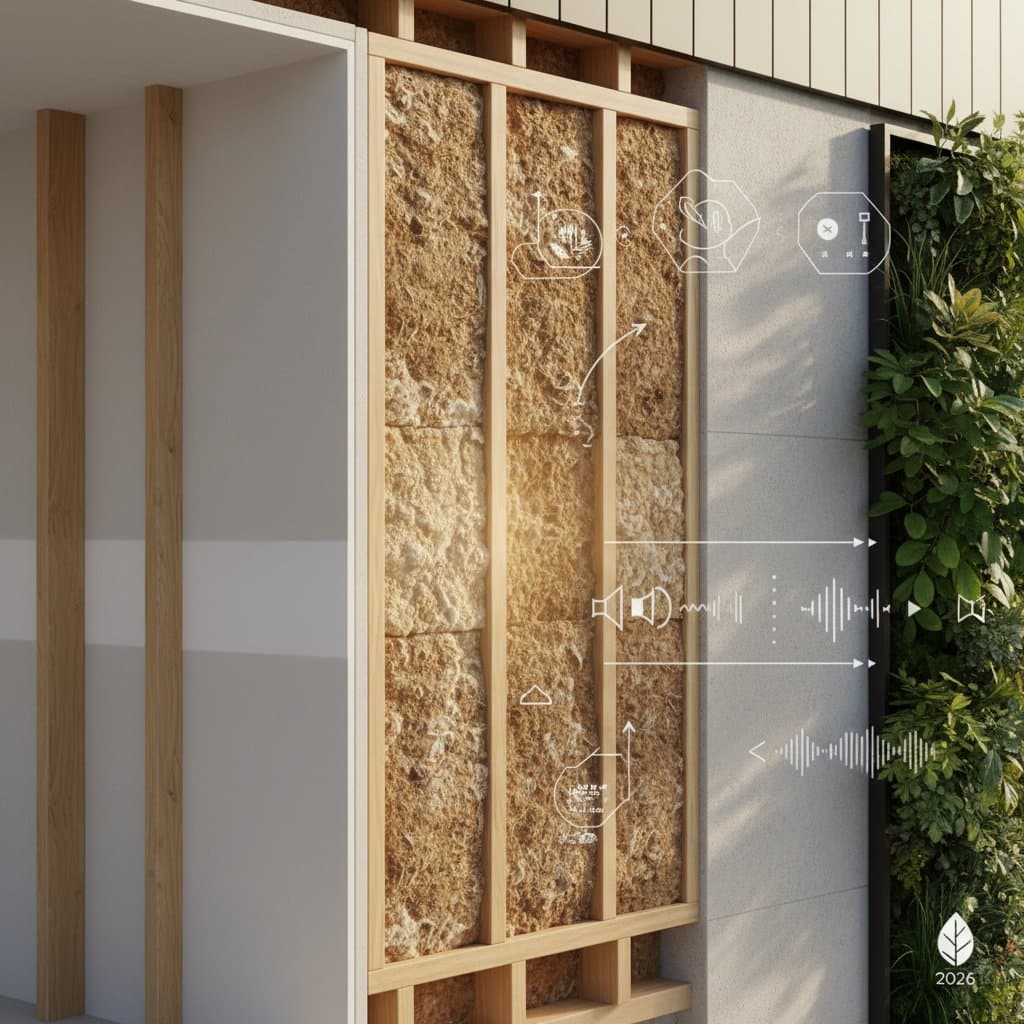
The interstitial fibers provide sound attenuation comparable to mineral wool. This feature diminishes inter-room transmission, enhancing spatial tranquility.
Is professional assistance required for installation?
Suitable for amateur efforts in minor applications such as loft conversions or outbuilding linings. Extensive or compliant undertakings benefit from expert oversight to optimize airtightness and moisture dynamics.
Steps to Integrate Mycelium Insulation
Property owners interested in mycelium begin by assessing current building needs through energy audits. Consult certified suppliers for material specifications and compatibility with existing structures. During planning, prioritize zones like attics or exterior walls for maximum impact. Post-installation, monitor humidity via integrated sensors to sustain performance. This approach not only elevates efficiency but also aligns residences with sustainable futures, delivering quiet, healthful spaces for generations.