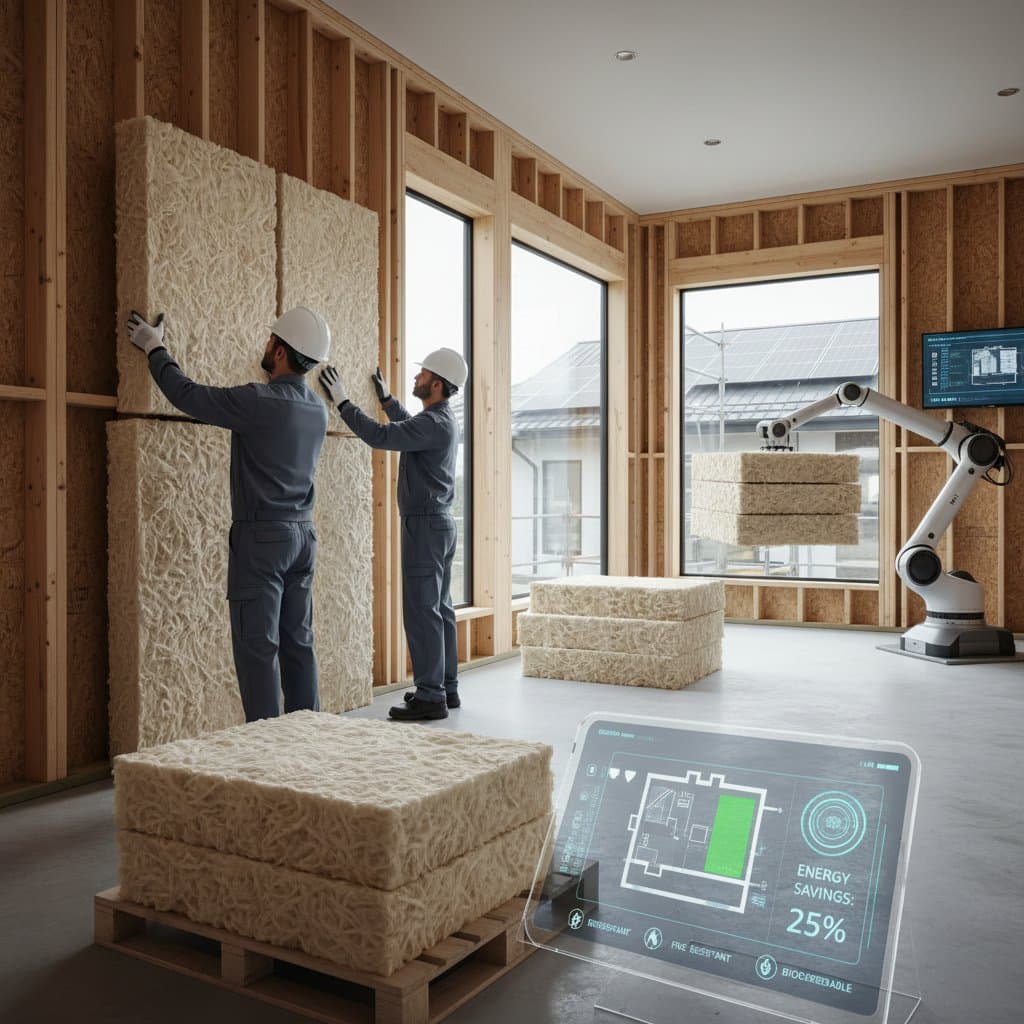
Mycelium Insulation: The Future of Energy-Efficient Eco-Homes
Sustainable home design frequently emphasizes solar panels, energy-efficient appliances, and water conservation systems. However, an innovation drawn from nature stands ready to advance insulation standards: mycelium, the thread-like network of mushroom roots. This bio-based material substitutes synthetic foams with a renewable alternative that lowers energy expenses and environmental impact at the same time.
Mycelium develops from agricultural byproducts, including corn stalks or wood chips, within controlled environments. When shaped into panels, it provides effective thermal barriers free from the ecological issues of petroleum-derived products. Homeowners and builders adopt this solution more frequently for its capacity to improve comfort while supporting worldwide sustainability objectives.
Core Benefits of Mycelium Insulation
Mycelium insulation distinguishes itself through advantages in both performance and ecology. Examine these primary attributes:
- It reduces heating and cooling requirements by up to 25 percent compared to standard foam boards, according to independent thermal testing.
- The material decomposes naturally at the conclusion of its life cycle, preventing the persistent landfill buildup linked to synthetic options.
- Inherent fire resistance enables it to char in a controlled manner under heat, avoiding the emission of toxic gases and decreasing dependence on chemical treatments.
- Production processes require up to 90 percent less energy than those for traditional fiberglass or foam, thereby reducing the carbon footprint of manufacturing.
- Installation costs compare favorably to mid-tier choices like fiberglass, and the resulting energy savings generate significant long-term financial benefits.
These qualities render mycelium a practical selection and a wise investment for sustained home efficiency.
Understanding Thermal Performance and Safety Features
The effectiveness of insulation depends on its R-value, which quantifies resistance to heat transfer. Mycelium panels generally achieve an R-value of 3.0 to 3.7 per inch of thickness. This performance aligns with fiberglass batts and surpasses numerous plant-based insulators, such as cotton or wool, which typically register below 3.5 per inch.
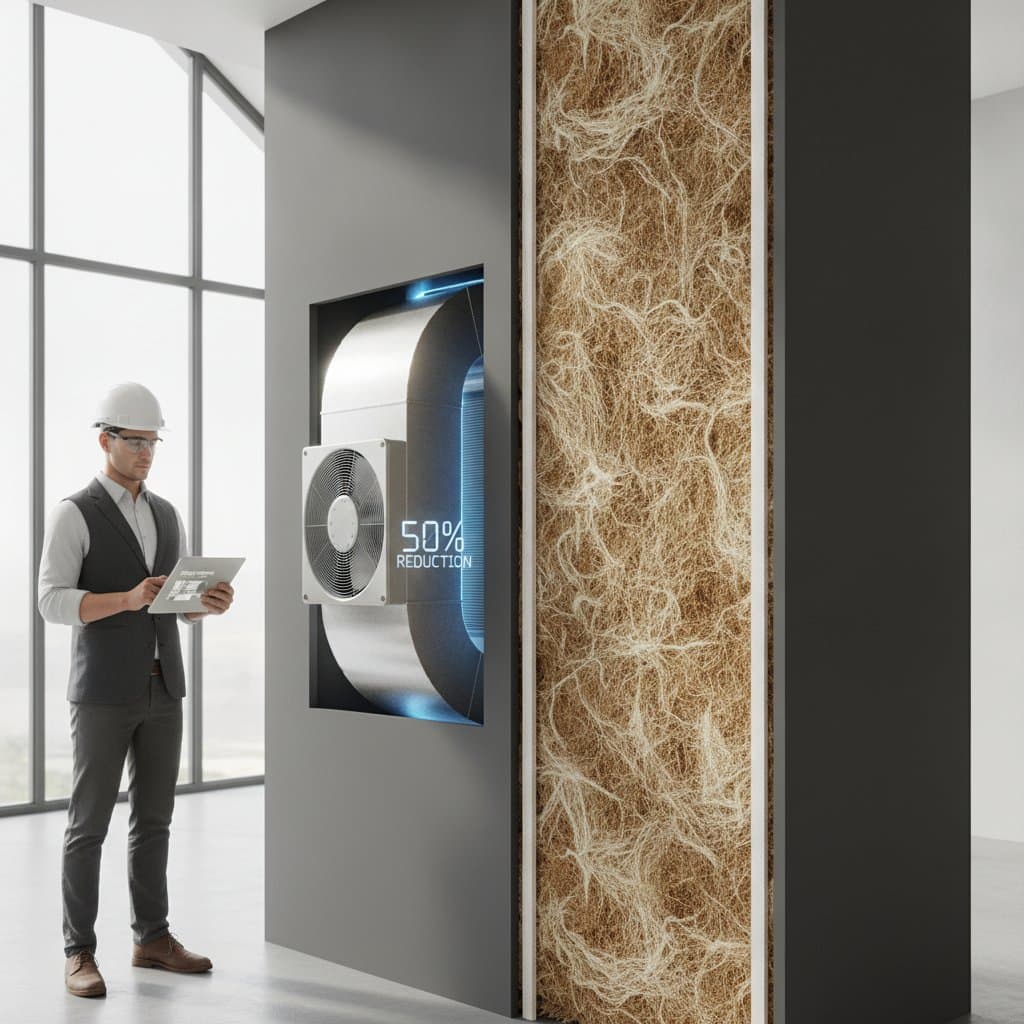
The microstructure of mycelium drives this efficiency. Interwoven hyphae form dense networks that trap air in countless voids, blocking convective heat loss. In application, a one-inch layer within wall cavities sustains indoor temperatures with reduced HVAC dependence, especially in regions with pronounced seasonal shifts.
Mycelium also improves safety and indoor air quality beyond thermal aspects. Its fire-resistant properties arise from organic composition, which forms a protective char layer upon heating rather than burning or melting. This characteristic meets building codes in areas that prioritize non-combustible materials and eliminates the need for retardants that could release vapors over time.
Moisture control adds further value. Mycelium absorbs surplus humidity from the atmosphere and releases it during drier periods, maintaining equilibrium indoors. This function inhibits condensation, thereby limiting mold development and protecting wooden structural components.
Installation and Cost Analysis for Real-World Application
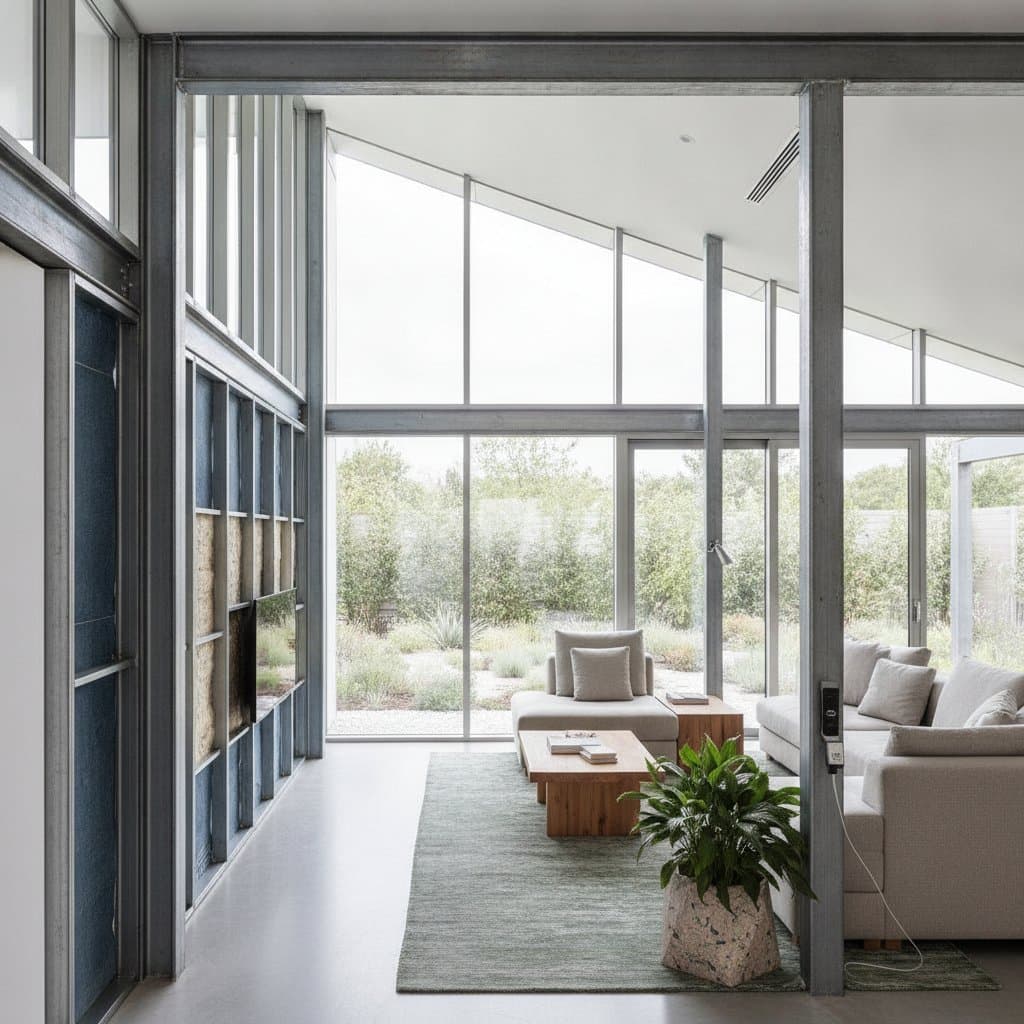
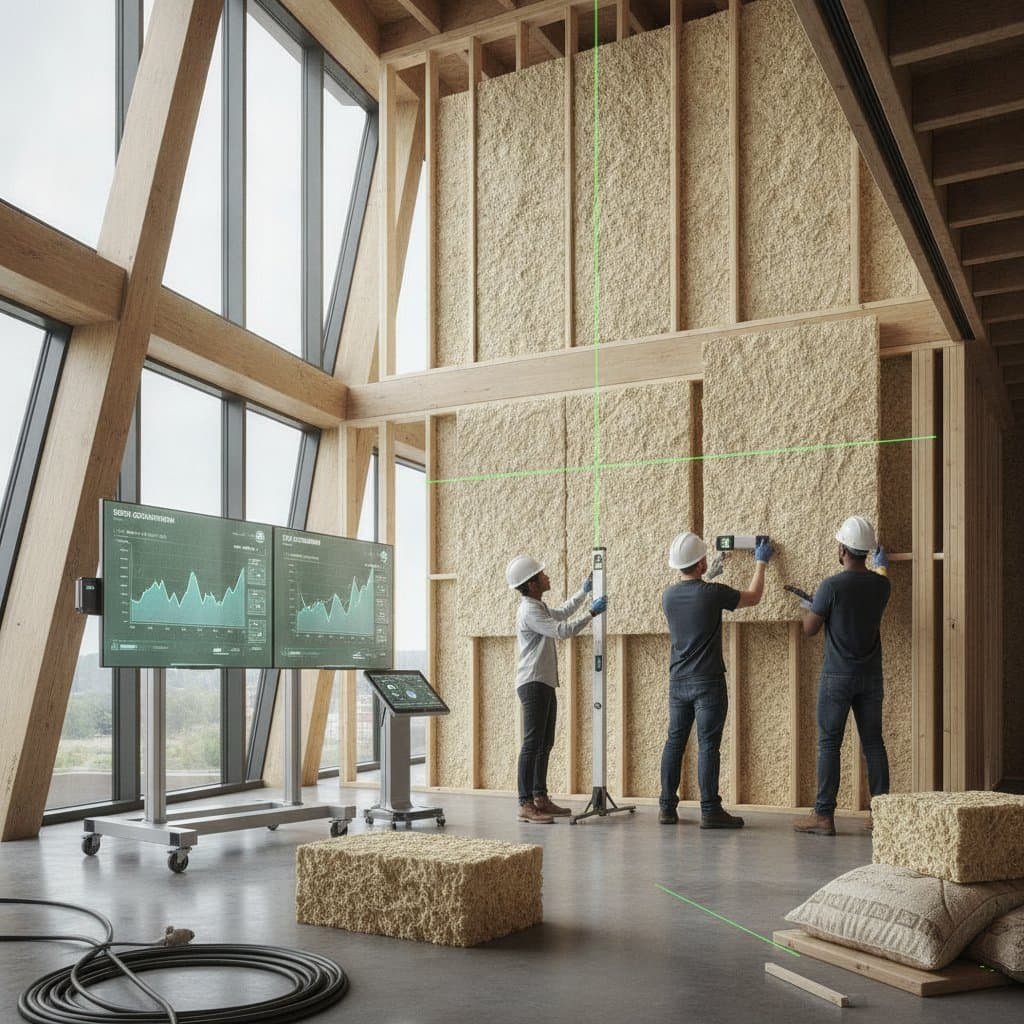
Incorporating mycelium insulation demands few changes to standard building methods. Panels fit readily between wall studs or ceiling joists, much like fiberglass. For expanded applications, rigid boards work well in exterior walls or as roofing underlays, and custom-molded blocks blend into prefabricated assemblies.
Professionals advise confirming compatibility with local vapor barriers to maximize effectiveness. In retrofits, workers remove existing insulation in targeted areas, place mycelium panels, and secure edges with permeable tapes. Such projects usually require one to two days for a typical single-family home, based on accessibility.
On the financial side, mycelium materials cost between $2.50 and $3.50 per square foot, varying by density and dimensions. This price exceeds basic fiberglass by approximately 20 percent, yet energy savings offset the difference rapidly. For a 2,000-square-foot home, upfront costs range from $5,000 to $7,000, with yearly utility reductions of $300 to $500 leading to payback in five to seven years.
Investment return estimates reach 120 to 160 percent over 20 years, assuming consistent energy rates and possible rebates from green programs. Durability enhances this appeal: post-harvest treatments prevent fungal activity, guaranteeing 30 to 50 years of service when protected from direct moisture. Maintenance consists of occasional checks for water entry, which proves less demanding than for synthetics that settle or deteriorate.
Insights from Experts and Emerging Trends
Dr. Lena Ruiz, an architectural researcher focused on bio-materials, views mycelium insulation as a critical step in circular economy practices for construction. She highlights its reliance on renewable feedstocks, low-energy production, and potential for carbon sequestration during growth. These factors help address the construction industry's 39 percent contribution to global emissions.
Industry progress accelerates as startups deploy advanced bioreactors. These units control growth conditions to yield consistent panels in five to ten days, utilizing waste like sawdust or crop remnants. This approach aids adherence to regulations such as the European Union's Green Deal and comparable U.S. policies for low-impact structures.
Forecasts predict broad market access by 2026, accompanied by falling prices from increased output. Partnerships among material scientists and builders hasten certifications for uses in acoustic insulation and non-structural support.
Steps to Incorporate Mycelium in Your Building Project
Start the shift to mycelium insulation with thorough preparation. Consult architects or certified green builders versed in bio-composites to evaluate site-specific requirements. They consider elements like climate zone, building envelope, and energy simulations to specify ideal thickness and positioning.
Obtain materials from trusted suppliers that provide third-party validated products. Secure samples for testing integration and suitability in the planning stage. For funding, investigate incentives via initiatives like the U.S. Inflation Reduction Act, which support emission-reducing modifications.
Realizing Benefits Through Mycelium Adoption
Mycelium insulation extends beyond mere efficiency gains. It creates residences that align with natural rhythms. Selecting this option secures lower running expenses, superior living conditions, and a diminished environmental footprint, supporting durable and forward-thinking habitats.