Hempcrete Walls: Carbon Absorption and Superior Insulation for Sustainable Homes
Picture a home that holds steady comfort throughout the year with minimal dependence on heating or cooling. Those walls also pull carbon dioxide from the air, easing the planet's environmental load. Hempcrete, a bio-based composite of hemp, lime, and water, achieves these advantages and stands at the forefront of green building.
Hempcrete creates lightweight, resilient walls that lock in carbon from the start and keep doing so long-term. Builders use it in fresh builds or upgrades to boost energy savings and curb emissions. As green construction rises in popularity, hempcrete proves a smart option for homeowners and developers.
Essential Benefits of Hempcrete
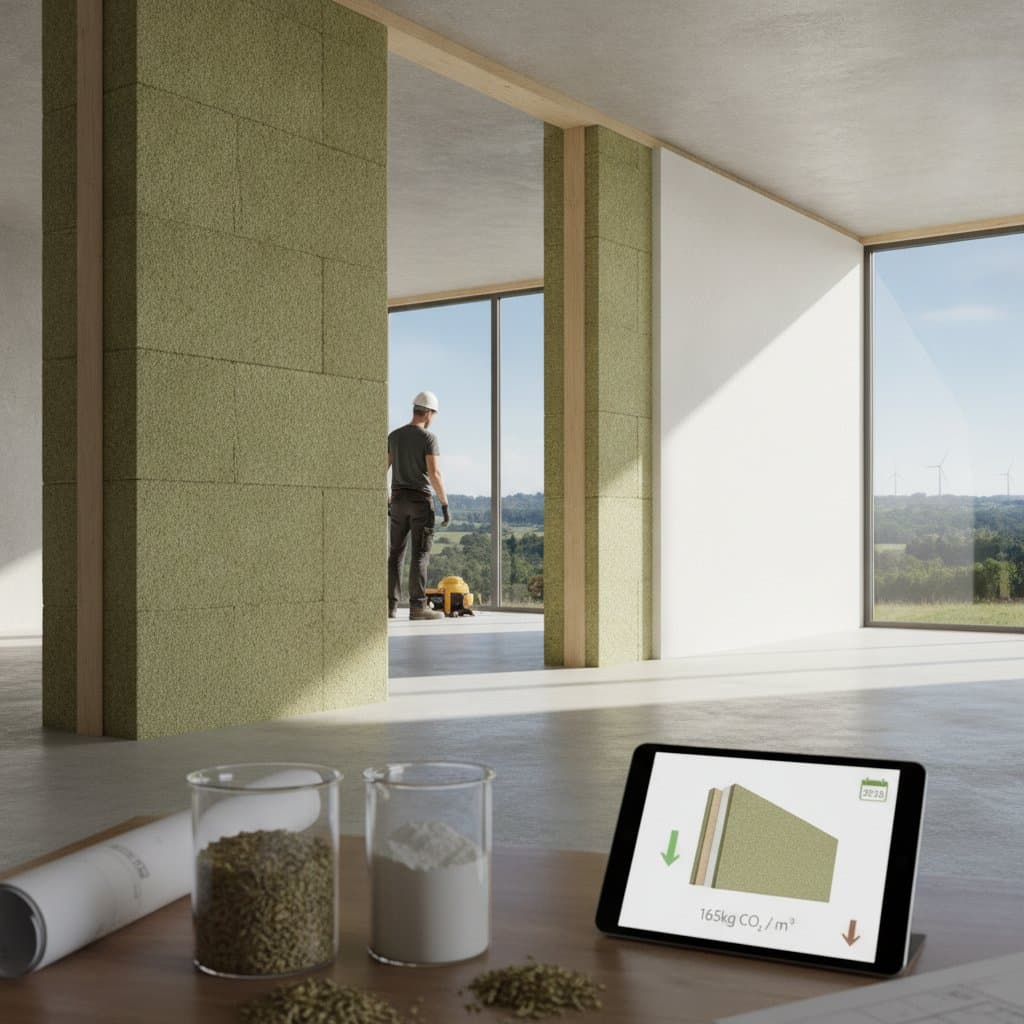
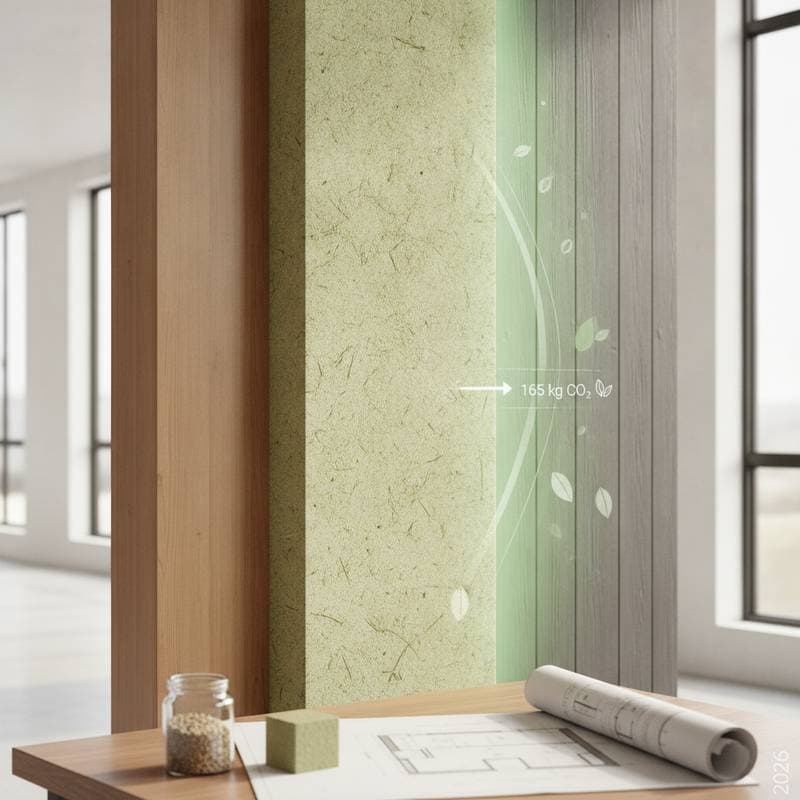
- Locks away up to 110 kilograms of carbon dioxide per cubic meter during production and curing.
- Matches the insulation of high-end foams without relying on petrochemicals.
- Balances indoor humidity and fights mold for healthier interiors.
- Cuts a building's overall carbon footprint by as much as 70 percent versus traditional concrete.
- Fits with updating building codes that favor low-carbon choices in upcoming projects.
Composition and Unique Properties
Hempcrete mixes the woody hurd from hemp plants with lime and water to form a porous, light composite. This blend sets into sturdy walls without the emission-heavy cement of standard concrete. The method sidesteps the ecological issues of cement making, a major source of worldwide carbon releases.
The European Industrial Hemp Association notes that one ton of hemp takes in about 1.6 tons of carbon dioxide through photosynthesis. In hempcrete, that carbon remains trapped in the walls for years, amplifying sequestration. This feature sets hempcrete apart from typical insulation materials.
Mechanisms of Ongoing Carbon Sequestration
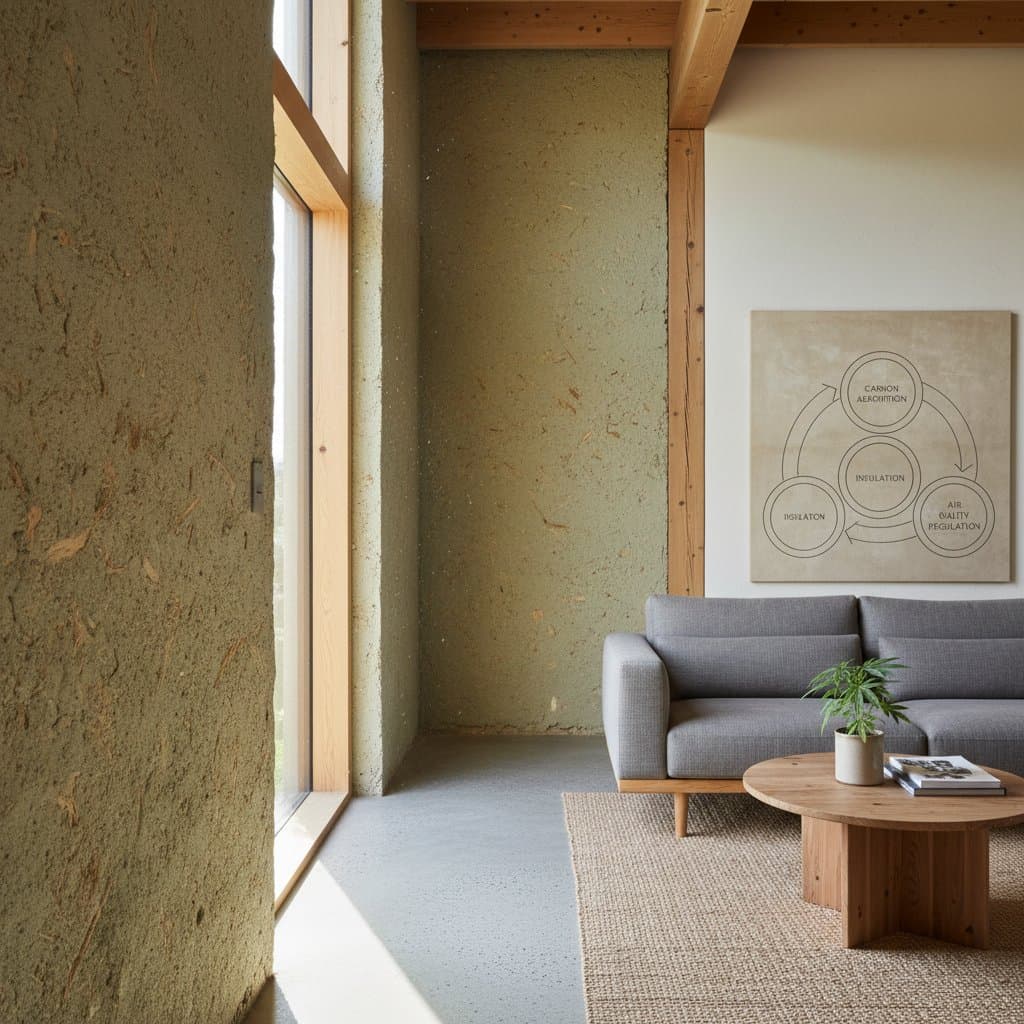
The lime in hempcrete bonds with carbon dioxide from the air as it cures, reclaiming emissions from its own making. Hemp fibers boost the material's surface area inside, quickening the process. Installed walls thus keep pulling in and holding carbon, building a tougher mineral form that gains strength over time.
Insulation and Indoor Comfort
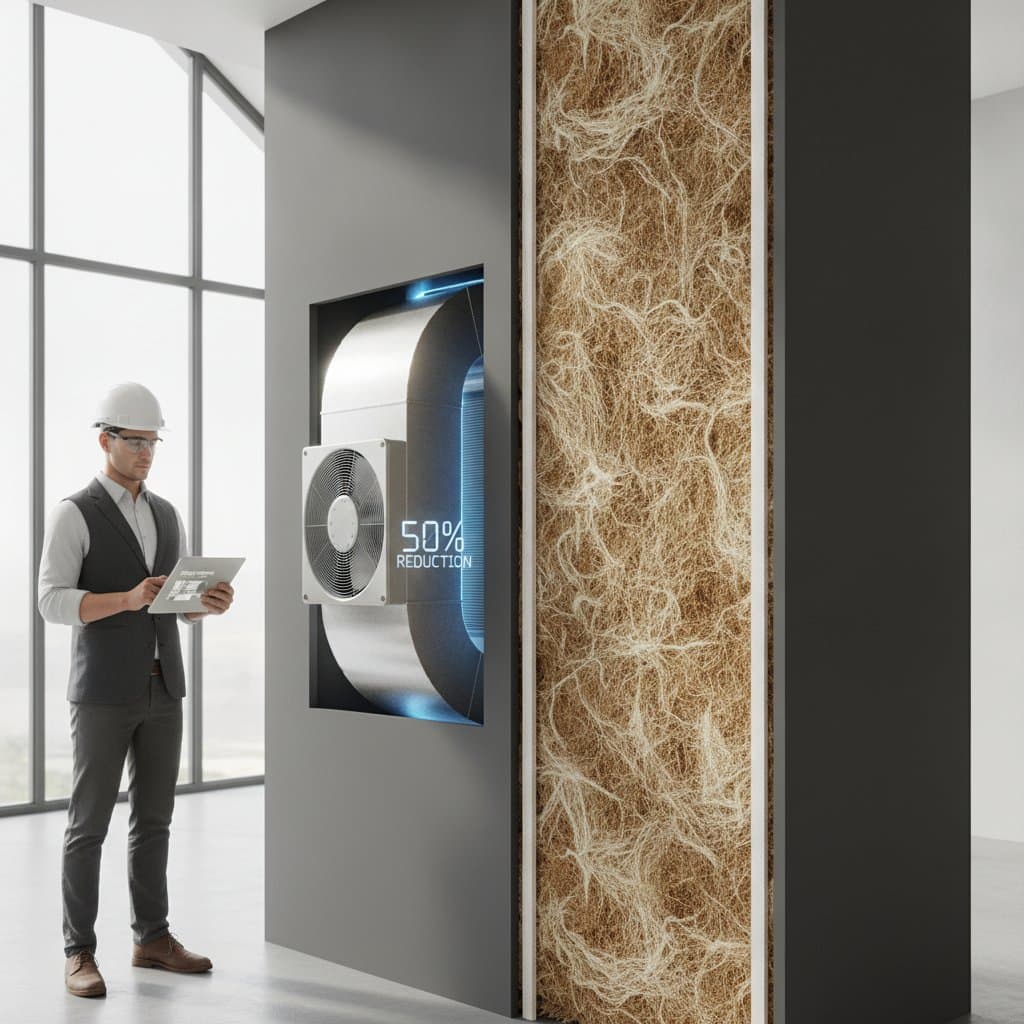
Hempcrete shows solid thermal performance, with R-values of 2.4 to 4.0 per inch depending on density and formula. While not the top in raw insulation, its thermal mass soaks up daytime heat and lets it out slowly at night. This trait evens out indoor temperatures and cuts the call for power-hungry systems.
Its vapor permeability lets moisture move through the walls, avoiding trapped dampness and condensation. This breathability keeps humidity in check and blocks mold, leading to better air quality. People in hempcrete homes often describe a fresh, even feel that lifts everyday comfort.
Acoustic and Fire Performance
The porous structure of hempcrete absorbs sound well, especially low tones that slip through denser materials. Coated with plaster, these walls quiet spaces effectively in residences, workplaces, or classrooms. Such performance creates calm settings without extra soundproofing.
Lime acts as a built-in fire blocker in hempcrete, yielding strong safety scores. Tests from independent sources reveal that solid hempcrete walls endure fire for more than an hour with little harm. These traits open doors for hempcrete in diverse building types.
Economic Factors and Building Practices
Upfront costs for hempcrete sit 10 to 20 percent above common options per square meter, depending on regional supply and expert labor. Yet these outlays pay back via smaller energy costs and less maintenance. Research from the Sustainable Building Institute points to yearly drops in heating and cooling bills of up to 35 percent.
Across a structure's lifespan, such gains usually cover initial spending, especially with climbing energy rates. Developers weigh returns by considering local weather and occupancy to support use. These lasting gains confirm hempcrete's worth in green initiatives.
Practical Construction Methods
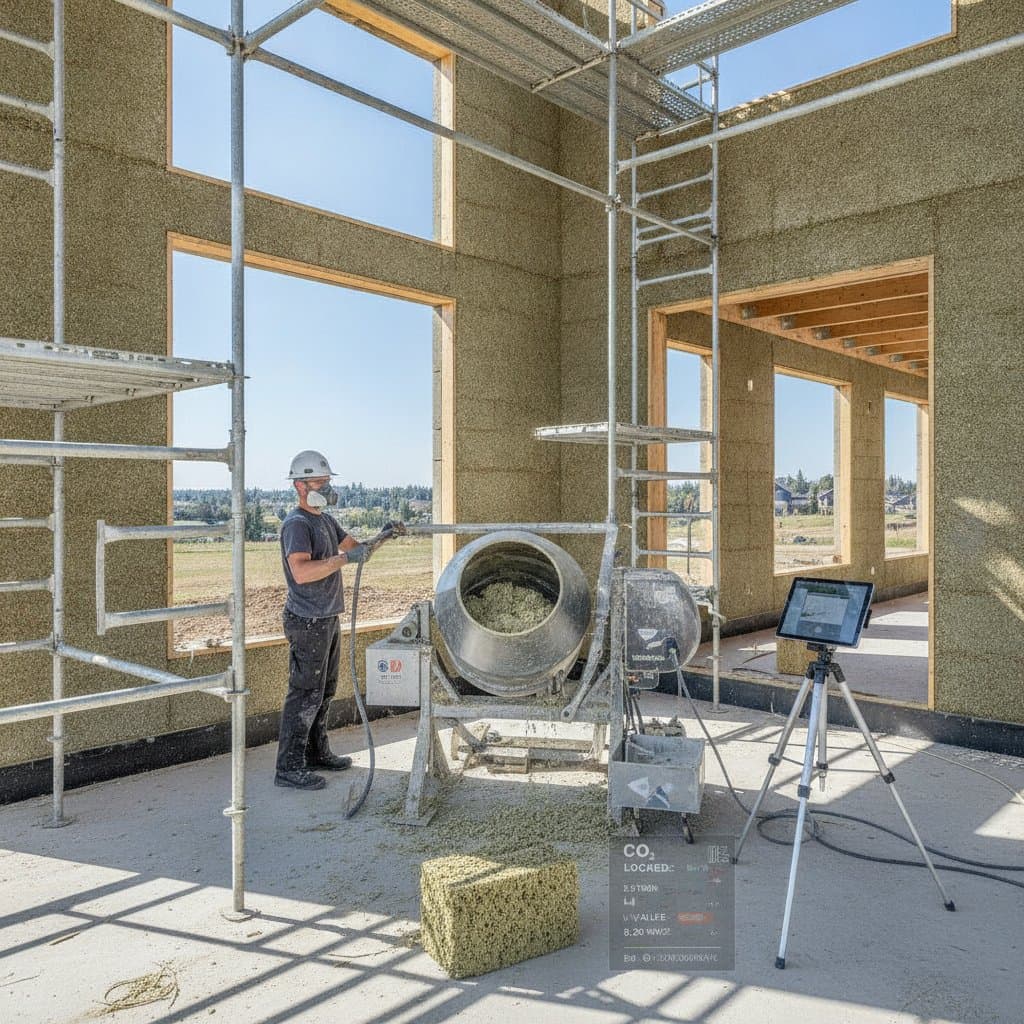
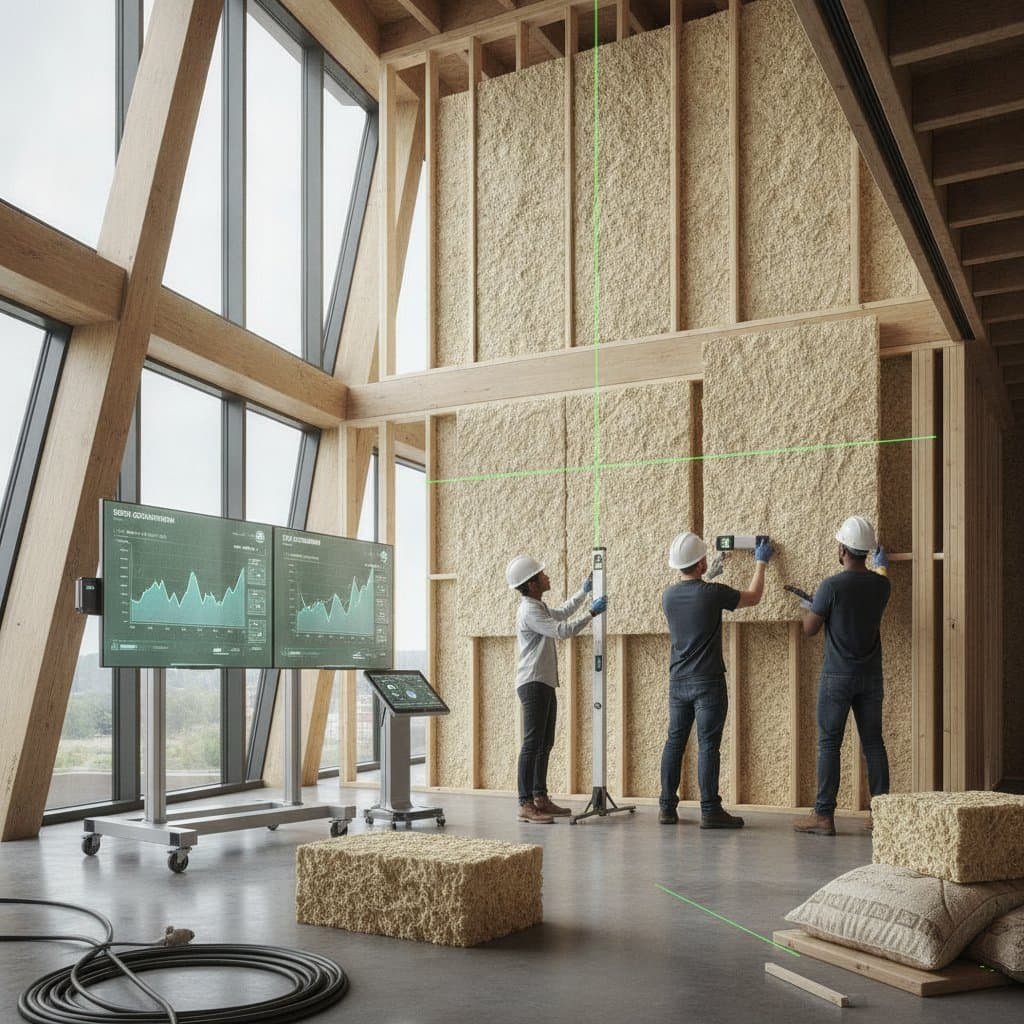
Builders can cast hempcrete on location, spray it into molds, or assemble from factory blocks. On-site pouring delivers seamless insulation for custom shapes, whereas prefab parts speed up work and ensure uniformity. Methods match varying project sizes and needs.
Carbonation handles the drying, a slower step than simple evaporation, particularly in wet areas. Projects must account for this pace to keep schedules on track. Hempcrete fills frames as non-load-bearing infill, needing structural support.
Broader Environmental and Wellness Advantages
Growing hemp restores soil through deep roots and skips chemical fertilizers, aiding varied farming. The plant pairs well in crop rotations, strengthening local agriculture and markets. Hempcrete making thus ties into earth-friendly land management.
Lacking toxic additives, hempcrete skips the fumes from man-made insulators. Its steady makeup lowers indoor pollutants, aiding those prone to allergies or irritants. Cleaner air follows from this pure build.
Side-by-Side Comparison
| Feature | Hempcrete | Concrete | Fiberglass Insulation |
|---|---|---|---|
| Carbon Footprint | Negative (absorbs CO₂) | High emissions | Moderate |
| Thermal Regulation | High thermal mass | Low | Moderate |
| Breathability | Excellent | Poor | Limited |
| Mold Resistance | Strong | Weak | Moderate |
| Fire Resistance | Excellent | Good | Moderate |
| Recyclability | Fully reusable | Limited | Low |
Regulatory Support and Future Prospects
Leaders in policy now weave bio-materials like hempcrete into rules for net-zero goals. New approvals and rewards push low-carbon construction, urging designers to try hempcrete in fresh ways. This drive speeds its place in the market.
Experts predict hempcrete will claim a solid share of green materials by the mid-2020s, as hemp fields grow and supplies steady costs. Hemp law changes will widen access. Success rests on these shifts.
Insights from Specialists
Dr. Maria Lopez, a materials expert at the Green Construction Research Center, calls hempcrete "one of the few building materials that improve over time instead of degrading." Engineers praise its give, which cuts cracks in shifting weather and boosts longevity.
Steps to Integrate Hempcrete
Start small by adding hempcrete to inner walls in remodels to sample its perks without full overhaul. Reach out to area pros skilled in bio-materials to gauge fit for your property. With more vendors emerging, consider scaling up for bigger uses.
Building Toward Carbon-Resilient Futures
Green construction goes further than efficiency; it nurtures the earth. Hempcrete walls join the effort to trim carbon while ensuring solid comfort, guiding the build of tough, planet-smart homes.