Key Points
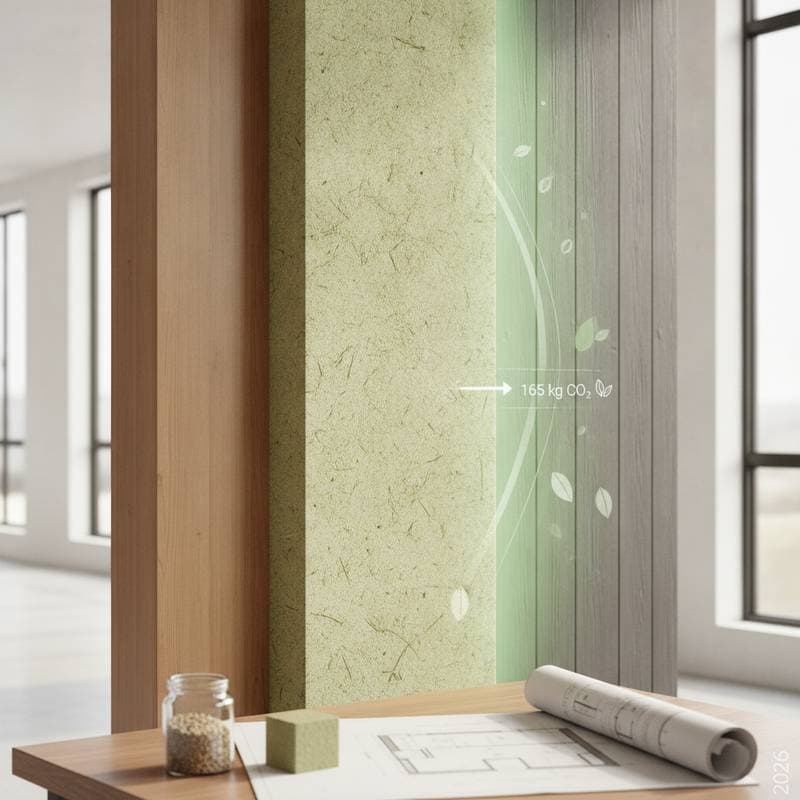
- Mushroom insulation, known as mycelium insulation, serves as a biodegradable and renewable option compared to traditional foam and fiberglass materials.
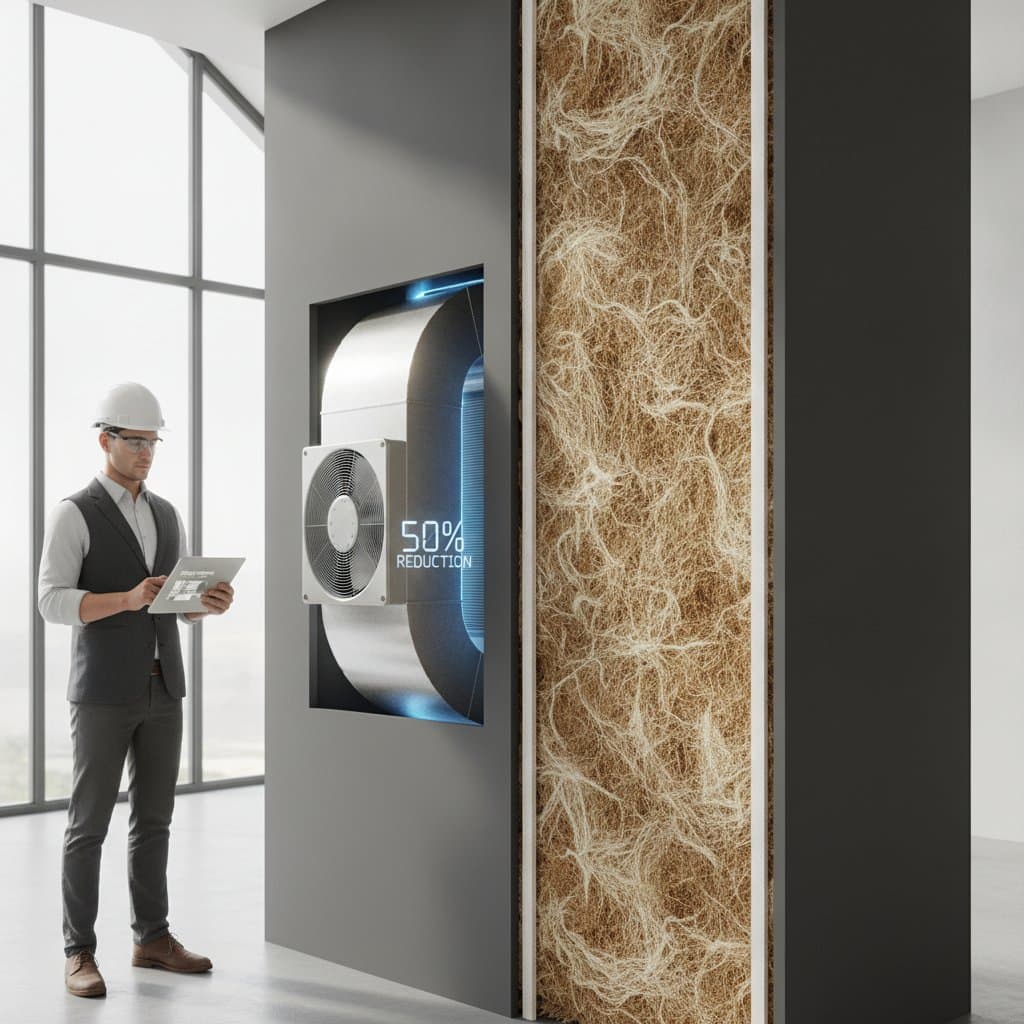
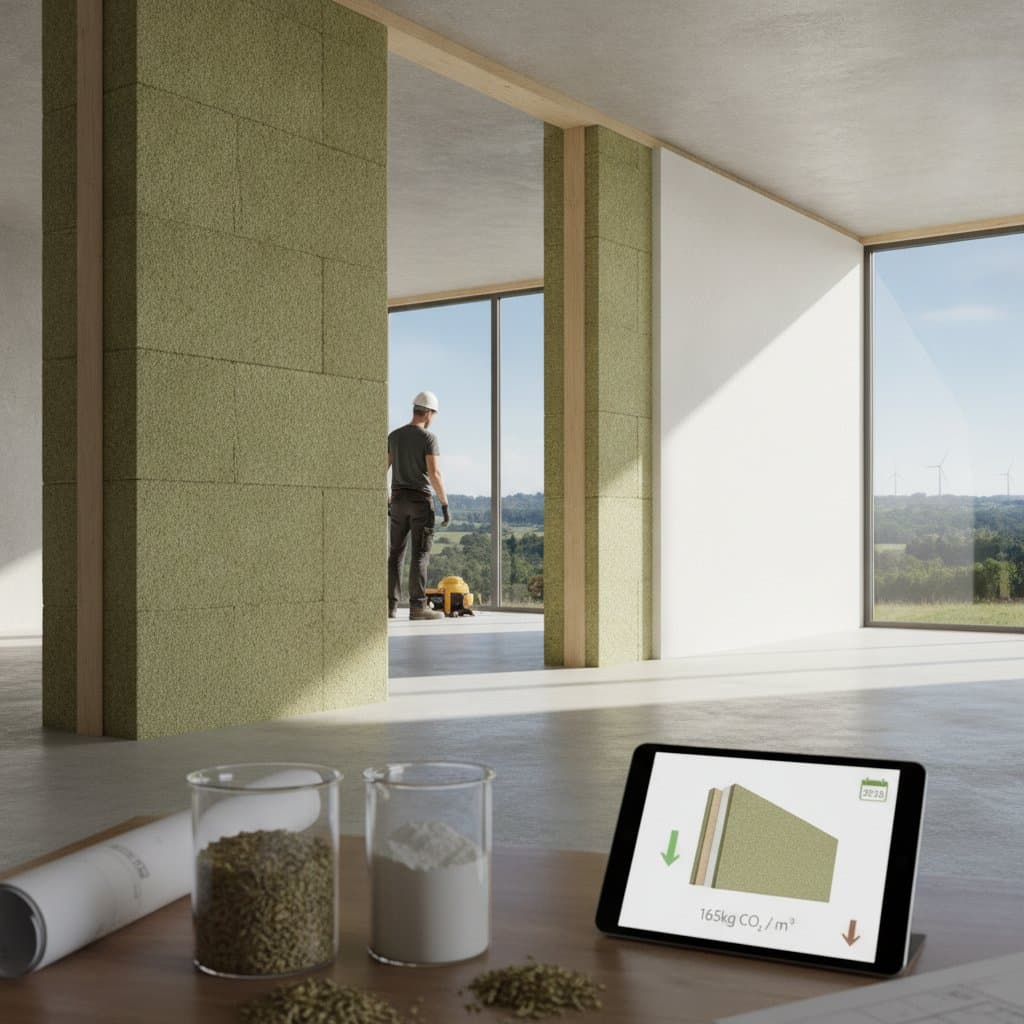
- This material provides superior thermal performance, supports carbon reduction efforts, and improves indoor air quality.
- Homeowners can incorporate it into new constructions or existing structures through simple installation processes at reasonable costs.
- Selecting suppliers from local or certified sources guarantees reliable quality and adherence to sustainable manufacturing standards.
- When integrated with effective air sealing and ventilation techniques, mycelium insulation reduces energy bills by up to 25 percent.
Challenges of Conventional Insulation
Numerous older homes depend on fiberglass or petroleum-derived foam for insulation. These substances retain heat adequately, but their manufacturing processes release pollutants, and their disposal creates persistent environmental waste. In regions with high humidity, such materials frequently promote mold development, whereas in dry climates, they degrade, becoming brittle and diminishing in effectiveness over time. Improper application often results in air leaks through gaps, which compromise the success of energy efficiency improvements.
The typical household experiences approximately 30 percent loss of heating or cooling energy via inadequately insulated walls and attics. Conventional insulation may release volatile organic compounds, which degrade indoor air quality and impact health and comfort. Contemporary homeowners prioritize options that deliver strong performance while aligning with environmental principles and personal well-being.
Strategies to Enhance Home Efficiency Using Mycelium Insulation
Conduct a Comprehensive Energy Audit
Prior to undertaking any insulation upgrades, arrange for a professional energy audit to identify precise areas of heat loss. This evaluation highlights priorities among walls, ceilings, or floors. Audits frequently reveal that enhancing attic insulation delivers the quickest return on investment, typically within three to five years, through measurable reductions in utility expenses.
Select Appropriate Mycelium Insulation Variants
Mycelium insulation appears in multiple configurations to suit diverse needs:
- Loose-fill options: Best suited for uneven spaces or renovation efforts, allowing easy distribution into existing cavities.
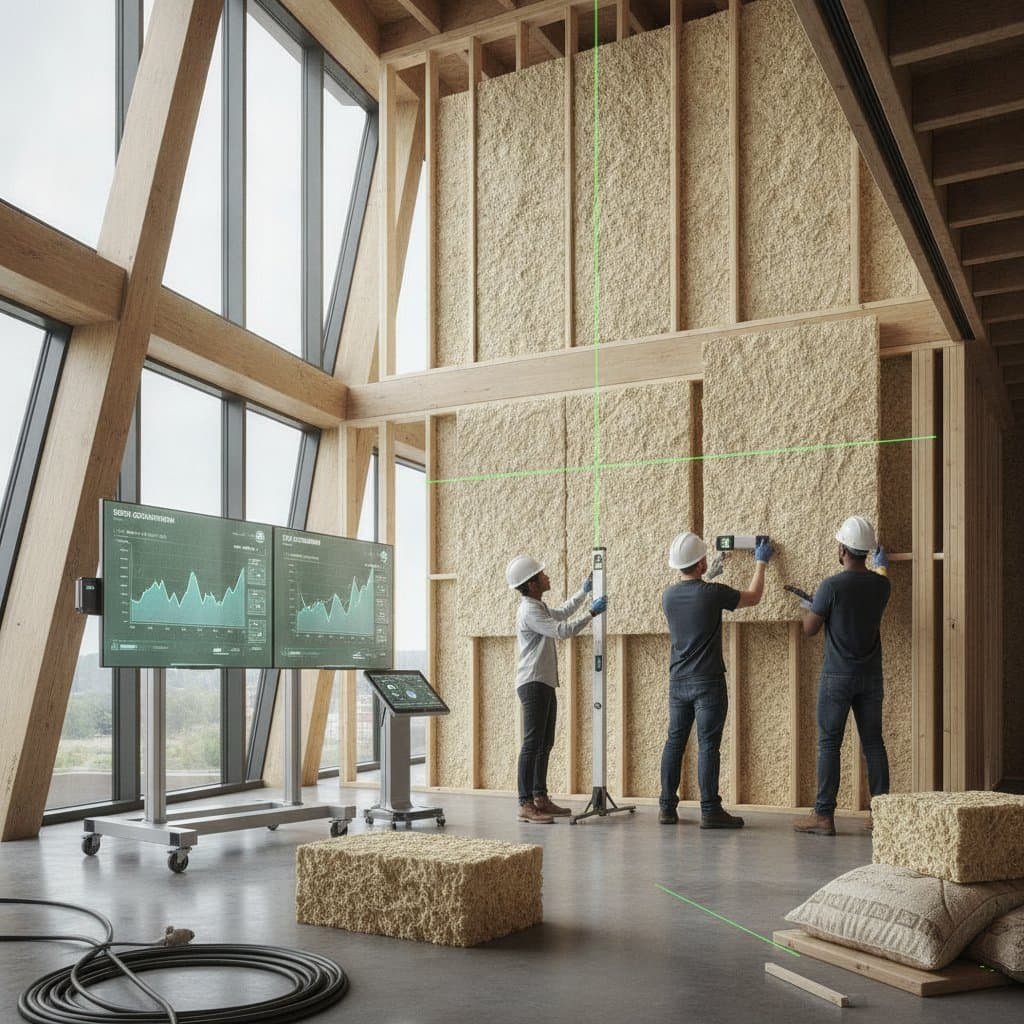
- Rigid panels: Optimal for fresh builds or as exterior sheathing, providing structural support alongside insulation.
- Custom blocks: Valuable for specialized uses, such as sound-absorbing panels or decorative interior elements.
Inquire with providers regarding the origin of feedstock, as local agricultural byproducts influence the material's density and resistance to moisture. For instance, incorporating regional crop residues can enhance compatibility with specific environmental conditions.
Integrate Air Sealing Measures
Insulation achieves maximum effectiveness alongside thorough air sealing. Apply non-toxic caulks or plant-based sealants to seal gaps around windows, doors, and utility penetrations. A tightly sealed building envelope minimizes the escape of conditioned air, thereby easing the workload on heating and cooling equipment and amplifying overall energy conservation.
Manage Moisture Effectively
Mycelium insulation inherently resists mold, yet it benefits from vigilant moisture oversight. Incorporate permeable vapor barriers and maintain ventilation in moisture-prone areas like bathrooms and kitchens. Effective airflow acts as the respiratory system for an eco-conscious home, regulating humidity to preserve material integrity and occupant health.
Collaborate with Qualified Green Construction Experts
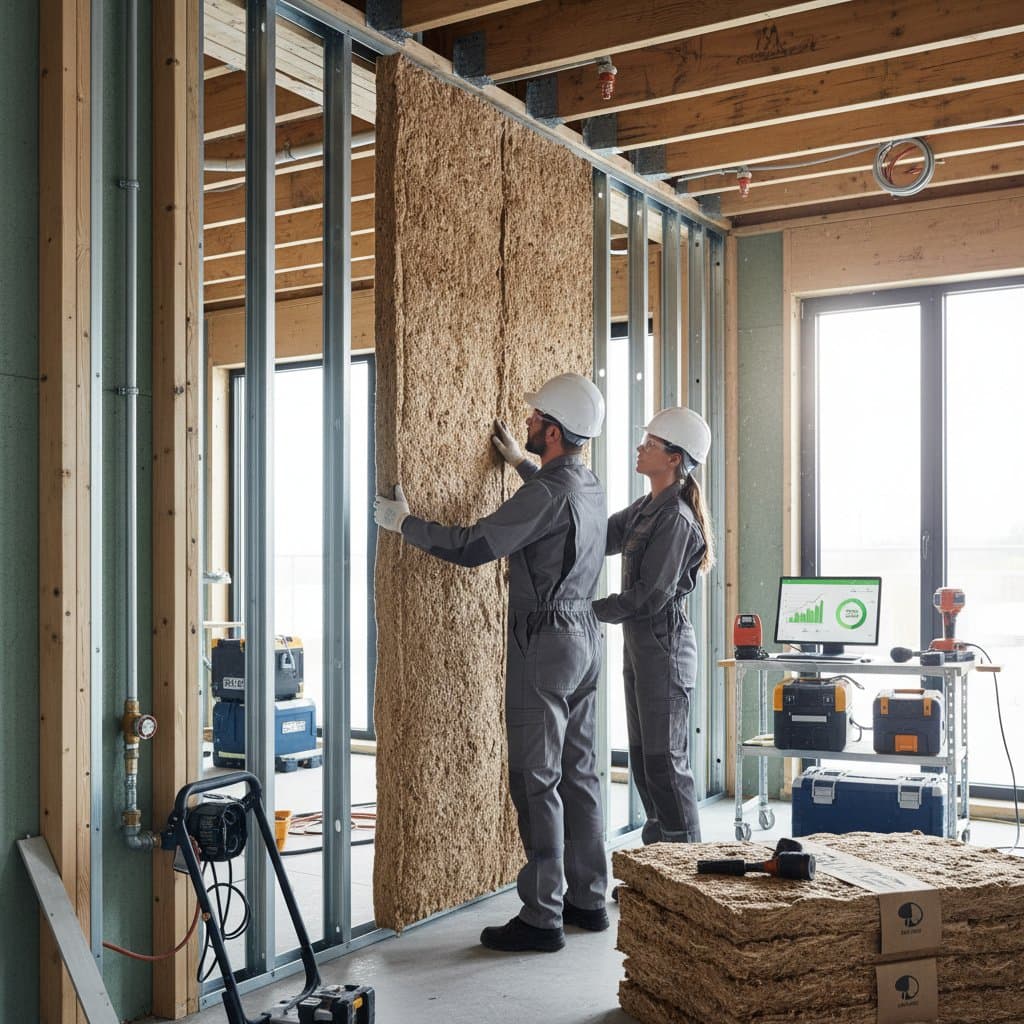
The success of an insulation project hinges on precise installation. Engage builders experienced in bio-based materials to ensure optimal outcomes. Professionals accessible via specialized networks often possess expertise in mycelium systems and can assist with project design, regulatory approvals, and synergy with solar or other renewable technologies.
Reasons Builders Favor Mycelium Insulation
Construction professionals value mycelium insulation for its adaptability and ease of use. The material grows to exact specifications, reducing production waste and customization efforts. In a recent coastal residence project, locally cultivated mycelium panels aligned with the area's humidity patterns, creating a responsive building skin that lowered cooling demands by 22 percent across seasons.
Architect Lila Chen observes, "Mycelium insulation enables designs that integrate with their surroundings, fostering a sense of vitality rather than isolation. It connects built environments to natural cycles." This perspective underscores the material's appeal in advancing regenerative architecture principles.
Steps to Implement Your Insulation Upgrade
To proceed with improving your home's insulation, investigate regional suppliers and obtain estimates from certified experts. Request physical samples to evaluate the material's texture and density directly. Schedule installations during temperate weather periods to facilitate smoother handling and settling processes.
Sustainable building practices emphasize incremental advancements over flawless execution. Every modification, whether to insulation or fixtures, strengthens home resilience and planetary health. Mycelium insulation demonstrates the harmony between technological progress and natural resources, delivering enduring comfort, cost savings, and environmental stewardship.
Frequently Asked Questions
How durable is mycelium insulation?
Properly installed mycelium insulation endures comparably to synthetic counterparts, often exceeding 50 years. Longevity relies on consistent moisture balance and the use of vapor-permeable assemblies.
Is DIY installation feasible for mycelium insulation?
DIY approaches suit minor projects, particularly with loose-fill varieties. Larger installations, such as full walls or attics, demand professional expertise to achieve uniform thermal performance and safety.
What fire safety features does mycelium insulation offer?
Treated mycelium panels exhibit inherent fire resistance without synthetic chemicals. They form a char layer that inhibits flame progression and limits smoke emission.
Does mycelium insulation adapt to various climates?
It performs across climates when tailored appropriately. In humid environments, opt for formulations enriched with hemp for enhanced moisture management.
How to source verified mycelium insulation products?
Seek providers offering documentation of R-values, moisture resistance, and biodegradability through independent testing. Reputable directories link homeowners to dependable suppliers and skilled builders for comprehensive project support.