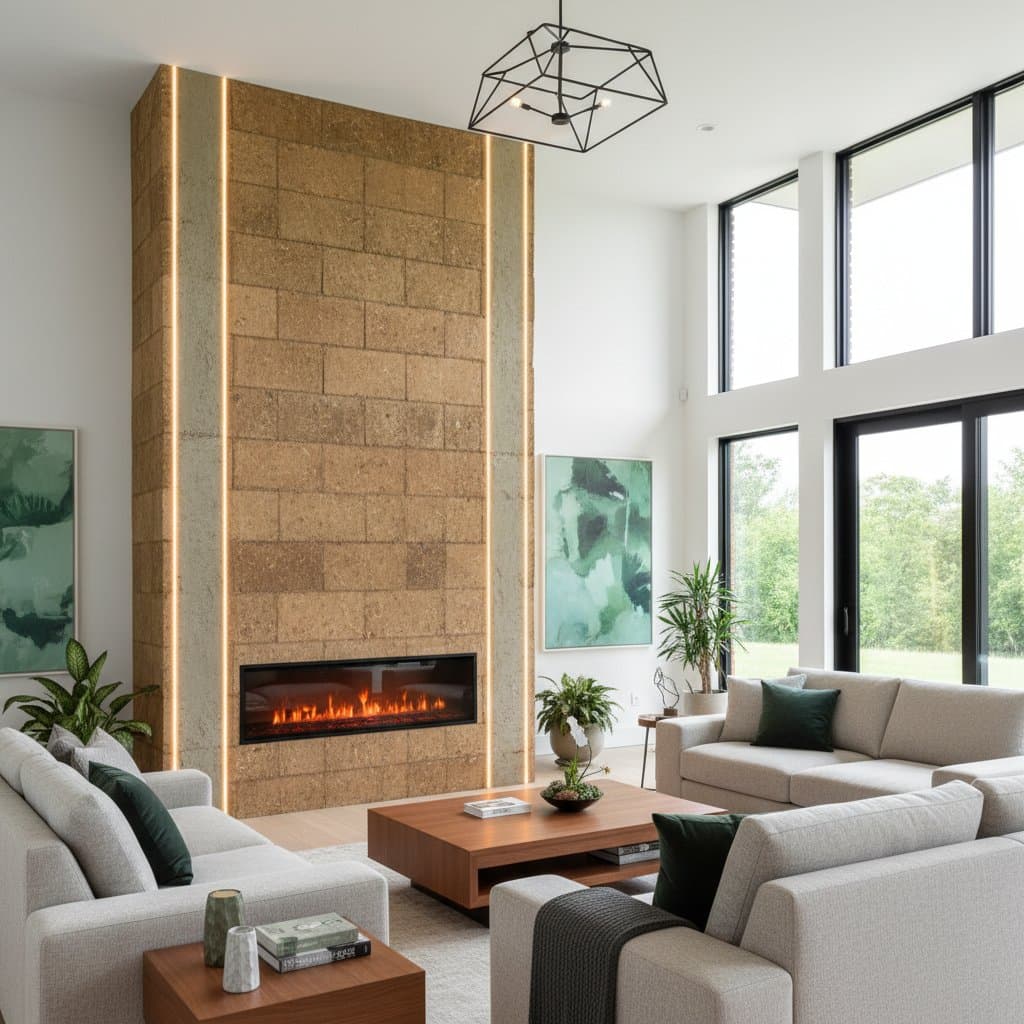
Key Benefits of Hempcrete
- Hempcrete serves as a natural, fire-resistant insulation composed of hemp hurds, lime binder, and water.
- It sequesters carbon dioxide throughout its lifecycle, enhancing indoor comfort and extending building durability.
- Upfront costs surpass those of fiberglass or foam insulation, yet long-term advantages include reduced energy use, lower maintenance needs, and improved air quality.
- This material appeals to environmentally focused homeowners desiring fire protection, humidity balance, and reliable sustainable outcomes.
Understanding Hempcrete's Advantages
Conventional insulation options such as fiberglass batts or spray foam often retain moisture, which fosters mold growth, and emit volatile organic compounds that affect air quality. Hempcrete avoids these issues by utilizing the inner woody core of the industrial hemp plant, combined with hydraulic lime and water to form a castable mixture. The process yields a lightweight, porous block or panel that allows vapor to pass through while blocking liquid water, thereby preventing decay and supporting natural ventilation.
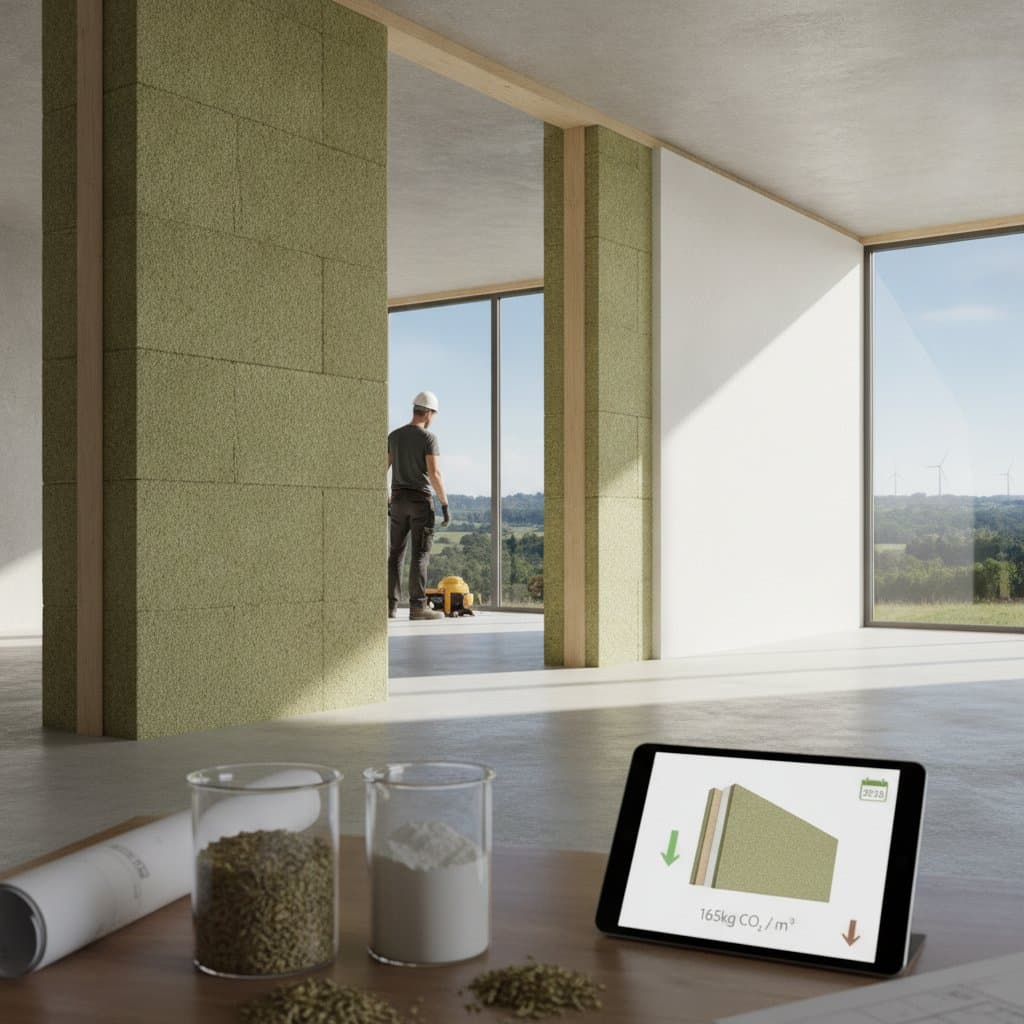
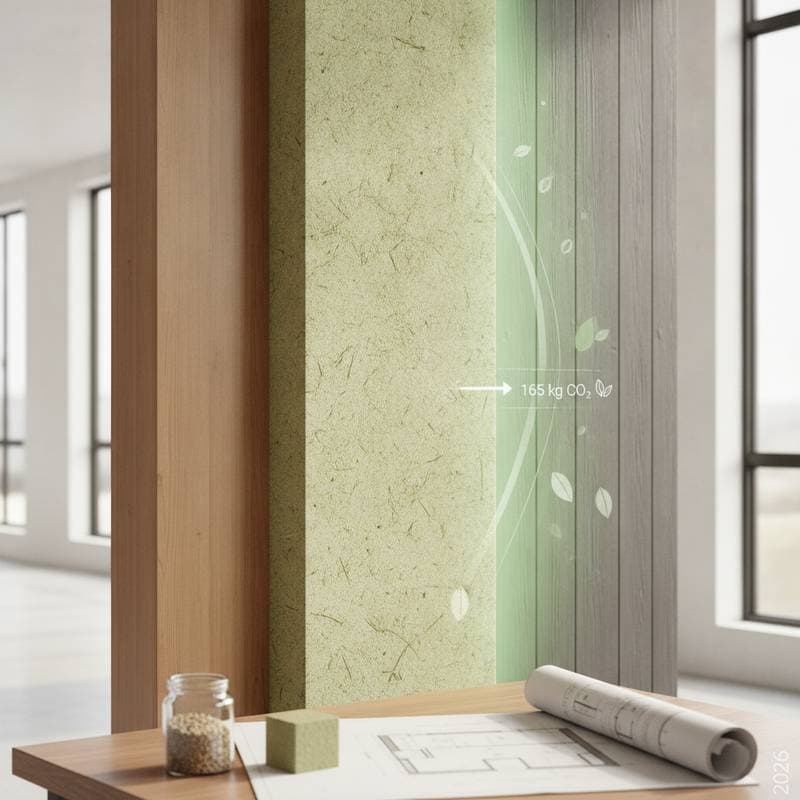
Environmentally, hempcrete stands out for its negative carbon impact. Hemp crops rapidly absorb atmospheric carbon dioxide during growth, storing it in the plant biomass. When mixed with lime, which undergoes carbonation by reacting with airborne CO2, the material continues to sequester carbon post-installation. Over 50 years, a typical hempcrete wall can lock away several tons of CO2, offsetting emissions from production and contributing to net-zero building goals.
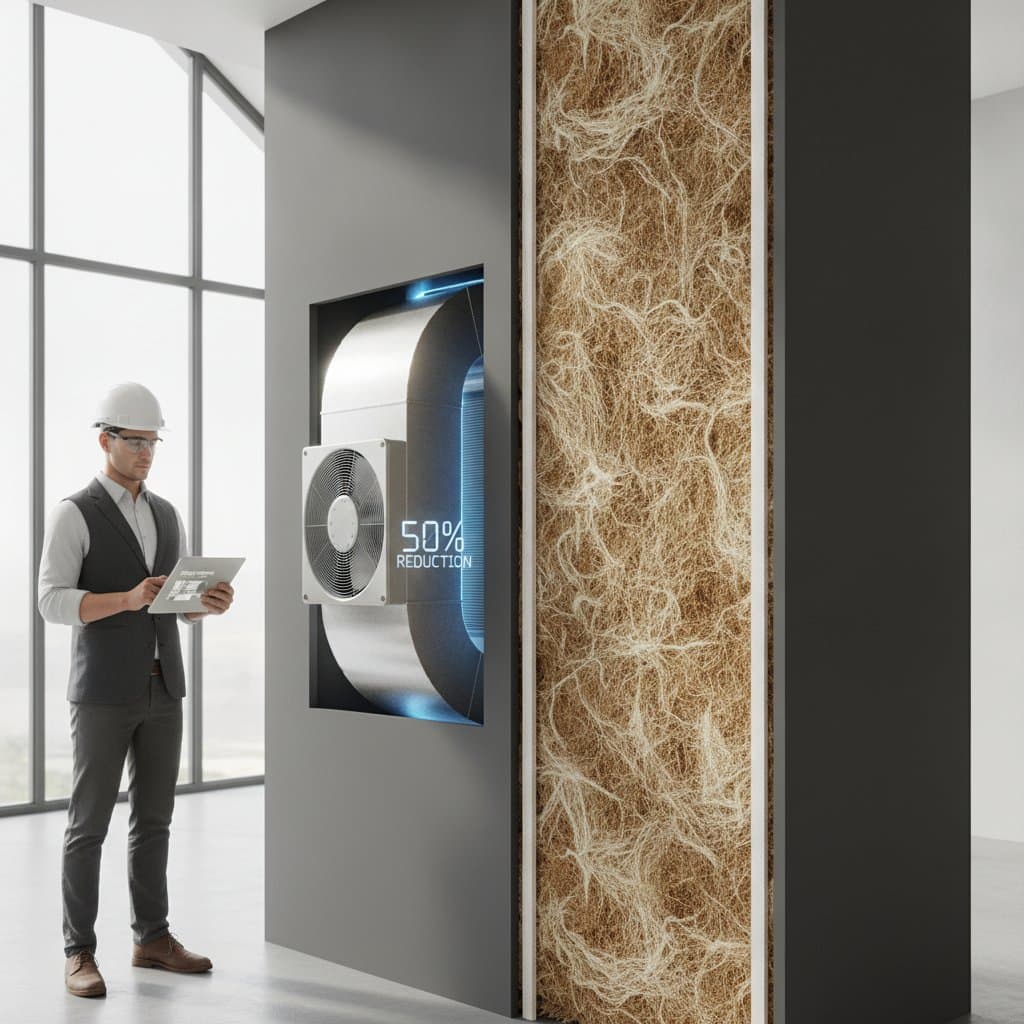
Beyond ecology, practical gains include stabilized indoor climates. The material's thermal mass absorbs heat during the day and releases it slowly at night, minimizing temperature fluctuations. This property reduces reliance on HVAC systems, leading to consistent comfort without drafts or hot spots.
Analyzing Costs and Return on Investment
Hempcrete installation generally costs more initially than traditional methods. Expect expenses of $15 to $25 per square foot for materials and labor, influenced by factors like wall dimensions, site accessibility, and regional availability of hemp products. In contrast, fiberglass insulation might cost $3 to $7 per square foot, but hempcrete's superior performance justifies the premium.
Returns materialize quickly through measurable efficiencies. Thermal conductivity ratings for hempcrete range from 0.06 to 0.12 W/mK, enabling 20 to 30 percent reductions in heating and cooling demands compared to standard walls. Homeowners often recoup investments within 5 to 10 years via utility bill savings, especially in climates with extreme temperatures.
Maintenance savings further bolster the case. Hempcrete's alkaline lime content deters pests and inhibits microbial growth, eliminating the need for chemical treatments. Property appraisals reflect these attributes, with green-certified homes commanding 5 to 10 percent higher resale values in markets valuing sustainability.
Over a 50-year building lifespan, lifecycle analyses show hempcrete lowering total ownership costs by 15 to 25 percent, factoring in durability and minimal repairs.
Core Sustainable Attributes and Performance Improvements
Hempcrete embodies circular economy principles, with hemp as a fast-growing, low-water crop that regenerates soil without pesticides. At end-of-life, the material crumbles into non-toxic components suitable for composting or reuse in new mixes, unlike foam plastics that persist in landfills.
Lime's ongoing carbonation enhances structural integrity, allowing hempcrete to withstand seismic activity and thermal expansion better than rigid insulations. In fire scenarios, it neither burns nor produces toxic smoke, achieving Class 0 fire ratings in European standards and meeting similar U.S. codes.
Efficiency stems from balanced insulation properties. The material provides R-values of 2 to 3 per inch, combined with breathability that prevents interstitial condensation. This setup maintains relative humidity between 40 and 60 percent indoors, reducing allergens and respiratory irritants while preserving wooden framing.
Common Questions About Hempcrete
Can hempcrete be added to an existing structure?
Yes, retrofitting is feasible with professional guidance. Internal panels or external renders work well, but assessments must address load-bearing capacity, vapor barriers, and integration with current walls to avoid thermal bridging.
Is hempcrete permitted in all locations?
Building codes differ globally. In the United States, states like Kentucky and Colorado approve hemp-lime composites under alternative materials provisions, while Europe widely accepts it. Consult local inspectors early to ensure adherence.
Does hempcrete invite insect or rodent issues?
Quite the opposite. The high pH of lime creates an inhospitable environment for pests, outperforming untreated natural fibers without added biocides.
How much maintenance does hempcrete demand?
Very little. Annual visual checks of plaster finishes and reapplications of limewash every 10 to 15 years suffice to maintain aesthetics and protection.
What thickness is recommended for optimal performance?
For exterior walls, 12 to 18 inches provides ideal insulation in temperate zones. Thinner applications suit infill panels, but calculations based on local climate ensure code compliance.
Steps to Integrate Hempcrete into Your Project
Start by evaluating your build site's climate and design needs with a certified architect experienced in bio-based materials. Source suppliers through networks like the Hemp Building Association to secure quality hemp hurds and lime mixes.
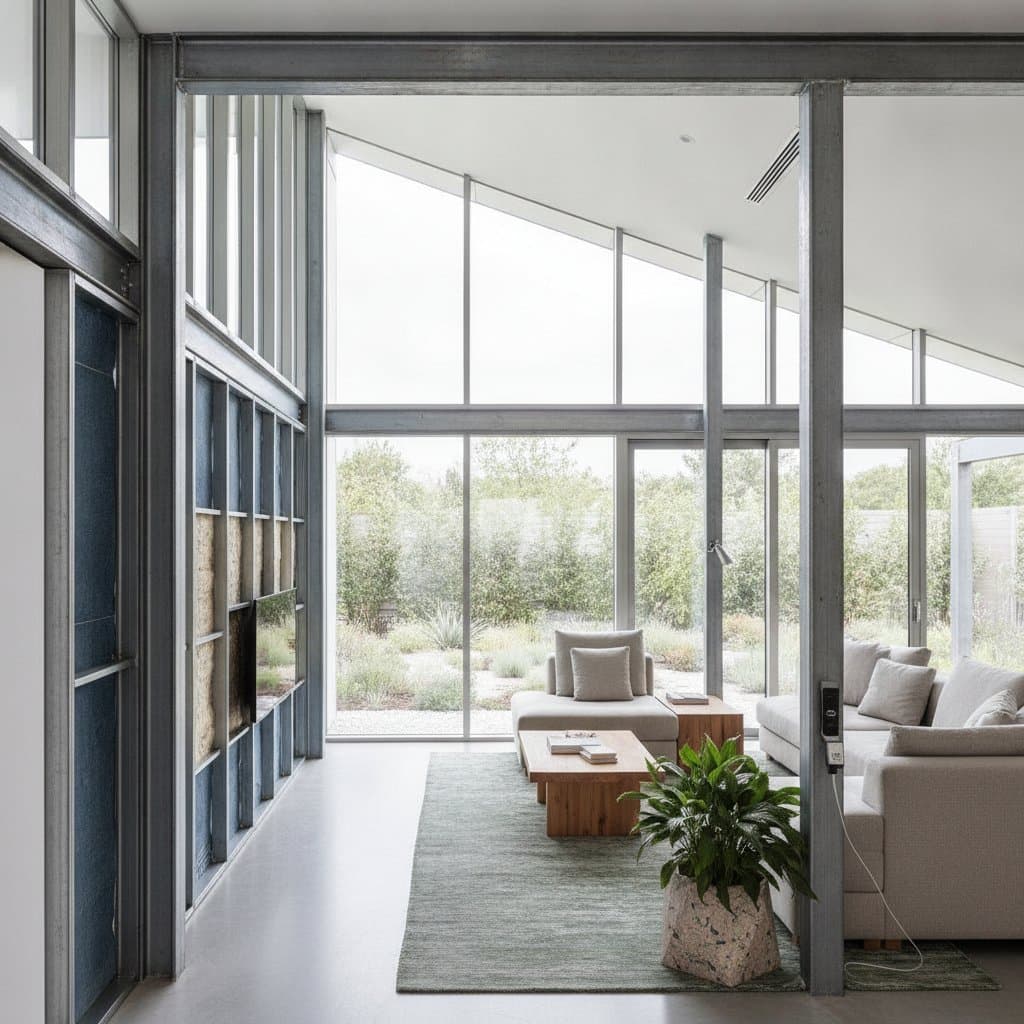
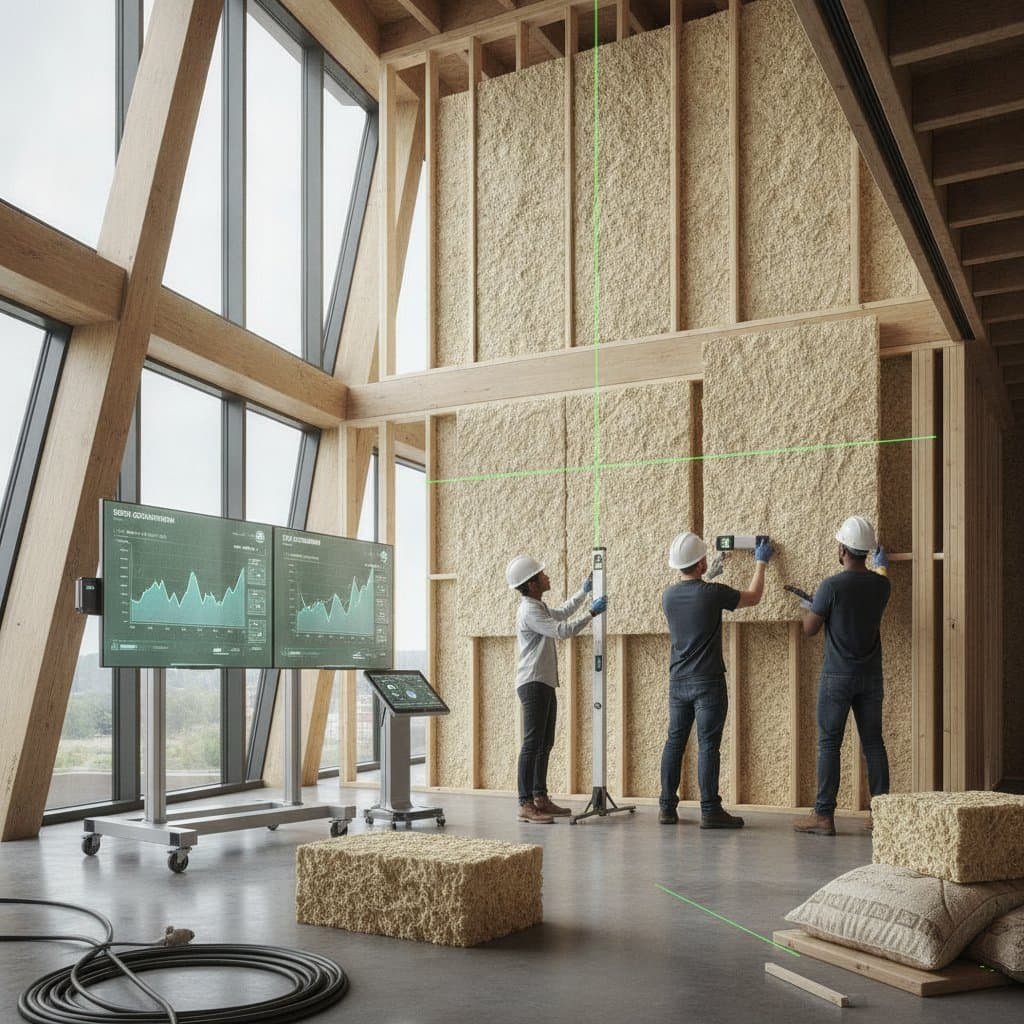
During construction, mix hempcrete on-site for freshness, casting it into forms around structural frames. Allow 4 to 6 weeks for curing, monitoring moisture to achieve full strength.
Post-installation, apply breathable finishes like clay plaster to complement the material's properties. Regular monitoring of indoor conditions confirms the system's effectiveness in delivering comfort and efficiency.
Choosing hempcrete commits to a resilient, low-impact home that aligns with global sustainability targets. It safeguards against environmental risks, optimizes resource use, and fosters well-being for occupants across decades.