Introduction to Mycelium Insulation
Homebuilders seek materials that balance performance, affordability, and environmental responsibility. Mycelium insulation emerges as a promising solution, grown from the filamentous roots of mushrooms rather than manufactured through energy-intensive processes. This approach utilizes agricultural byproducts, turning waste into a resource that supports greener construction practices.
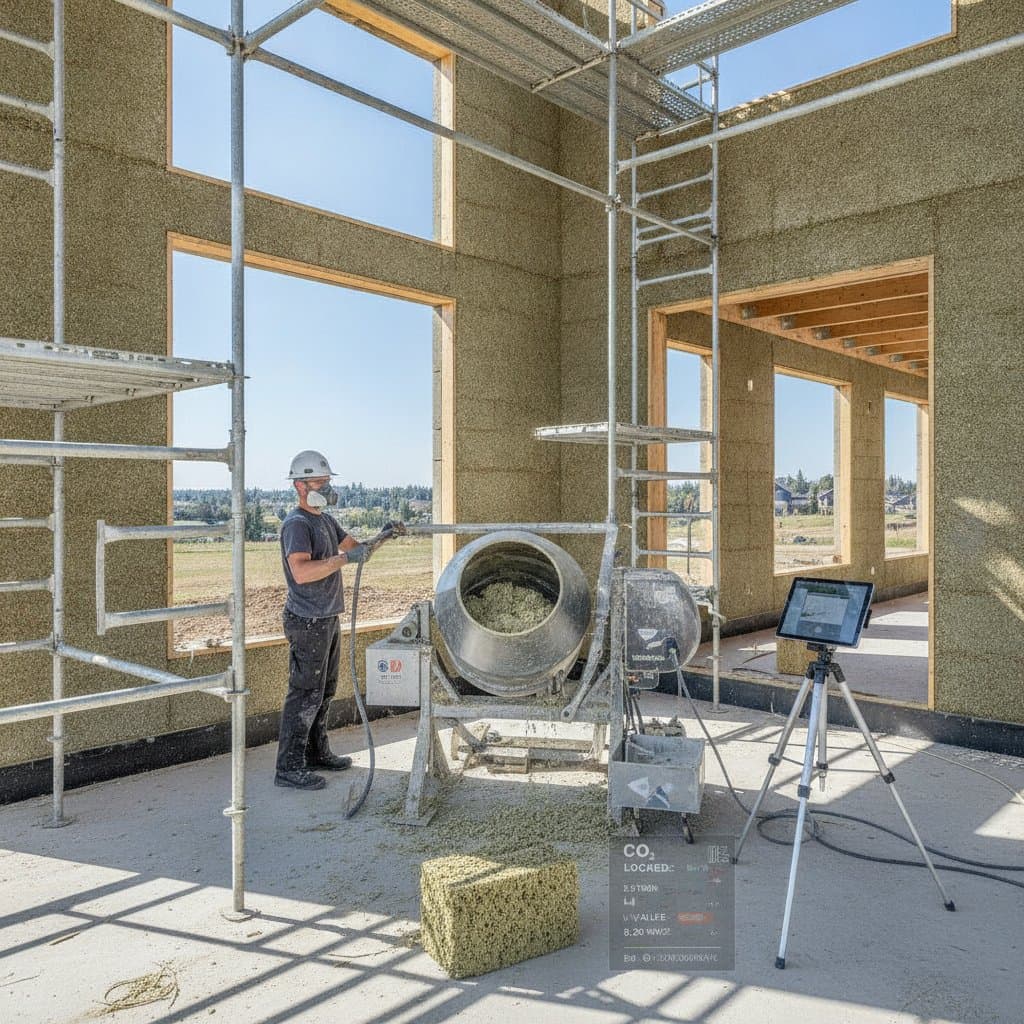
The material forms when mycelium networks bind substrates like straw or hemp hurds into solid panels. Once grown, the panels undergo a low-heat treatment to halt further development, resulting in a lightweight, versatile insulator. Builders appreciate its ability to integrate seamlessly into walls, roofs, and floors, contributing to structures that minimize ecological footprints.
The Production Process
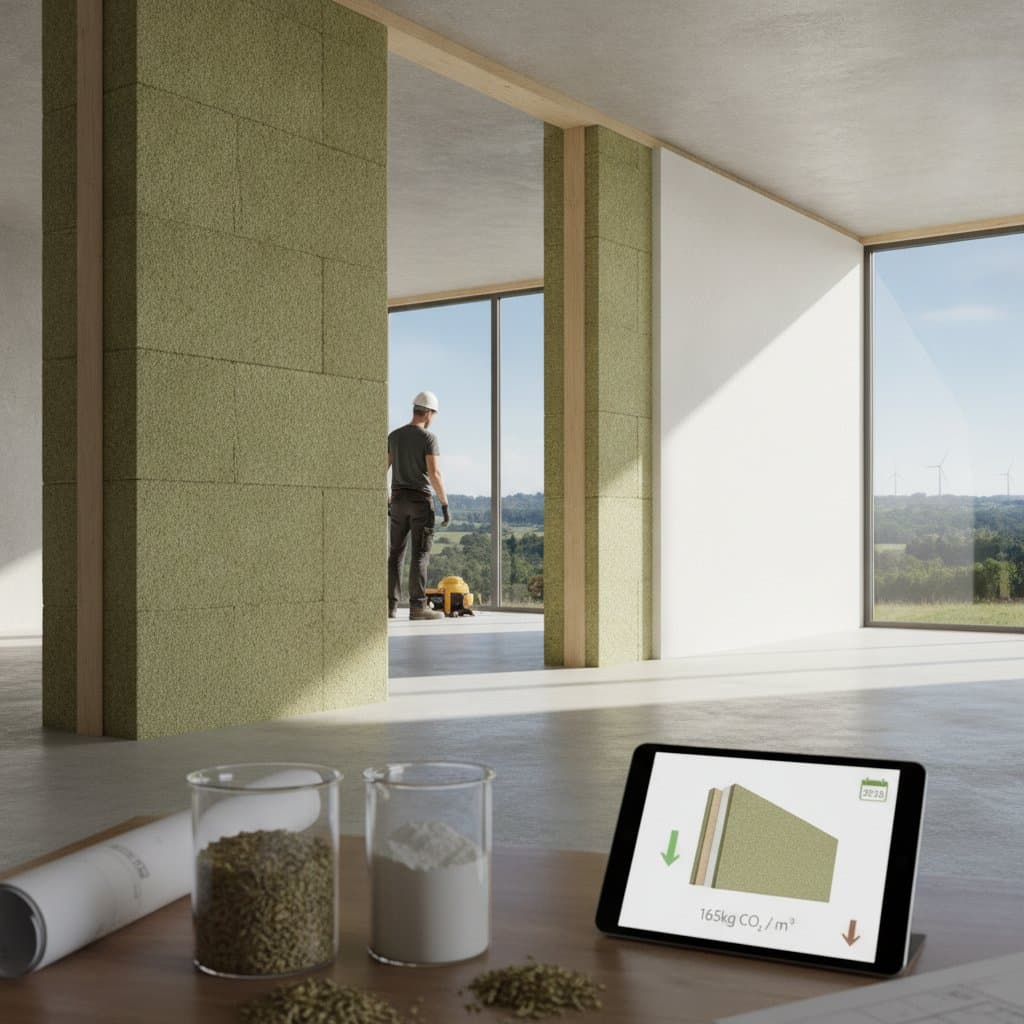
Producing mycelium insulation begins with selecting abundant agricultural waste. Farmers often discard crop residues such as corn stalks or sawdust, which serve as ideal nutrients for mycelium growth. In controlled environments, these substrates mix with mushroom spawn, allowing the mycelium to colonize and form a dense, interconnected matrix over several days.
This biological process requires minimal energy compared to producing foam or fiberglass insulation. After colonization, the material bakes at temperatures around 200 degrees Fahrenheit to kill the living fungi and stabilize the structure. The result yields rigid or flexible panels ready for installation, with production scalable from small labs to industrial facilities.
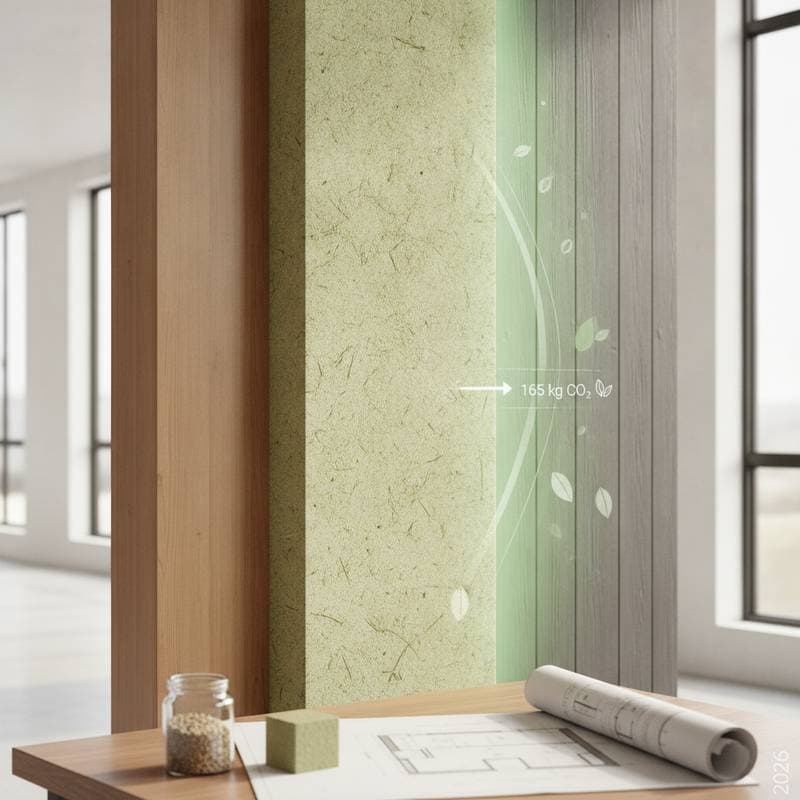
Homeowners benefit from this method because it repurposes waste that might otherwise decompose in landfills, releasing methane. Each panel effectively sequesters carbon during growth, locking away atmospheric CO2 in a stable form. This closed-loop system aligns with circular economy principles, reducing reliance on virgin materials.
Key Benefits for Sustainable Building
Mycelium insulation excels in thermal performance, achieving R-values between 2.5 and 3.5 per inch, similar to fiberglass batts. It maintains consistent insulation without settling or degrading over time, ensuring long-term energy efficiency. In cold climates, this translates to lower heating bills; in warmer regions, it aids cooling efforts by resisting heat transfer.
Fire resistance stands out as a major advantage. Unlike synthetic foams that melt or emit toxic fumes, mycelium chars slowly when exposed to flames, forming a protective barrier. Testing shows it meets Class A fire ratings, making it suitable for residential and commercial applications where safety is paramount.
The material also regulates moisture naturally. Its porous structure absorbs excess humidity and releases it when conditions dry, preventing mold growth common in traditional insulators. This property enhances indoor air quality, promoting healthier living environments without additional vapor barriers.
Sound absorption adds another layer of appeal. Mycelium panels dampen noise effectively, with noise reduction coefficients up to 0.8, outperforming many mineral wools. Urban homeowners find this particularly useful for creating quiet spaces amid city sounds.
Comparing to Traditional Insulation Materials
Traditional options like fiberglass or spray foam dominate the market due to low upfront costs and established supply chains. However, these materials rely on non-renewable resources and involve chemical binders that off-gas volatile compounds. Mycelium avoids such issues, offering a biodegradable alternative that decomposes harmlessly at the end of its life cycle.
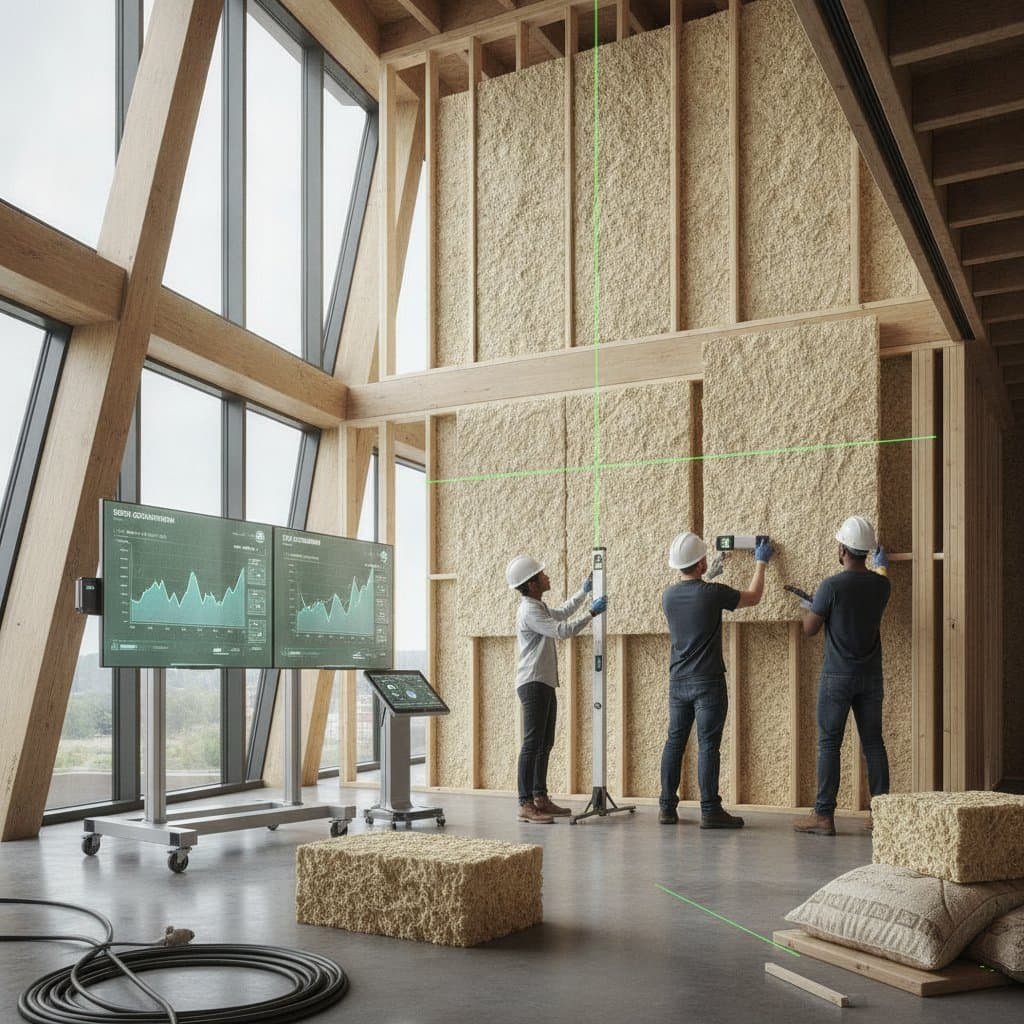
Installation differs slightly. While fiberglass requires protective gear to handle glass fibers, mycelium panels cut and fit like rigid foam boards, with no irritation to skin or lungs. Labor costs remain comparable, and the material weighs less, easing transport and handling on job sites.
Environmental impact provides the starkest contrast. Producing conventional insulation consumes significant fossil fuels and generates waste. Mycelium, by contrast, requires 90 percent less energy and diverts agricultural waste from disposal, lowering the carbon footprint of new homes by up to 20 percent in insulated assemblies.
Practical Applications in Home Construction
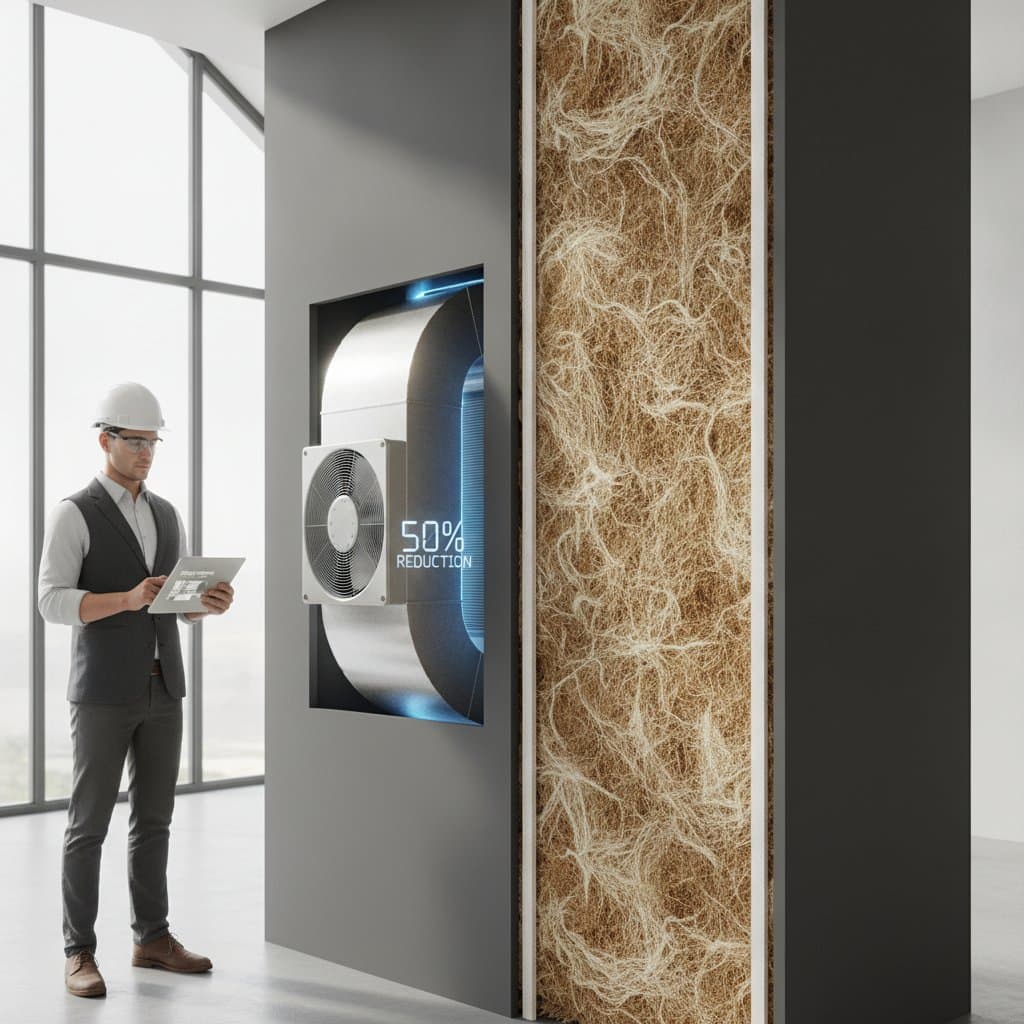
Architects incorporate mycelium insulation into various building types, from single-family homes to modular units. In wall assemblies, panels fit between studs, providing continuous insulation that reduces thermal bridging. Roof applications involve layering over decking, where the material conforms to irregular surfaces for optimal coverage.
Retrofits present another opportunity. Existing structures benefit from mycelium boards added to attics or crawl spaces, improving efficiency without major renovations. Contractors report straightforward integration with standard framing, allowing seamless upgrades to older homes.
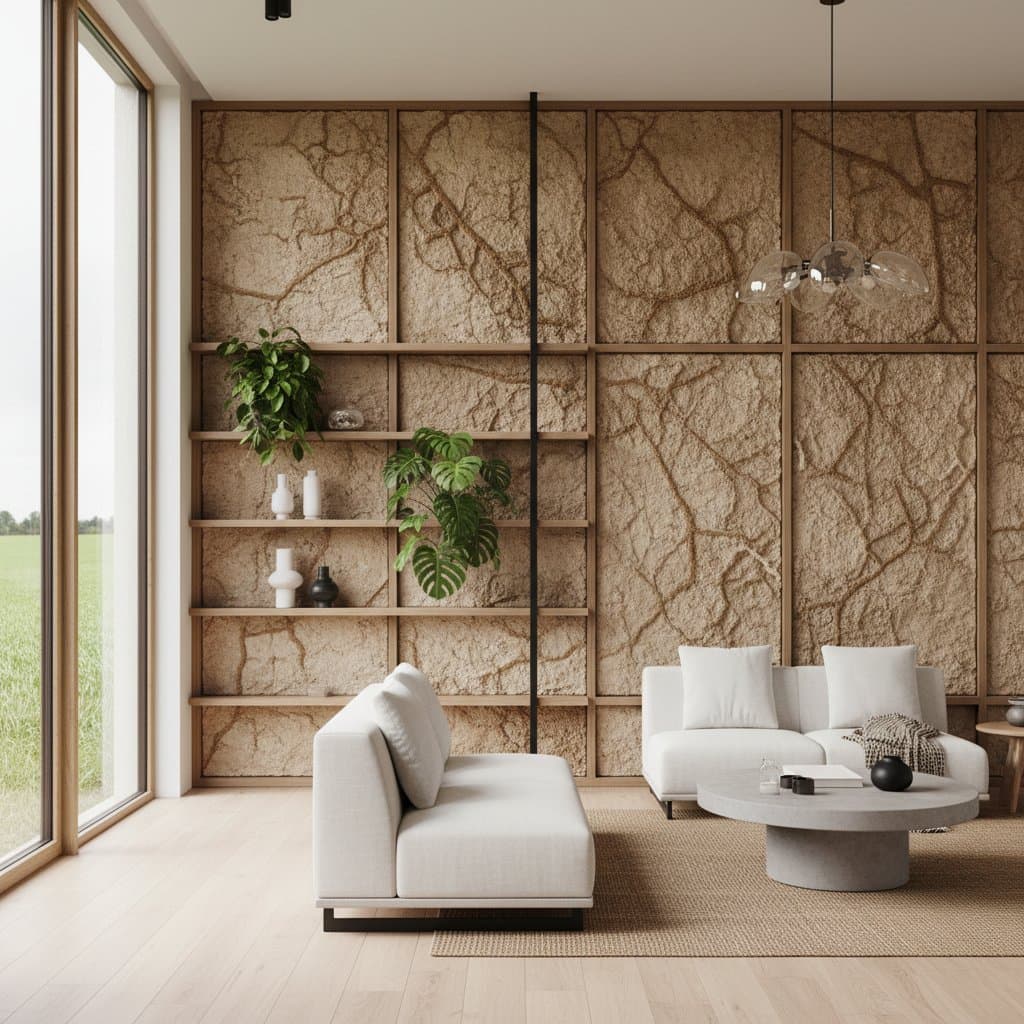
For off-grid or tiny homes, mycelium pairs well with other natural materials like reclaimed wood or cob. Its lightweight nature suits portable designs, while inherent pest resistance—due to antifungal properties—eliminates the need for chemical treatments. Builders experiment with custom shapes, molding panels around curves or openings for aesthetic and functional versatility.
Challenges and Solutions
Early adopters faced hurdles like higher initial costs, often double that of fiberglass. Recent advancements in automation and larger-scale production have reduced prices by 40 percent over the past five years. Subsidies for green building materials further bridge the gap, making mycelium accessible to average homeowners.
Durability concerns arise in humid environments, but enhanced formulations now include natural additives for water resistance. Long-term studies confirm the material maintains integrity for decades, with no significant loss in performance. Ongoing research focuses on optimizing growth conditions to accelerate production timelines.
Advancing Resilient, Eco-Friendly Homes
Mycelium insulation represents a shift toward biology-inspired design in construction. By leveraging nature's engineering, it enables homes that actively contribute to environmental health rather than deplete resources. Property owners gain not only reduced utility costs but also peace of mind from a safer, more sustainable structure.
As adoption grows, communities benefit from lower collective emissions and preserved agricultural lands. This innovation encourages a reevaluation of building practices, prioritizing materials that harmonize with ecosystems. The potential extends beyond residences to schools and offices, fostering widespread change in how societies construct their surroundings.