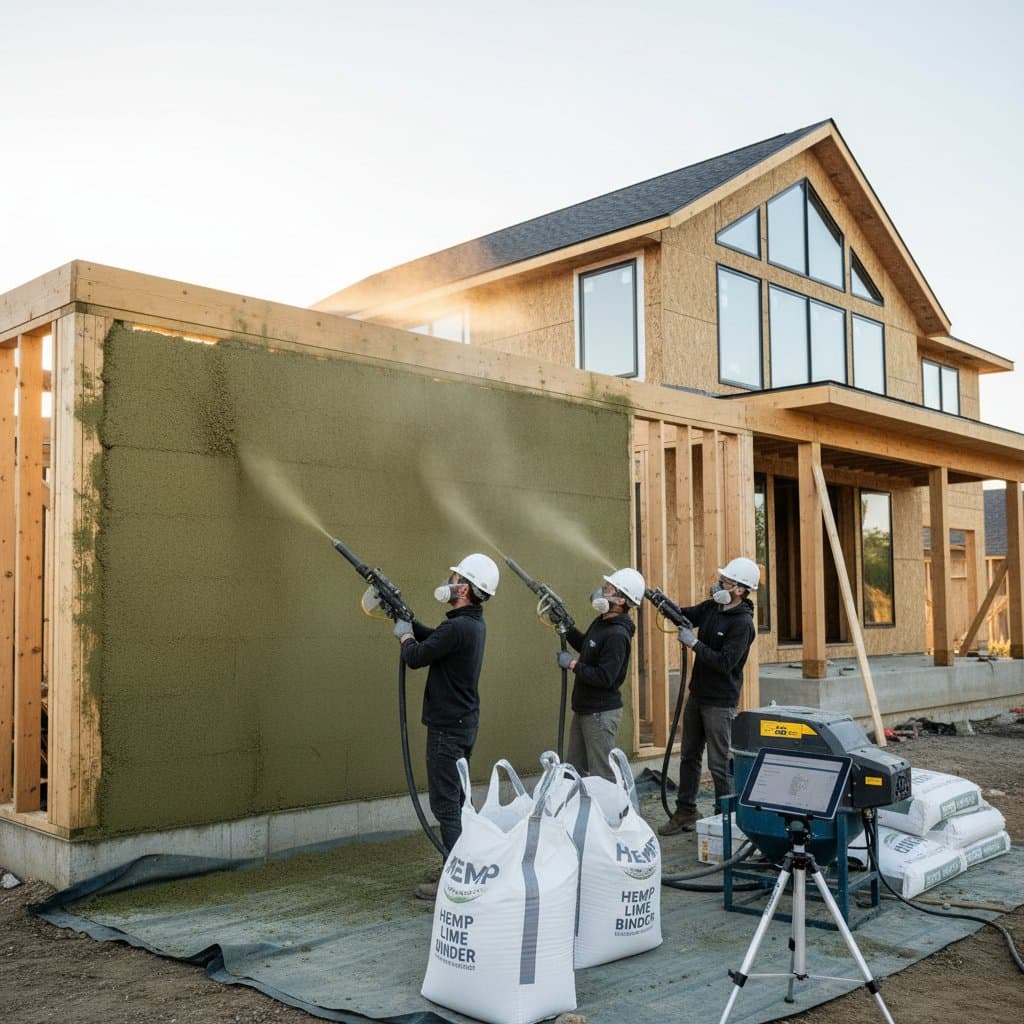
Hempcrete Walls: Eat Carbon, Slash Energy Bills by 2026
When you picture a building material that literally removes carbon from the air while keeping your home naturally comfortable, hempcrete might not be the first thing that comes to mind. Yet this humble blend of hemp, lime, and water is rewriting the rules of sustainable construction. Homeowners, architects, and developers are taking a closer look at hempcrete not just for its environmental benefits but also for its stunning performance in insulation and energy efficiency.
Key Points
- Hempcrete can sequester up to 110 kilograms of CO₂ per cubic meter, creating a carbon-negative building envelope.
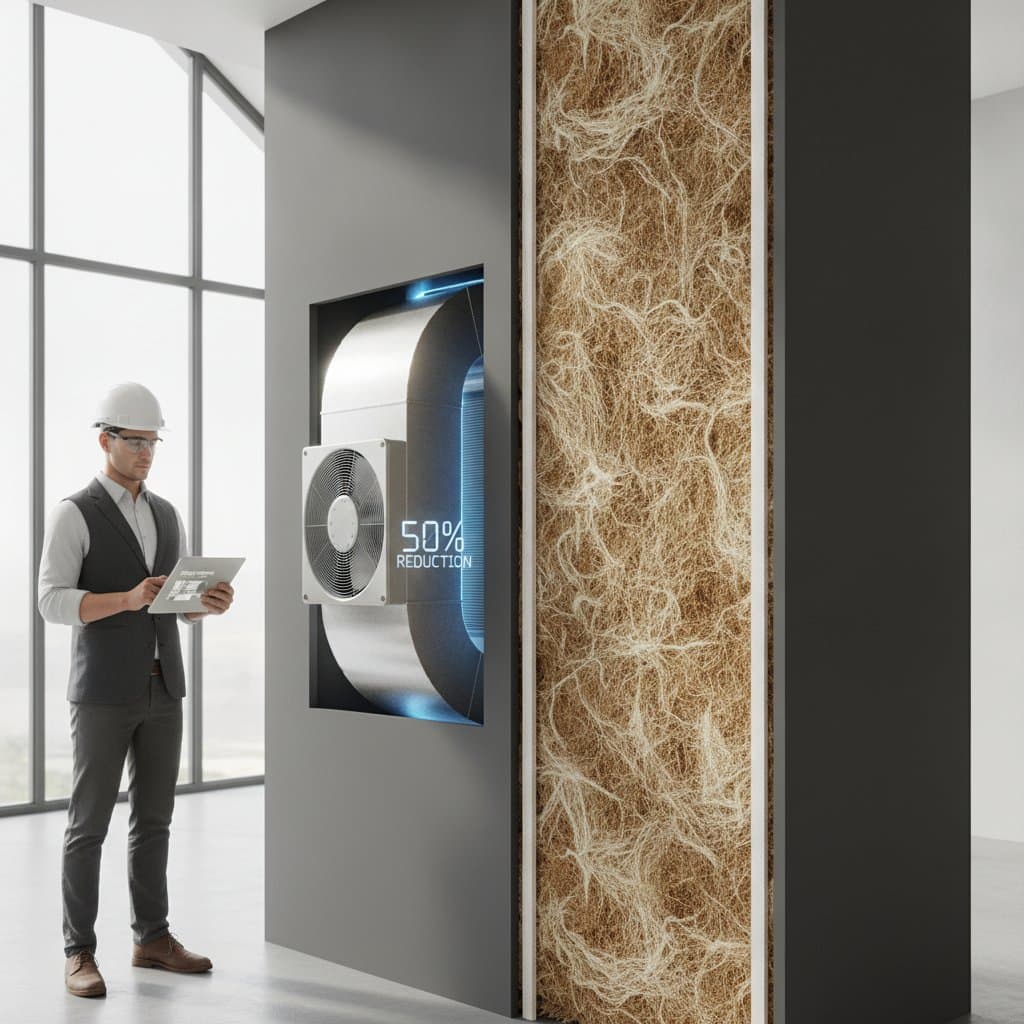
- Homes insulated with hempcrete typically reduce heating and cooling energy use by 30 to 50 percent.
- The material is fire-resistant, breathable, and mold-proof, improving both safety and indoor air quality.
- While initial installation costs can be 10 to 15 percent higher than conventional insulation, long-term energy savings often deliver payback within 7 to 10 years.
- Builders expect hempcrete homes to qualify for green building incentives and low-carbon construction credits in growing numbers by 2026.
Understanding Hempcrete’s Carbon-Sequestering Power
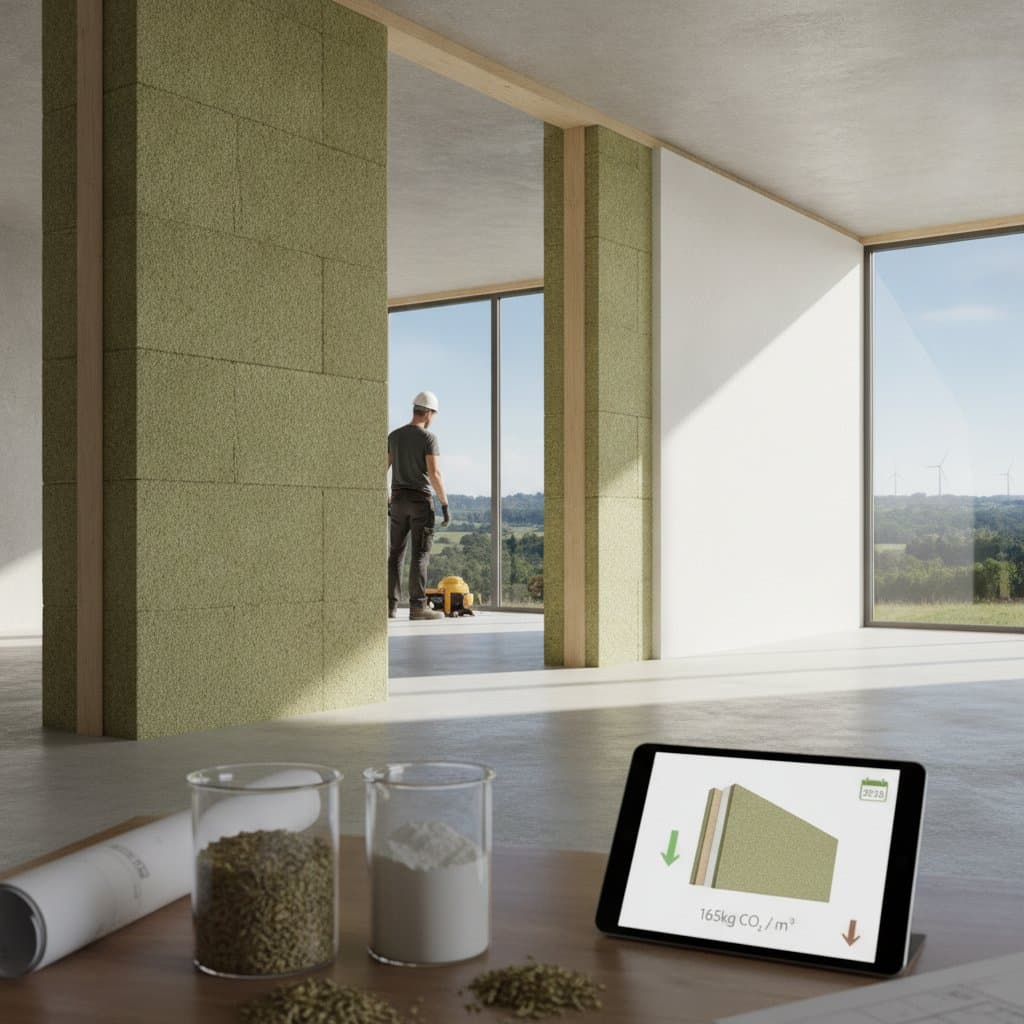
Hempcrete’s environmental performance begins with hemp’s remarkable biology. Industrial hemp grows rapidly, reaching maturity within a few months. During that time, it absorbs large quantities of carbon dioxide from the atmosphere. When the woody core of the hemp stalk, known as the shiv, is mixed with lime and water, that captured carbon remains locked in the finished wall material.
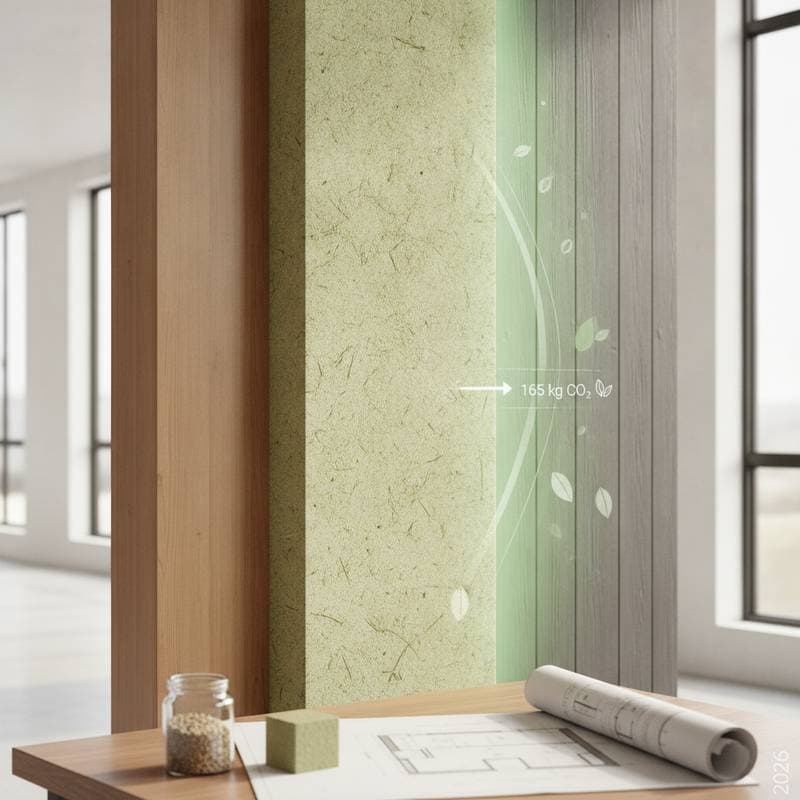
According to research from European building institutes, hempcrete continues to store carbon throughout its lifetime. The lime binder even reabsorbs CO₂ as it cures, amplifying the carbon storage capacity. This dual mechanism makes hempcrete one of the few materials that can actively reduce the total carbon footprint of a building rather than simply minimizing it.
The result is a wall system that performs like a living carbon sink. For builders aiming to meet net-zero or carbon-negative goals, hempcrete represents a rare opportunity to achieve measurable results without sacrificing comfort or aesthetics.
Comfort and Energy Efficiency in Everyday Living
Beyond its carbon benefits, hempcrete offers practical comfort advantages that homeowners notice immediately. The material’s porous structure allows walls to regulate temperature and humidity naturally. Unlike rigid foams or fiberglass insulation, hempcrete breathes, maintaining a steady indoor environment that feels fresher and more stable.
Studies from sustainable building labs show that hempcrete’s thermal mass helps moderate temperature swings. In winter, walls store heat and release it slowly, reducing reliance on heating systems. During summer, they keep interiors cooler by limiting heat transfer. This thermal buffering can cut energy use for climate control by nearly half in some moderate climates.
Acoustically, hempcrete walls also provide excellent sound absorption, creating quieter indoor spaces. For homeowners near busy streets or in multi-unit buildings, that noise reduction can be a meaningful quality-of-life improvement.
Table: Hempcrete vs Conventional Insulation
| Feature | Hempcrete | Fiberglass | Spray Foam |
|---|---|---|---|
| Carbon Footprint | Carbon-negative | Moderate | High |
| Thermal Regulation | Excellent | Good | Very good |
| Breathability | High | Low | Very low |
| Fire Resistance | High | Moderate | Moderate |
| Mold Resistance | Excellent | Poor | Fair |
| Estimated Energy Savings | 30–50% | 10–20% | 20–30% |
Cost, Value, and Return on Investment
One of the most frequent concerns among homeowners is cost. Hempcrete construction can require a higher initial outlay due to the specialized materials and labor needed for mixing and casting. A typical hempcrete wall system might cost 10 to 15 percent more than standard insulation.
Yet when analyzed over time, hempcrete’s energy savings and durability often outweigh the upfront expense. Reduced utility bills, lower maintenance costs, and the extended lifespan of the walls all contribute to long-term value. A well-designed hempcrete home can deliver a return on investment of roughly 6 to 10 percent annually when energy savings are factored in.
As more suppliers and contractors enter the market, material prices are expected to drop. Several regional governments already offer rebates or credits for bio-based construction materials, and hempcrete is often eligible for these incentives. By 2026, experts predict that hempcrete will move from niche to mainstream as part of broader low-carbon building programs.
Practical Tips for Builders and Homeowners
Adopting hempcrete successfully requires attention to a few practical details. Proper curing and moisture management are essential to achieve the best structural and thermal performance. Builders should ensure that the lime binder is mixed precisely and that walls dry slowly to develop full strength.
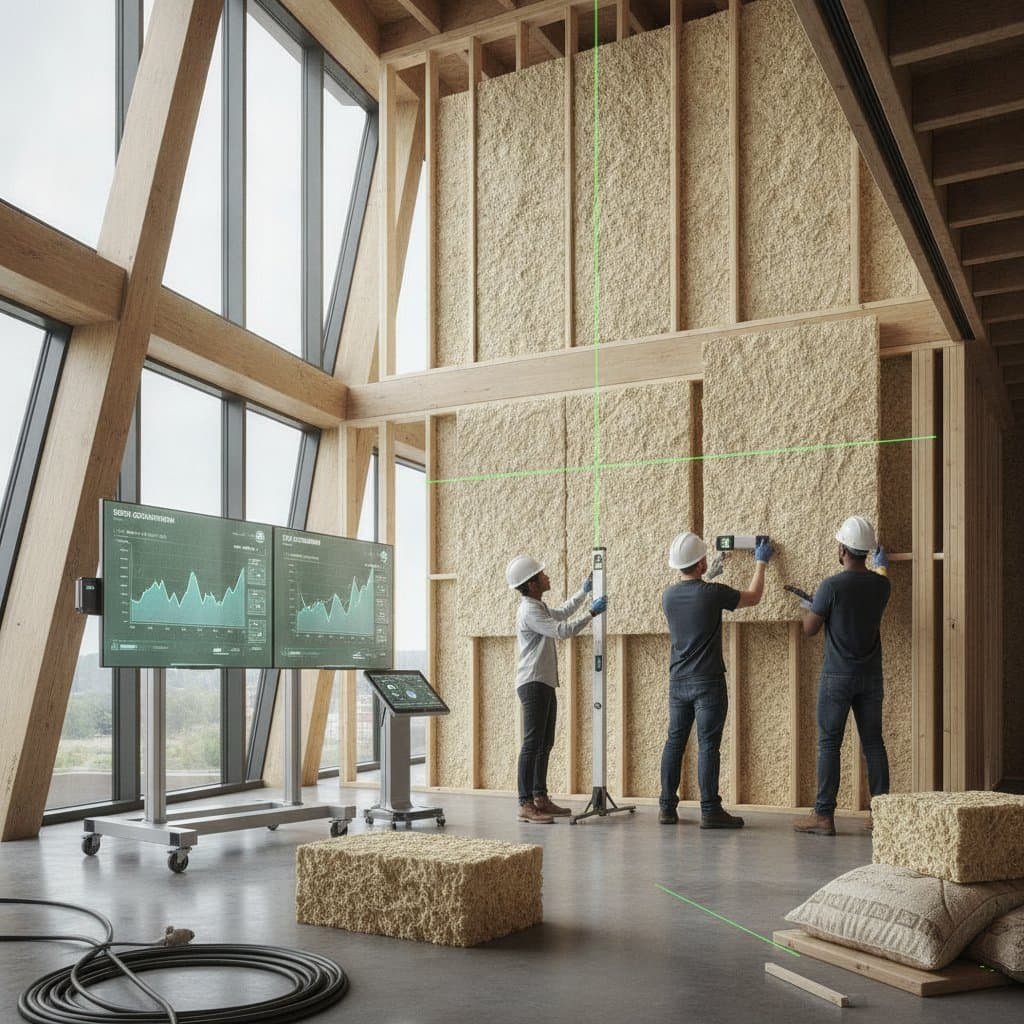
For retrofits, hempcrete can be used as an internal insulation layer applied over existing masonry or timber structures. Prefabricated hempcrete panels are also gaining popularity for faster installation and consistent quality control.
Homeowners considering hempcrete should work with contractors experienced in bio-based materials. Certification programs for sustainable builders are expanding, and many now include hempcrete installation training. Choosing certified professionals ensures that the project meets both safety and performance standards.
Step-by-Step Overview for a Hempcrete Wall Build
- Prepare the Frame – Use timber or hybrid framing with breathable finishes.
- Mix Components – Combine hemp shiv, lime binder, and water in the correct ratio.
- Form and Pour – Place the mixture into wall forms and tamp gently for even density.
- Cure and Dry – Allow natural curing, maintaining airflow to prevent moisture pockets.
- Finish Surfaces – Apply lime plaster or mineral-based paint for breathable finishes.
This sequence results in a wall system that is both energy-efficient and environmentally regenerative.
Industry Voices and Expert Insight
Architectural sustainability consultant Maria Jensen said, “Hempcrete is not just another green building trend. It is one of the only materials that creates a positive carbon balance over its life cycle.” Her firm has documented measurable energy reductions in every hempcrete project completed over the past decade.
Similarly, environmental engineer David Lin of the BioConstruct Institute said that hempcrete’s performance “matches or exceeds conventional materials across almost every category of sustainability assessment, particularly in embodied carbon and thermal comfort.”
These endorsements underline what builders are discovering on the ground. Hempcrete combines the tactile warmth of natural materials with measurable efficiency gains, offering a rare combination of ecology and comfort.
Moving Toward a Carbon-Positive Future
For homeowners, architects, and developers pursuing sustainability, hempcrete represents more than a material choice. It is part of a fundamental rethinking of how buildings interact with the environment.
You can start small with a single room retrofit or commit to a full-scale new build. Either way, you will be contributing to a growing movement toward buildings that not only minimize harm but actively repair the planet.