Key Benefits of Mycelium Insulation
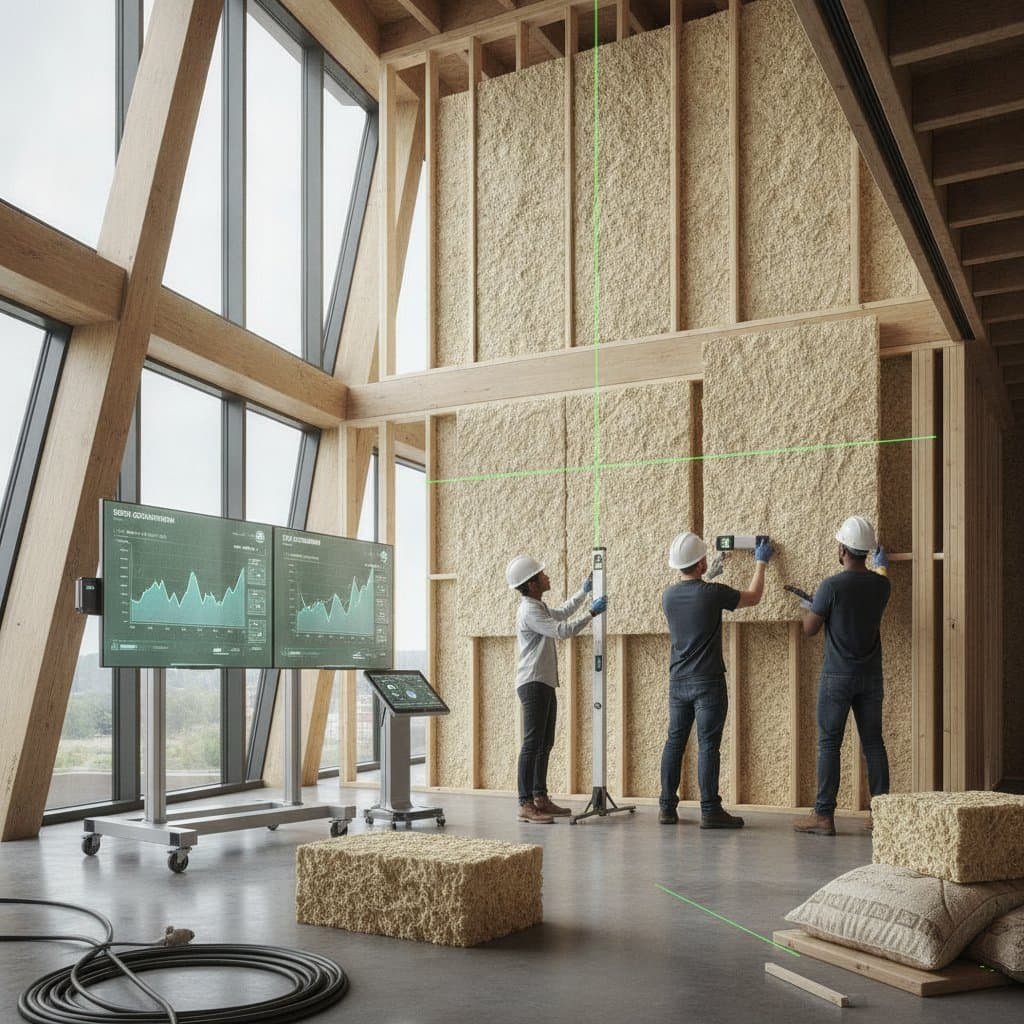
Mycelium insulation, derived from the root-like structure of fungi, serves as a biodegradable and low-carbon substitute for conventional materials. This natural product regulates moisture levels, withstands fire, and delivers effective thermal and acoustic insulation without relying on synthetic chemicals. Although initial expenses exceed those of standard options, the material generates savings through enhanced energy performance and reduced environmental impact over time. Builders and homeowners can shape it into panels, blocks, or bespoke forms for applications in walls, roofs, and floors during new constructions or renovations. Grasping its manufacturing process, operational attributes, and full lifecycle advantages empowers informed choices in adopting bio-based building solutions.
The Importance of Mycelium Insulation in Modern Building
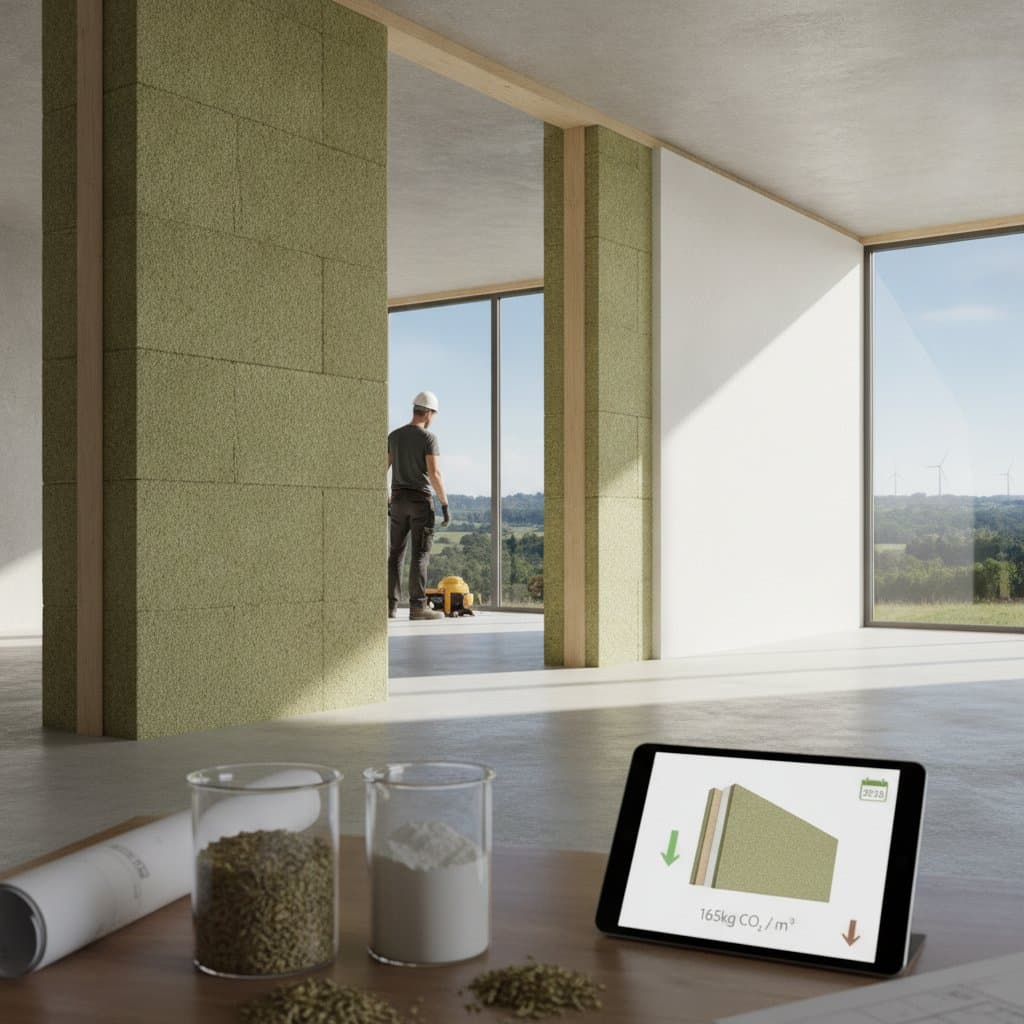
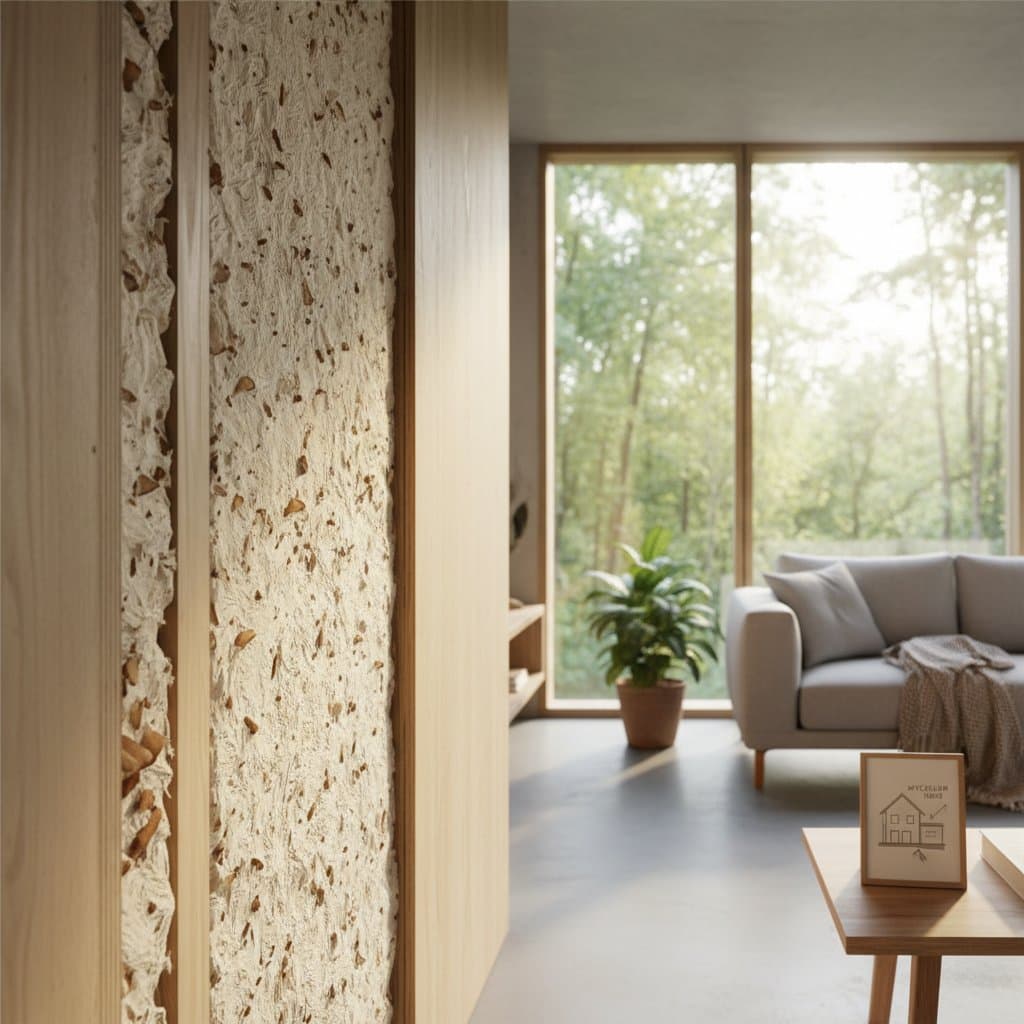
Conventional insulation options, including polystyrene and mineral wool, demand substantial energy during manufacturing and frequently contribute to persistent landfill waste. In contrast, mycelium insulation achieves complete biodegradability by utilizing agricultural residues such as corn stalks or hemp hurds as substrates. The mycelium network permeates this base material, forming a compact yet lightweight structure that, once dehydrated, exhibits strong resistance to moisture, reliable insulation properties, and inherent fire resistance.
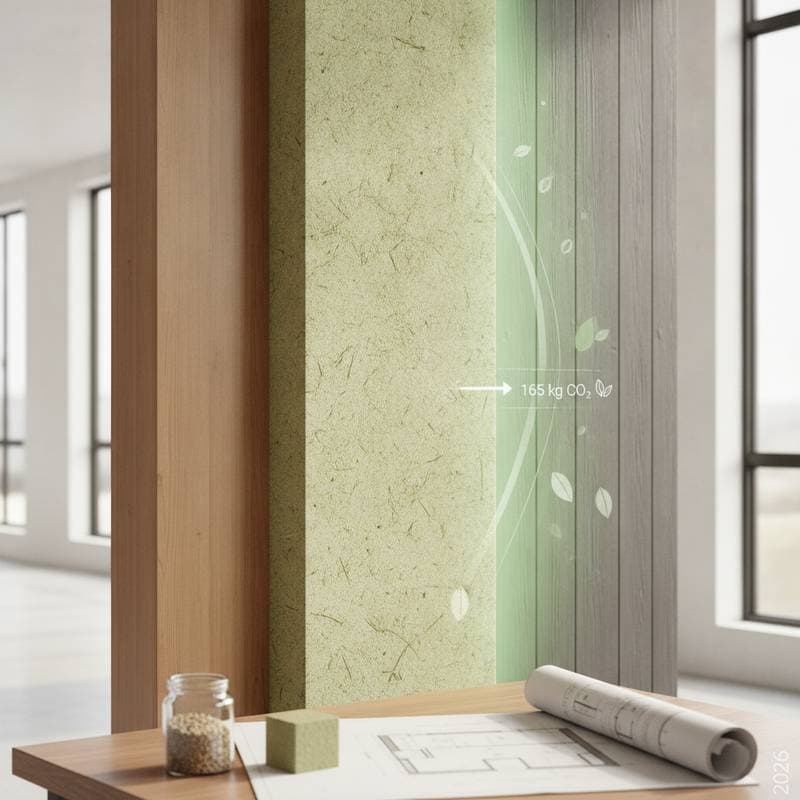
These attributes yield notable environmental and economic gains. Production involves minimal heat and processing, thereby lowering embodied energy. The growth phase sequesters carbon, which helps mitigate overall emissions. Indoor environments benefit from the absence of formaldehyde, volatile organic compounds, or microfibers. At the conclusion of its use, the material decomposes safely through composting, avoiding waste accumulation.
Homeowners gain access to purer indoor air, reduced expenses for heating and cooling, and the assurance that their building components integrate into natural ecological processes rather than overburdening disposal sites.
Analyzing Costs and Return on Investment
As an innovative product gaining traction, mycelium insulation exhibits price variability across markets. Estimates suggest it costs 15 to 25 percent more than equivalent amounts of fiberglass or cellulose insulation. Evaluating the full expense requires consideration of extended-term factors beyond immediate outlays.
Initial Expenses
Material pricing tends to run higher owing to constrained production scales and fewer suppliers. Installation parallels that of traditional batts or panels, although bespoke adaptations might elevate labor requirements modestly. The product's lightweight nature offsets some shipping costs, yet its volume can affect delivery fees depending on location.
Ongoing Financial Advantages
Superior energy efficiency, coupled with consistent thermal regulation, may lower yearly heating and cooling expenditures by 10 to 20 percent, varying by regional climate and household patterns. The material endures without succumbing to pests and maintains integrity better than certain plant-derived alternatives. Health-related benefits arise from the lack of chemical irritants, potentially alleviating allergies and enhancing air purity.
Individuals prioritizing ecological responsibility and occupant wellness view these elements as integral to fortifying property durability and quality of life. Across a standard homeownership span of 20 to 30 years, return on investment often reaches 70 to 90 percent, especially when paired with solar installations or advanced airtight envelopes.
Core Sustainable Attributes and Performance Enhancements
Mycelium insulation aligns seamlessly with the expansion of bio-based construction practices, which focus on renewable inputs, diminished carbon footprints, and comprehensive lifecycle assessments.
Full Lifecycle Assessment
The environmental impact remains minimal from inception through decommissioning. Manufacturing repurposes agricultural discards that would otherwise face incineration or burial, extending their utility. Upon removal from service, the material naturally degrades, enriching soil with essential nutrients in a matter of months.
Promoting Indoor Health
Synthetic counterparts often release gases or particles gradually, compromising air quality. Mycelium insulation circumvents such concerns through its composition of organic fibers unified by fungal binding. Users report noticeably fresher atmospheres in treated spaces, with reduced stagnation and irritation risks.
Inherent Fire Safety
The chitin-rich composition of fungal cell walls imparts natural resistance to flames, inhibiting ignition and curbing propagation. This property lessens reliance on additional treatments while complementing required fire-stopping measures, outperforming many petroleum-derived foams in risk reduction.
Sound Absorption Capabilities
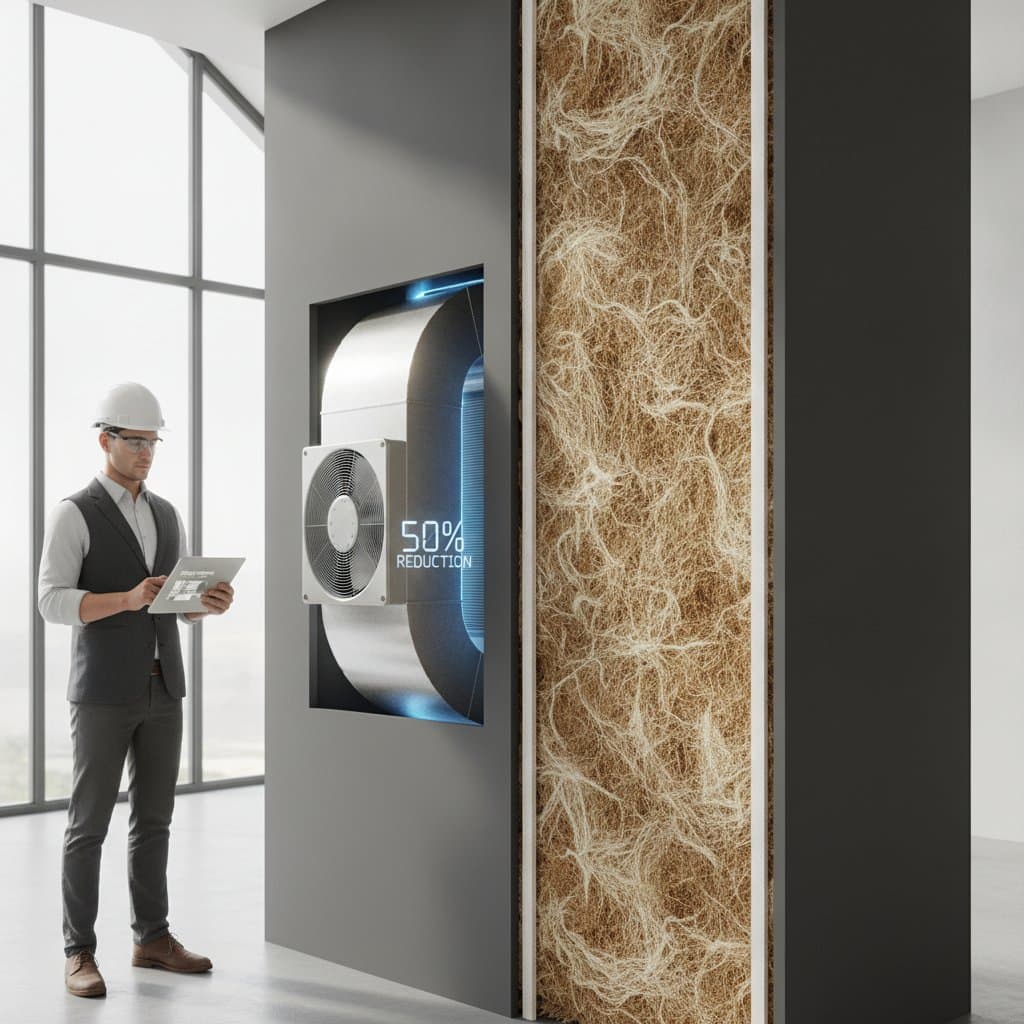
Its dense, fibrous texture excels at dampening noise, making it ideal for open-plan residences or multi-unit dwellings. Integration into walls or ceilings can markedly elevate auditory seclusion, fostering quieter living environments.
Common Questions About Mycelium Insulation
What Defines Mycelium?
Mycelium constitutes the subterranean network of fungal roots, which expands into organic substrates to create a cohesive, sturdy matrix. After drying, this forms a lightweight, durable, and thermally effective material suitable for insulation purposes.
What Is the Expected Durability?
Properly installed and shielded from prolonged wetness, mycelium insulation endures for several decades. Its resistance to insects and mold positions it comparably to other organic options like straw bales or hempcrete.
Does It Suit Those with Allergies or Breathing Concerns?
Affirmative. The absence of artificial adhesives or irritating particulates ensures compatibility. Post-drying, the fungal elements cease activity, eliminating spore emission or sensitization risks.
Is DIY Installation Feasible?
For modest endeavors, such as insulating sheds or non-load-bearing partitions, prefabricated panels support self-installation. Larger-scale or structural projects necessitate expert involvement to address moisture control and adhere to building regulations.
How Does It Stack Up Against Spray Foam?
Spray foam achieves greater insulating value per unit thickness but depends on fossil fuel derivatives and poses disposal challenges. Mycelium offers a wholly organic profile, easier handling, and superior sustainability, albeit potentially demanding increased thickness for equivalent R-values.
What Occurs Upon Decommissioning?
Discarded sections integrate into compost piles or serve as ground cover. Natural breakdown completes in months, yielding nutrient-rich matter without toxic remnants.
Steps to Integrate Mycelium Insulation into Your Project
To adopt mycelium insulation, start by assessing your building's needs through consultation with certified sustainable architects or contractors experienced in bio-materials. Source products from reputable producers emphasizing low-waste growth methods, and verify compatibility with local codes for fire and structural standards. During installation, prioritize vapor barriers to safeguard against excess humidity, ensuring optimal performance. Track energy use post-completion to quantify savings, and plan for future composting to close the sustainability loop. This approach not only enhances comfort but also advances broader goals of regenerative design.