Key Points
- Hempcrete walls integrate insulation, structural support, and carbon sequestration within a single material.
- Installation costs for hempcrete range from moderate to premium levels, but energy efficiency and extended durability often deliver substantial long-term savings.
- Hempcrete fosters healthier indoor environments through natural humidity control and a composition free of toxins.
- Homeowners may incorporate hempcrete selectively in remodels or apply it comprehensively in new builds to achieve optimal results.
Understanding the Challenge and Opportunity
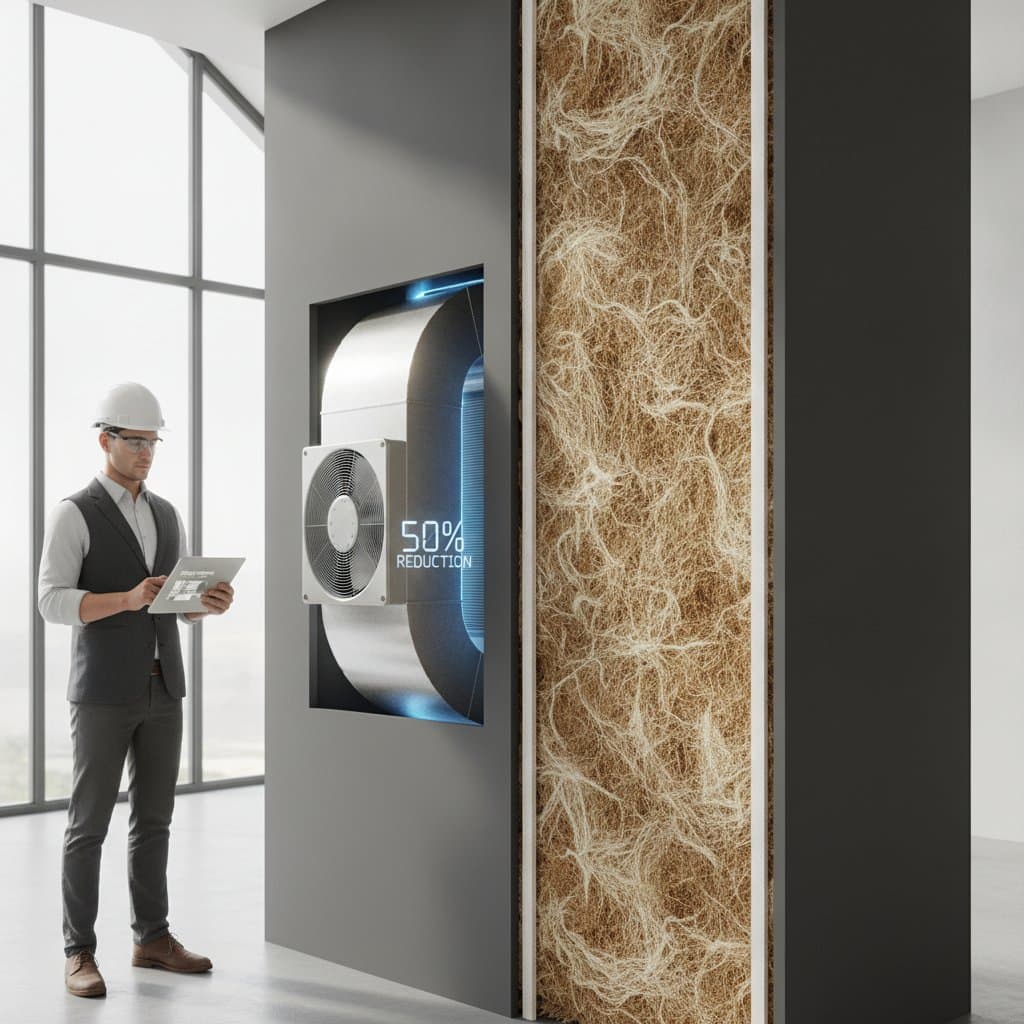
Homeowners seek homes that provide comfort, efficiency, and environmental responsibility. The materials selected for construction and insulation largely influence energy consumption, indoor air quality, and structural longevity. Hempcrete emerges as a bio-based solution, crafted from hemp hurd, lime, and water. This material excels as a thermal insulator, moisture regulator, and carbon-sequestering element that gains strength over time.
Hempcrete addresses key limitations of conventional options. Unlike materials derived from petrochemicals, it promotes sustainability from production through use. Builders and architects increasingly recognize its potential to transform residential projects into models of eco-friendly design.
Financial and Environmental Benefits of Hempcrete
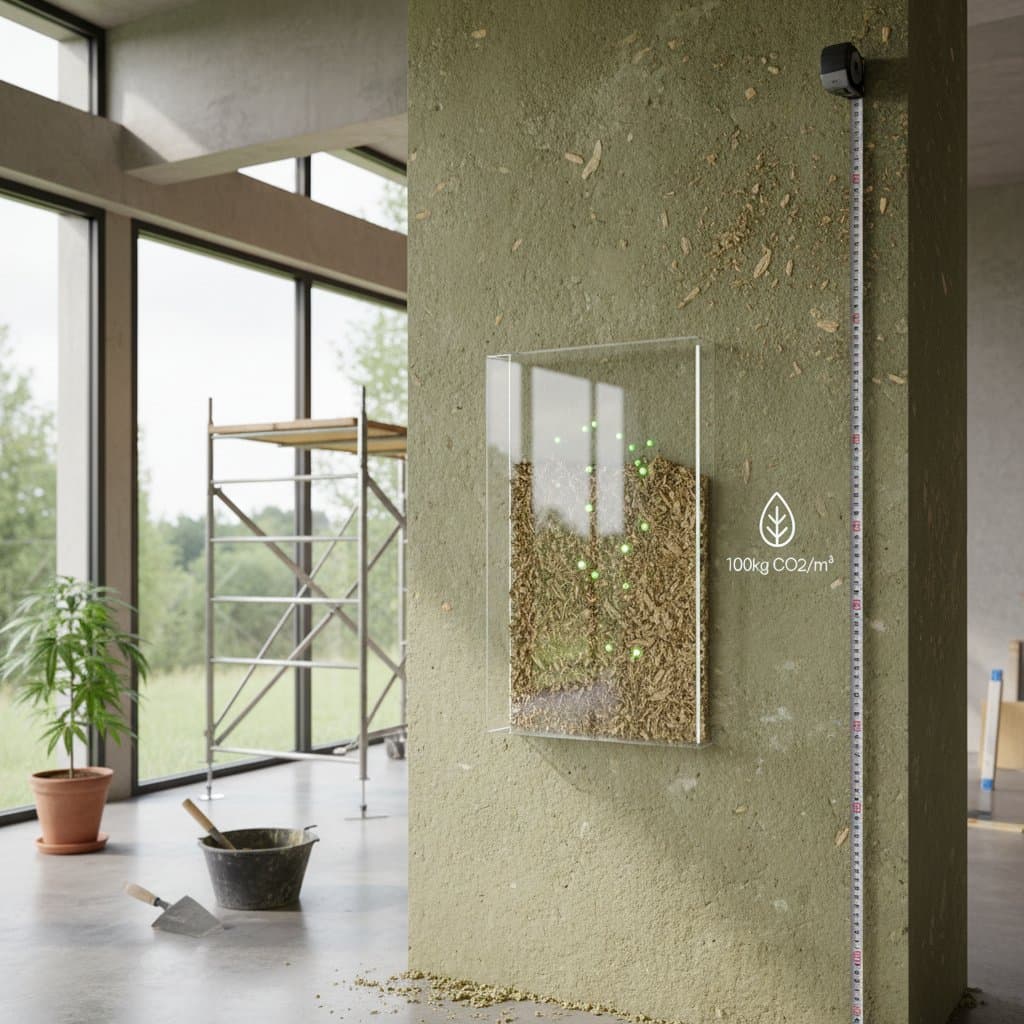
Standard insulation like fiberglass or foam effectively limits heat transfer but depends on non-renewable resources and may release emissions over time. Hempcrete sequesters carbon throughout the building's lifespan. One cubic meter captures approximately 100 kilograms of carbon, helping achieve a net-negative environmental impact. The lime binder further absorbs carbon during the curing process, extending sequestration beyond installation.
These attributes yield financial advantages. Structures with reduced emissions and enhanced living conditions often attract higher resale values. Replacing traditional insulation with hempcrete typically results in energy savings of 20 to 40 percent for heating and cooling. Although initial costs vary by region and labor, many projects recover expenses within 7 to 10 years through lower utility bills.
Hempcrete also minimizes maintenance demands. Its resistance to degradation reduces repair needs, preserving value over decades. For budget-conscious owners, these factors position hempcrete as a prudent choice for both immediate and future gains.
Insights into Construction Practices
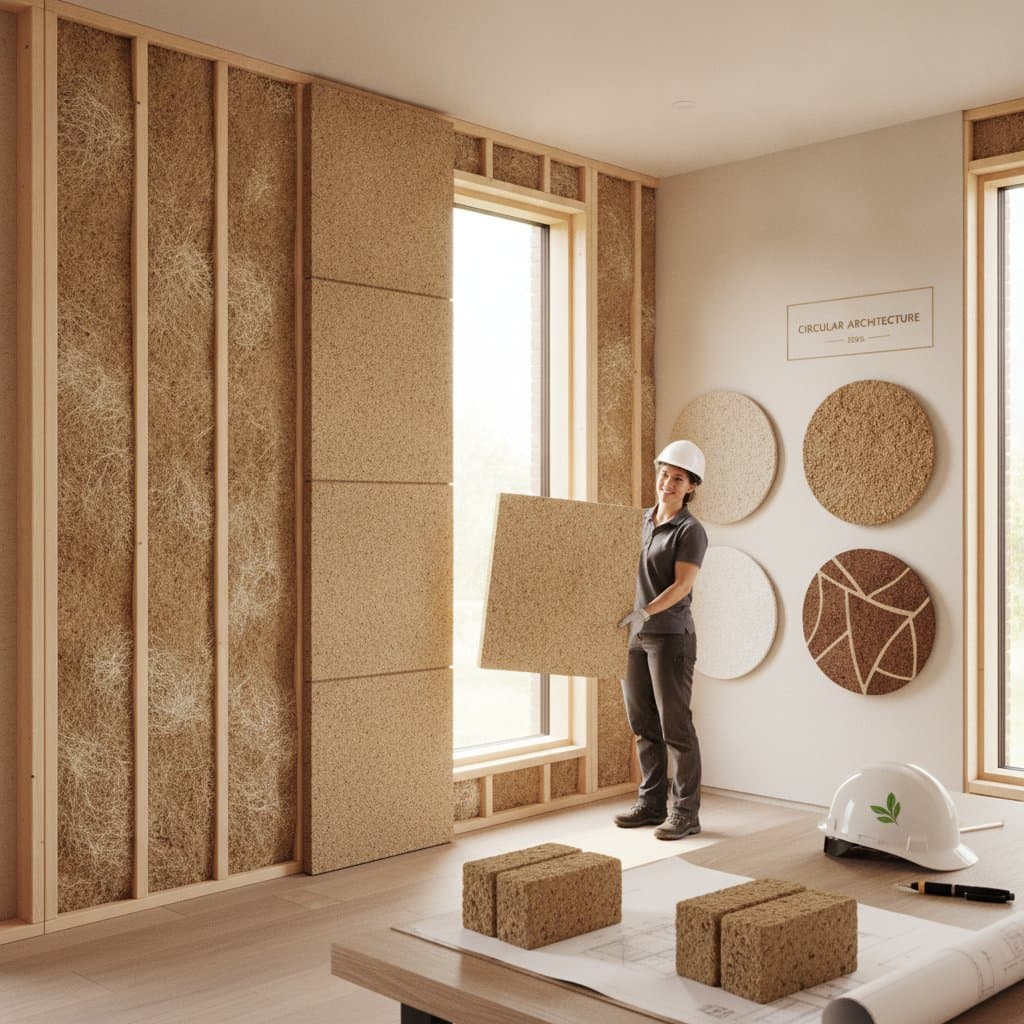
Hempcrete serves as an infill material rather than a standalone structural element like concrete. It pairs effectively with timber or steel frames to form robust walls. Professionals experienced in lime plasters and mortars transition easily to hempcrete techniques. Application methods include casting in place, spraying, or fabricating into blocks.
The material requires a longer drying period compared to synthetics, but the outcome is a breathable assembly resistant to mold, pests, and moisture. Industry advancements have stabilized the supply chain, ensuring reliable mixes that satisfy standards for fire resistance, vapor permeability, and compressive strength.
Architects value hempcrete's adaptability. It conforms to irregular spaces, suits internal retrofits, or supports complete wall systems in new constructions. This versatility allows tailored solutions for diverse project scales.
Actionable Guidance for Homeowners
- Engage certified professionals for installation, as precise curing and density ensure peak performance.
- Pair hempcrete with compatible finishes like lime or clay plasters to preserve breathability and prevent moisture buildup.
- Review local building codes, which may necessitate extra approvals for alternative materials.
- Incorporate passive strategies, such as optimal solar orientation and natural ventilation, to enhance hempcrete's thermal regulation.
Enhancements to Health and Comfort
The porous structure of hempcrete naturally balances indoor humidity, holding relative levels between 45 and 55 percent without relying on mechanical systems. This equilibrium mitigates respiratory issues, protects wood components, and curbs mold development. Free of synthetic additives or volatile chemicals, hempcrete promotes superior air quality.
Residents often report a serene atmosphere with stable temperatures and reduced noise. In regions with extreme weather variations, hempcrete stabilizes interiors, limiting condensation and thermal losses. Its lime-based composition delivers inherent fire resistance, bolstering safety beyond typical insulation capabilities.
These qualities extend to everyday well-being. Families benefit from fewer allergens and consistent comfort, making hempcrete ideal for sensitive households or long-term living spaces.
Emerging Market Dynamics and Long-Term Advantages
Analysts forecast rising demand for carbon-negative materials amid stricter energy regulations and heightened public interest in sustainability. Hempcrete aligns seamlessly with these shifts, providing enduring performance that outlasts traditional options. Its lifespan reduces the frequency of replacements, curbing waste and expenses.
Prospective buyers prioritize eco-responsible features and low upkeep. Hempcrete's renewability shields against fluctuating energy costs and evolving codes. Properties enhanced with this material appeal to forward-looking investors, enhancing portfolio stability.
As production scales, accessibility improves. Homeowners today can leverage hempcrete to future-proof their investments, blending innovation with practicality.
Steps to Implement Hempcrete in Your Project
Begin by consulting architects or builders versed in bio-based systems. Conduct a feasibility study incorporating energy simulations and moisture evaluations. Weigh choices by investment level:
- Basic Integration: Apply hempcrete panels to critical areas like attics or basements during targeted upgrades.
- Comprehensive Upgrade: Replace full wall insulation amid exterior work to elevate overall efficiency.
- Full-System Adoption: Use hempcrete in new constructions for holistic carbon benefits and performance.
This approach ensures alignment with personal goals. With expert guidance, hempcrete transforms homes into resilient, healthful sanctuaries that endure.