Hemp Insulation: Halving Summer Cooling Costs
Summer heat transforms outdoor spaces into unrelenting furnaces, yet homes deserve to serve as refreshing sanctuaries. Many residences forfeit cooled air through inadequately insulated walls and attics, leading to elevated energy expenses and strained air conditioning units. Hemp insulation emerges as a natural, permeable alternative that preserves indoor coolness, delivers substantial financial savings, and aligns with sustainable living principles.
Essential Benefits
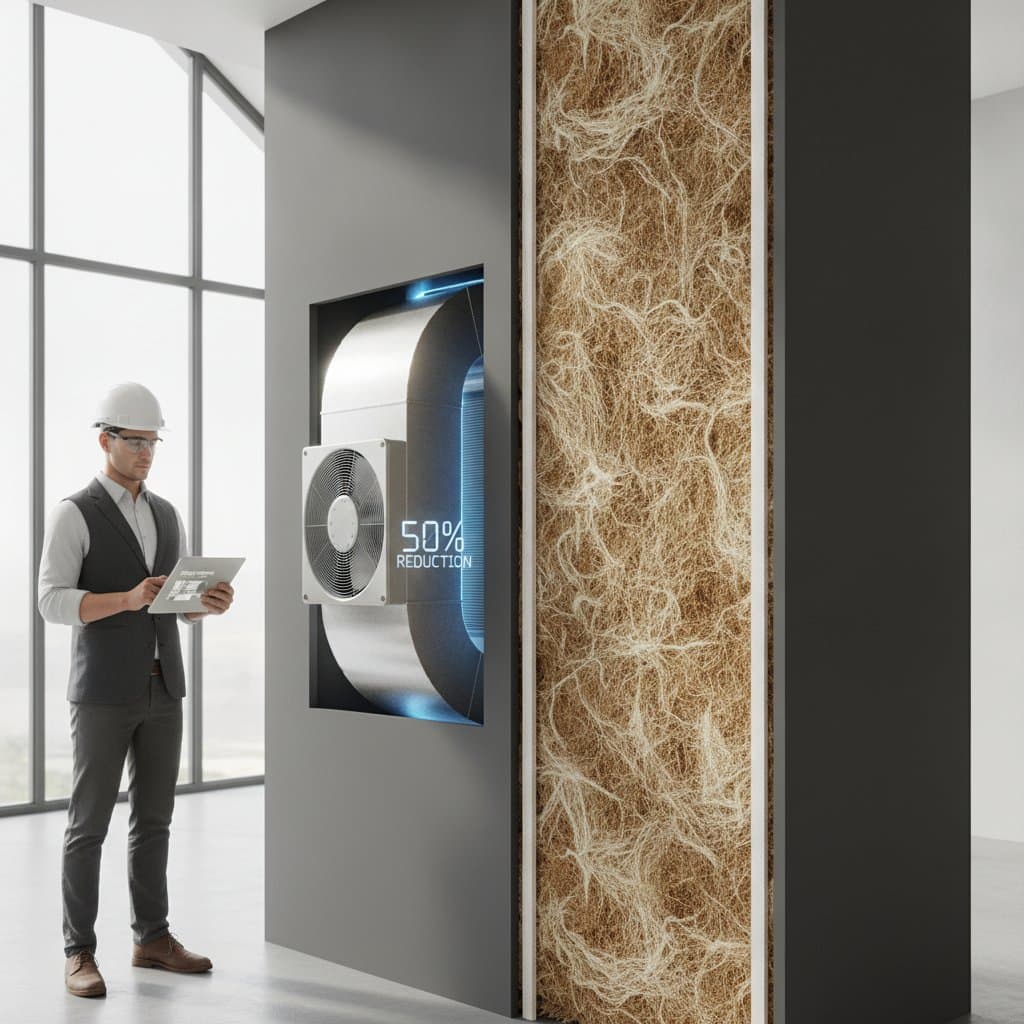
- Hemp insulation reduces summer cooling expenses by up to 50 percent relative to standard fiberglass or foam alternatives.
- Its thermal efficiency and permeability enable natural temperature regulation, sustaining cooler interiors during peak heat.
- Resistance to moisture and inherent pest repulsion ensure minimal upkeep for sustained effectiveness.
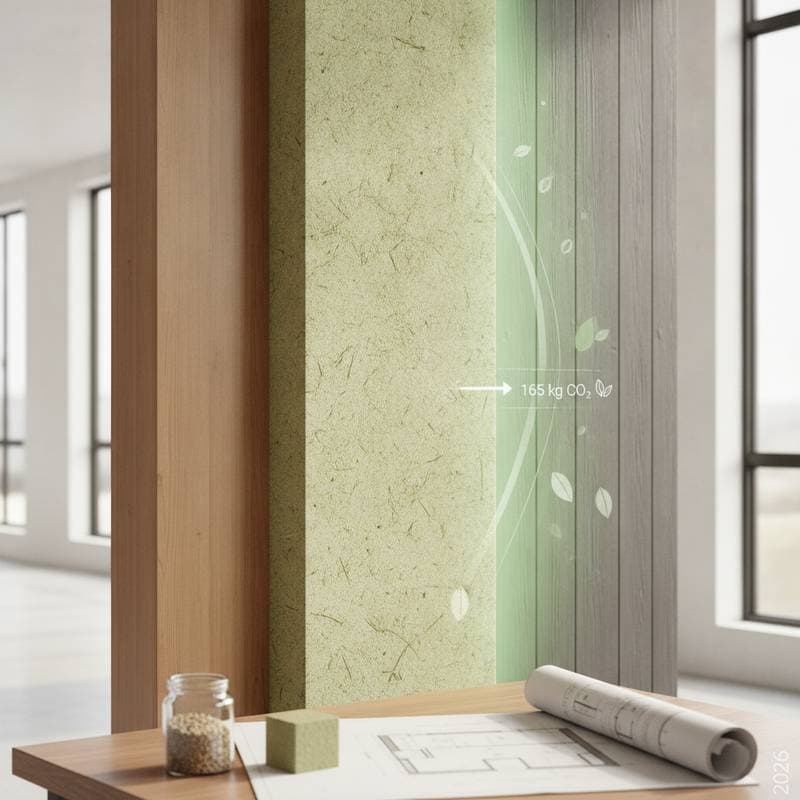
- Derived from renewable sources, the material aids carbon sequestration, thereby diminishing a structure's ecological impact.
- Installation expenses remain competitive, with payback typically occurring within three to five summer seasons via energy reductions.
The Science of Hemp's Thermal Regulation
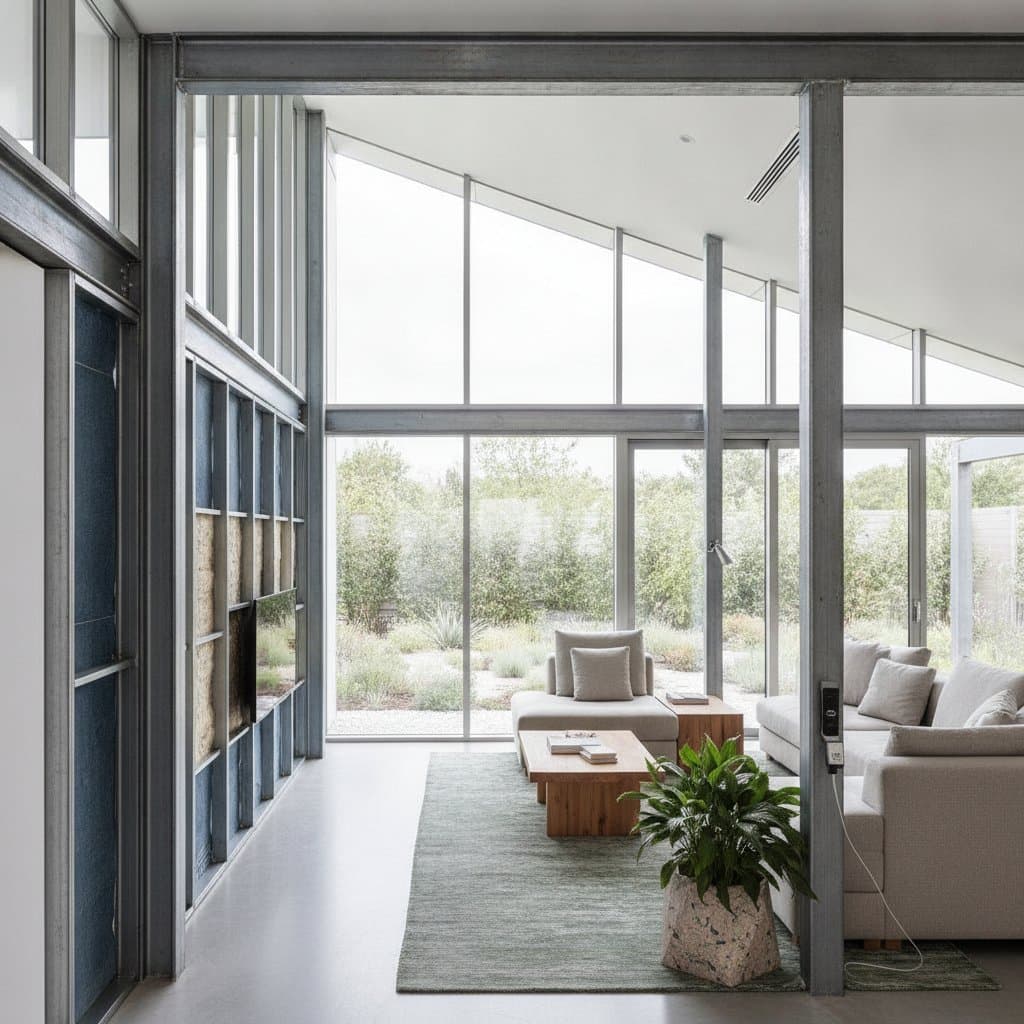
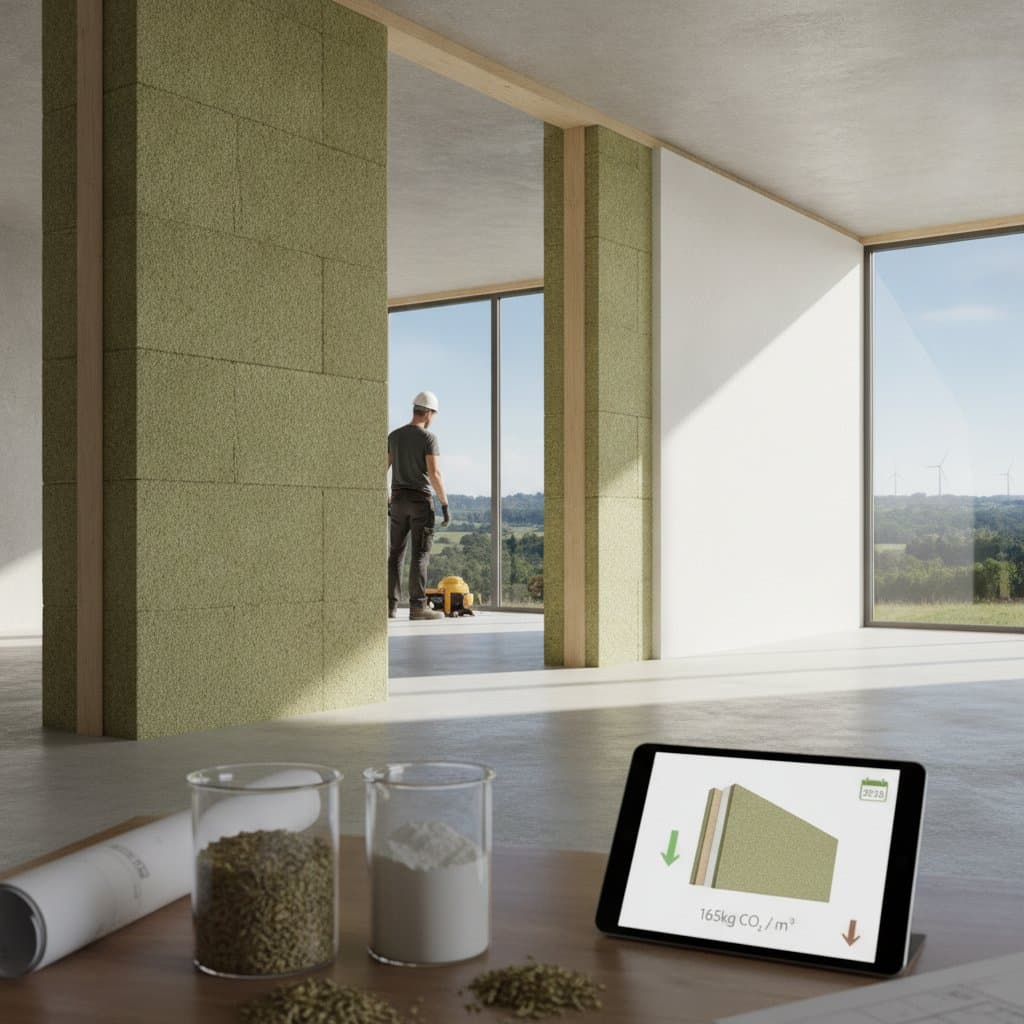
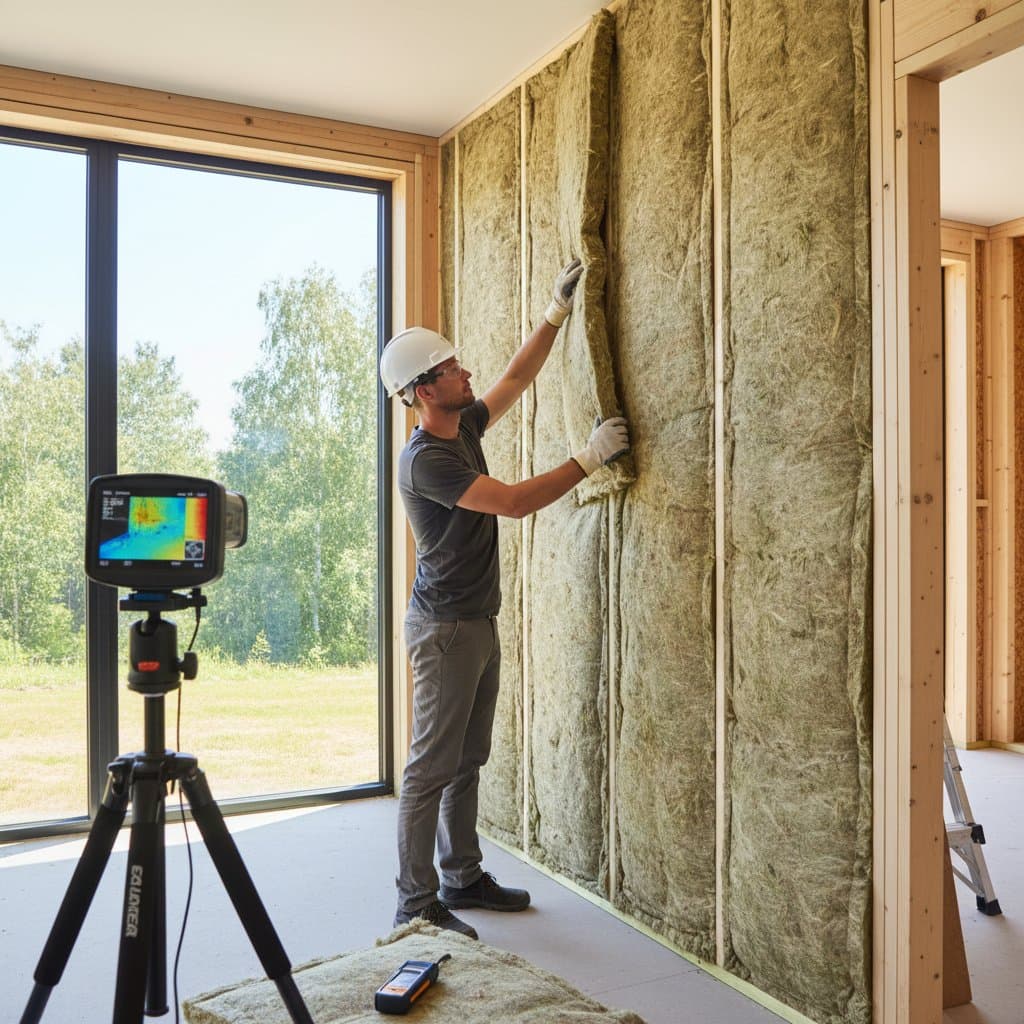
Manufacturers produce hemp insulation from the plant's inner woody core, or hurd, combined with minimal binders such as lime or polyester for structural integrity. This formulation yields semi-rigid mats or batts designed to slot precisely between wall studs or roof joists. The composition features numerous tiny air voids that capture indoor cool air and impede external heat infiltration.
Understanding Thermal Conductivity and Permeability
Thermal conductivity quantifies a material's heat transmission capacity; lower values indicate superior insulation. Hemp achieves ratings of 0.038 to 0.045 watts per meter-kelvin, aligning closely with premium mineral wool products. Hemp distinguishes itself through high vapor permeability, permitting moisture to traverse the material freely.
In contrast to impermeable synthetic foams, which trap vapor and foster condensation risks, hemp promotes a ventilated building envelope. This prevents mold formation and preserves insulation integrity over time. Consequently, as external temperatures climb, hemp moderates heat influx and dissipates it slowly, minimizing indoor fluctuations. Homeowners experience steadier comfort and decreased reliance on mechanical cooling.
Quantifying Energy Savings from Hemp Insulation
Air conditioning demands escalate with frequent operation to offset heat gains. Subpar insulation accelerates cool air loss via attics, walls, and floors, compelling systems to activate repeatedly. Hemp's capacity to stabilize temperature and humidity extends periods of thermal equilibrium indoors.
Research from various independent sources reports energy reductions of 35 to 50 percent upon substituting hemp for fiberglass or cellulose in attics and outer walls. Outcomes vary by regional climate, architectural layout, and installation precision, yet the advantages prove reliable. During prolonged hot spells, hemp excels at retarding heat penetration, thereby curbing overall power consumption.
Savings Illustration
Consider a typical summer cooling bill of $200 per month. With hemp insulation, this figure might drop to $100 or $130. Across a four-month period, annual savings accumulate to $280 through $400. Over multiple years, these reductions swiftly offset initial outlays.
Installing Hemp Insulation Effectively
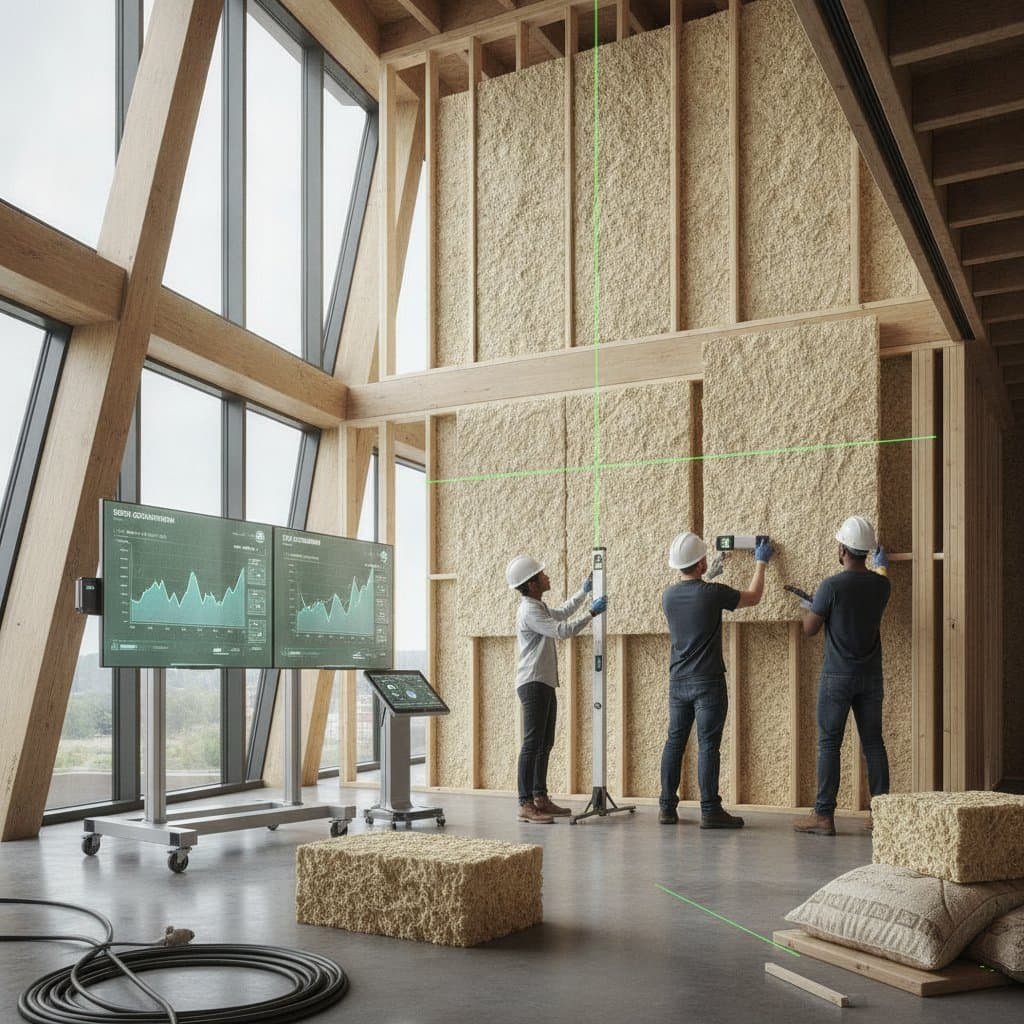
The process for hemp insulation mirrors that of conventional batt types. Installers trim panels or rolls to fit securely within framing elements, requiring no specialized tools. In new builds, integrate hemp with permeable vapor barriers to preserve airflow. Retrofits allow addition to attics, basements, or wall voids with minimal disruption.
Expense Overview
- Material expenses: $1.80 to $3.00 per square foot, including installation.
- Labor fees: Similar to fiberglass projects, with occasional premiums for bio-based options.
- Payback period: Most owners recoup premiums in three to five summers from bill reductions.
Beyond finances, hemp's environmental advantages, extended durability, and enhanced livability elevate its appeal.
Enhancing Cooling with Complementary Strategies
Insulation forms the core of efficiency, yet pairing hemp with passive methods amplifies outcomes. Effective integrations include:
- Reflective roof surfaces that deflect solar rays from the structure.
- Ventilation paths directing breezes through protected entry points.
- Insulated window treatments to limit heat entry via glazing.
- Overhead fans to circulate air and lessen cooling needs.
These measures collectively lower perceived temperatures by several degrees, reducing mechanical system loads.
Enduring Advantages of Hemp Insulation
Hemp's utility spans seasons, retaining warmth effectively in colder periods for balanced annual performance. Its robust nature minimizes replacement needs and waste generation. Fully biodegradable, the material decomposes harmlessly at lifecycle's end, avoiding landfill contributions.
Market trends indicate that properties featuring natural builds attract buyers valuing health and ecology, often yielding 5 to 10 percent higher sale values over standard homes.
Steps to Implement Your Insulation Upgrade
Begin by evaluating your home's thermal barriers for inconsistencies in temperature, air leaks, or excess dampness. An energy assessment identifies optimal zones for hemp application.
Locate regional providers, as hemp products expand in availability through certified channels. Select installers versed in breathable assemblies for optimal results. For self-installation, hemp's non-irritating properties suit DIY efforts, avoiding the discomfort associated with fiberglass.
View hemp insulation as a strategic enhancement for well-being, fiscal prudence, and planetary stewardship. Halving cooling costs liberates resources for further upgrades while shrinking your carbon profile.