Key Points
- Mycelium insulation emerges from the root-like structure of fungi, cultivated through biological growth processes rather than industrial manufacturing.
- It delivers effective thermal insulation, inherent fire resistance, and fully compostable disposal at the end of its service life.
- Production costs continue to decrease, aligning closely with those of mineral wool and natural fiber options.
- The material facilitates carbon sequestration and supports construction with minimal embodied energy.
- Mycelium panels adapt to custom shapes and integrate seamlessly with complementary bio-based building components.
Integrating Fungi into Home Construction
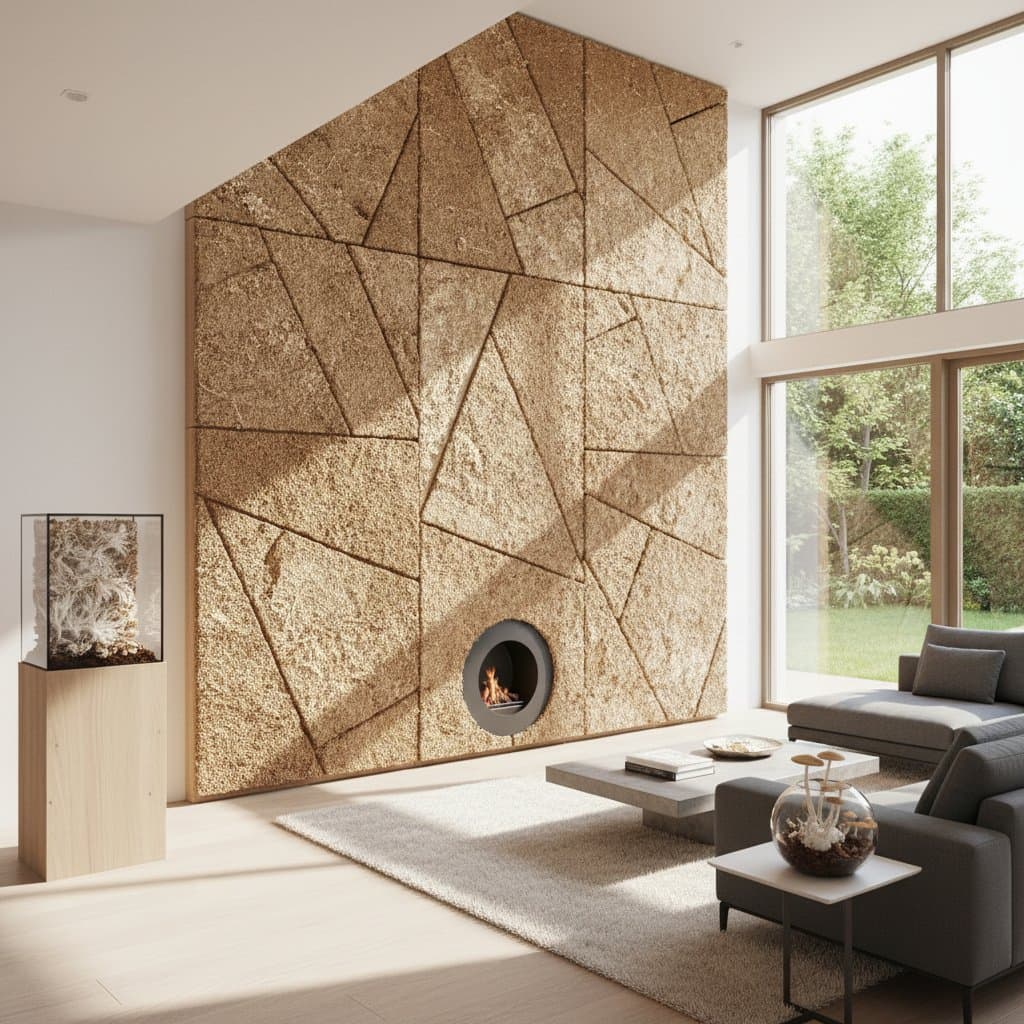
Picture a residence that maintains steady warmth during cold seasons and refreshing coolness in warmer months, with walls lined by a material cultivated from fungal roots in controlled environments. This concept moves beyond speculative narratives into practical application as a viable, earth-friendly substitute for conventional insulation methods. The intricate fungal network, essential for mushroom growth in natural ecosystems, now serves to enhance occupant comfort, reduce utility expenses, and diminish overall ecological impact.
Individuals seeking environmentally sound building choices have traditionally turned to options such as wool, hemp, or cellulose. Mycelium insulation enters this category with a compelling blend of functionality and ecological benefits. The core principle involves cultivating a resource organically, avoiding the resource-intensive steps of extraction, fusion, or chemical treatment.
The Significance of Mycelium in Building Design
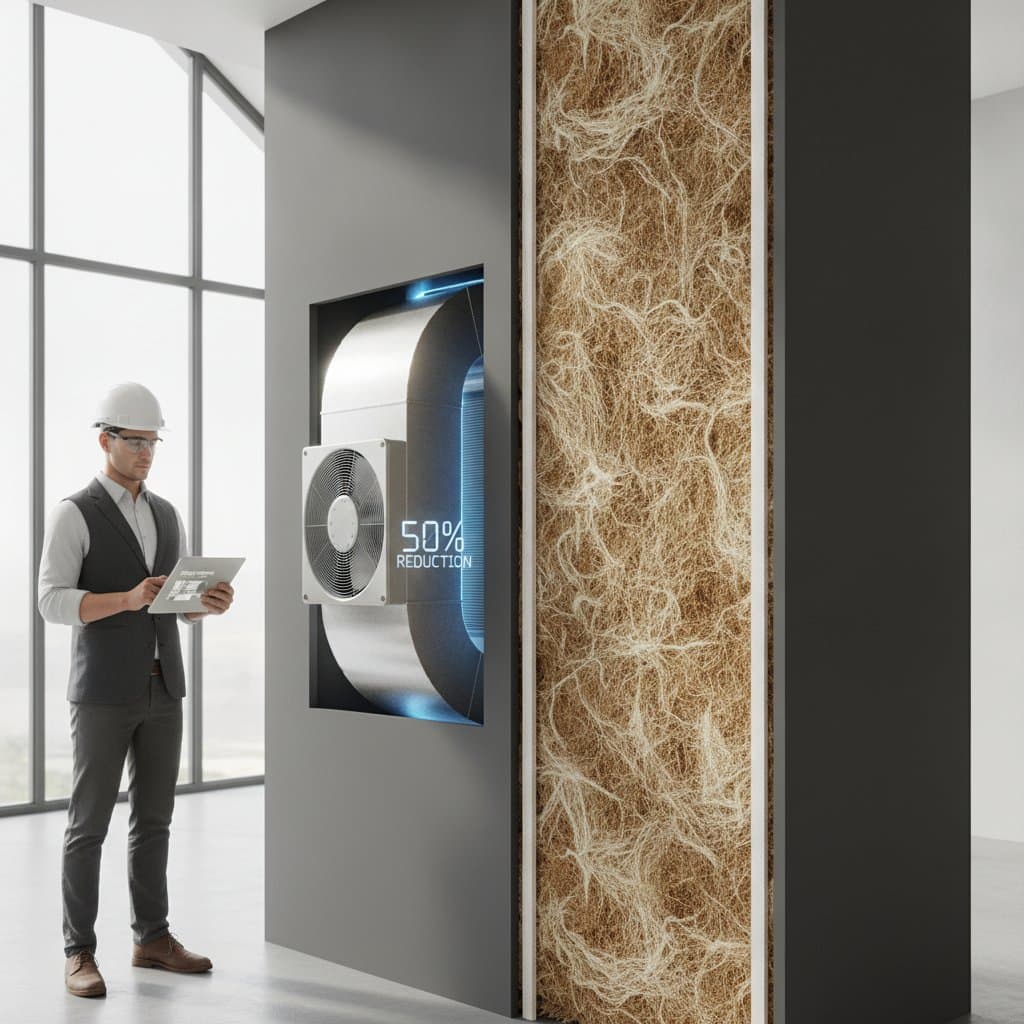
Mycelium insulation stands out through its combined benefits in energy conservation, ecological stewardship, and reliable operation. Residential heating and cooling often represent up to 50 percent of total energy consumption. Effective insulation directly addresses this by minimizing heat loss or gain. Mycelium in panel or block form creates a biological barrier that restricts thermal movement across walls, floors, and roofs.
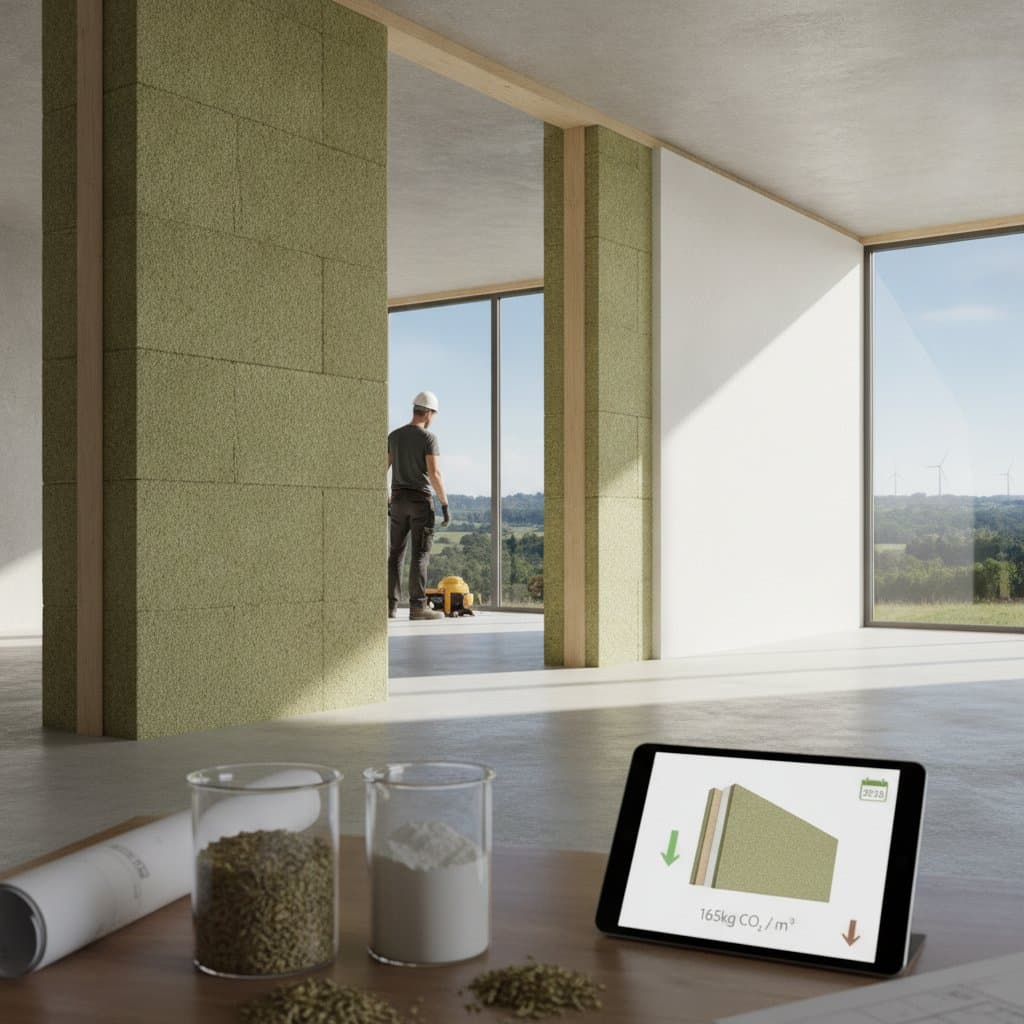
Sustainability enhances its value further. Mycelium consists of the thread-like roots of fungi. When cultivated on waste materials like straw or corn stalks, it weaves these substrates into a solid yet lightweight form. After drying, the outcome yields a resilient, foam-resembling substance that withstands fire, dampens noise, and demands little energy for creation. Building components made this way capture carbon within their structure, preventing atmospheric release.
Market dynamics evolve rapidly. Although mycelium remains specialized compared to fiberglass or mineral wool, expanding production lowers expenses. For those prioritizing enduring benefits and planetary care, any initial premium yields returns via reduced energy use and infrequent replacements.
Essential Planning Elements
Physical Characteristics
Mycelium insulation achieves an R-value of 3 to 4 per inch, on par with many natural fiber products. It excels in applications like wall voids and roof systems, provided moisture levels remain controlled. Its permeable nature permits vapor passage, which aids in mold prevention when paired with adequate air barriers.
Fitting and Integration
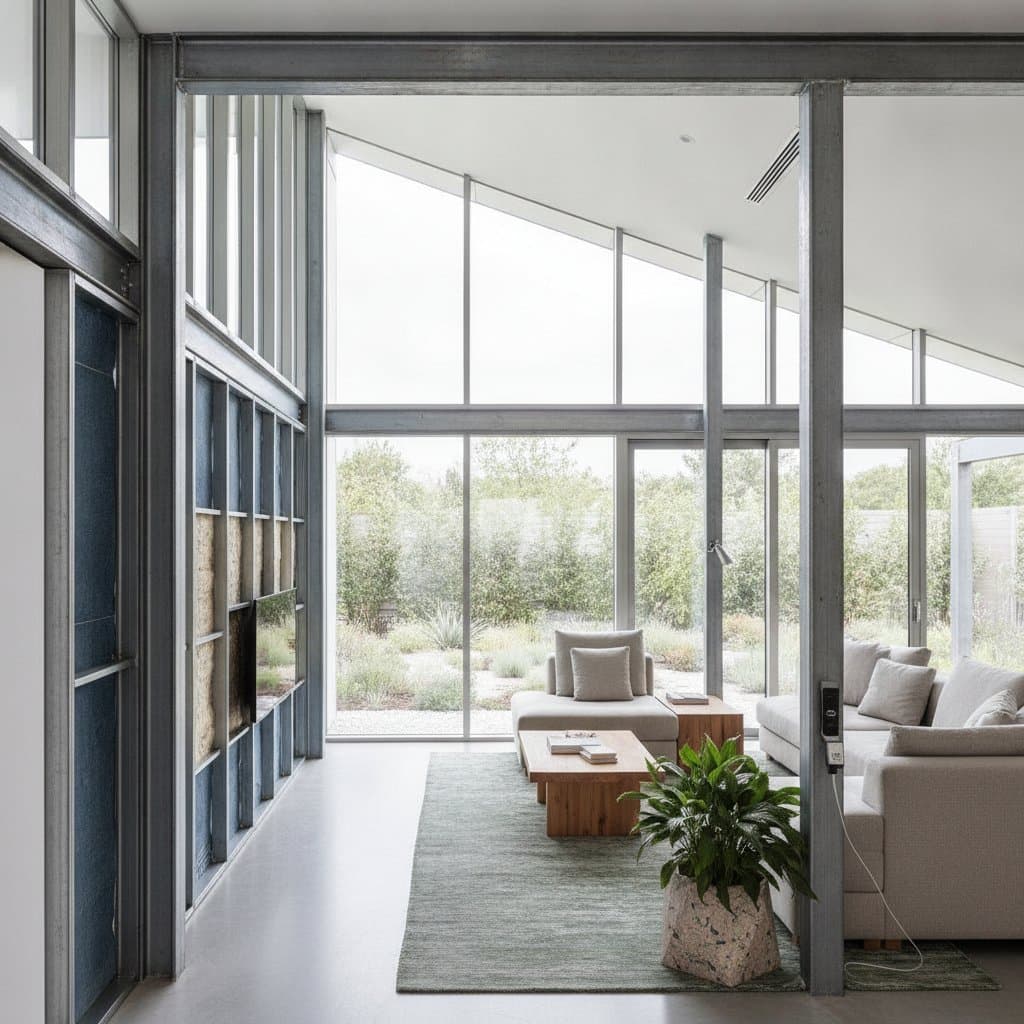
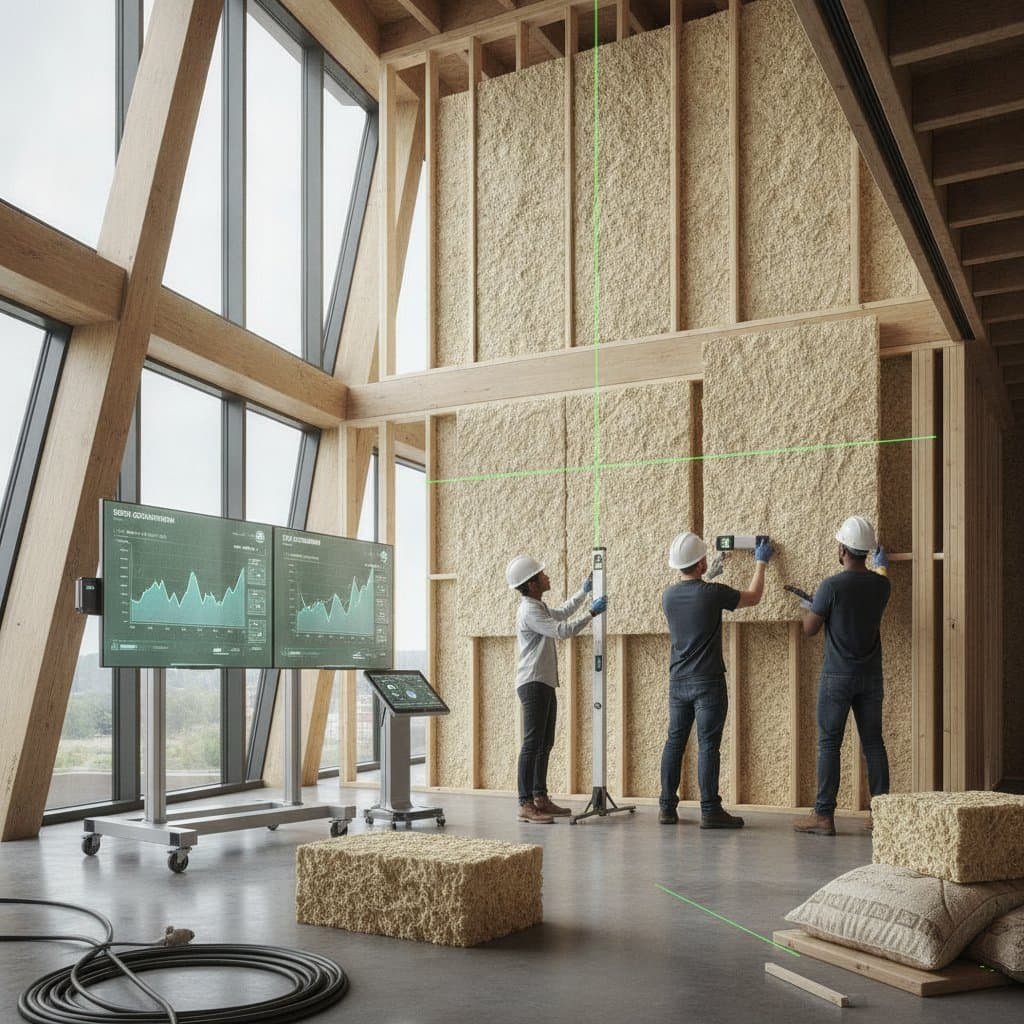
Distinct from stiff foam sheets, mycelium allows growth to precise molds or standard framing dimensions. Installers cut it using a handsaw and secure it with staples, clips, or screws. It complements wooden frames and lime plasters, enabling complete bio-derived exteriors in organic architecture.
Handling Moisture and Longevity
Heat processing renders mycelium mold-resistant by nature, yet it requires shielding from extended dampness. Employ vapor-open yet water-shedding barriers, like permeable films or organic coatings, to safeguard its form over time.
Compliance Standards
Numerous building regulations accept innovative insulators that satisfy fire safety and insulation thresholds. Verify product credentials, including ASTM or ISO tests, prior to acquisition.
Financial Overview and Return Projections
Pricing for mycelium insulation fluctuates based on origin, density, and fitting demands. Installed rates average 2 to 4 dollars per square foot, positioning it midway between blown cellulose and premium mineral wool.
For return calculations, examine a standard home upgrade. Replacing inadequate wall insulation with mycelium could cut heating and cooling expenses by 10 to 25 percent each year. Within 10 years, such reductions often recoup any added upfront investment relative to basic alternatives.
Additional advantages include:
- Health improvements from enhanced air purity and avoidance of harmful substances.
- Increased asset worth linked to green features and certification eligibility.
- Reduced upkeep from resilience against decay and infestation.
Buyers attuned to full-life impacts increasingly favor such choices, boosting marketability for properties incorporating biological materials.
Innovative Applications in Design
Mycelium's moldability inspires architectural creativity. Form it into arcs for rounded walls, domes for ceilings, or tiles for sound control in expansive areas. Its earthy hue and grain suit visible uses, fostering an authentic, nature-inspired interior.
During updates, insert mycelium between current joists with minimal disruption. In fresh constructions, pre-form entire assemblies to exact needs, cutting on-site refuse. Pair it with wood skeletons and hemp-based fills for holistic, restorative shells.
Environmental and Performance Advantages
Mycelium insulation aligns with key green criteria:
-
Minimal Production Energy
Cultivation uses far less power than sourcing or processing traditional inputs. -
Carbon Retention
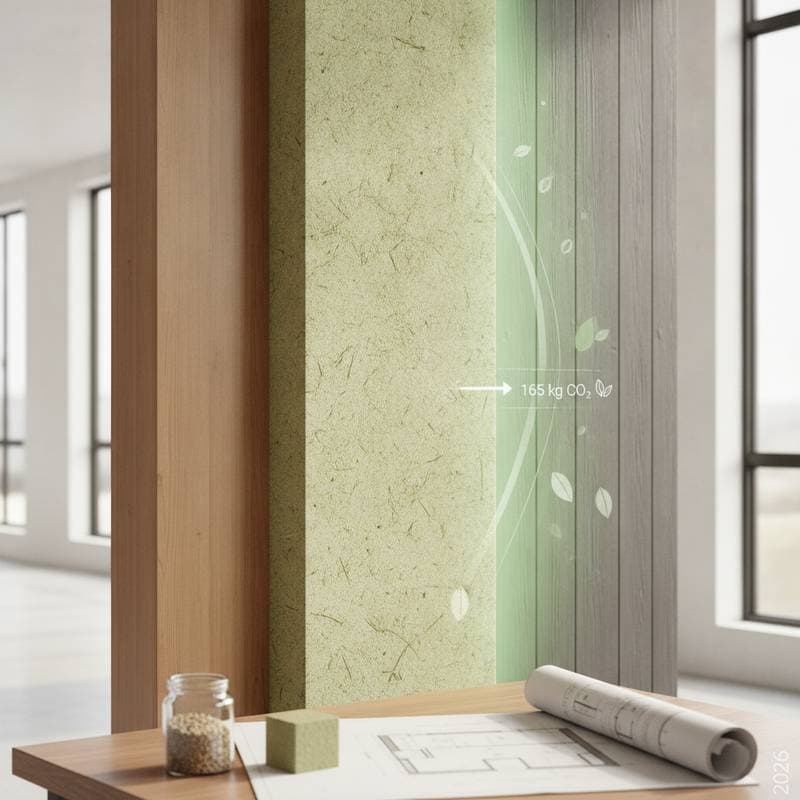
Panels store carbon throughout the structure's duration. -
Biodegradable End Use
Dispose by composting, yielding no pollutants. -
Superior Interior Environment
Lacks off-gassing chemicals, promoting clean air. -
Noise Reduction
The matrix effectively muffles sounds for serene interiors.
These attributes position mycelium ideally for credentials emphasizing efficiency, wellness, and resource use.
Project Variables to Weigh
Insulation selections hinge on multiple elements.
- Regional Weather: Colder areas benefit from added layers or combined approaches.
- Current Build: Wood constructions simplify retrofits; stone demands more adaptation.
- Financial Focus: Trade-offs among expense, insulation quality, and green aims guide choices.
- Workforce Access: Self-installation works for basics, but experts ensure optimal results.
- Distribution Network: Sourcing depends on emerging facilities.
Weighing these creates a feasible strategy matching objectives and realities.
Common Inquiries
Does mycelium insulation suit interior environments?
It presents no toxicity risks, avoids formaldehyde and artificial adhesives, and requires no special handling precautions.
What about fire risks?
It carbonizes externally without full combustion, forming a protective layer. Products typically pass residential fire evaluations.
Will it draw pests?
Post-treatment, it offers no sustenance to insects or vermin. Sealed placement deters habitation.
What is its service life?
Properly placed and dried, it endures as long as fellow natural insulators, often spanning decades.
Is it viable in moist regions?
Affirmative, with vigilant humidity control. Incorporate open membranes and airflow to sustain efficacy.
Can it enter recycling streams?
It favors composting or soil enrichment over mechanical reuse, closing the materials loop naturally.
Steps to Implement Mycelium Insulation
Begin by evaluating your structure's barriers. Audit existing insulation, identify leak points, and note assembly types. Then, benchmark mycelium's insulation metrics against desired outcomes.
In ongoing projects, pilot it in contained zones such as underfloors or roof sections to gauge local suitability. For ground-up designs, partner with natural-material specialists to embed mycelium from planning stages onward. This approach secures a home that performs efficiently while honoring ecological principles.