Introduction to Hempcrete Walls
Hempcrete represents a innovative bio-based building material that combines the fibrous hurds of the hemp plant with lime and water. This mixture forms a lightweight, durable substance ideal for insulation in walls. Unlike traditional materials, hempcrete actively sequesters carbon dioxide during its production and curing process, contributing to reduced greenhouse gas emissions.
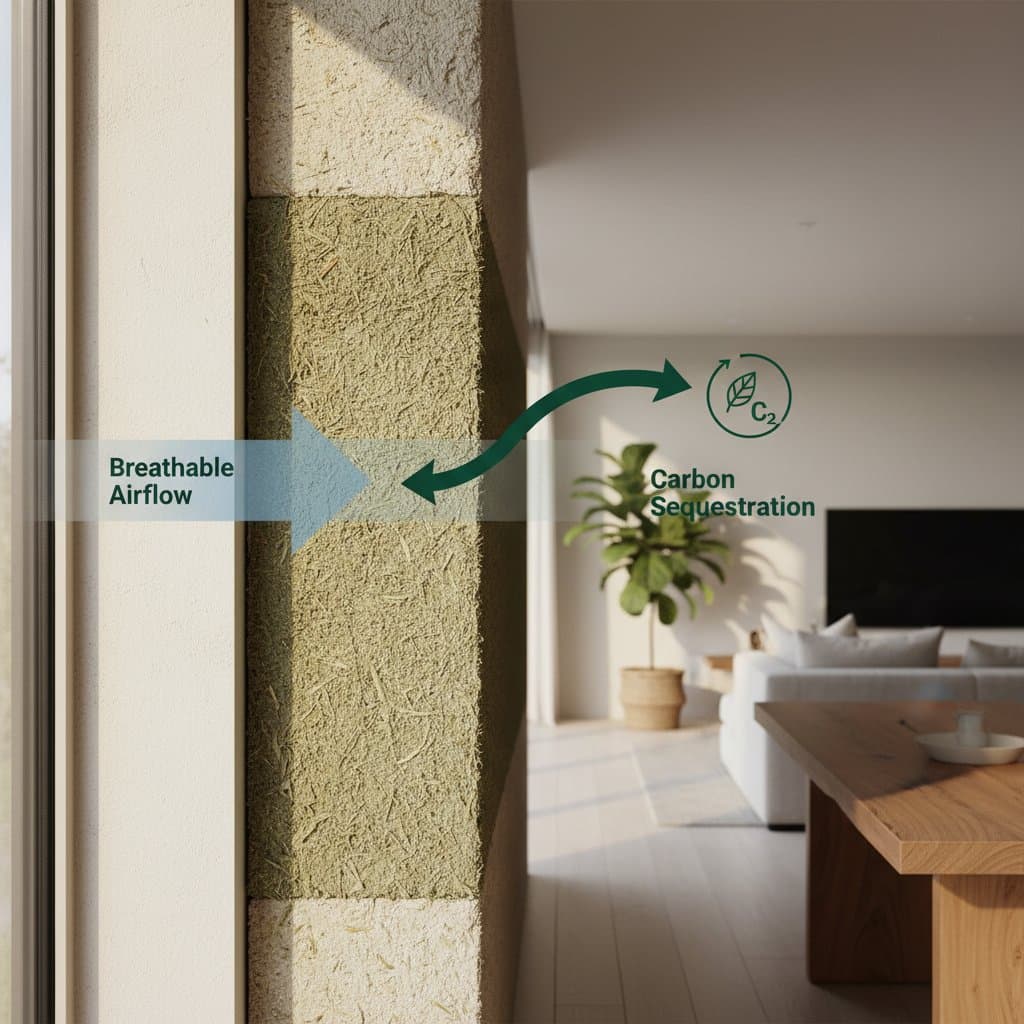
The material excels in regulating indoor humidity and temperature. Its porous structure allows walls to breathe, preventing moisture buildup that can lead to mold or structural damage. Homeowners benefit from enhanced comfort and healthier living environments without relying on mechanical ventilation systems.
In an era of increasing focus on climate-resilient construction, hempcrete offers a viable path forward. It supports the growth of sustainable agriculture by utilizing hemp, a fast-growing crop that requires minimal water and pesticides. This alignment with circular economy principles makes hempcrete a cornerstone of green building practices.
Key Benefits of Hempcrete
Hempcrete provides multiple advantages over conventional insulation options. First, it delivers excellent thermal performance with an R-value comparable to fiberglass or cellulose, yet without the environmental drawbacks of manufacturing synthetic materials. Energy efficiency improves as the material minimizes heat loss in winter and heat gain in summer.
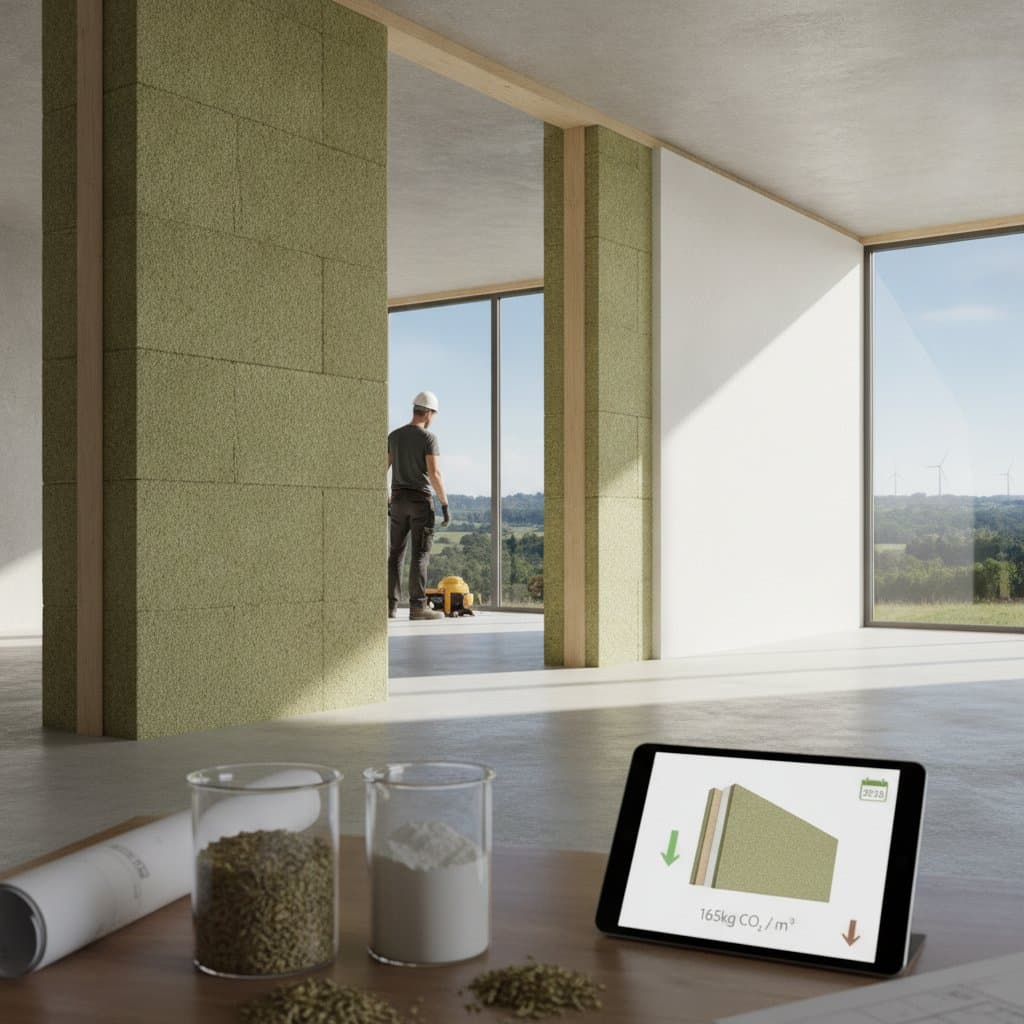
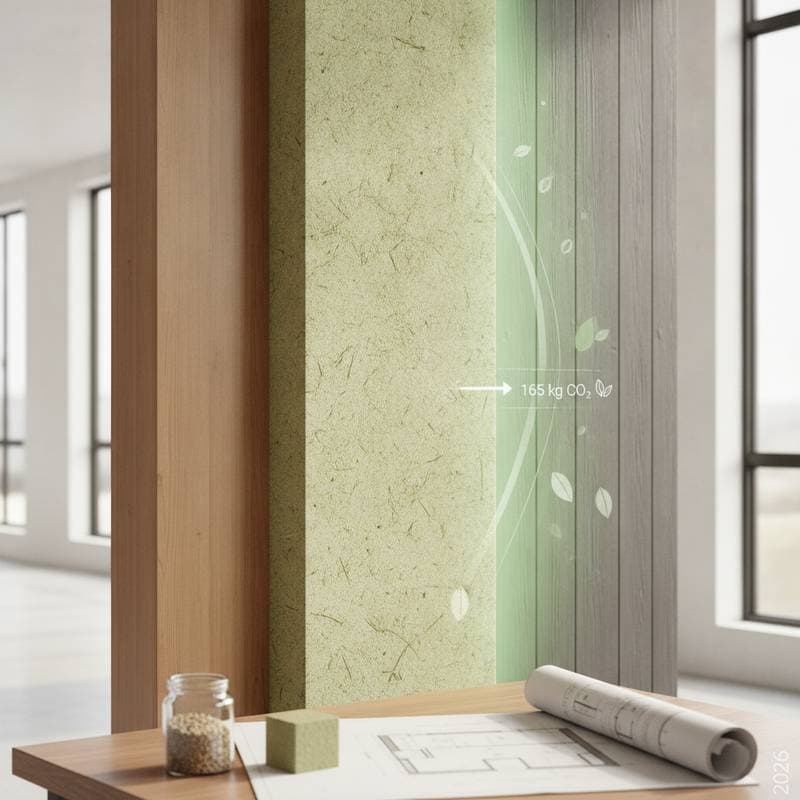
Second, the carbon-locking property sets hempcrete apart. Each cubic meter can sequester up to 100 kilograms of CO2, which remains stored for the lifespan of the building. This passive carbon capture enhances the overall sustainability of a structure, aligning with global efforts to combat climate change.
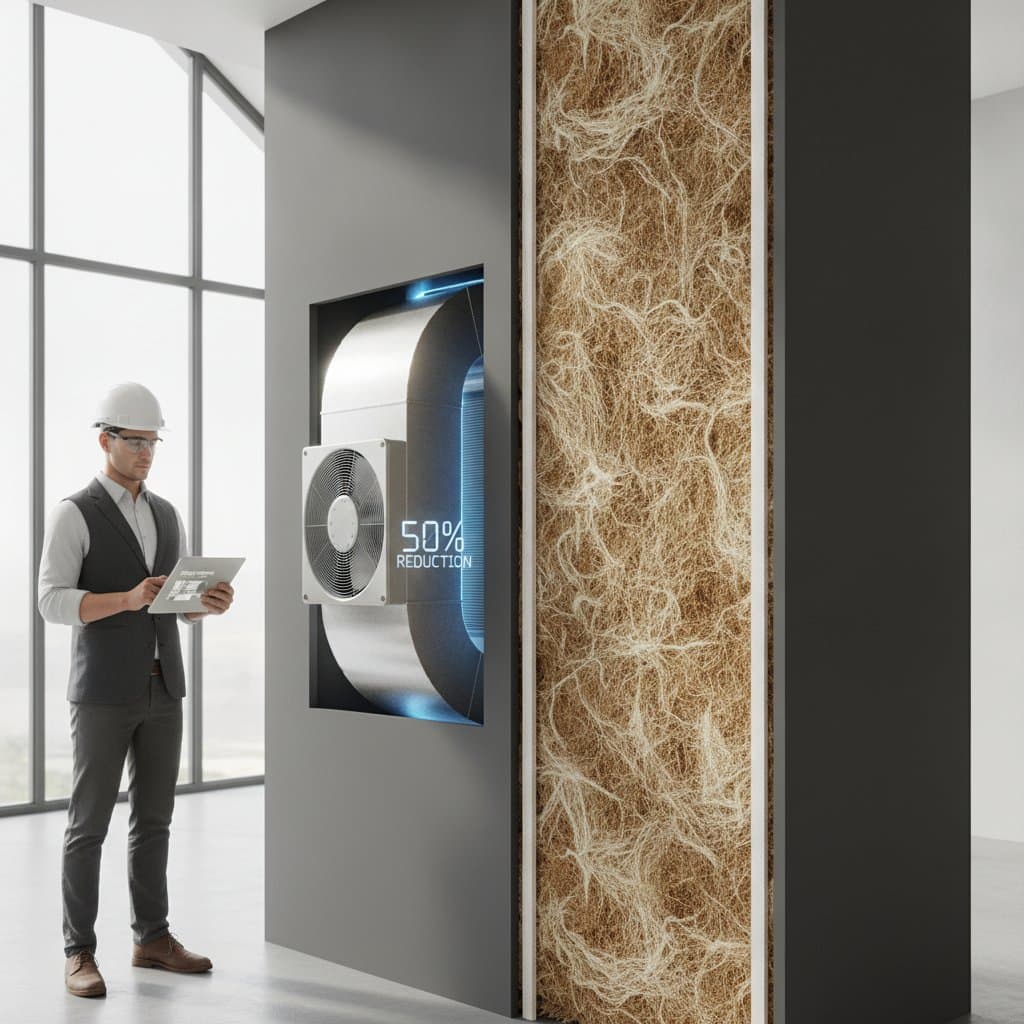
Additionally, hempcrete enhances acoustic insulation, reducing noise transmission between rooms or from external sources. Its natural resistance to fire, pests, and rot further reduces maintenance needs. These qualities combine to create homes that are not only eco-friendly but also more resilient and comfortable.
Installation Tips for Success
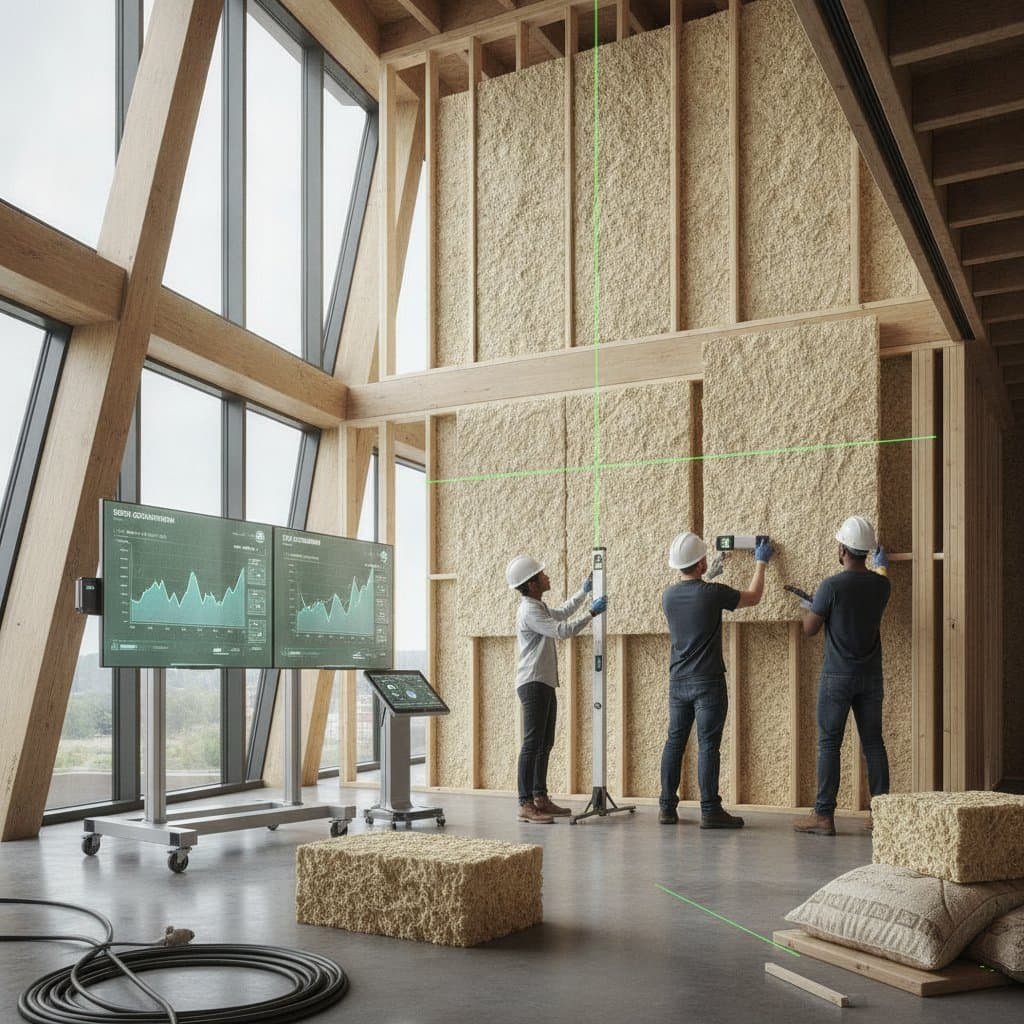
Successful hempcrete installation requires careful planning and execution. Begin by selecting a suitable structural frame, such as timber, that complements the material's lightweight nature.
-
Prepare the site properly: Ensure the foundation and framing support the hempcrete mix, which is typically cast in place or used as infill panels. Coordinate with structural engineers to verify load-bearing capacity.
-
Work with experienced installers: Improper curing or packing can lead to uneven insulation. Always hire a contractor familiar with bio-based materials to achieve optimal density and performance.
-
Plan for breathable finishes: Use lime-based plasters instead of vapor barriers so the walls can regulate moisture naturally. This approach maintains the material's hygroscopic properties.
-
Monitor the curing process: Allow adequate time for the lime to fully hydrate, typically several weeks, under controlled conditions to prevent cracking.
-
Conduct a green audit: Measure carbon savings and thermal performance after installation to confirm long-term benefits and document environmental impact.
Following these steps ensures the material performs as intended, maximizing its environmental and practical advantages.
Practical Considerations
Upfront costs for hempcrete walls may range from $120 to $180 per square meter, depending on location and labor rates. These investments often yield returns through energy savings, with payback periods of 8 to 10 years. Annual utility reductions frequently reach 20 to 30 percent, depending on climate and home design.
The material's inherent fire resistance, rated for up to four hours of protection, acoustic damping, and resistance to pests like termites add substantial value. Hempcrete also avoids off-gassing volatile organic compounds, promoting better indoor air quality from day one.
Local building codes increasingly recognize hempcrete as a compliant material for low-rise structures. Consult certified professionals to ensure compliance with regional standards. Many projects qualify for green certification credits, such as LEED points, further incentivizing adoption.
Steps to Implement Hempcrete in Your Project
Transitioning to hempcrete begins with assessing your building needs. Evaluate your site's climate, as hempcrete performs best in temperate zones but adapts well with proper design.
Next, source materials from reputable suppliers who adhere to sustainable hemp farming practices. Collaborate with architects experienced in bio-based construction to integrate hempcrete seamlessly into your plans.
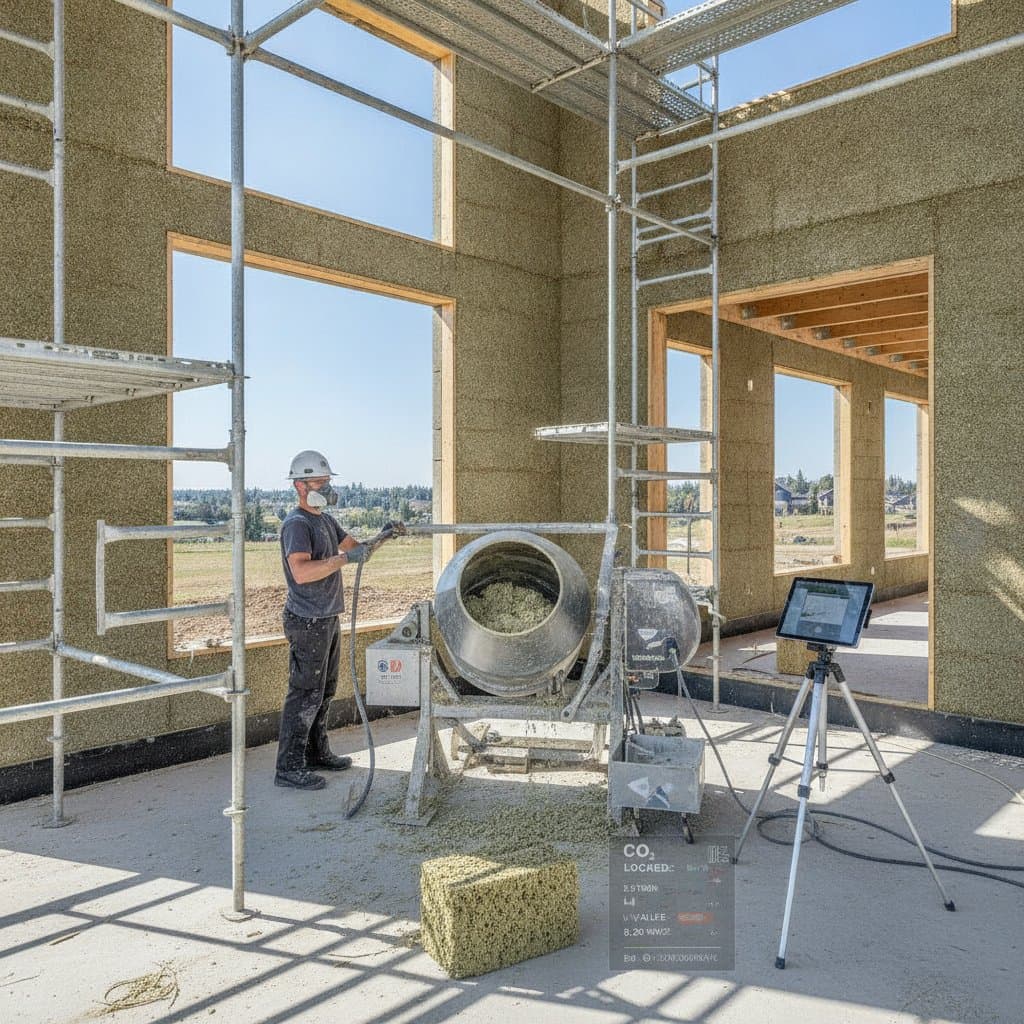
During construction, prioritize on-site mixing for freshness, using industrial mixers for consistency. Post-installation, track performance with energy monitoring tools to quantify savings and refine future projects.
If you seek to build a home that harmonizes with the environment, hempcrete walls provide a proven solution. They foster spaces that enhance well-being while supporting planetary health. Connect with vetted green building experts to customize designs for your specific climate and lifestyle requirements.
Frequently Asked Questions
Q: How long does hempcrete last?
A: Properly maintained hempcrete walls can last over a century, with minimal degradation or performance loss.
Q: Can hempcrete be used in existing homes?
A: Yes. It can replace conventional insulation during major renovations or be applied as an insulating render over structural walls.
Q: Does hempcrete require special maintenance?
A: Routine inspections and breathable finishes suffice. Avoid sealing walls with non-permeable paints or coatings.
Q: How does hempcrete compare to fiberglass?
A: While fiberglass provides similar insulation values, hempcrete offers superior sustainability, moisture control, and indoor air quality benefits.