Understanding Hempcrete's Core Benefits
- Hempcrete provides fire-resistant insulation that sequesters carbon, supporting sustainable home construction.
- The material naturally manages temperature, humidity, and air quality for enhanced living conditions.
- Initial installation expenses surpass conventional methods, yet long-term returns arise from durability, energy reductions, and elevated property values.
- Adoption of hempcrete advances environmental objectives while boosting real estate appeal.
The Natural Foundation of Hempcrete
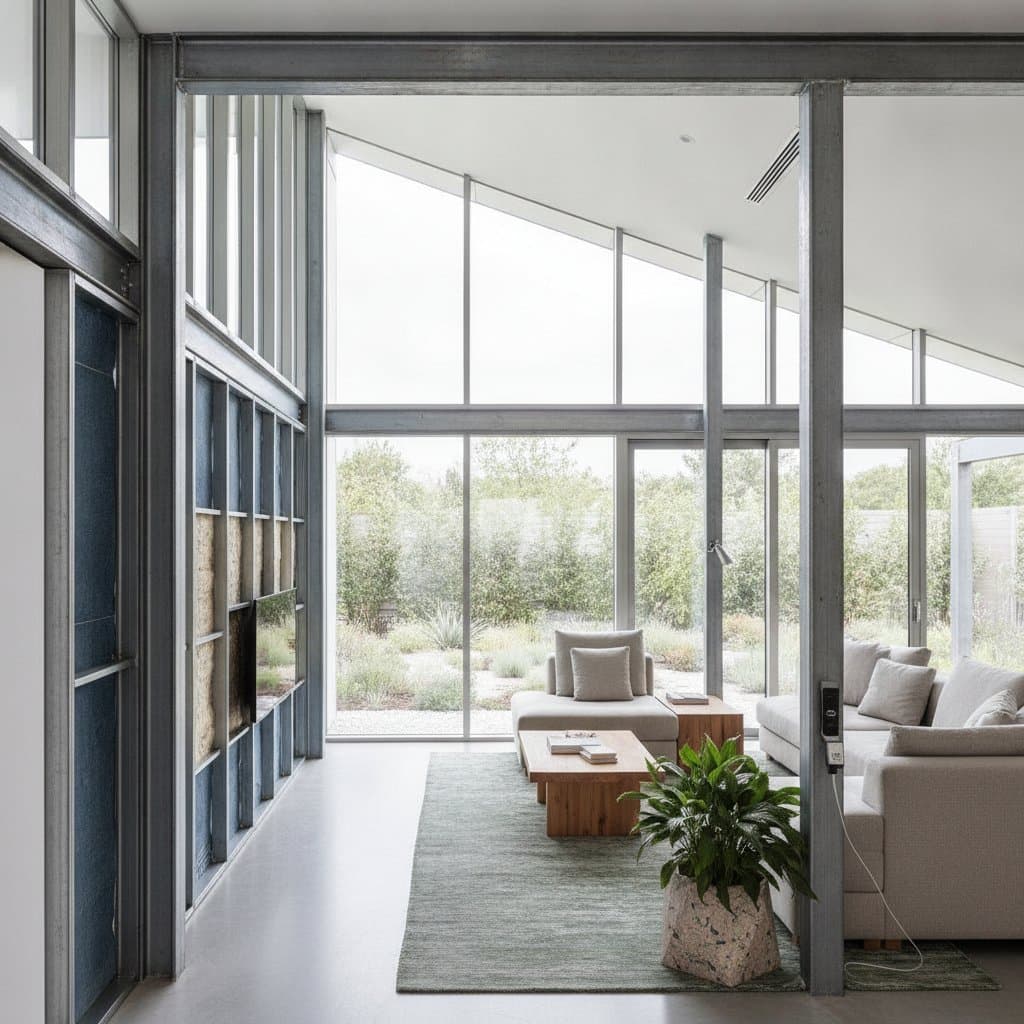
Imagine entering a serene home during a sweltering summer day. The walls offer a firm yet permeable presence, the atmosphere remains crisp, and temperatures hold steady without heavy reliance on cooling systems. Homeowners in hempcrete-insulated structures often report this level of comfort. More than mere convenience, hempcrete signals a move toward construction materials that safeguard human well-being and the environment.
Hempcrete emerges as a biocomposite derived from the hemp plant's inner woody core, blended with lime and water. This mixture yields a lightweight substance resembling stone that solidifies progressively. Although hempcrete does not substitute for load-bearing concrete, it excels as insulation in walls, floors, and roofs, delivering thermal and acoustic advantages.
Financial and Environmental Value
Conventional insulation frequently incorporates petrochemical elements that release volatile organic compounds and falter in harsh environments. Hempcrete presents an alternative that integrates reliability, security, and ecological merits.
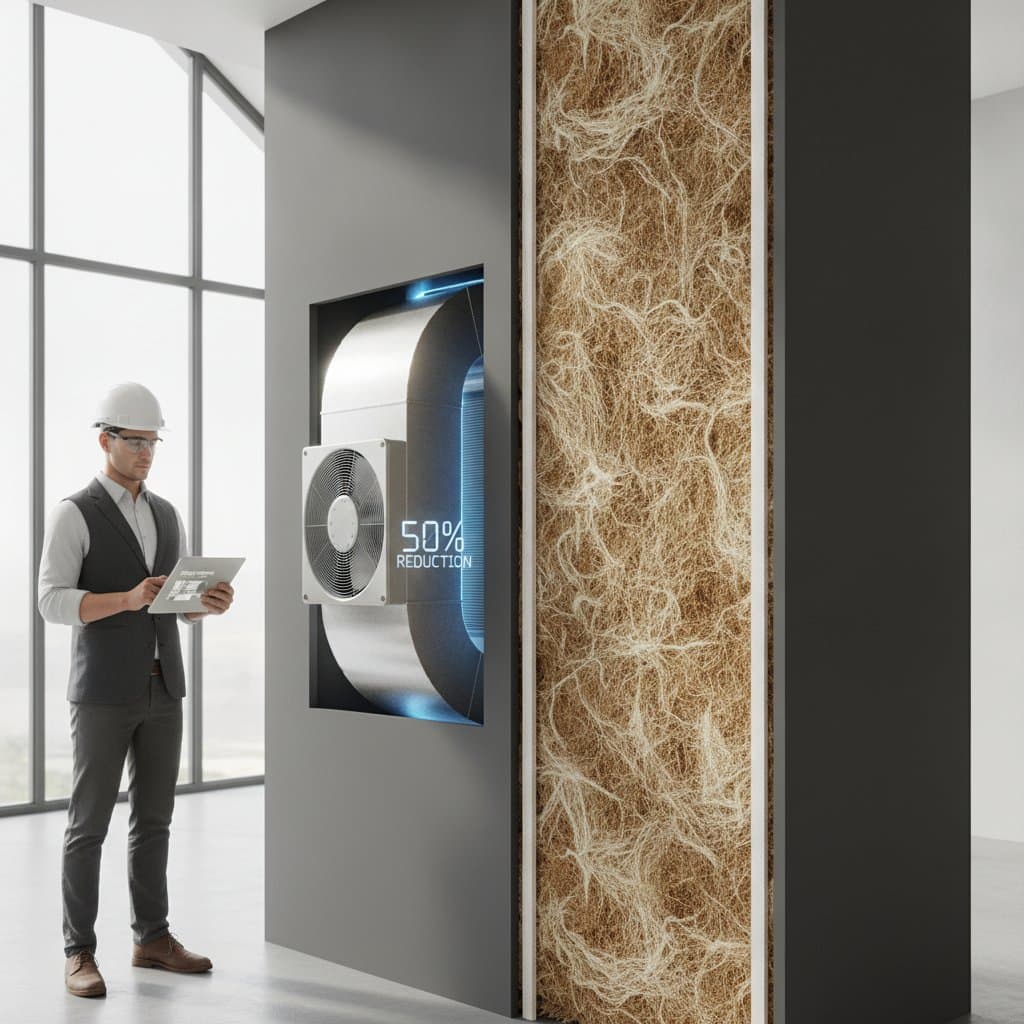
Financially, the material's initial outlay typically exceeds standard insulation by 15 to 25 percent. However, the advantages accumulate over time. Structures featuring hempcrete can lower heating and cooling expenses by as much as 50 percent, influenced by architectural choices and regional weather patterns. Throughout a building's lifespan, these reductions frequently recoup the upfront investment and contribute to elevated market prices.
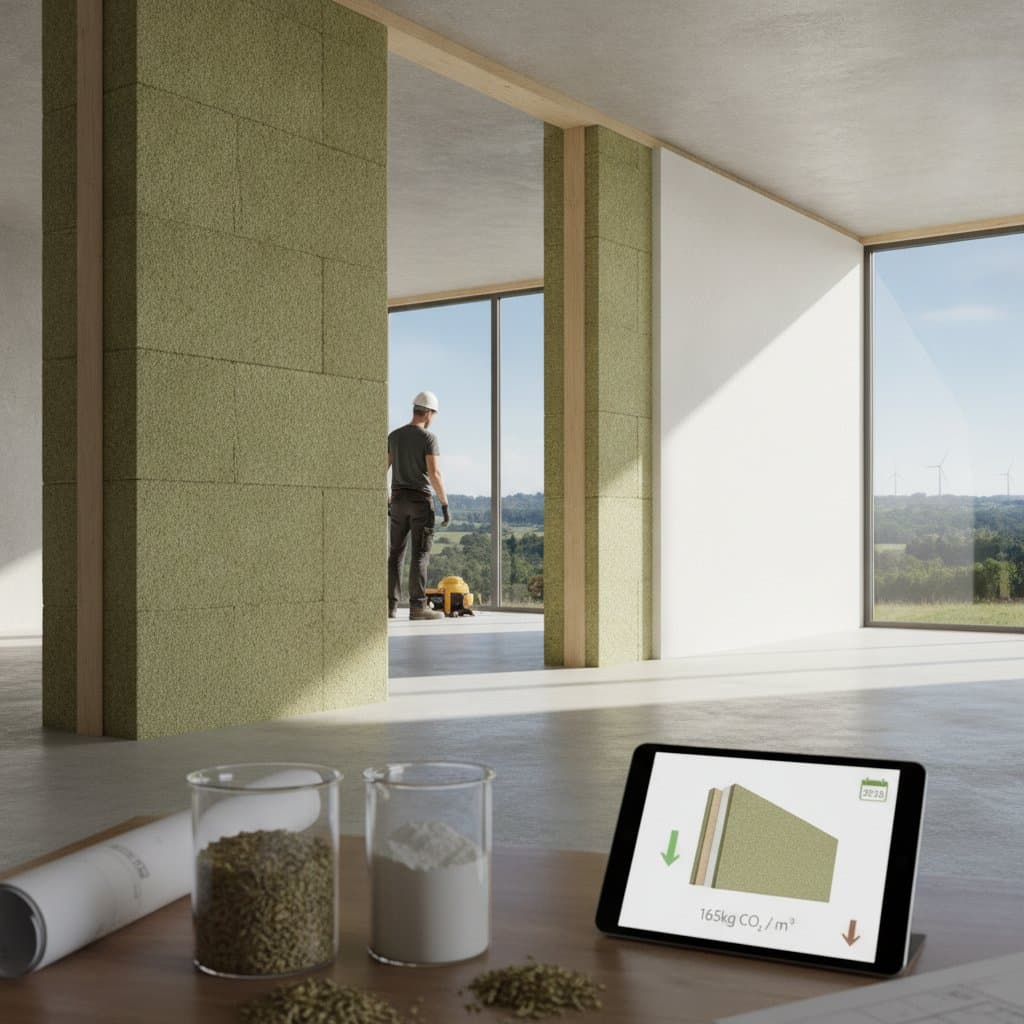
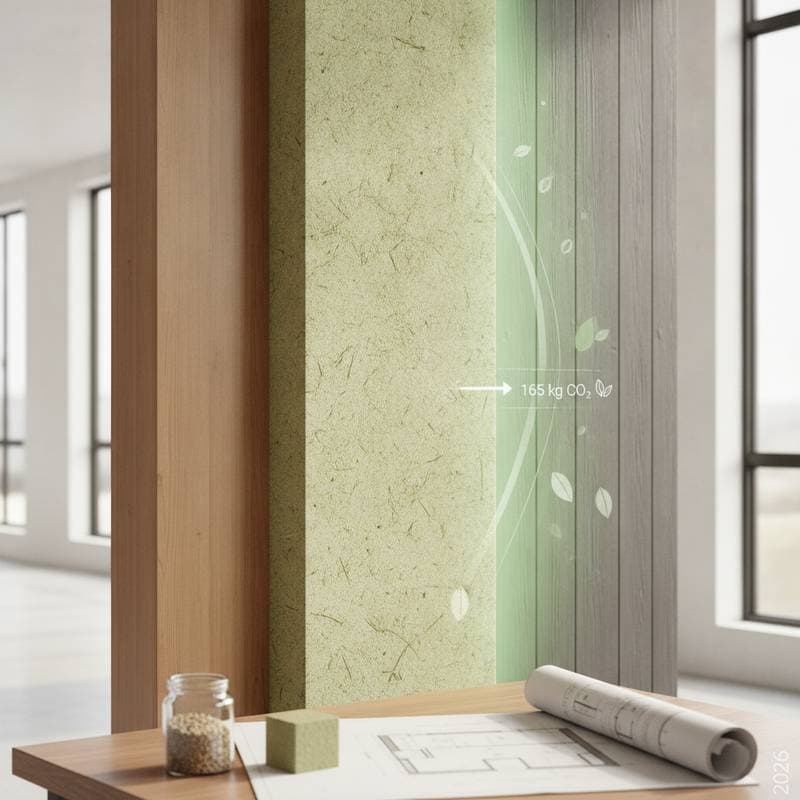
On the environmental front, hempcrete captures carbon dioxide throughout hemp growth and the curing process. One cubic meter of the material can store approximately 100 kilograms of carbon, transforming walls into enduring carbon reservoirs. Such quantifiable green impacts, paired with occupant comfort, distinguish hempcrete from most building products.
Enhanced Fire Resistance and Security
Hempcrete stands out for its inherent resistance to fire. Upon contact with flames, it carbonizes without bursting into blaze, limiting fire propagation and smoke production. Tests demonstrate that hempcrete walls withstand prolonged high-heat exposure while preserving integrity. Residents in areas susceptible to wildfires gain reassurance and may qualify for reduced insurance rates.
Free of synthetic adhesives or combustible strands, hempcrete avoids emitting harmful fumes in fire scenarios. This property bolsters safety for inhabitants and eases restoration efforts, as underlying frameworks often stay shielded by the hempcrete layer.
Promoting Health and Comfort Indoors
Hempcrete extends its advantages to foster superior indoor settings. The material's porous composition moderates humidity levels organically, drawing in surplus moisture during humid periods and expelling it in drier ones. This regulatory function curbs mold development and elevates air purity.
Acting as thermal mass, hempcrete absorbs and dispels heat slowly, maintaining consistent indoor climates and lessening dependence on HVAC equipment. Its sound-dampening attributes further cultivate tranquil, inviting interiors year-round.
Practical Installation Guidance
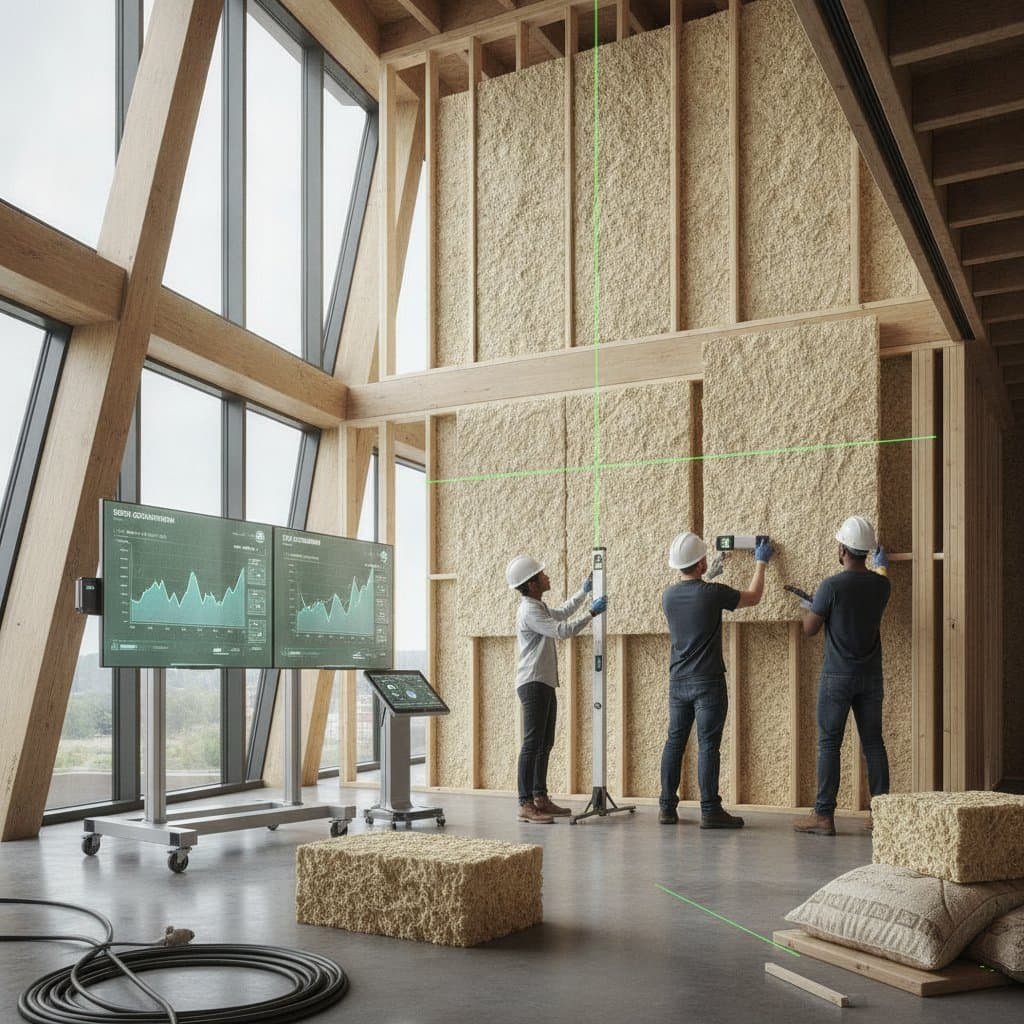
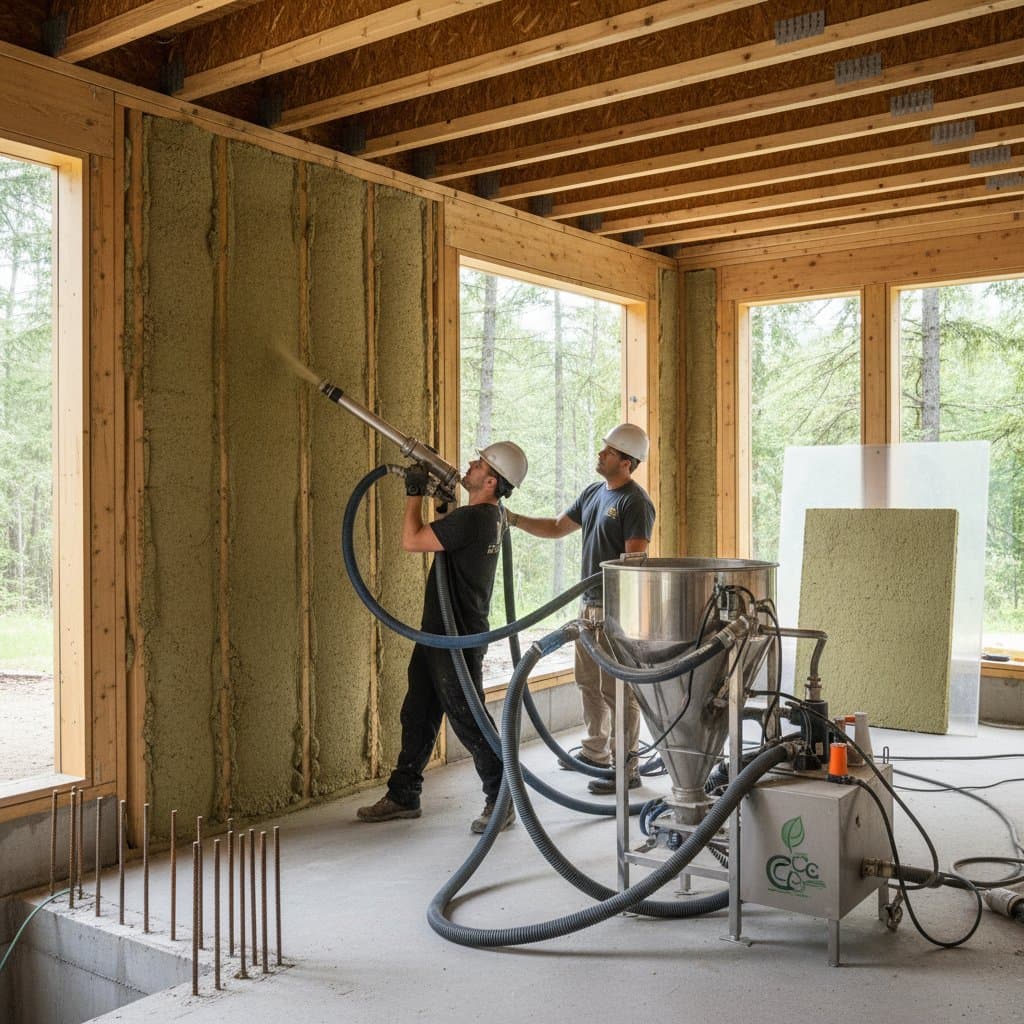
Hempcrete application demands precision, though the process proves manageable with expertise. Contractors focus on exact blend proportions, optimal curing environments, and adequate layer depths. Typically, specialists cast hempcrete on-site around a supportive frame, followed by vapor-permeable plasters or lime finishes.
Homeowners should engage builders versed in biobased systems. These experts supply precise budget estimates, oversee drying timelines, and verify adherence to regional regulations. While hobbyists might tackle minor fixes or partial fills, comprehensive endeavors require professional direction to guarantee performance.
Calculating Lasting Financial Gains
Evaluating hempcrete involves examining tangible and intangible benefits. Tangible gains include diminished energy use and minimal upkeep needs. Intangible advantages encompass better resident health, increased structural toughness, and appeal to sustainability-minded purchasers.
Research in green building indicates that eco-friendly residences command premiums of 5 to 10 percent over standard counterparts. Hempcrete's unique blend of carbon retention, fire defense, and comfort elevation establishes it as a valuable asset in property valuation.
Steps to Integrate Hempcrete
Prospective users begin with a home energy assessment or consultation on green design principles. Pinpoint zones ripe for insulation enhancements or material substitutions. Assess hempcrete's suitability for local weather and building aesthetics. In new constructions, embed the material early in planning. For existing properties, prioritize outer walls or expansions to maximize thermal improvements.
Collaborate with bio-based construction specialists to uphold standards and meet codes. Seek supplier documentation on material efficacy and certifications. Project energy reductions based on dependable models, avoiding narrow time-frame analyses.
Choosing hempcrete transcends constructing superior barriers. It involves crafting residences that harmonize with nature, secure their dwellers, and retain worth across generations.