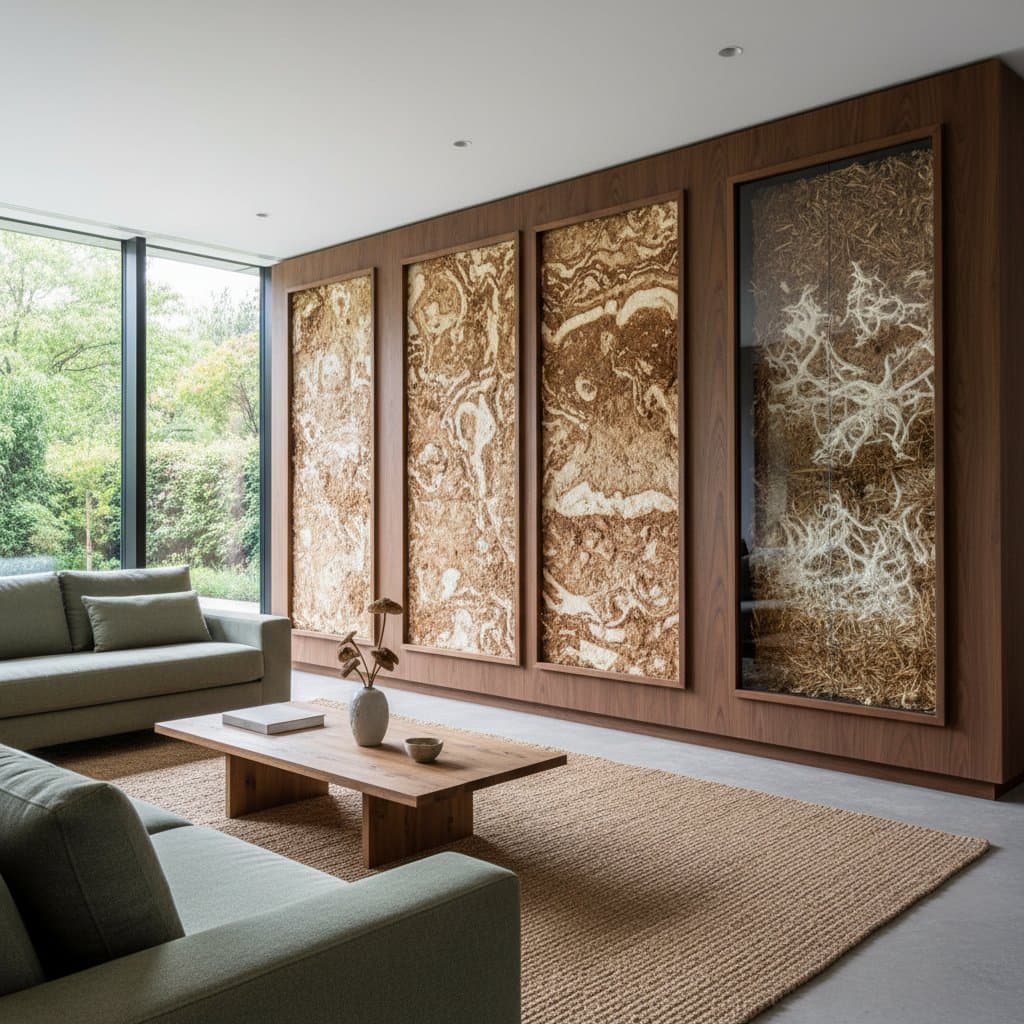
Mycelium Insulation: The Biodegradable Future of Green Homes
Mushrooms typically evoke images of culinary use rather than structural applications. However, architects, builders, and environmental researchers increasingly rely on fungi to pioneer sustainable building materials. Mycelium insulation redefines green home construction by offering an eco-friendly alternative.
Essential Features
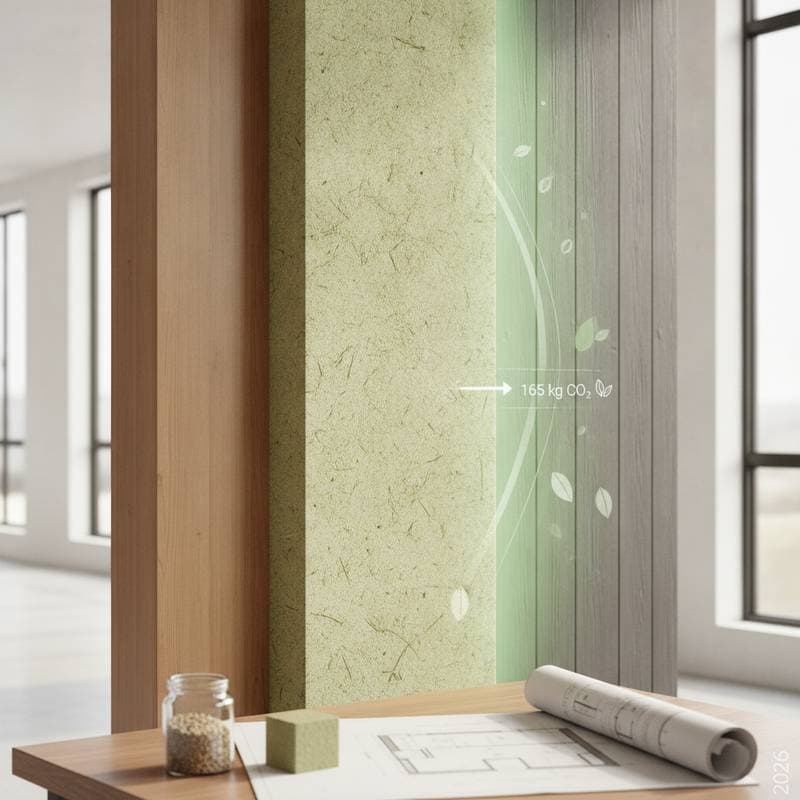
- Mycelium insulation reduces embodied carbon by up to 80 percent relative to foam or fiberglass options.
- The material degrades completely, avoiding microplastic pollution and landfill accumulation.
- Its thermal efficiency equals or surpasses many synthetic counterparts, with R-values ranging from 3 to 4 per inch.
- Production incorporates agricultural waste, such as corn stalks or hemp hurds, minimizing resource depletion.
- The insulation resists fire and mold naturally, eliminating the requirement for harmful chemical treatments.
Understanding the Science of Mycelium Insulation
Mycelium, the intricate root network of fungi, serves as nature's binder for organic substrates, forming robust yet lightweight structures. Under regulated conditions, mycelium grows within molds to produce panels, bricks, or insulation blocks. After growth completes, drying halts fungal activity, yielding a stable, non-active material.
Studies from sustainable building organizations indicate that mycelium composites achieve compressive strengths comparable to lightweight concrete. The material's breathability aids in managing indoor humidity and enhancing air quality. In contrast to petroleum-derived foams, mycelium insulation emits no volatile organic compounds, ensuring safety for workers and occupants.
Dr. Theresa Wu, a materials scientist focused on biomimetic design, describes mycelium as "a living blueprint for circular construction." She notes that batches can utilize local agricultural residues, thereby lowering transport-related emissions and bolstering local economies.
Mycelium Versus Traditional Insulation Materials
Evaluating mushroom insulation's advantages requires direct comparison with standard options.
| Property | Mycelium Insulation | Fiberglass | Spray Foam |
|---|---|---|---|
| Thermal R-Value (per inch) | 3.0 - 4.0 | 2.9 - 3.8 | 3.5 - 6.5 |
| Fire Resistance | Naturally resistant | Requires additives | Requires additives |
| Biodegradability | 100% | Non-biodegradable | Non-biodegradable |
| Toxicity | None | Moderate | High |
| Cost (per sq. ft.) | Moderate | Low | High |
Fiberglass offers lower upfront costs, yet its environmental and health impacts prove substantial. Spray foam delivers superior insulation but relies on petrochemicals and risks moisture retention, potentially causing structural issues. Mycelium provides an optimal balance of efficacy, safety, and ecological responsibility.
The Growth Process Over Traditional Manufacturing
Mycelium insulation distinguishes itself through a cultivation rather than a fabrication approach. The mycelium network assimilates waste materials like sawdust or hemp hurds, creating a dense, absorbent matrix. Formation occurs over a few days, influenced by environmental controls for temperature and moisture. Heat treatment then stabilizes the final product.
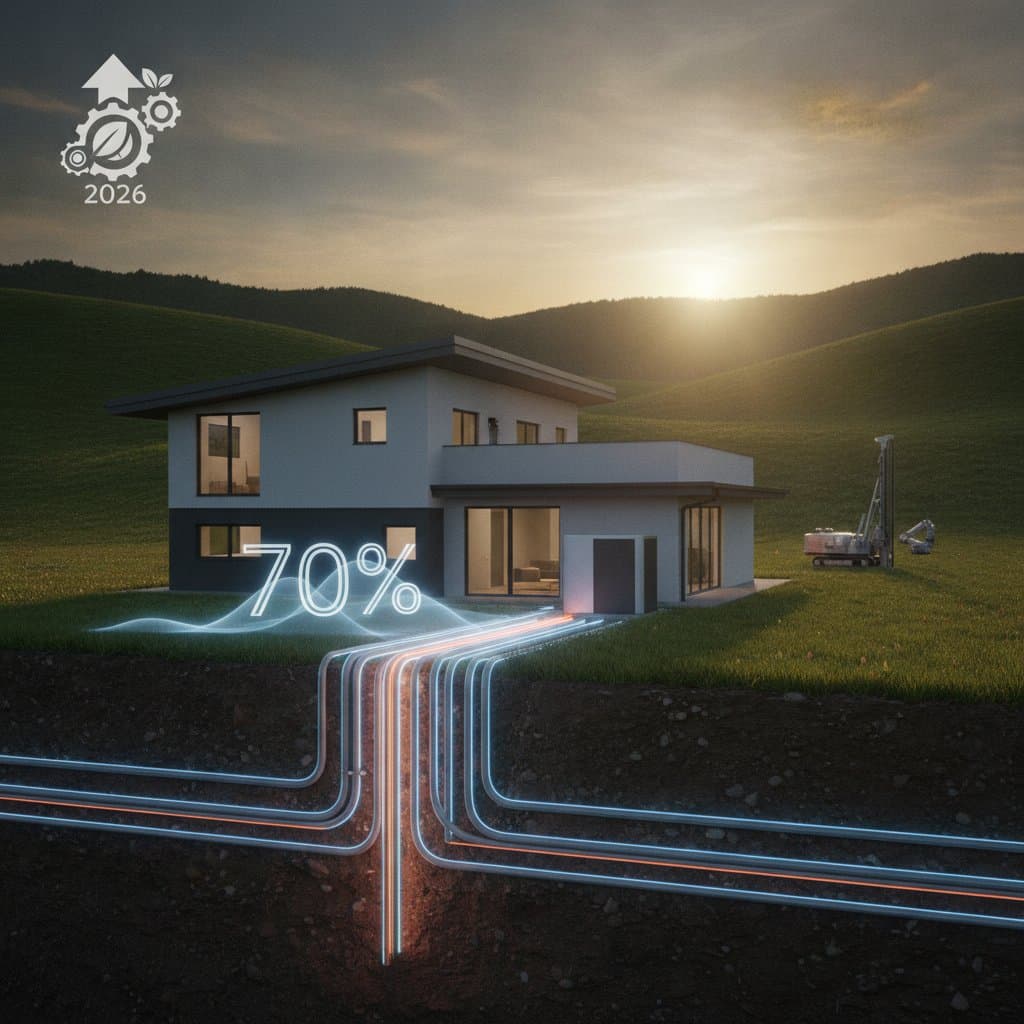
This energy-efficient method stands in stark opposition to the intensive processes for conventional insulations, which demand high-temperature glass melting or chemical expansion. Initial lifecycle analyses reveal that mycelium production consumes over 70 percent less energy.
Small-scale producers and DIY participants benefit from the potential for on-site cultivation, bypassing extended supply networks. Emerging companies offer kits for consumers to produce custom panels, fostering grassroots sustainability initiatives.
Broader Environmental and Health Advantages
Mycelium insulation's ecological merits surpass mere carbon reduction. Full biodegradability allows safe soil reintegration at the end of service life, free from lingering pollutants.
Chitin in its cell structure provides inherent defenses against pests, mold, and flames, obviating chemical interventions that compromise indoor air. Individuals with sensitivities to allergens or irritants experience notable improvements in comfort.
Data from environmental health studies demonstrate that mycelium-insulated structures sustain stable humidity and reduce airborne contaminants. Such attributes prove especially valuable in humid areas or buildings with limited airflow.
Economic Considerations for This Living Material
Budget constraints influence sustainable choices. Mycelium insulation incurs a modest premium over fiberglass, though costs decline with expanded production.
True value emerges from its minimal ecological impact and localization potential. Builders realize savings on waste handling and disposal, as the material composts or repurposes without fees. Breathability further trims energy needs for ventilation, potentially lowering operational expenses by 10 to 15 percent according to select analyses.
Recognition from green certification programs qualifies mycelium for incentives, elevating property worth and access to sustainable funding.
Implementing Mycelium in Sustainable Designs
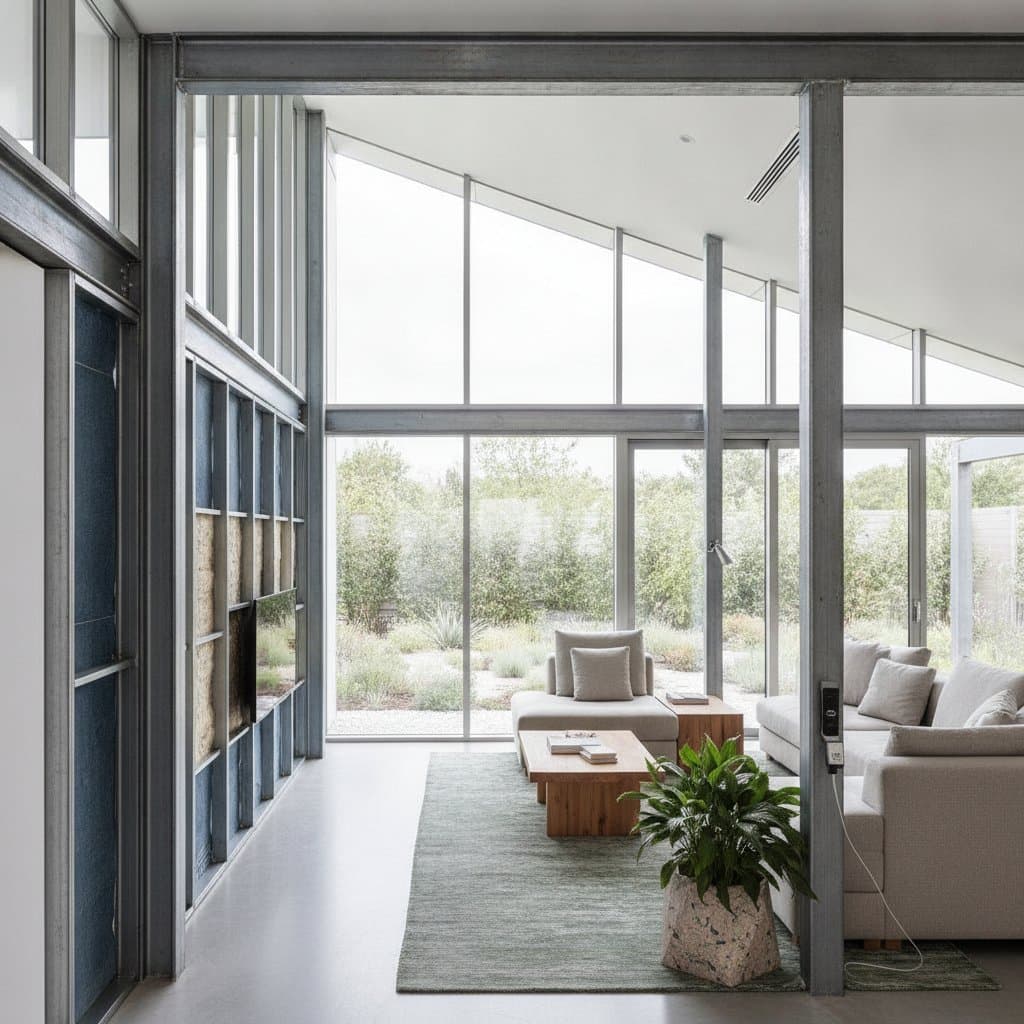
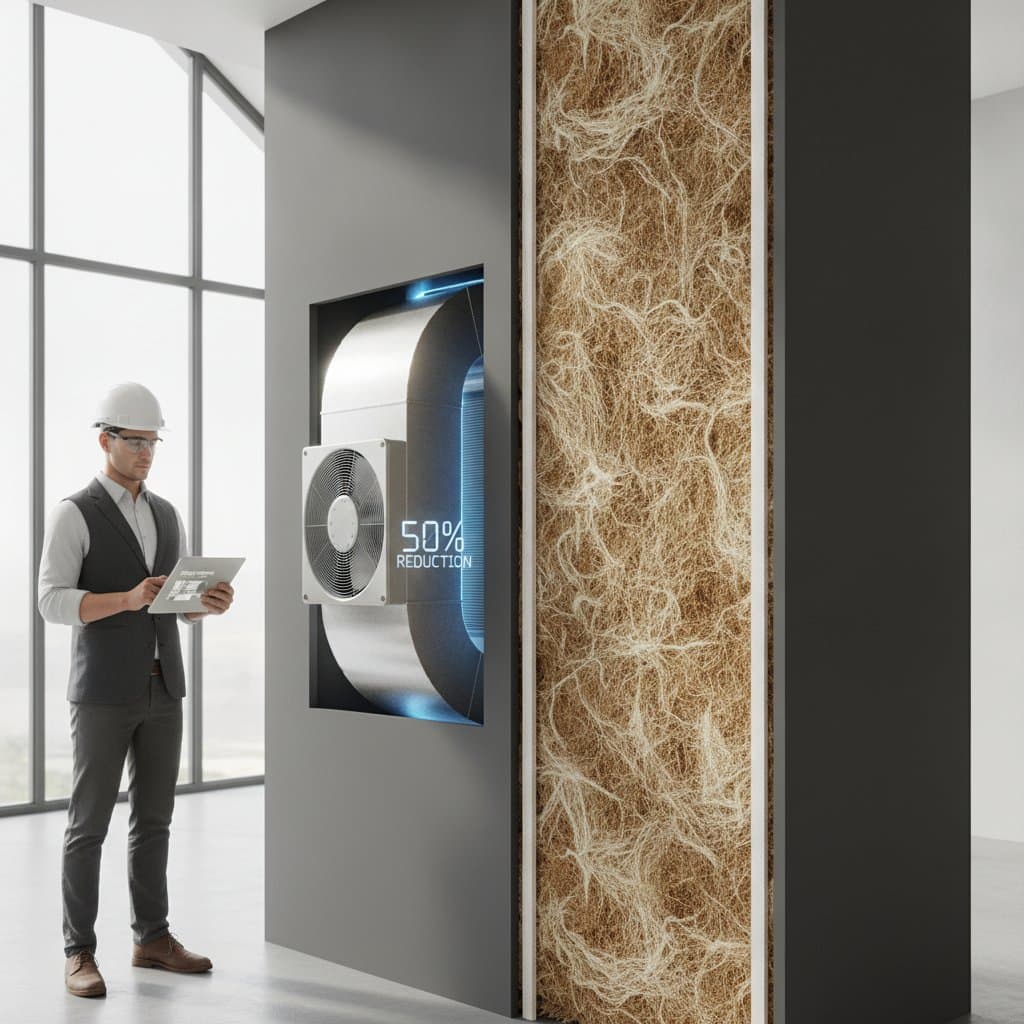
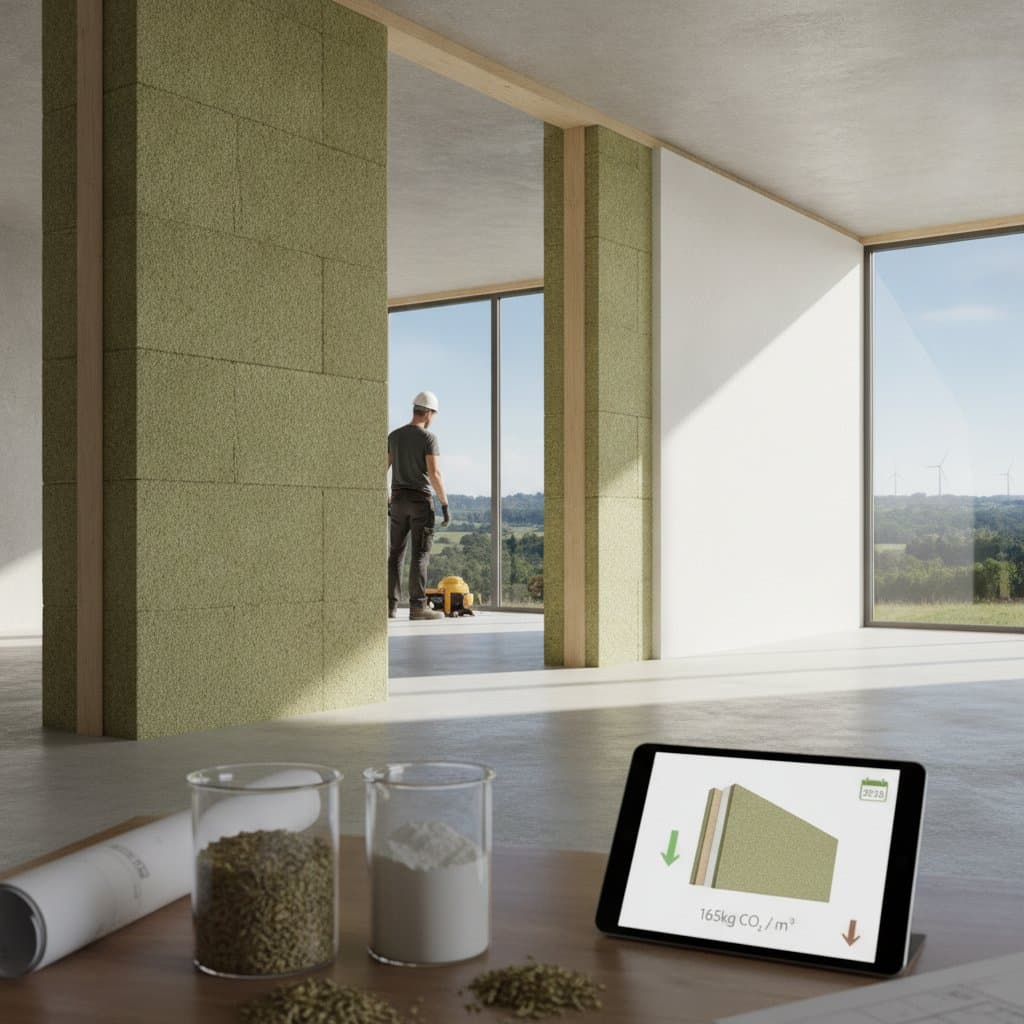
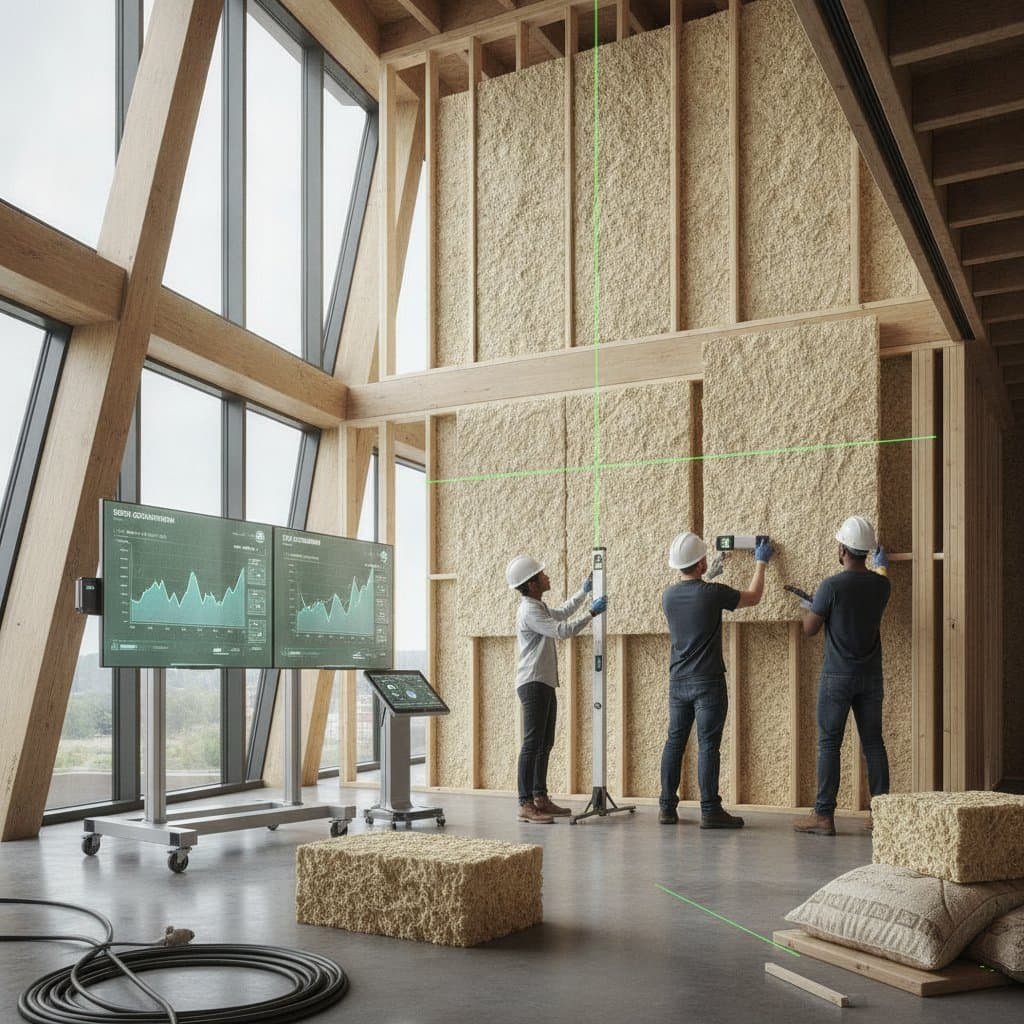
Architects and contractors integrate mycelium insulation with minimal adaptations to conventional frameworks. Panels fit seamlessly between studs, akin to mineral wool installations. Rigid boards suit prefabricated assemblies.
Innovative firms test mycelium in walls, ceilings, acoustic panels, and experimental load-bearing elements. Moldability enables diverse forms, enhancing both utility and visual appeal.
Pairing with complementary naturals like bamboo or hempcrete aligns with holistic eco-strategies. This combination aids certification attainment and satisfies rising preferences for non-toxic environments.
Addressing Limitations and Research Progress
Mycelium insulation encounters obstacles, including sensitivity to moisture that necessitates protective barriers in outer walls. Humid regions may require supplementary vapor controls to avert infiltration.
Scaling remains a priority, as uniform growth demands precise environmental management and quality protocols under development. Progress in cultivation techniques enhances reliability and mitigates contamination.
Experts anticipate widespread adoption akin to recycled cellulose within ten years. Collaborations between architects and biotech firms introduce automated systems for industrial-scale growth.
Steps to Adopt Mycelium Insulation
Homeowners and professionals initiate adoption through informed exploration and trials. Identify regional suppliers or biofabrication facilities via sustainability networks. Universities and incubators often connect with mycelium innovators.
Incorporate discussions on natural options during renovation or construction planning. Hybrid systems, applying mycelium internally and resilient materials externally, offer practical entry points.
Embracing this insulation advances performance while upholding circular principles. Each cultivated section advances toward carbon-neutral habitats, rooting sustainable homes in natural processes for enduring warmth, health, and ecological ties.