Key Benefits of Mycelium Insulation
- Mycelium insulation excels in natural fire resistance, sound dampening, and complete biodegradability, setting it apart from synthetic options.
- It delivers robust thermal efficiency at costs that match or undercut traditional materials when full lifecycle expenses are considered.
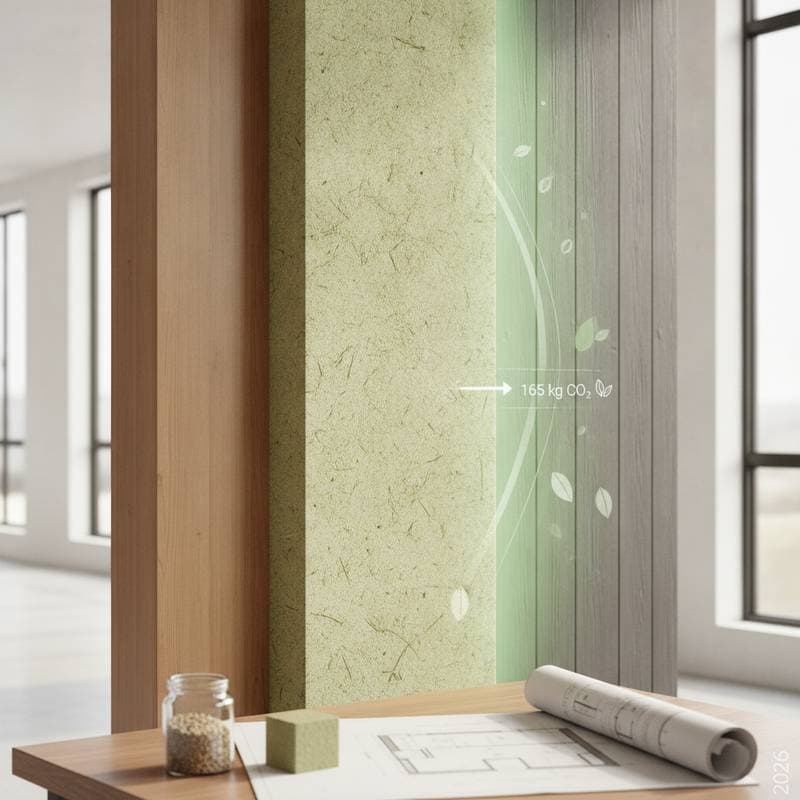
- Production through fungal growth minimizes embodied energy and carbon output compared to factory-made insulators.
- Customization options for density, moisture resistance, and shape make it versatile for new constructions and renovations alike.
- Users experience reduced utility bills and enhanced air quality, free from chemical additives that cause irritation.
Balancing Comfort, Efficiency, and Responsibility in Home Building
Homeowners often grapple with achieving a cozy, energy-smart living space while keeping budgets and the planet in mind. Standard insulation materials, tucked away in walls and attics, drive significant energy demands and upkeep expenses. Yet many rely on petroleum-derived processes and hard-to-recycle elements that complicate sustainability.
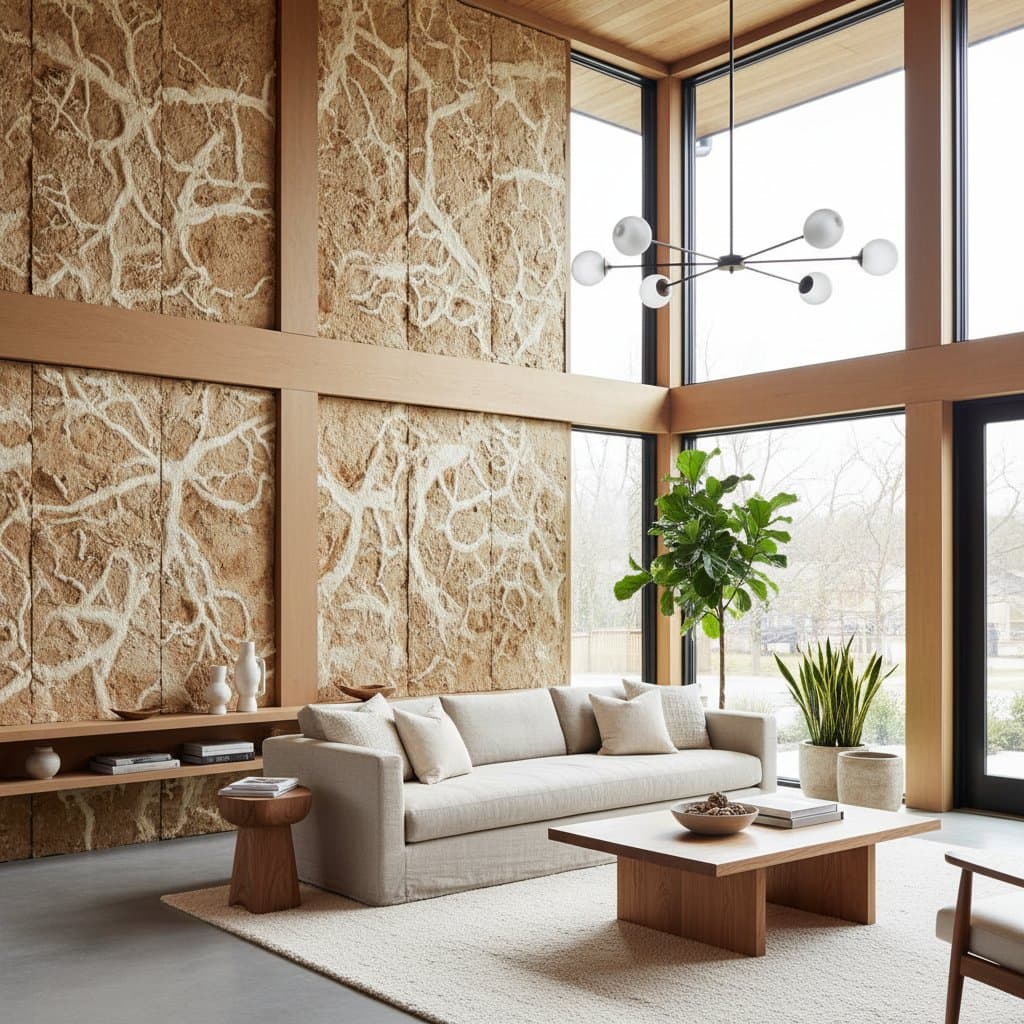
Mycelium insulation changes this equation by leveraging mushroom roots to form a material that self-assembles using farm leftovers like straw or wood scraps. This biological method yields a light, tough, and fully compostable product that rivals conventional insulators in function.
The Rising Demand for Mycelium in Modern Homes
Adopting mycelium insulation goes beyond fleeting interest; it aligns with the push for materials that unite durability and low impact. Builders and residents prioritize options that curb waste and emissions without skimping on livability. Mycelium meets these needs head-on.
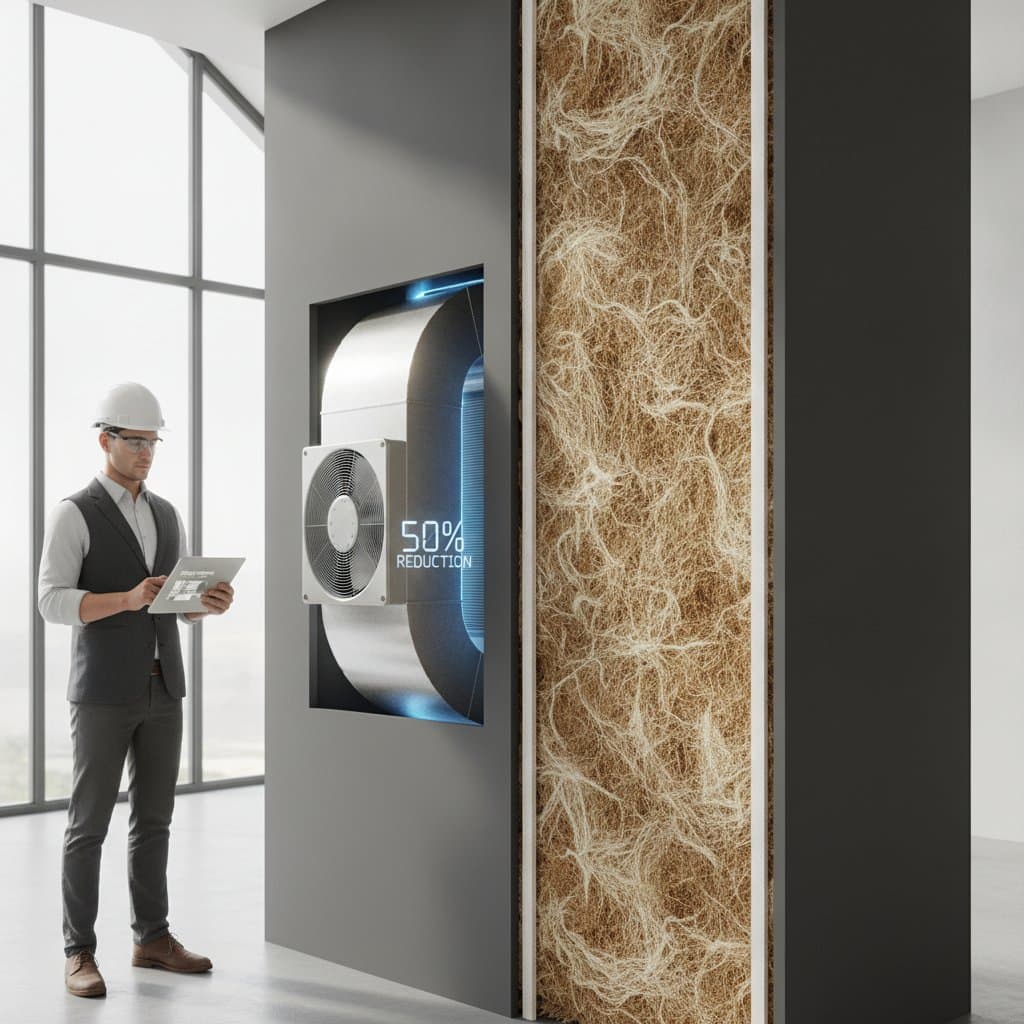
Market trends show eco-focused consumers ready to back products with clear green credentials. In a mycelium-insulated residence, expect heating and cooling savings of 10 to 20 percent, varying by build details and local weather. These gains often recoup investments within eight to ten years amid fluctuating fuel prices.
Understanding the Biology Behind Grown Insulation
Mycelium forms the underground web of fungi, binding substrates like hemp or sawdust through organic expansion. Growth halts via heat treatment, producing stable, airy panels or blocks that resist mold and flames naturally.
This low-energy approach skips the adhesives and high-heat demands of fiberglass or foam production. Panels stay breathable and adjustable, with R-values from 3.0 to 4.0 per inch, on par with popular choices.
Performance Metrics and Longevity
The material's open-cell structure captures air for effective heat control and noise reduction, ideal for walls, ceilings, and dividers. Fire tests reveal it carbonizes slowly instead of burning rapidly, enhancing safety.
For humidity, integrate it with vapor-open systems like lime finishes or wood siding to prevent trapped moisture while maintaining airflow. Such setups ensure longevity comparable to established natural insulators.
Evaluating Costs and Returns
Initial pricing depends on regional availability, often $5 to $10 per square foot installed where production thrives, akin to cellulose or rock wool. Lifecycle analysis highlights savings from lower energy draws, minimal repairs, and no disposal charges for non-biodegradables.
Annual returns can hit 8 to 12 percent through efficiency gains and waste avoidance. Across two decades, this builds substantial equity in a healthier, more resilient home.
Insights from Builders on Real-World Use
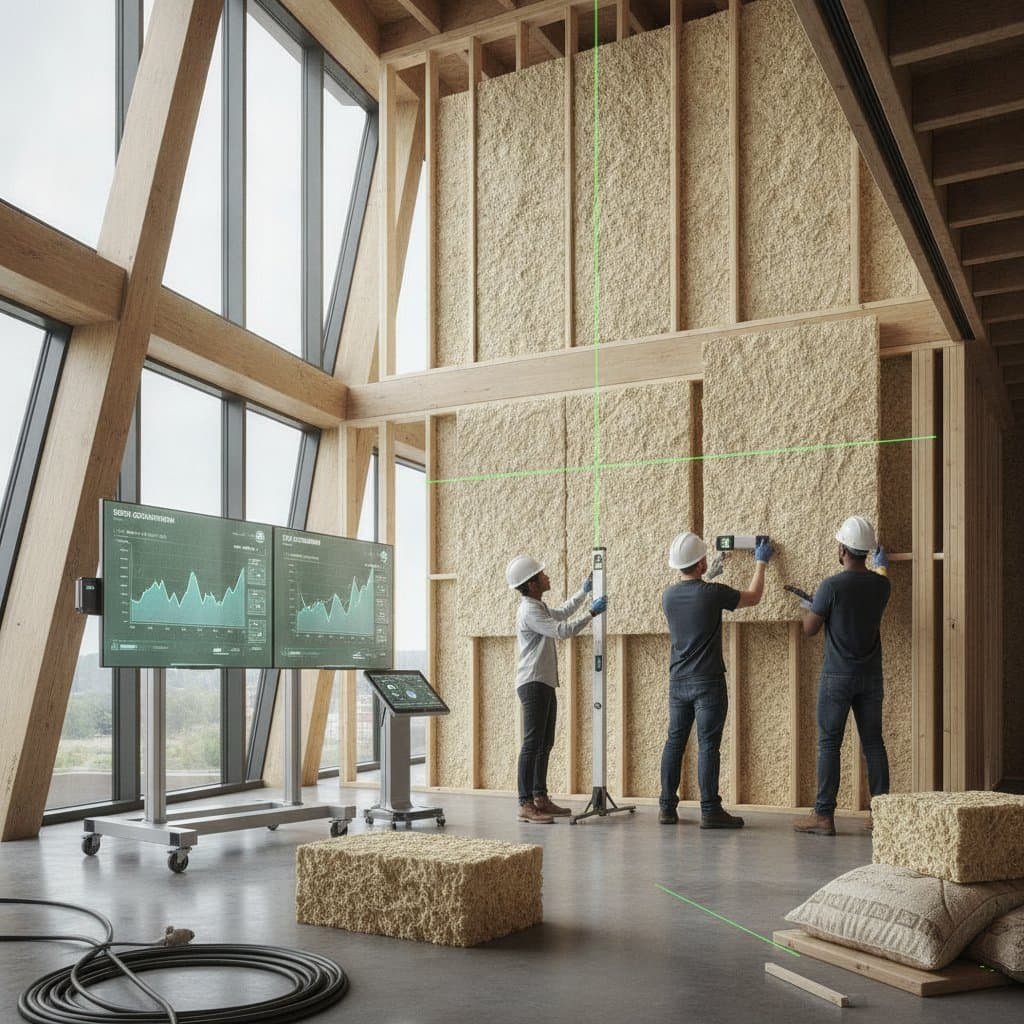
Professionals praise mycelium's ease in practice, available as cuttable panels, fillable granules, or ready-made assemblies. In retrofits, standard saws handle panels for quick integration; new projects benefit from molded blocks that streamline framing and insulating.
Designers value its moldability for non-standard shapes, minimizing gaps that leak heat and air. This precision boosts overall envelope tightness, vital for optimal energy performance.
Installers note the material's user-friendliness: no itchy particles or hazardous dust means basic gloves suffice, cutting training and gear needs on job sites.
Boosting Health and the Environment
Unlike many insulators with chemical treatments that emit vapors, mycelium uses none, fostering cleaner indoor spaces beneficial for respiratory health.
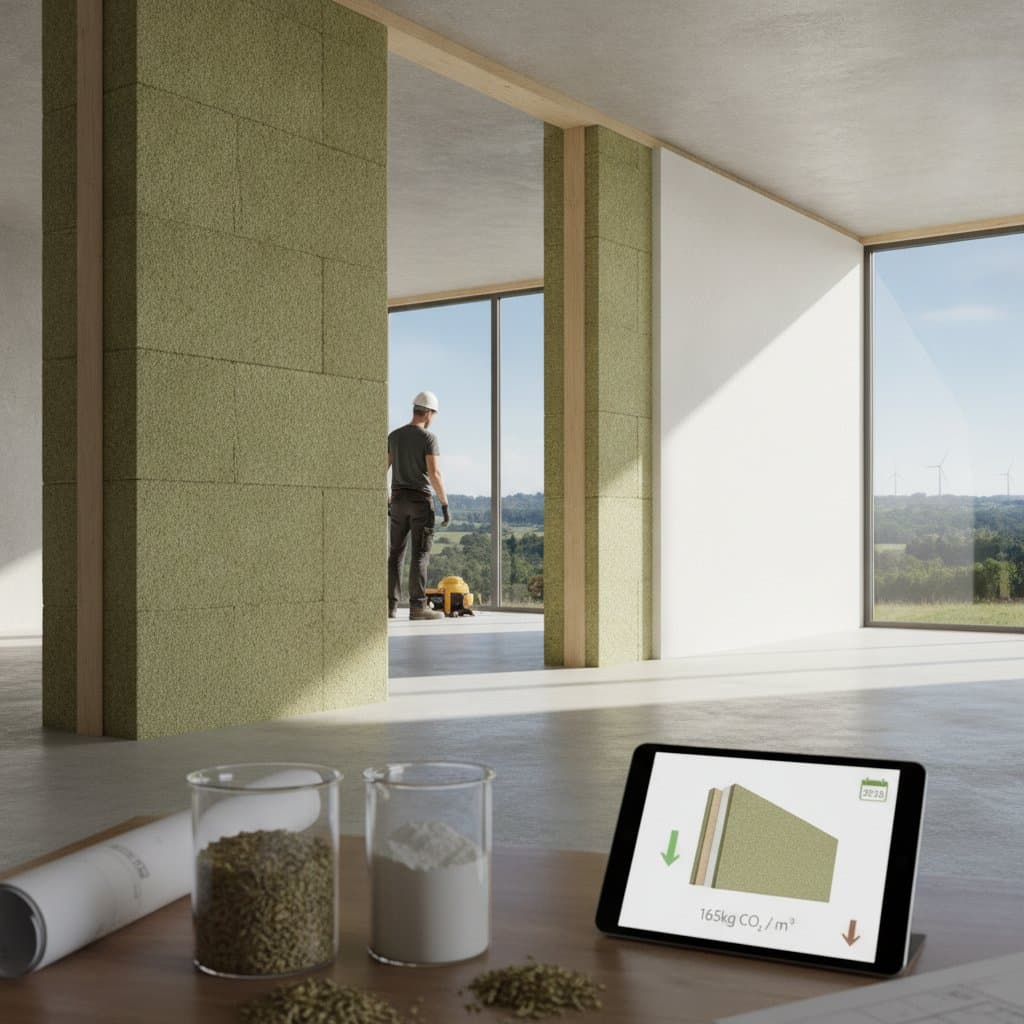
Ecologically, it repurposes waste streams, locking away carbon as it grows and breaking down harmlessly later. One cubic meter offsets emissions equivalent to several synthetic batches, advancing closed-loop building practices.
These dual gains appeal to those wanting practical upgrades that honor both well-being and resource stewardship, often at prices that compete directly.
Mycelium Versus Traditional Options
Assess fit by weighing mycelium against common alternatives:
| Material Type | R-Value per Inch | Sustainability | Health Considerations | End-of-Life Disposal |
|---|---|---|---|---|
| Fiberglass | 2.5 - 3.5 | Moderate, recyclable but energy-intensive | Irritating fibers, requires PPE | Landfill or recycling |
| Mineral Wool | 3.0 - 3.7 | Moderate, high embodied energy | Non-toxic, heavy | Landfill or recycling |
| Spray Foam | 5.0 - 7.0 | Low, petrochemical base | Off-gassing during curing | Difficult to recycle |
| Cellulose | 3.2 - 3.8 | High, made from recycled paper | Dust during install | Biodegradable |
| Mycelium | 3.0 - 4.0 | Very high, grown not manufactured | Safe to handle, no chemicals | Fully biodegradable |
Spray foam tops thermal ratings but falters on eco and end-use fronts. Mycelium provides well-rounded excellence in efficiency, safety, and stewardship.
Answering Frequent Concerns
Does it draw pests? Heat processing renders it nutrient-free and unappealing to bugs or vermin.
What is its lifespan? In well-designed assemblies, it endures as long as framing or fiber options, with protection from excess dampness key.
Works in wet areas? Absolutely, paired with permeable barriers that vent moisture, following protocols for any organic material.
DIY possible? Simple panels suit handy tasks, but pros ensure code adherence for bigger jobs.
Steps to Integrate Mycelium into Your Home
Begin with a professional energy assessment to pinpoint upgrade priorities in your structure. Then, connect with bio-material experts or contractors to select compatible systems for your region's conditions.
Source from verified producers to guarantee quality, and plan installations during off-peak seasons for smoother execution. Track post-install metrics like bills and comfort to quantify improvements.
Realizing Lasting Gains from Mycelium Choice
Opting for mycelium insulation secures immediate efficiencies and enduring value. It lowers ongoing costs, elevates living standards, and aligns with forward-thinking stewardship. Homeowners gain a resilient space that supports wellness and planetary health without excess trade-offs.