Key Points
- Hempcrete serves as insulation that stores carbon and supports lower home emissions.
- The material blends hemp hurds, lime, and water to form a breathable wall system.
- Well designed installations store more carbon than production releases.
- Success requires attention to curing periods, moisture control, and regional sourcing.
- Owners often experience reduced energy bills and steadier indoor conditions.
A New Chapter in Sustainable Building
Homeowners frequently face trade offs between comfort, expenses, and environmental goals. Drafts, inefficient heating systems, and material price increases add pressure. Hempcrete offers walls that feel solid, store carbon, and maintain steady indoor conditions through seasonal shifts.
Early projects revealed that residents notice a consistent natural atmosphere indoors. The material interacts with surrounding air while preserving comfort. Builders now view hempcrete as a reliable option for lower emission construction.
Carbon Storage and Daily Comfort
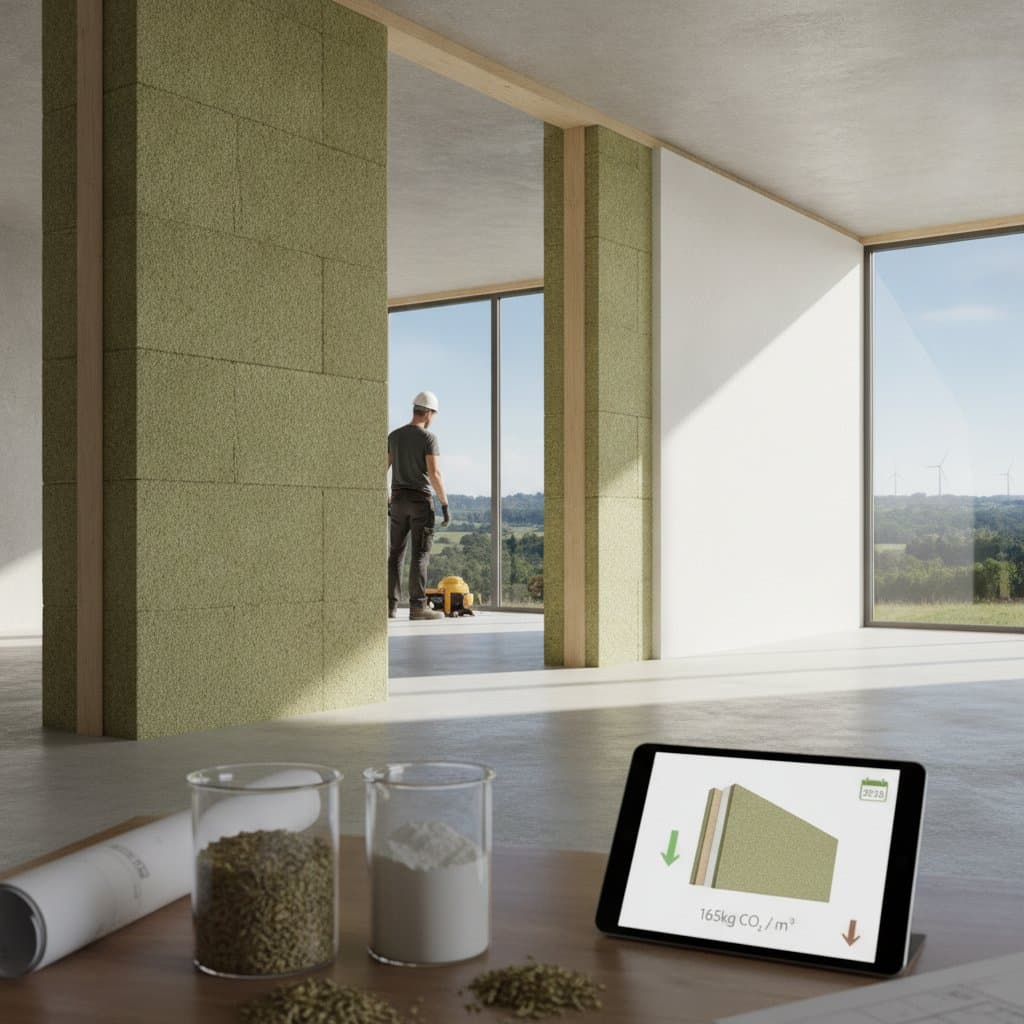
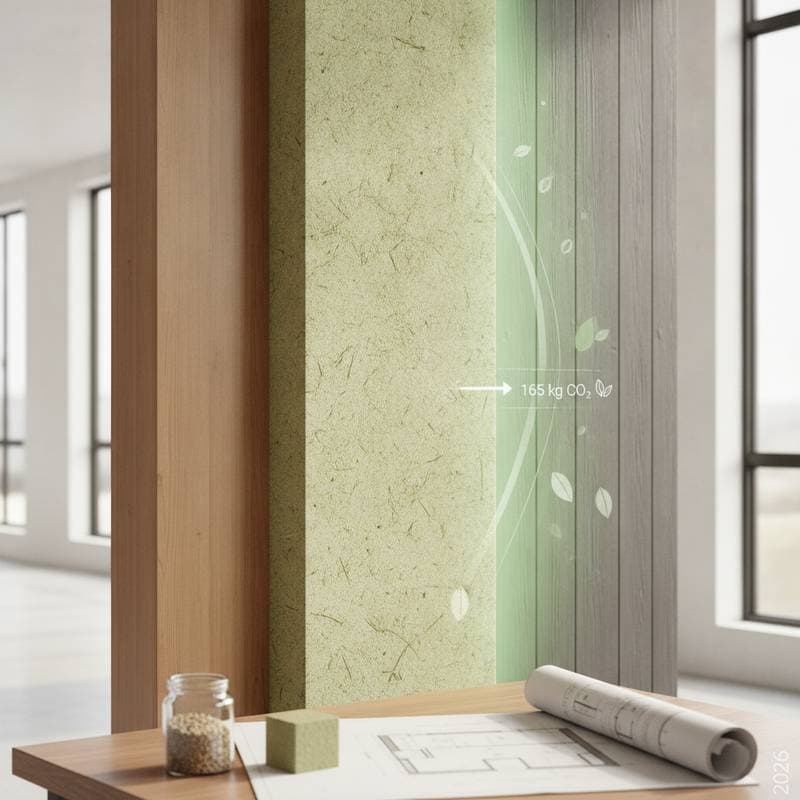
Standard insulation often carries high manufacturing emissions. Hempcrete reverses this pattern. The hemp plant captures carbon dioxide during growth and retains it in the finished walls after mixing with lime. The result is a building envelope that removes more carbon than it produces.
The same structure manages heat and moisture effectively. Vapor passes through the material, which reduces mold risk in damp areas and maintains balanced humidity in arid zones. This performance cuts reliance on mechanical systems and can lower annual energy use.
Composition and Performance
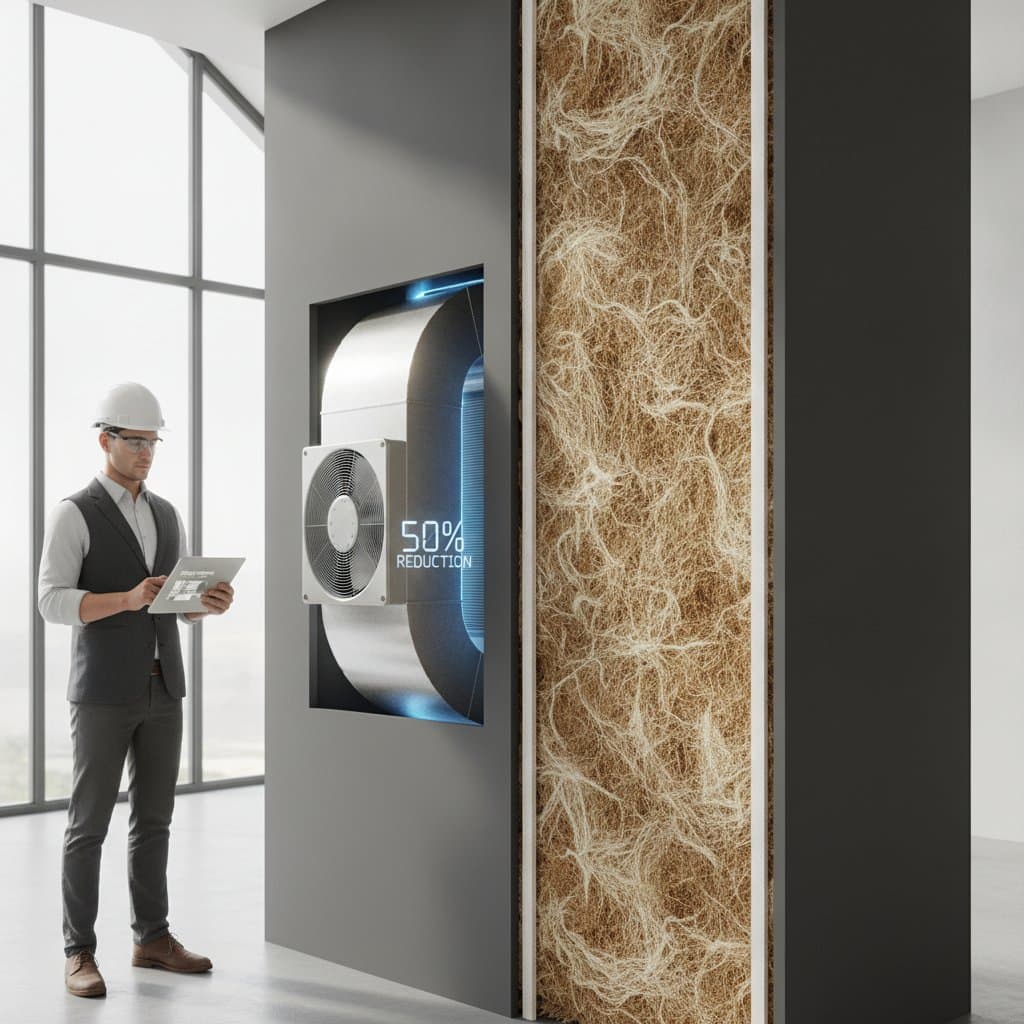
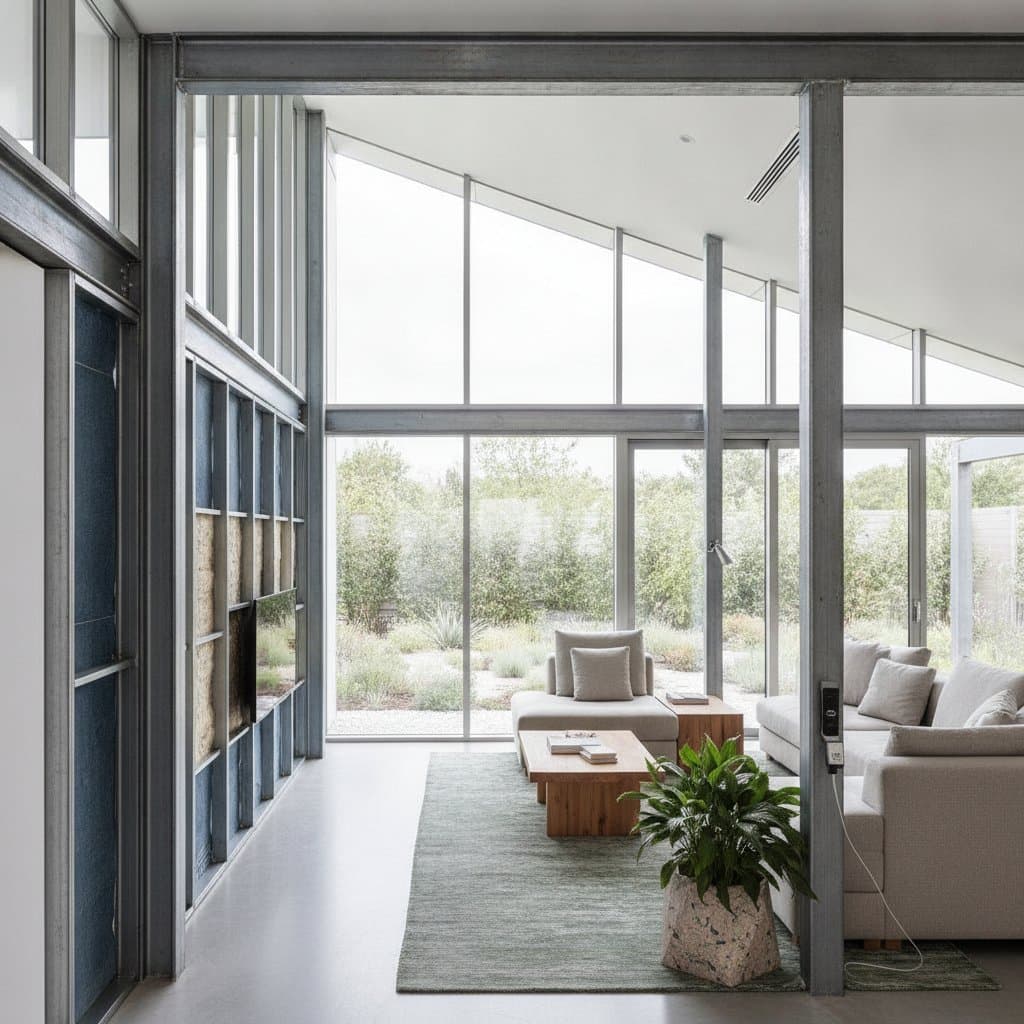
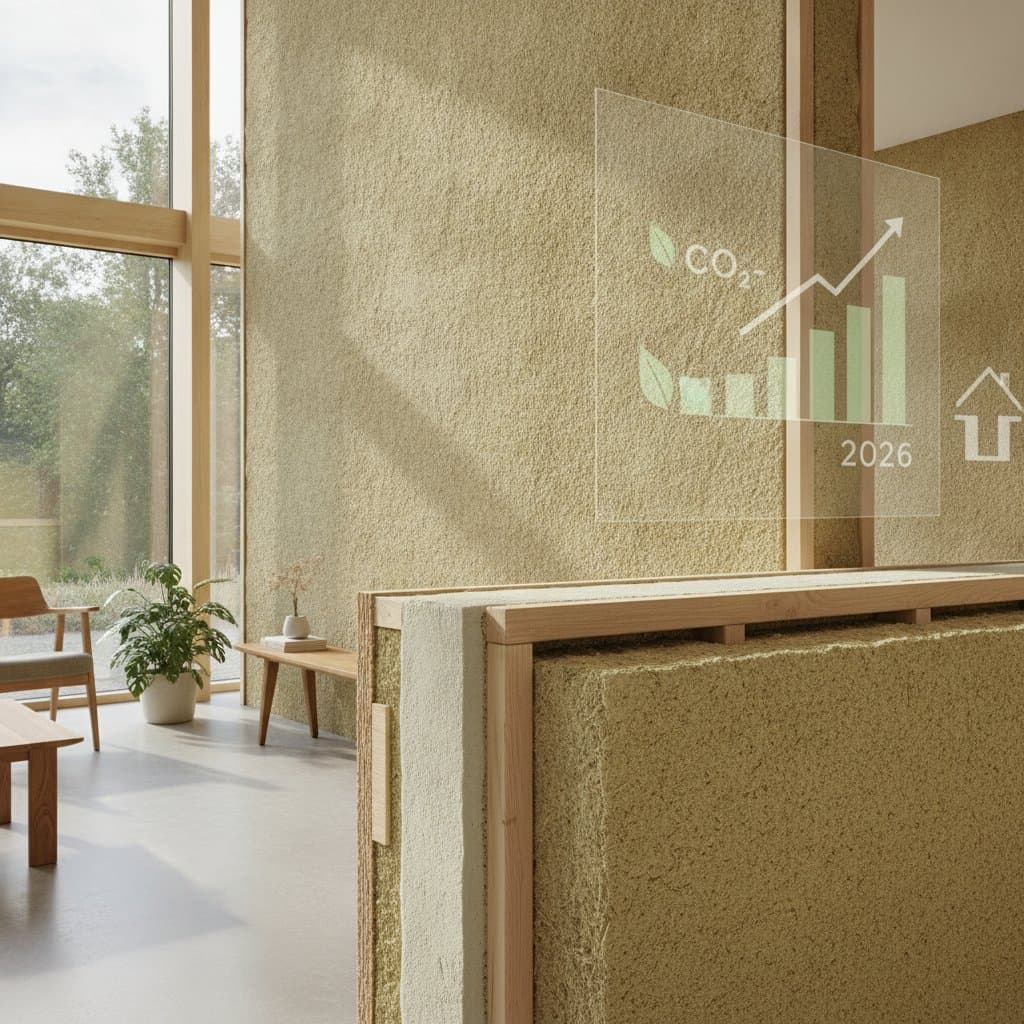
Three ingredients create hempcrete: the woody core of the hemp stalk, lime binder, and water. The mixture fills cavities around a timber or steel frame because it lacks structural strength on its own.
Thermal resistance and heat storage work together. Although the resistance value per inch is modest, the overall mass stabilizes room temperatures and limits swings. The approach functions like a self adjusting layer that avoids moisture buildup.
Construction Sequence
- Plan wall assemblies that accept vapor permeable finishes such as lime plaster.
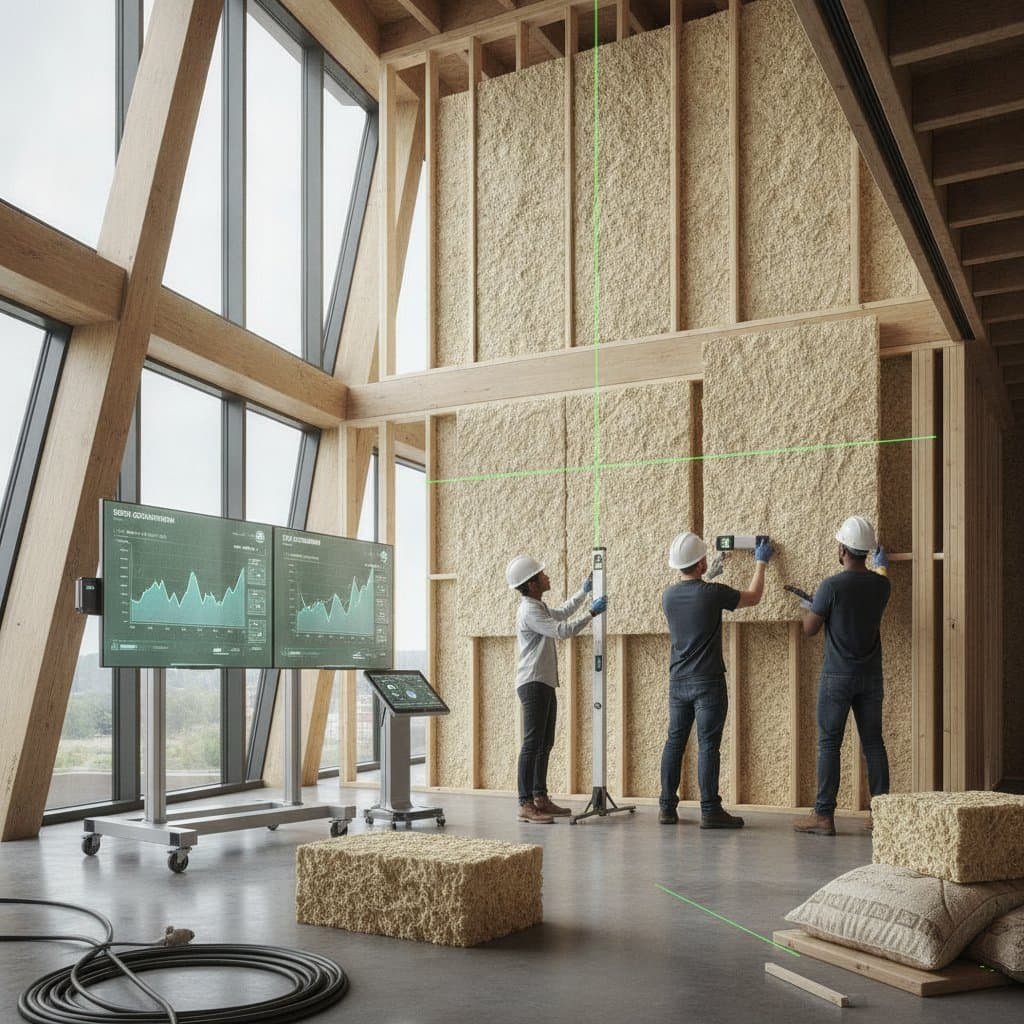
- Erect the primary frame first, then place hempcrete as infill.
- Combine materials on site and pack or spray them into forms while monitoring water content.
- Permit several weeks of curing so the lime can continue absorbing carbon dioxide.
- Apply mineral based coatings that preserve airflow.
Practical Measures for Better Results
- Obtain hemp from nearby growers to limit transport emissions.
- Align wall placement with solar orientation to improve passive performance.
- Pair the walls with on site renewable systems to maximize efficiency gains.
- Schedule periodic inspections of surface coatings to maintain moisture balance.
- Engage installers experienced with hemp lime techniques.
Cost, Timeline, and Code Factors
Installation typically ranges from 18 to 25 dollars per square foot. Energy reductions and carbon benefits often recover the premium within a decade. Curing requires patience compared with synthetic products, yet the finished assembly needs little upkeep and resists fire and pests.
Local codes increasingly recognize hemp lime construction. Projects targeting third party certifications gain credit for material selection, energy performance, and indoor air quality.
Environmental and Health Outcomes
One cubic meter of hempcrete can hold approximately 100 kilograms of carbon dioxide. A standard residence therefore sequesters several tons within its walls. Lower operating energy adds further reductions.
Absence of volatile compounds keeps indoor air clean. Lime content discourages microbial growth, which supports respiratory comfort and can lessen allergy symptoms.
Implementation Path
Begin with an assessment by a builder familiar with natural materials and regional climate demands. Compare mix designs, review wall thicknesses, and model expected carbon storage before construction starts. Careful preparation converts the material into lasting comfort and measurable emission cuts whether the project is an addition or a complete rebuild.