Mushroom Insulation: An Eco-Innovation for Home Energy Savings
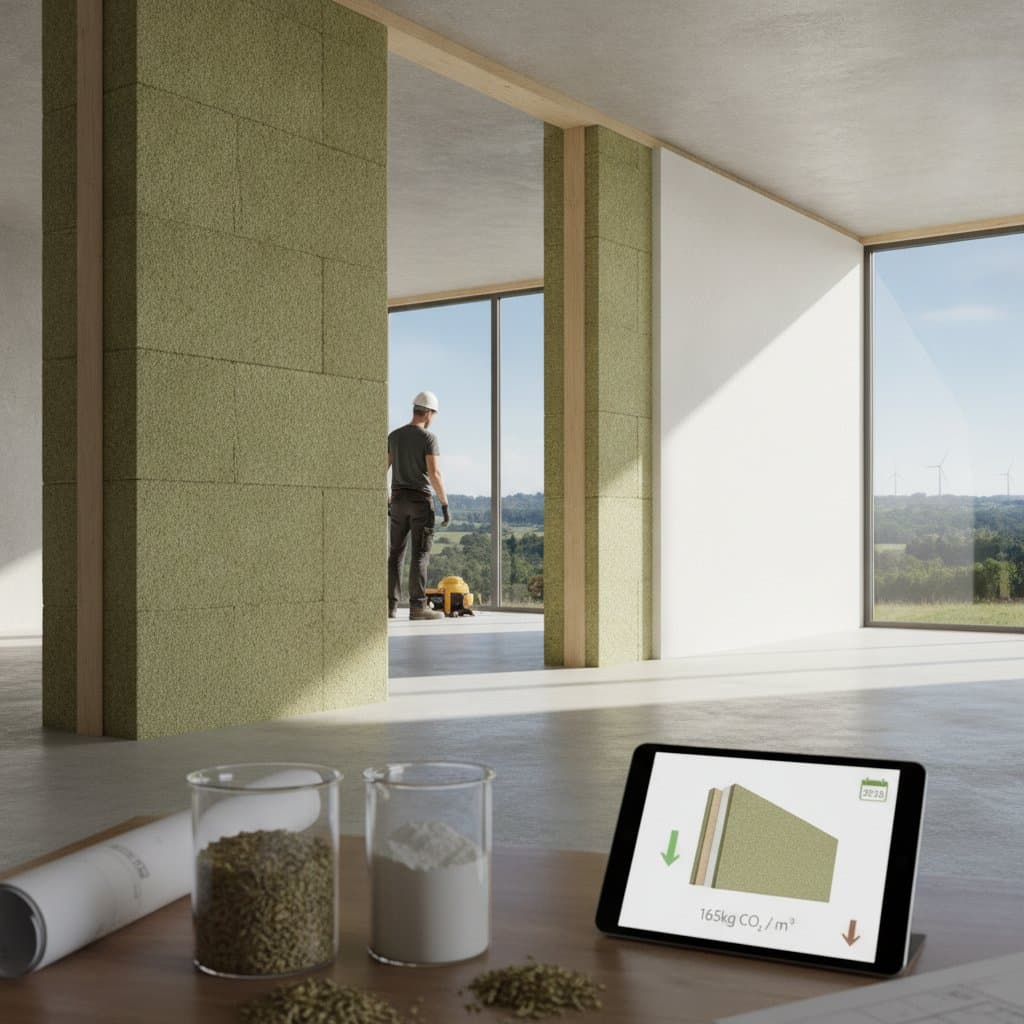
Consider a home insulation that develops organically, sequesters carbon during production, and decomposes harmlessly at the end of its useful life. Such a solution exists today. Mushroom insulation, derived from the fungal root structure called mycelium, reshapes perspectives on energy efficiency, waste minimization, and sustainable building practices among homeowners and construction professionals.
Essential Benefits
- Mushroom insulation reduces heating and cooling expenses by up to 25 percent relative to synthetic options.
- Mycelium-based products decompose fully, enabling a zero-waste lifecycle.
- Manufacturing incorporates agricultural residues, such as corn husks or hemp hurds, to minimize resource consumption.
- Fire resistance and moisture management capabilities equal or exceed those of conventional foam insulation.
- Property owners realize investment recovery in three to five years through energy cost reductions alone.
How Mushroom Insulation Works
Mushroom insulation emerges not from mushroom caps but from mycelium, the thread-like network that anchors fungal development. Under regulated conditions, mycelium integrates organic waste into compact, lightweight forms. After reaching the intended dimensions, heat treatment halts further growth, yielding stable, enduring, and eco-derived insulation panels.
This method employs minimal synthetic additives. Unlike petroleum-derived foams or fiberglass, mycelium insulation forms within molds nourished by farm byproducts. The outcome merges contemporary insulation efficacy with the restorative qualities of biological resources.
The Growth Process Explained
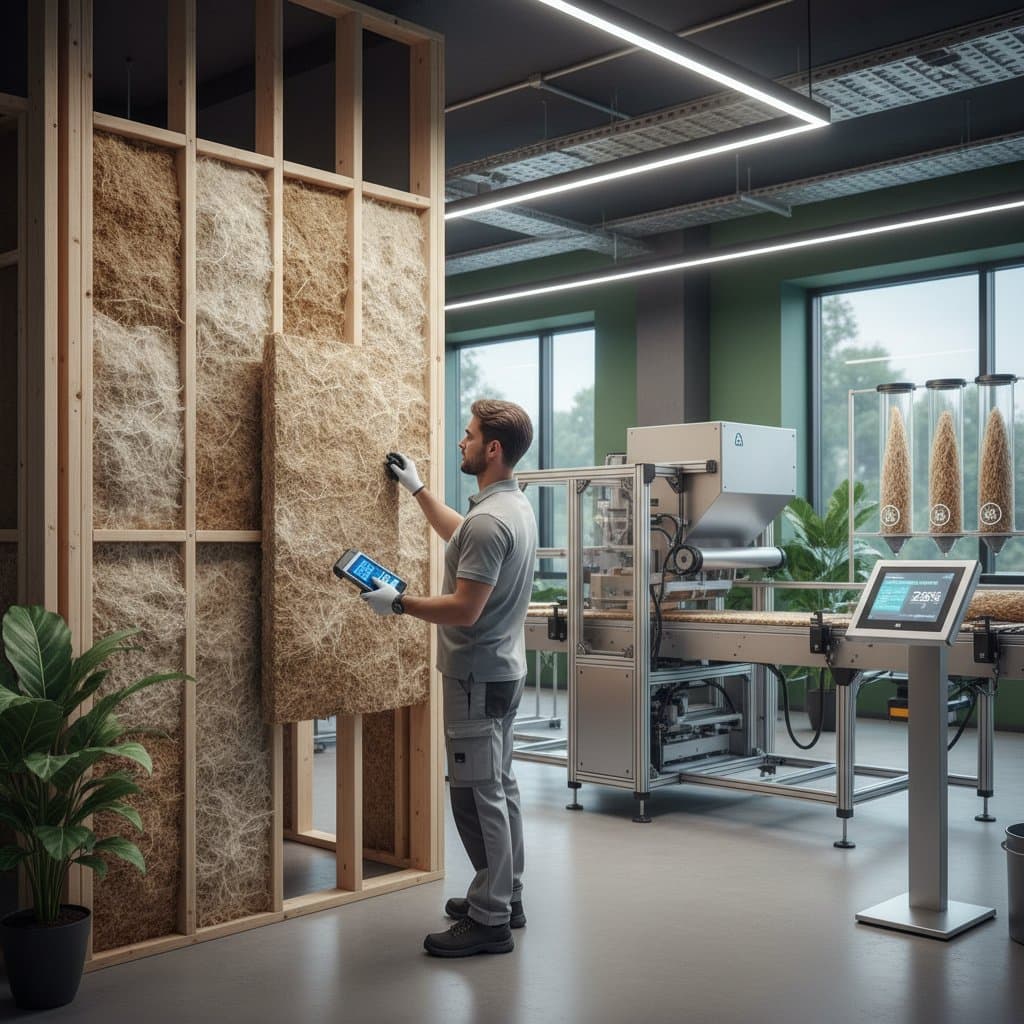
Production starts with blending farm residues like sawdust, straw, or corn stalks with mycelium spores. Workers pack this blend into tailored molds that shape the end product, from panels to blocks or sprayable variants. Within days, the mycelium weaves through the base material, forming a robust matrix that secures the components without external aids.
At growth completion, low-heat processing neutralizes the fungi, producing a product that remains inert and dependable. The result weighs little, permits airflow, and withstands wear. Grown rather than forged in energy-intensive factories, it generates a minimal carbon footprint.
Mushroom Insulation Versus Traditional Materials
Evaluating mushroom insulation requires comparison to established choices like fiberglass, expanded polystyrene (EPS), and mineral wool.
| Material Type | Average R-Value per Inch | Fire Resistance | Environmental Impact | End-of-Life Disposal |
|---|---|---|---|---|
| Fiberglass | 2.2 - 2.7 | Moderate | High energy production | Non-biodegradable |
| EPS Foam | 3.6 - 4.2 | Poor | Petroleum-based | Non-recyclable |
| Mineral Wool | 3.0 - 3.3 | Excellent | Moderate | Limited recyclability |
| Mycelium Insulation | 3.0 - 3.5 | High | Low energy, carbon negative | Fully biodegradable |
Although fiberglass and foam offer low initial costs and broad availability, they demand substantial resources and generate persistent waste. Mycelium insulation delivers equivalent R-values for thermal insulation while adding humidity control and air purification advantages from its organic makeup.
Transformative Advantages of Mycelium Insulation
Enhanced Energy Performance and Comfort
The primary appeal for residents lies in superior energy use. Mycelium insulation excels at capturing air, which limits heat movement across walls. Research indicates that structures using this material experience 15 to 25 percent lower yearly heating and cooling demands.
This effectiveness arises from the material's fine structure, where mycelium strands create numerous small air voids for insulation. Its permeability also balances indoor moisture levels, elevating comfort and curbing mold formation.
Superior Fire and Moisture Protection
The dense, carbon-dense composition of mycelium insulation provides inherent fire resistance. Under intense heat, it carbonizes instead of liquefying, forming a barrier that impedes flame progression. Performance evaluations place its fire ratings on par with mineral wool, a benchmark for safety in insulation.
For moisture, the material's vapor permeability enables excess dampness to dissipate, avoiding accumulation. This feature proves invaluable in humid regions or areas with wide temperature swings, where standard insulations might foster rot by retaining water.
Financial Returns and Enduring Benefits
Initial expenses for mushroom insulation may exceed those of fiberglass marginally, yet energy reductions recoup costs promptly. Recovery periods average three to five years, influenced by regional utility rates and property scale. The material's extended durability and negligible upkeep yield additional long-term economies.
Mycelium insulation resists breakdown, preserving its insulating power consistently. Residents benefit from reduced airborne irritants, as the product avoids shedding microfibers or emitting chemicals prevalent in artificial alternatives.
Ecological and Wellness Benefits
A Closed-Loop Resource
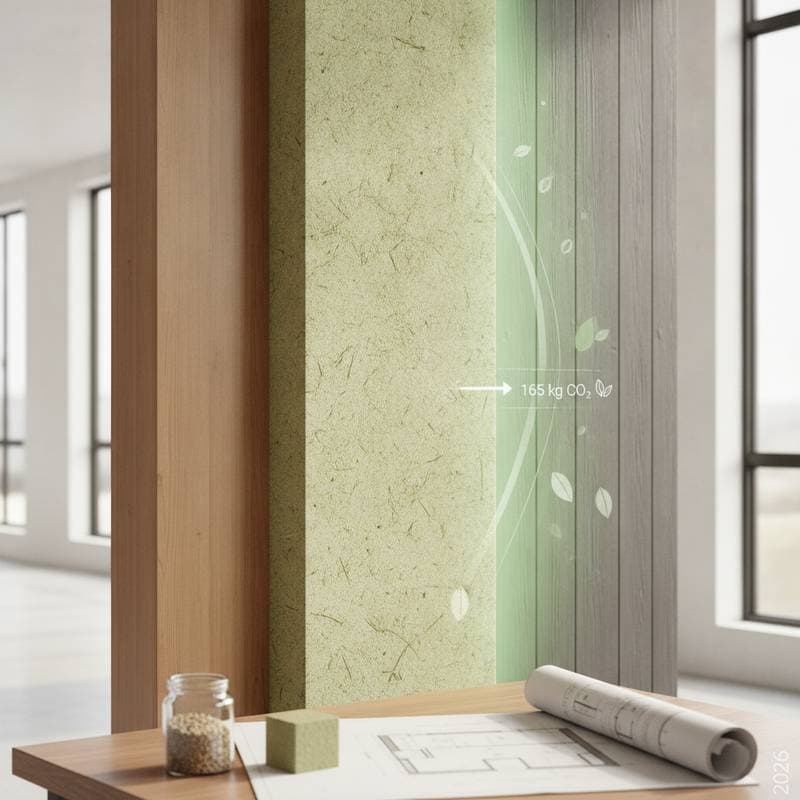
In contrast to typical insulations destined for landfills, mycelium panels compost readily upon decommissioning. This cycle eliminates disposal challenges. Cultivation itself captures atmospheric carbon, rendering the process carbon negative overall.
Better Indoor Environments
Many synthetic insulations release volatile organic compounds from adhesives or retardants. Mycelium insulation requires no chemical fasteners, positioning it as a top choice for clean air. Individuals with sensitivities to irritants or allergens often report enhanced well-being.
Bolstering Eco-Friendly Farming
Producers frequently procure waste from nearby agriculture, converting refuse into construction assets. This partnership between farming and building exemplifies circular economy applications in practical settings.
Implementation Guidance for Property Owners
Installation Approaches
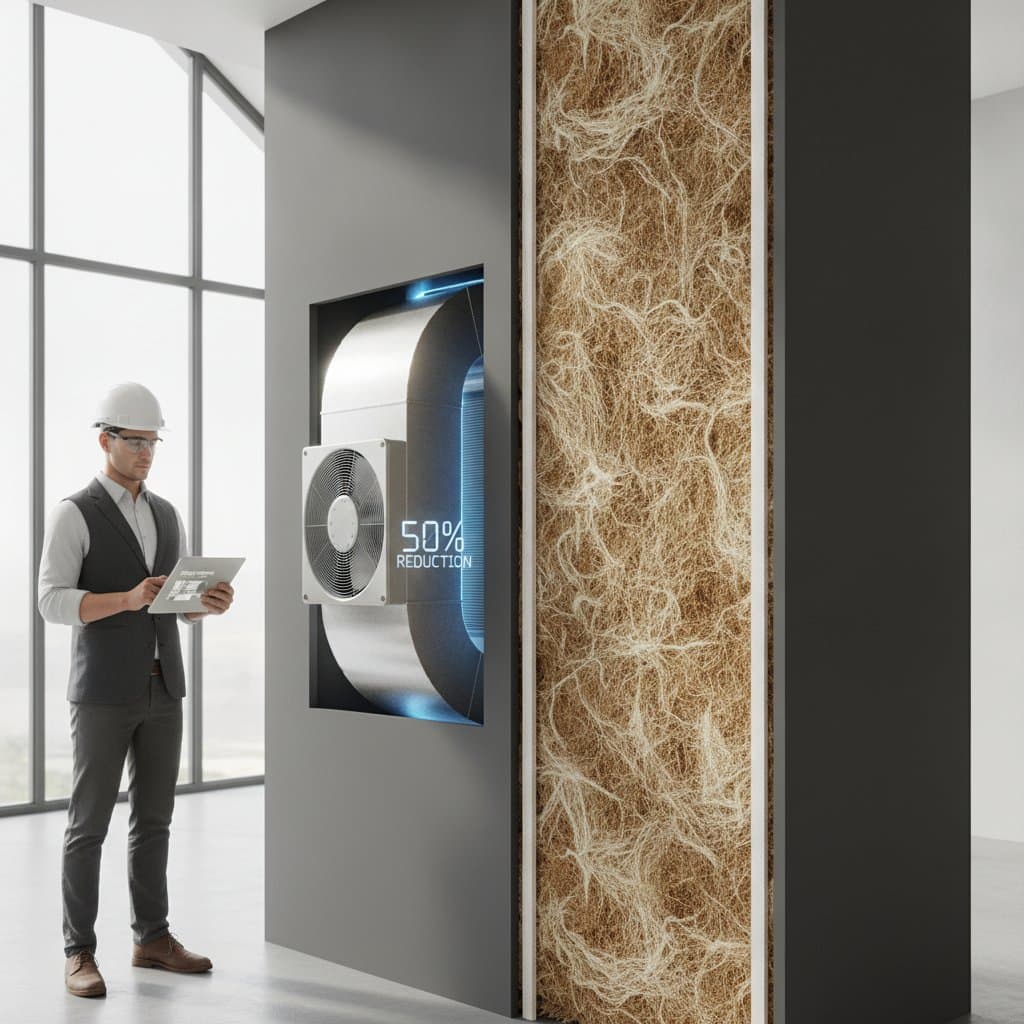
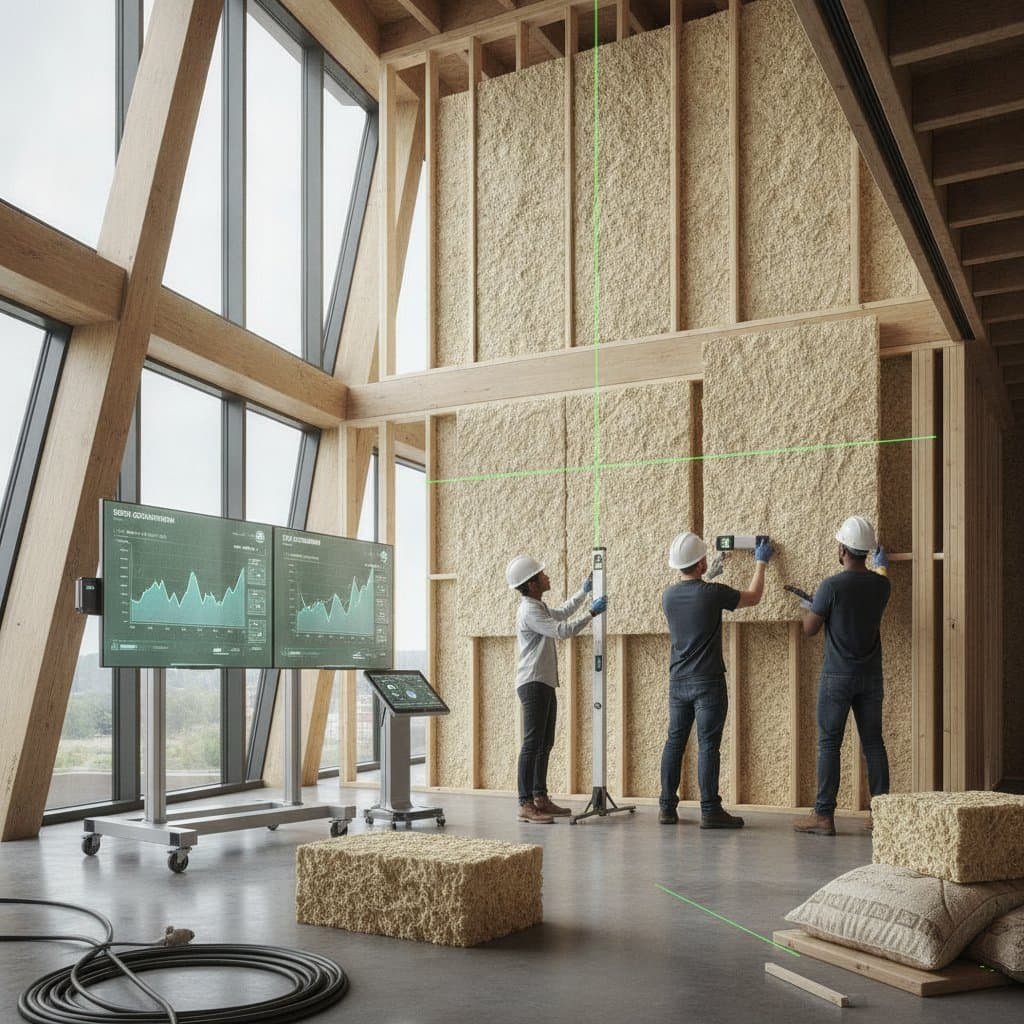
Mycelium insulation installs akin to rigid or loose-fill types. Panels slot into wall framing, and spray versions fill voids directly. Its low weight simplifies transport and trimming, requiring only basic tools. Unlike dust-generating synthetics, it demands no specialized safety equipment.
Adherence to Regulations
Emerging materials face varying regional standards. Certain brands meet current insulation criteria, with others pursuing certification. Prospective users should verify local code compliance and obtain detailed product specifications from suppliers.
Upkeep and Longevity
Installed mycelium insulation needs scant attention. It repels insects and holds form in standard interiors. Even after moisture exposure, it recovers upon drying without structural compromise. Periodic checks of enclosures and airflow systems sustain optimal function.
Emerging Trends in the Sector
Innovative companies and academic teams accelerate mycelium production to address increasing interest. Industry forecasts predict swift growth in the market for fungal-derived building goods, fueled by eco-certifications and public emphasis on green solutions.
Design professionals in sustainable ventures adopt mycelium insulation for both utility and visual appeal. Some applications expose it in partitions or sound-absorbing features, highlighting its earthy appearance and underscoring ties to natural origins.
Insights from Specialists
Dr. Elena Mora, a bio-materials expert in sustainable architecture, states that mycelium insulation stands as one of the most viable paths forward, uniting technical excellence with true ecological repair.
Architect Mark Rivers, a sustainable design advisor, notes, The true innovation lies in the material's self-growth. Resources become cultivated rather than depleted.
Such views underscore the transition to biological materials as a substantive advancement in construction philosophy and practice.
Incorporating Mycelium into Contemporary Builds
Blending Utility with Visual Appeal
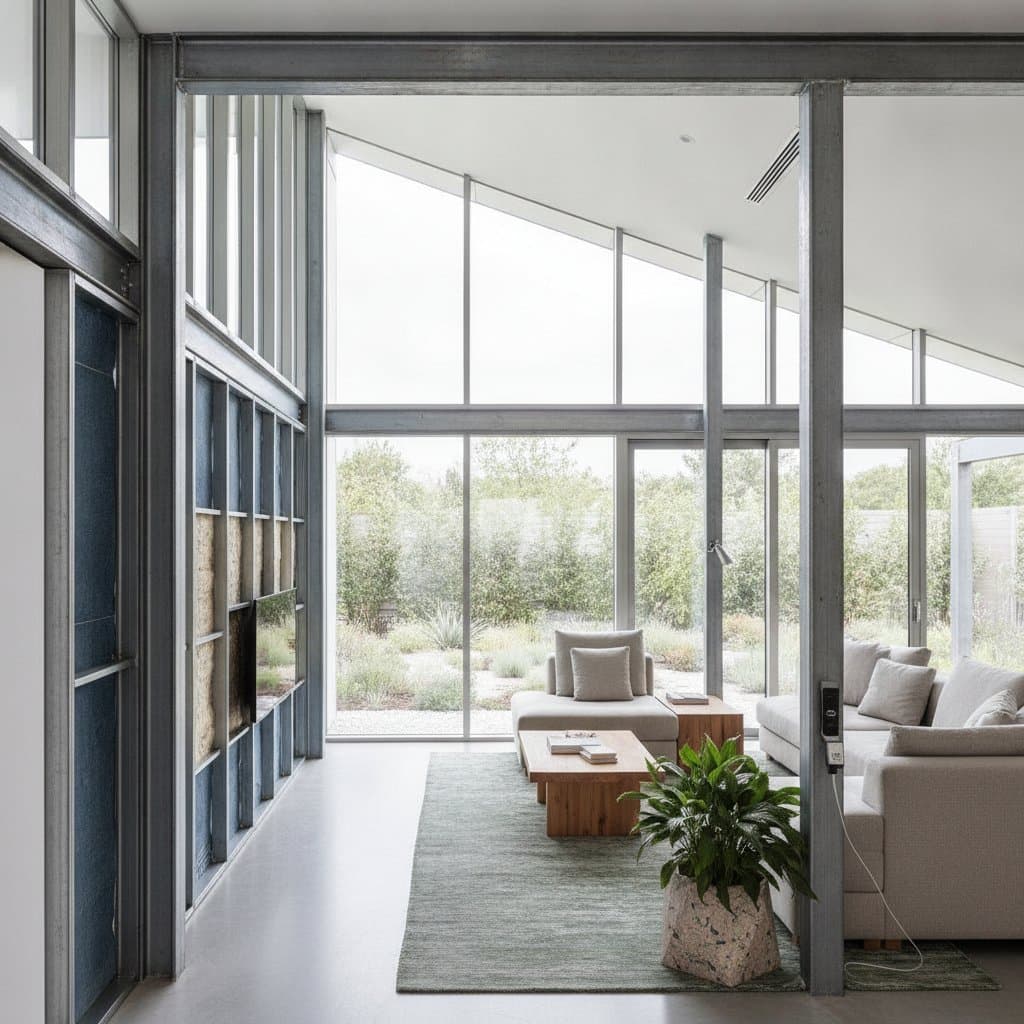
Sustainability-focused designers integrate mycelium insulation into exposed features. Its untreated, textured surface complements timber and earthen elements seamlessly. This method conveys environmental commitment while upholding refined aesthetics.
Upgrading Older Structures
Renovations in established homes suit mycelium insulation well, applied as infills or added linings. Its flexibility accommodates uneven areas where rigid products falter. Enhanced sealing cuts air leaks and evens out room climates.
Prospects for Broader Applications
Commercial initiatives increasingly test mycelium insulation in expansive developments. The efficient growth method supports large-volume output with reduced logistics and power needs. As capacity grows, affordability extends to mainstream projects beyond premium eco-builds.
Steps to Adopt Mushroom Insulation
To pursue mushroom insulation, evaluate your home's energy profile first. Pinpoint high-loss zones like attics or outer walls using audits or thermal imaging. Engage contractors experienced in biological materials to select suitable variants and plan precise fitting.
With expanding options, property owners can prioritize both efficacy and ecology. Embracing this renewable approach not only trims utility expenses but also advances a restorative paradigm in housing.