Mushroom Insulation Grown Locally Cuts Carbon Footprint
Mushroom insulation represents a breakthrough in sustainable building materials. Derived from mycelium, the root structure of mushrooms, this innovative product grows locally and sequesters carbon during production. Homeowners and builders now have access to an eco-friendly option that enhances energy efficiency while reducing environmental impact.
Understanding Mycelium-Based Insulation
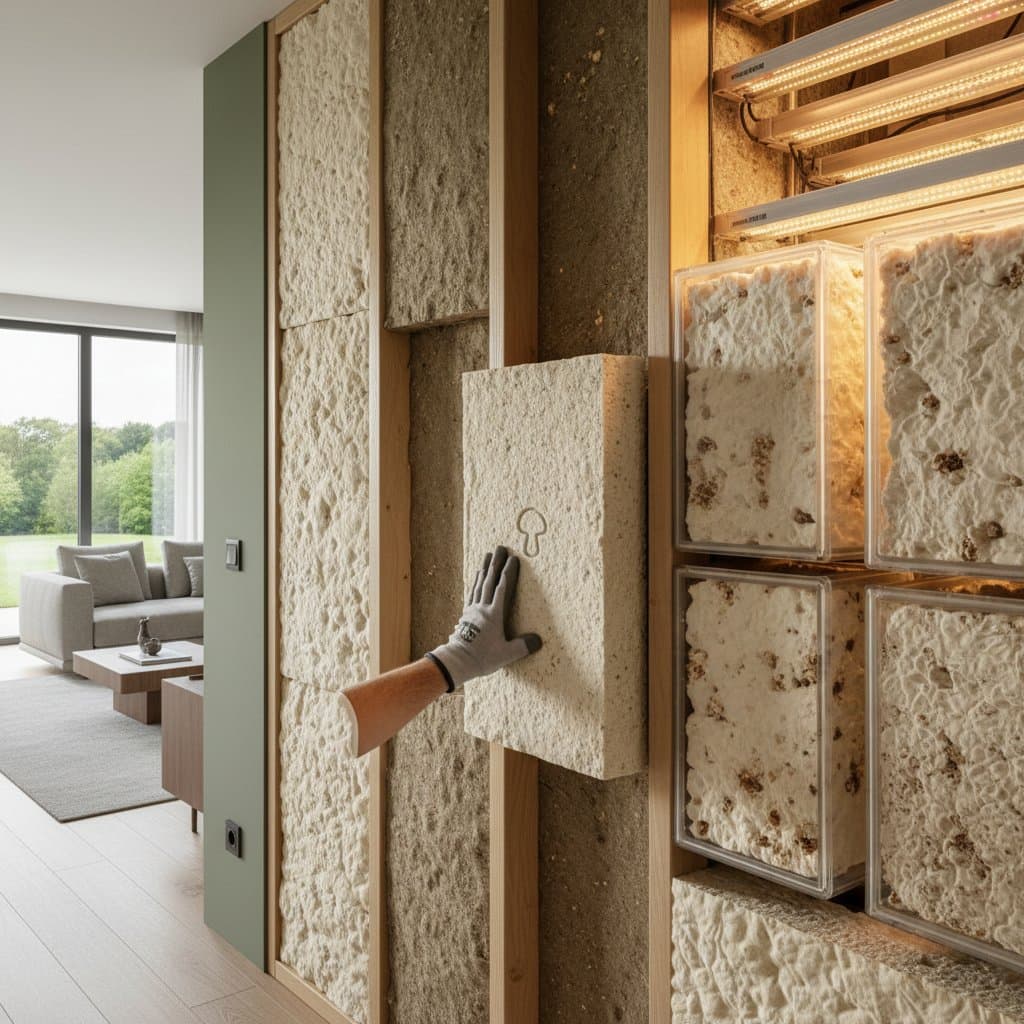
Mycelium insulation begins with fungal networks that bind agricultural waste, such as corn stalks or hemp hurds, into a solid form. Growers inoculate these substrates with mycelium spores in controlled environments, allowing the fungus to colonize and form a dense, insulating mat over several days. The process requires minimal energy, often using local facilities like warehouses or farms, which keeps transportation emissions low.
This method contrasts with traditional manufacturing. Factories producing fiberglass or foam insulation rely on high-heat processes and petroleum-based inputs, contributing to significant carbon outputs. Mycelium panels, however, mature at room temperature and incorporate waste materials, making the entire lifecycle carbon-negative.
Local production expands accessibility. Communities near agricultural hubs can cultivate insulation tailored to regional climates, ensuring optimal performance without long-distance shipping. As of 2024, pilot programs in the United States and Europe demonstrate yields sufficient for entire housing developments.
Key Benefits for Energy Efficiency and Sustainability
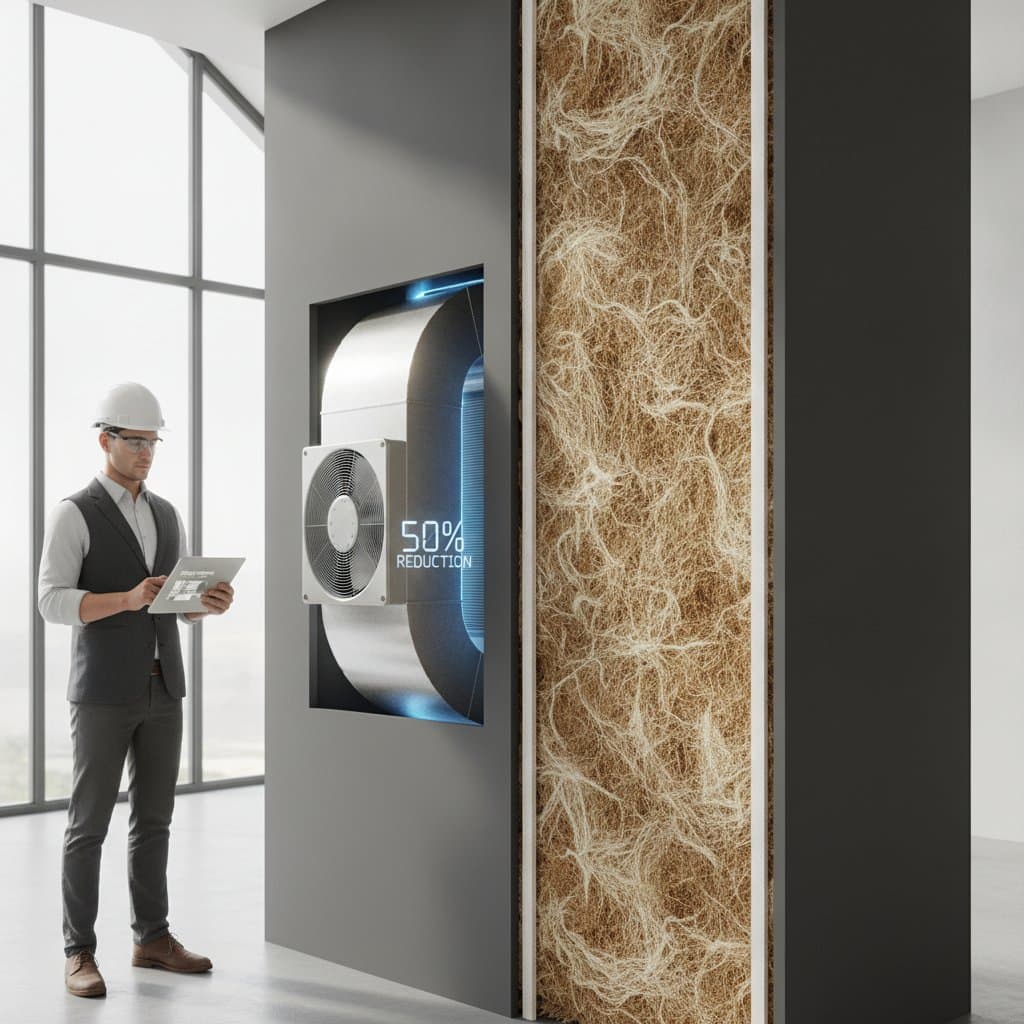
Mycelium insulation excels in thermal regulation. Its cellular structure traps air pockets that resist heat transfer, achieving R-values comparable to fiberglass, typically between R-3.5 and R-4.5 per inch. This performance helps maintain comfortable indoor temperatures, reducing reliance on heating and cooling systems.
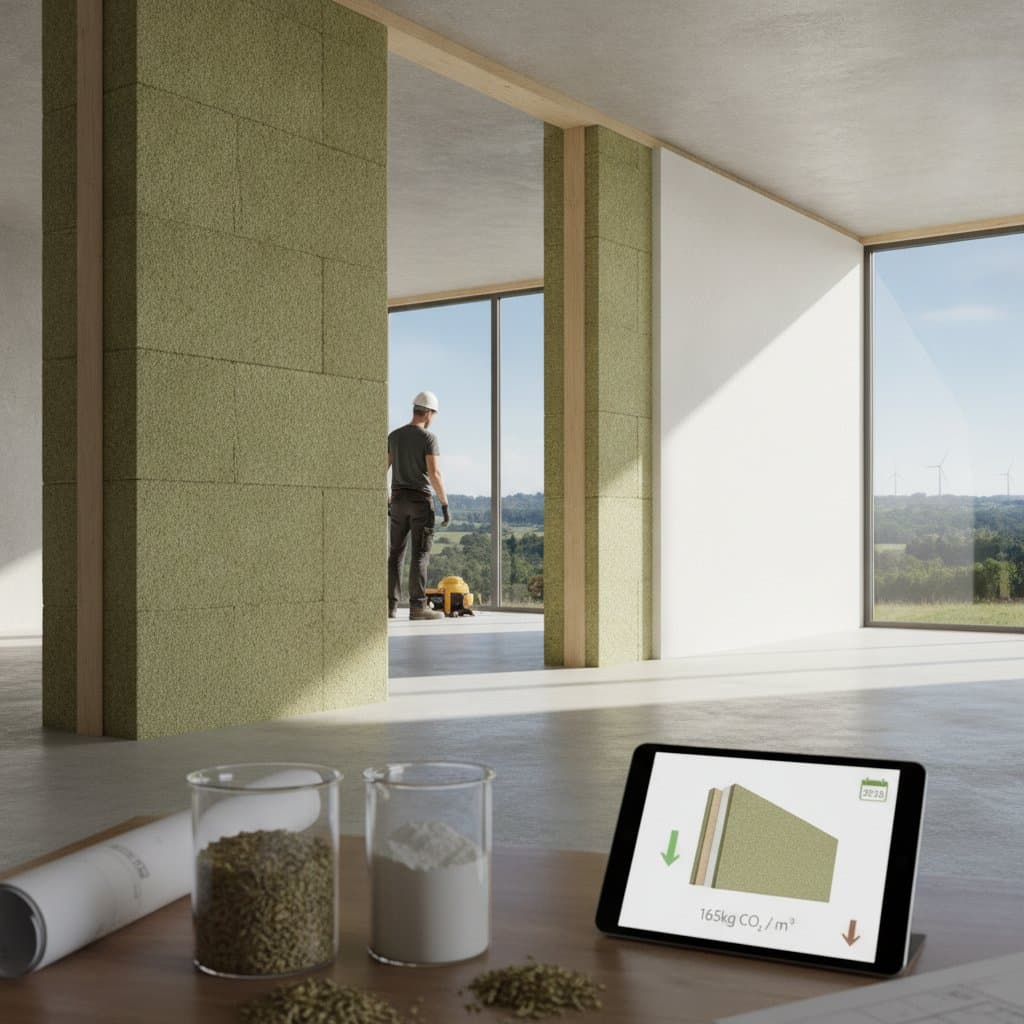
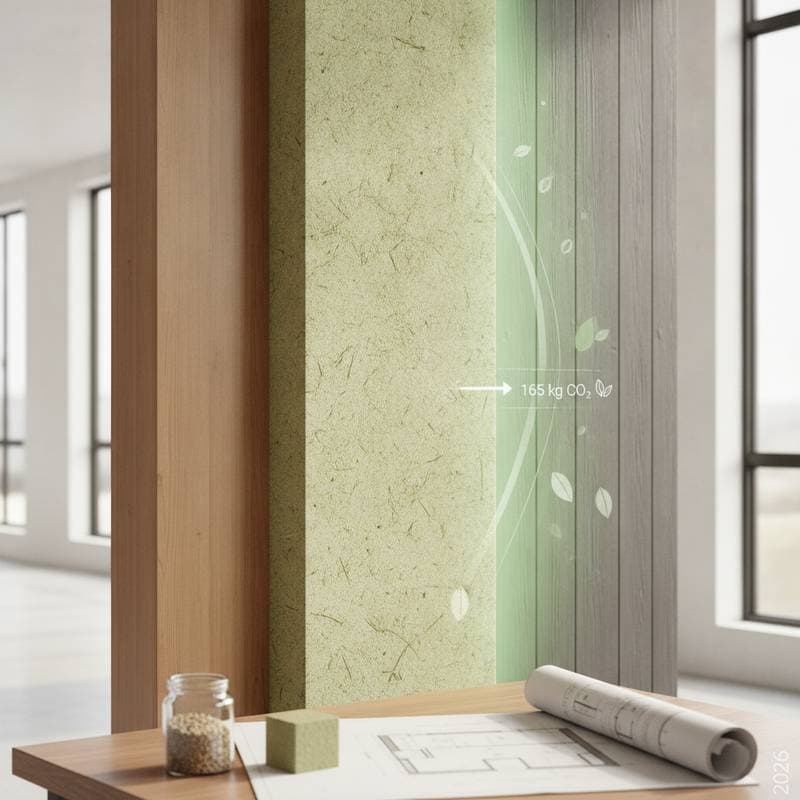
The material also sequesters carbon effectively. During growth, mycelium absorbs CO2 from the atmosphere, locking it into the final product. A single square foot of insulation can store up to 0.5 pounds of carbon, offsetting emissions from construction and operation over the building's lifespan.
Fire resistance adds another layer of safety. Unlike synthetic foams, mycelium chars rather than melts when exposed to flames, meeting Class A fire ratings without chemical treatments. This natural property eliminates the need for added retardants, further lowering toxicity.
Biodegradability ensures end-of-life benefits. At the end of its 50-year service life, the insulation breaks down in compost or soil, returning nutrients to the earth. This closed-loop approach supports regenerative design principles, where buildings contribute positively to ecosystems.
Comparing to Conventional Alternatives
Traditional insulation options like fiberglass batts or spray foam dominate the market due to low upfront costs. However, these materials often contain irritants and off-gas volatile compounds, posing health risks during installation and use. Fiberglass, for instance, requires protective gear and generates non-recyclable waste.
Mycelium insulation addresses these drawbacks. It installs without dust or fibers, allowing workers to handle it bare-handed. The panels fit standard wall cavities and attics, cutting labor time by up to 30 percent compared to rigid foams.
Cost analysis reveals growing competitiveness. Initial prices hovered around $8 per square foot in early adopters, but scaled local production has reduced this to $4 to $6. Incentives like green building tax credits further narrow the gap, making it viable for mid-range renovations.
Environmental lifecycle assessments favor mycelium. Studies show it reduces a home's embodied carbon by 40 percent over fiberglass equivalents. For a typical 2,000-square-foot residence, this translates to avoiding 5 tons of CO2 emissions during material sourcing and installation.
Steps for Incorporating Mushroom Insulation in Your Home
Assess your current setup before proceeding. Inspect attics, walls, and floors for existing insulation levels using a thermal camera or energy audit. Target areas with the highest heat loss, such as uninsulated exteriors, to maximize returns.
Source materials from certified local growers. Verify that products meet standards from organizations like the International Living Future Institute, ensuring low embodied energy and non-toxic composition. Order panels pre-cut to your specifications for seamless integration.
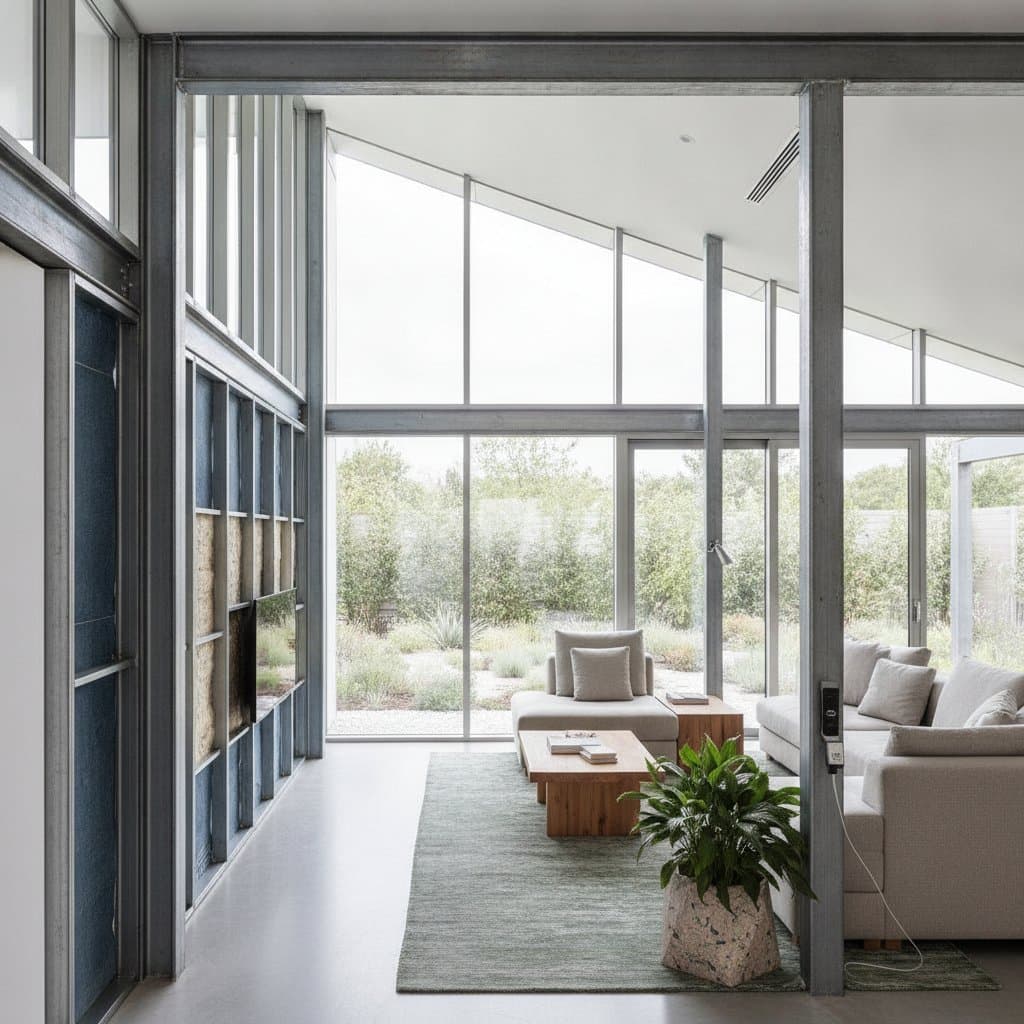
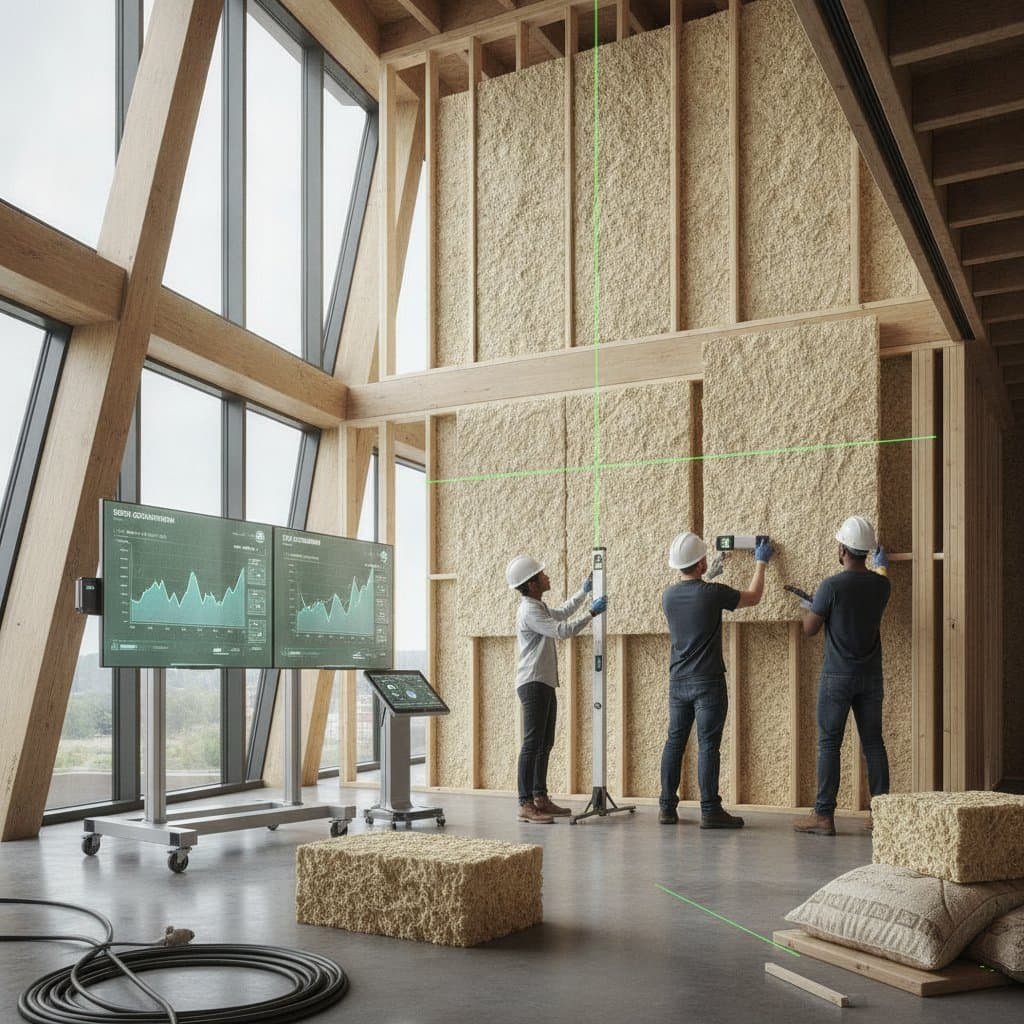
Installation follows straightforward protocols. Secure mycelium boards to studs with low-VOC adhesives or mechanical fasteners, then seal joints with natural tapes. For attics, lay loose-fill versions over existing layers, achieving uniform coverage without compression.
Professional guidance enhances outcomes. Engage contractors experienced in bio-based materials to handle moisture control and ventilation. Proper airflow prevents any fungal growth post-installation, as the mycelium deactivates during processing.
Monitor performance after completion. Use smart thermostats to track energy savings, which often reach 20 to 30 percent on utility bills. Annual inspections confirm integrity, with the material's durability resisting settling or degradation.
The Role of Local Production in Scaling Adoption
Local cultivation drives broader implementation. Farms repurpose underused spaces to grow insulation, creating jobs in rural areas and reducing import dependencies. In regions like the Midwest, corn byproducts fuel production, aligning with circular economies.
Technological advances accelerate this trend. Automated bioreactors now shorten growth cycles to 72 hours, increasing output without expanding footprints. Partnerships between universities and startups refine strains for enhanced insulation properties, such as higher R-values in colder climates.
Policy support bolsters momentum. Building codes increasingly recognize bio-materials, with rebates available for installations that exceed minimum efficiency standards. By 2025, experts predict mycelium will capture 10 percent of the insulation market, driven by these factors.
Homeowners benefit from customized solutions. Local producers adapt formulas to incorporate regional waste, like rice hulls in Asia or wood chips in Scandinavia, optimizing for availability and performance.
Building a Greener Future with Regenerative Materials
Mushroom insulation transforms homes into active participants in carbon reduction. By integrating this material, owners not only lower operational costs but also contribute to planetary health through sequestration and waste diversion. The shift to local, grown solutions signals a move toward resilient, self-sustaining communities.
As adoption grows, the ripple effects extend beyond individual buildings. Neighborhoods retrofitted with mycelium panels demonstrate scalable paths to net-zero emissions, inspiring wider architectural innovation. This approach empowers everyday choices to foster lasting environmental stewardship.