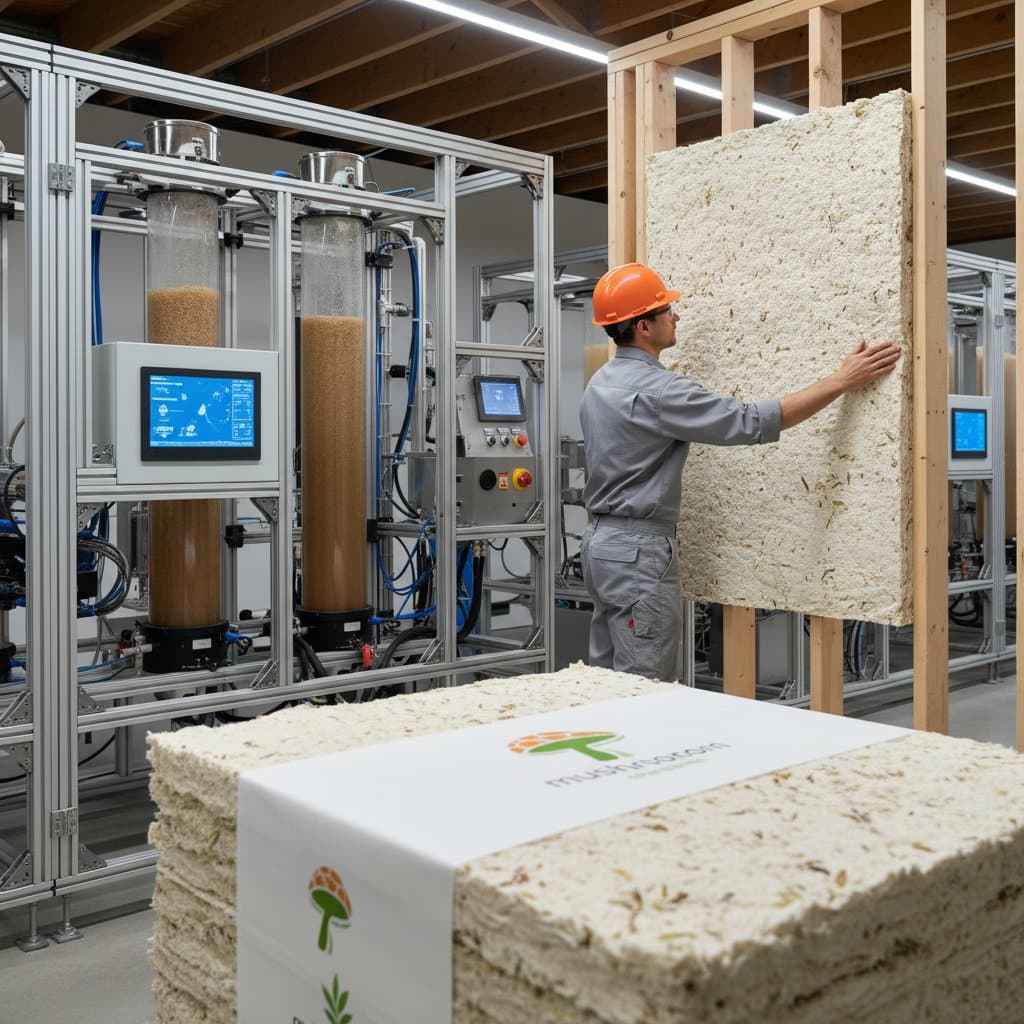
Mushroom Insulation: Biodegradable Home Revolution
When you picture the future of sustainable building, mushrooms might not be the first thing that comes to mind. Yet inside their intricate root systems lies a natural material quietly transforming the way homes are insulated. Known as mycelium insulation, this biodegradable, renewable alternative is gaining attention from builders, designers, and environmental scientists who see it as a bridge between modern performance and ecological responsibility.
Key Points
- Mycelium insulation is made from the root structure of fungi, grown using agricultural waste such as corn husks or sawdust.
- It provides excellent thermal performance, with R-values comparable to traditional materials like fiberglass or polystyrene.
- The material is fully biodegradable, non-toxic, and naturally resistant to fire and pests.
- Production requires minimal energy and no synthetic chemicals, drastically reducing carbon emissions.
- Early studies show potential energy savings of up to 25% when used in well-sealed wall systems.
- Once discarded, it breaks down safely, returning nutrients to the soil rather than contributing to landfill waste.
The Science Beneath the Surface
Mycelium is the vegetative network of fungal cells that grows underground or within organic matter. It functions as nature’s recycler, breaking down dead plants and returning nutrients to the ecosystem. When cultivated under controlled conditions, these fibers can be guided to grow into dense, lightweight structures that take the shape of molds or panels. Once dried, the growth process stops, leaving behind a solid material with impressive insulating properties.
Researchers at several environmental design institutes describe mycelium as a biological composite. It behaves similarly to foamed plastics but without relying on petroleum. Its cell structure traps air efficiently, creating a natural thermal barrier. When measured in laboratory conditions, mycelium-based insulation typically achieves R-values between 3 and 4 per inch, which matches many commercial insulation materials while offering superior sustainability credentials.
Why Traditional Insulation Needs a Rethink
Conventional insulation materials like fiberglass, mineral wool, and foam boards have long been staples of residential and commercial construction. Yet their production is energy-intensive, often relying on non-renewable resources. Foam insulation, in particular, can release volatile organic compounds during manufacturing and disposal. Over time, waste from construction and demolition contributes significantly to landfill mass, with insulation materials among the least biodegradable.
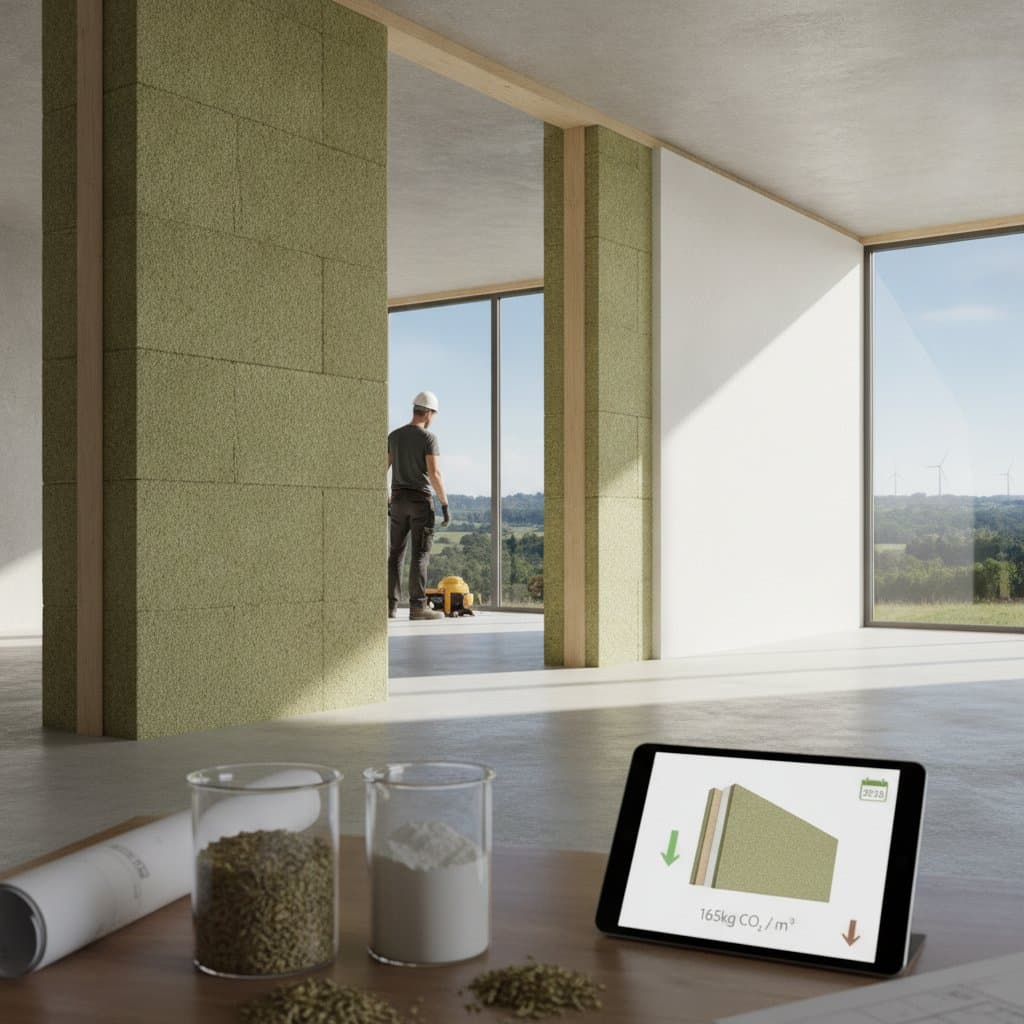
In contrast, mycelium insulation starts with agricultural byproducts that would otherwise be discarded. This approach not only reduces waste but also creates a closed-loop production cycle. Every stage, from raw material sourcing to end-of-life decomposition, fits within the principles of circular economy design.
How Mycelium Insulation Is Made
Creating mycelium insulation combines biological science with practical craftsmanship. The process begins with sterilized organic matter, such as wood chips or straw, which serves as the growth medium. Mycelium spores are introduced and allowed to grow over several days under controlled humidity and temperature. During this time, the fungi weave through the substrate, binding it into a cohesive mass.
Once the network has matured, the material is placed into molds shaped like panels, blocks, or custom insulation forms. It continues to grow until it fills the mold completely. The final step involves drying or heating the product, which halts further growth and stabilizes its structure. The result is a firm, lightweight, and odor-free insulation panel ready for installation.
Environmental Performance at Every Stage
Lifecycle assessments show that mycelium insulation can cut embodied carbon emissions by up to 80% compared to synthetic alternatives. Because it grows at room temperature, it requires almost no external energy input beyond basic climate control. Wastewater and emissions are minimal, and any unused material can be composted or regrown.
The production process also presents opportunities for local manufacturing. Since the raw materials are widely available agricultural residues, small regional producers can cultivate mycelium insulation using local inputs, reducing transportation emissions and supporting community-based economies.
Comparing Mycelium to Conventional Options
| Property | Mycelium Insulation | Fiberglass | Polystyrene Foam |
|---|---|---|---|
| Thermal Resistance (R per inch) | 3 to 4 | 2.9 to 3.8 | 3.5 to 5 |
| Fire Resistance | Naturally self-extinguishing | Requires chemical treatment | Requires chemical treatment |
| Moisture Absorption | Moderate, can be moisture-regulated | Low | Low |
| Biodegradability | 100% | Non-biodegradable | Non-biodegradable |
| Carbon Footprint (Production) | Very low | Moderate | High |
| End-of-Life Impact | Compostable | Landfill waste | Landfill waste |
This comparison highlights how mycelium insulation competes closely on performance while dramatically outperforming traditional materials on environmental criteria. The key difference lies in its life cycle benefits. Instead of persisting as waste, it can safely return to the earth.
Performance and Practical Use in Homes
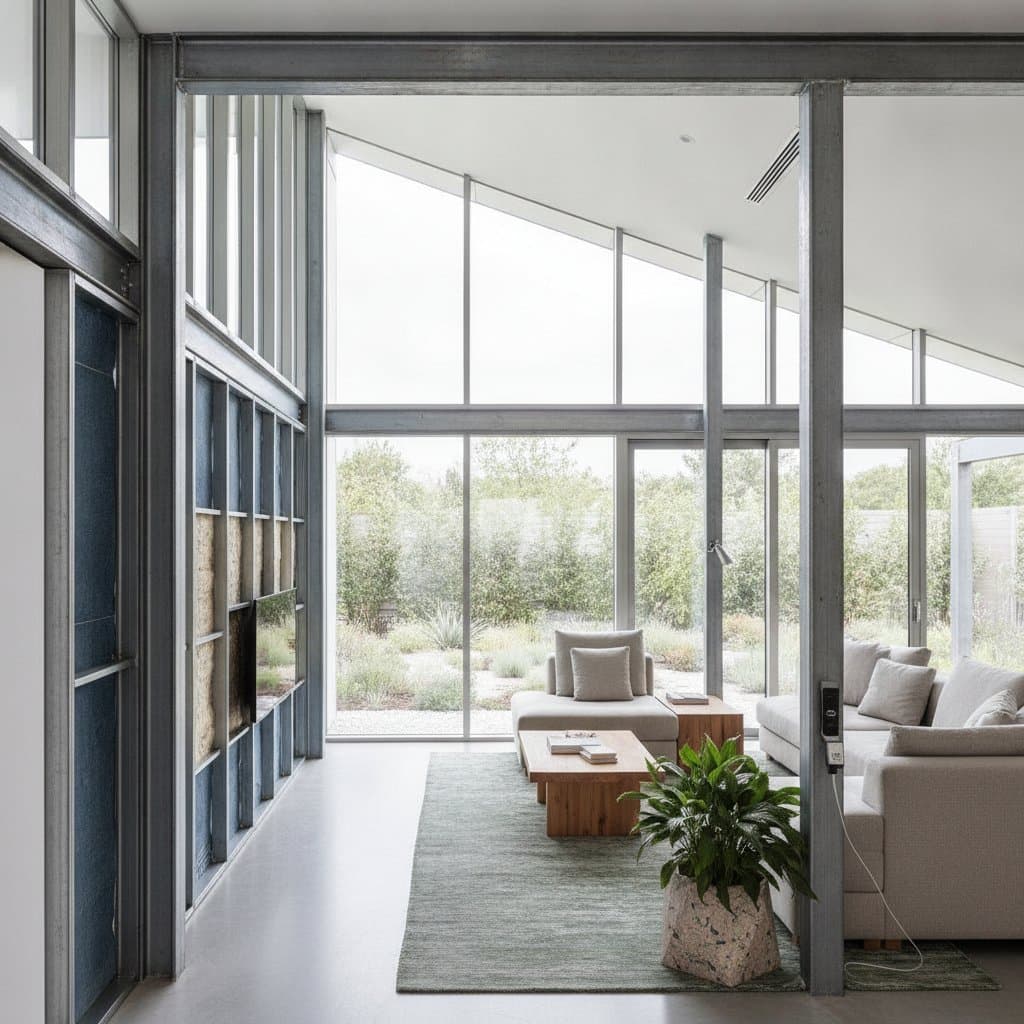
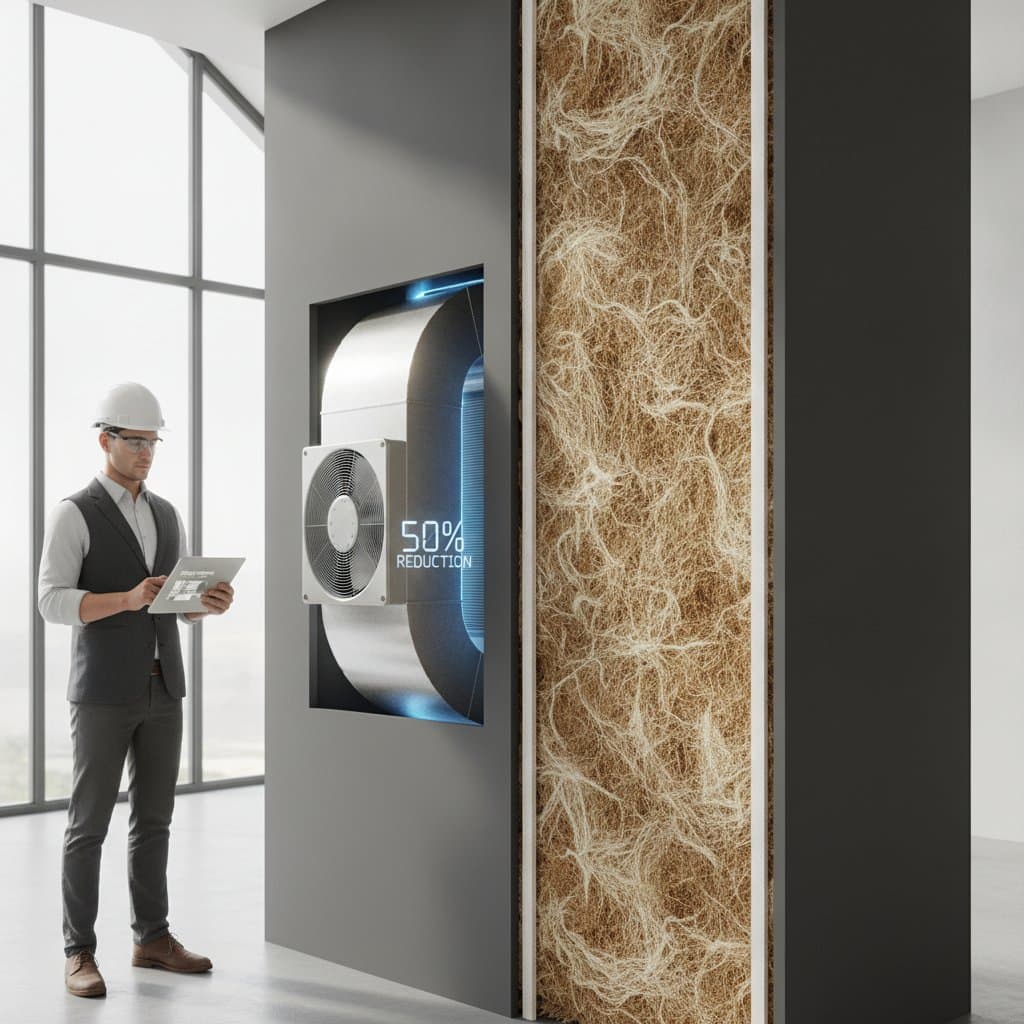
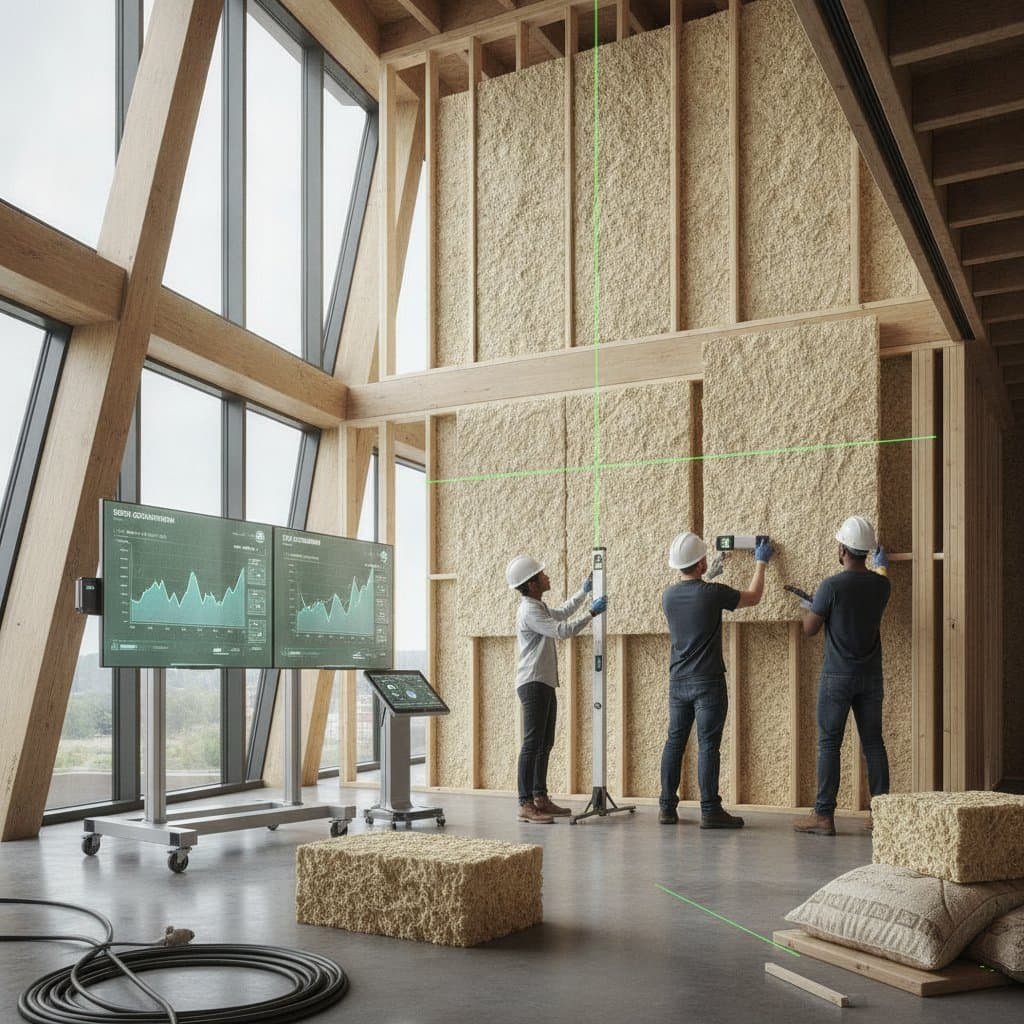
From a builder’s perspective, the success of any insulation material depends on ease of installation, durability, and consistent performance. Mycelium insulation is surprisingly versatile. It can be produced as rigid panels that fit between wall studs or as sprayable composites for irregular shapes. Some manufacturers are also developing laminated boards that combine mycelium cores with natural fiber facings for added strength.
In thermal performance tests, mycelium panels maintain stable temperatures even under moisture fluctuations. The material’s porous structure allows it to breathe, which can help regulate indoor humidity levels. That breathability also prevents mold growth, a common problem in synthetic insulation when condensation forms within wall cavities.
Acoustic performance is another advantage. Mycelium absorbs sound frequencies effectively, providing up to 40% better noise reduction than standard fiberglass. This makes it appealing for urban housing, studios, and open-concept interiors where noise control enhances comfort.
Cost and Return on Investment
Cost remains a primary question for homeowners and builders considering new materials. Early-stage production of mycelium insulation can be more expensive than mass-produced fiberglass, often averaging 10 to 20% higher per square foot. Yet as production scales and local facilities expand, costs are expected to drop significantly.
When evaluating long-term return, the picture changes. The energy efficiency of mycelium insulation can reduce heating and cooling expenses by 15 to 25% annually in well-designed homes. Combined with its extended lifespan and minimal maintenance, the payback period can be achieved within several years depending on climate and energy costs.
Government sustainability programs and green building certifications increasingly recognize mycelium-based products as qualifying for eco-friendly construction credits. These incentives can offset initial expenses and increase property value for environmentally conscious buyers.
Expert Perspectives on the Future of Biodegradable Insulation
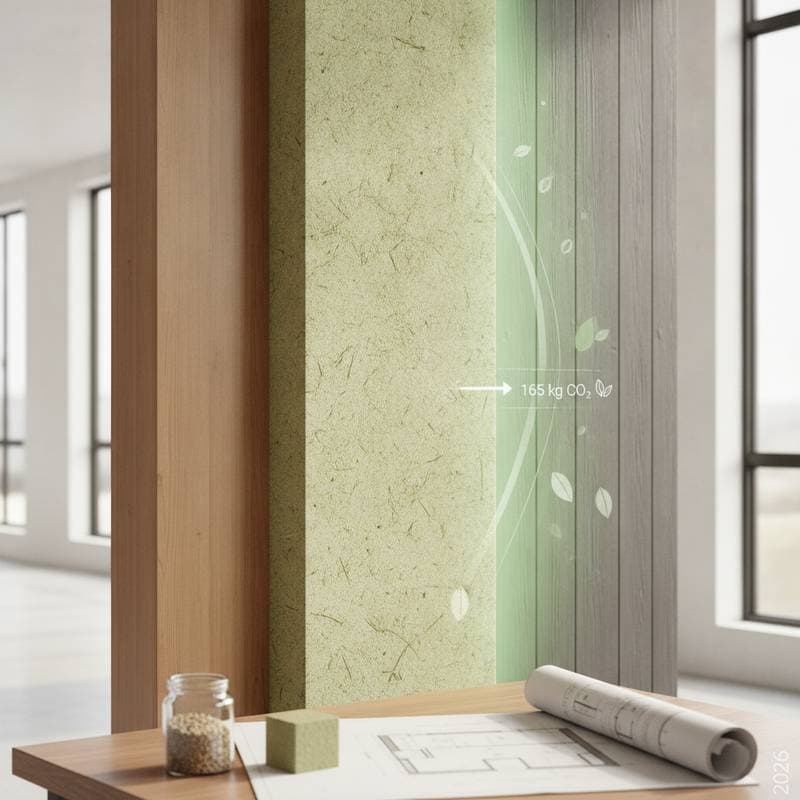
Architectural researcher Dr. Leila Choudhury said that mycelium insulation represents a shift from extractive design toward regenerative systems. She explained that "we are moving from materials that consume energy to those that contribute back to the ecosystem." Her research group has been testing hybrid wall assemblies combining mycelium panels with timber framing and lime plaster, achieving both superior insulation and carbon sequestration performance.
Industry innovators echo this optimism. Ethan Ruiz, founder of an eco-material startup specializing in fungal composites, said, "We are seeing clients request mycelium panels not just for sustainability but because they perform beautifully." He noted that mycelium’s natural texture and off-white tone also appeal aesthetically when left exposed in interior design projects.
Challenges and Areas for Improvement
While promising, mycelium insulation still faces several technical challenges before widespread adoption. Moisture management is one area of focus. Although the material resists mold, it can absorb water if not properly sealed, which may affect thermal performance. Manufacturers are addressing this through natural wax coatings, breathable membranes, or integration with other bio-based sealants.
Standardization is another hurdle. Building codes often lag behind innovation, and many regions lack specific testing protocols for fungal-based materials. To gain broader acceptance, producers are working with certification bodies to establish consistent performance data on fire ratings, load-bearing capacity, and long-term durability.
Scalability also remains under development. Growing insulation panels requires time, and while the process is energy efficient, it cannot yet match the speed of traditional foam production lines. Automation and modular growth systems are being tested to increase output without sacrificing quality.
Real-World Applications and Case Studies
Several prototype houses and small commercial buildings have already integrated mycelium insulation with impressive results. In one residential retrofit project, replacing mineral wool with mycelium panels reduced interior temperature fluctuations by nearly 30%, leading to noticeable comfort improvements. Another experimental eco-lodge used locally grown panels made from agricultural waste, achieving near carbon-neutral construction through on-site composting of leftover material.
Designers have also found creative ways to use mycelium beyond walls. It has appeared in acoustic ceiling tiles, furniture padding, and decorative wall panels, offering a consistent aesthetic while maintaining environmental integrity. These applications expand the market for fungal-based materials beyond pure insulation.
Market Outlook and Industry Momentum
Global interest in sustainable construction materials continues to rise, driven by stricter energy efficiency requirements and consumer demand for environmentally responsible homes. Mycelium insulation fits naturally within this trend. Independent forecasts suggest that bio-based building materials could capture a sizable share of the insulation market within the next decade, with mycelium among the fastest-growing segments.
As production techniques mature, expect to see modular prefabricated wall systems using mycelium cores paired with recycled wood or hemp composites. The material’s adaptability also opens possibilities for temporary structures or disaster-relief housing, where biodegradability and low-cost production are major advantages.