Understanding Mycelium Insulation
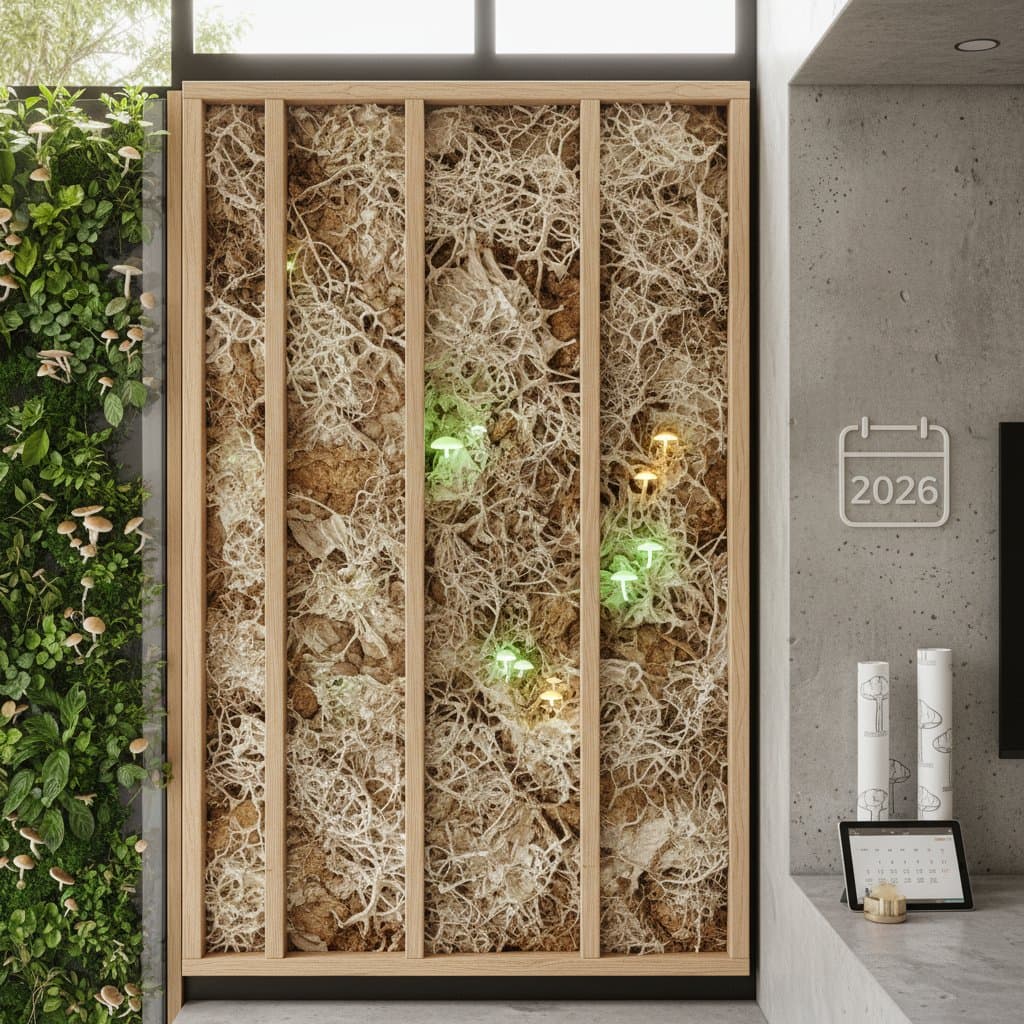
Mycelium insulation represents a breakthrough in eco-friendly construction materials. Derived from the root-like structure of mushrooms, this substance grows organically when combined with agricultural waste such as corn stalks or hemp hurds. Builders inoculate the substrate with mycelium spores, allowing the material to expand and bind into rigid panels or blocks suitable for wall cavities.
Unlike traditional insulation options like fiberglass or foam, mycelium forms without synthetic chemicals. The growth process occurs in controlled environments over several days, resulting in a lightweight yet durable product. This natural formation process minimizes manufacturing emissions and leverages renewable resources abundant in farming regions.
Homeowners benefit from a material that aligns with regenerative architecture principles. As it installs within walls, mycelium insulation contributes to structures that actively support environmental health rather than deplete it.
Key Advantages of Mushroom-Based Insulation
One primary benefit lies in its superior fire resistance. Mycelium naturally charrs rather than ignites, creating a protective barrier that slows flame spread. Testing shows it withstands temperatures up to 500 degrees Fahrenheit without releasing toxic fumes, a significant improvement over petroleum-based alternatives.
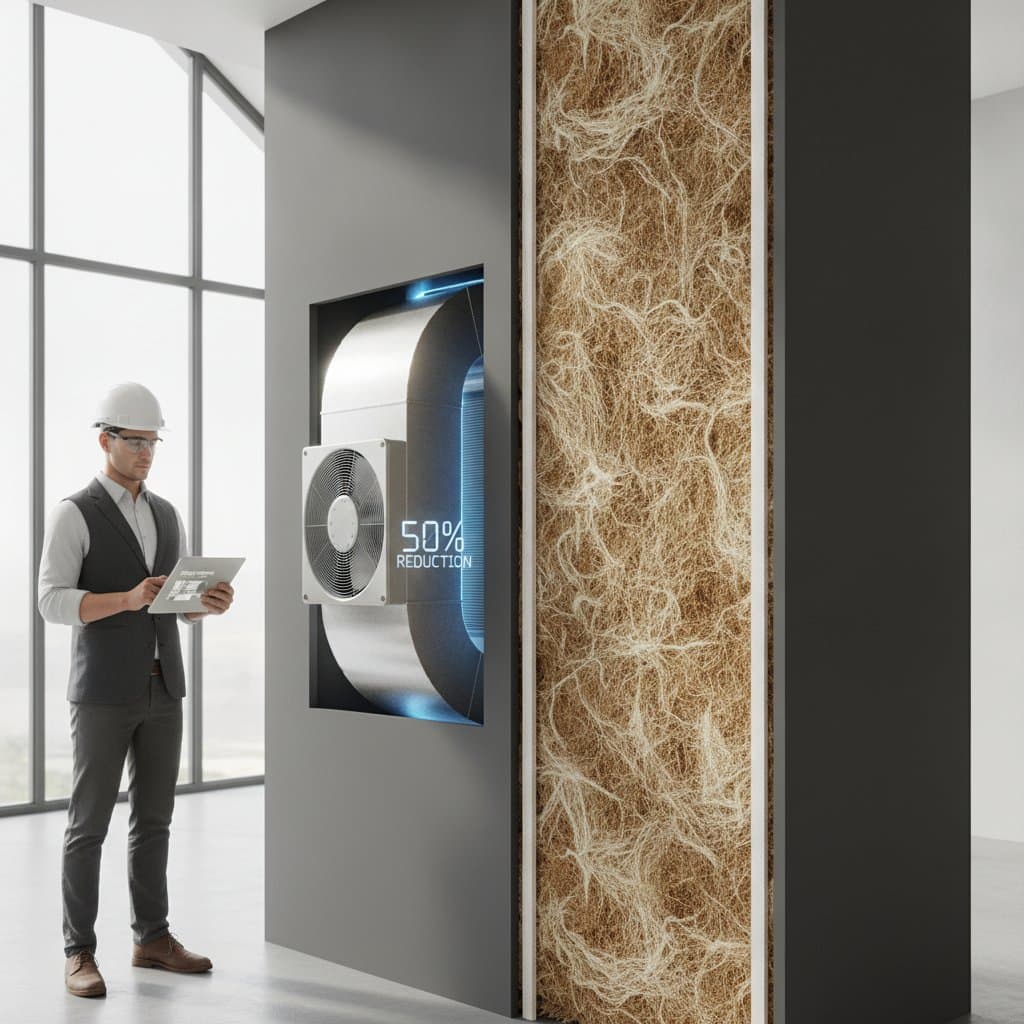
Energy efficiency stands out as another strength. The material's cellular structure traps air pockets effectively, providing an R-value comparable to fiberglass, around R-3.5 per inch. This insulation reduces heating and cooling demands by up to 30 percent in moderate climates, leading to measurable utility bill reductions.
Biodegradability ensures end-of-life simplicity. At the end of a building's cycle, mycelium insulation breaks down in compost piles within months, returning nutrients to the soil. This feature eliminates landfill contributions and supports circular economy models in construction.
The Growth and Installation Process
Producing mycelium insulation begins with selecting a substrate, often discarded crop residues. Workers mix in mycelium spawn, then pack the blend into molds. Over five to seven days in a warm, humid chamber, the fungi colonize the material, forming a solid mass ready for drying and cutting.
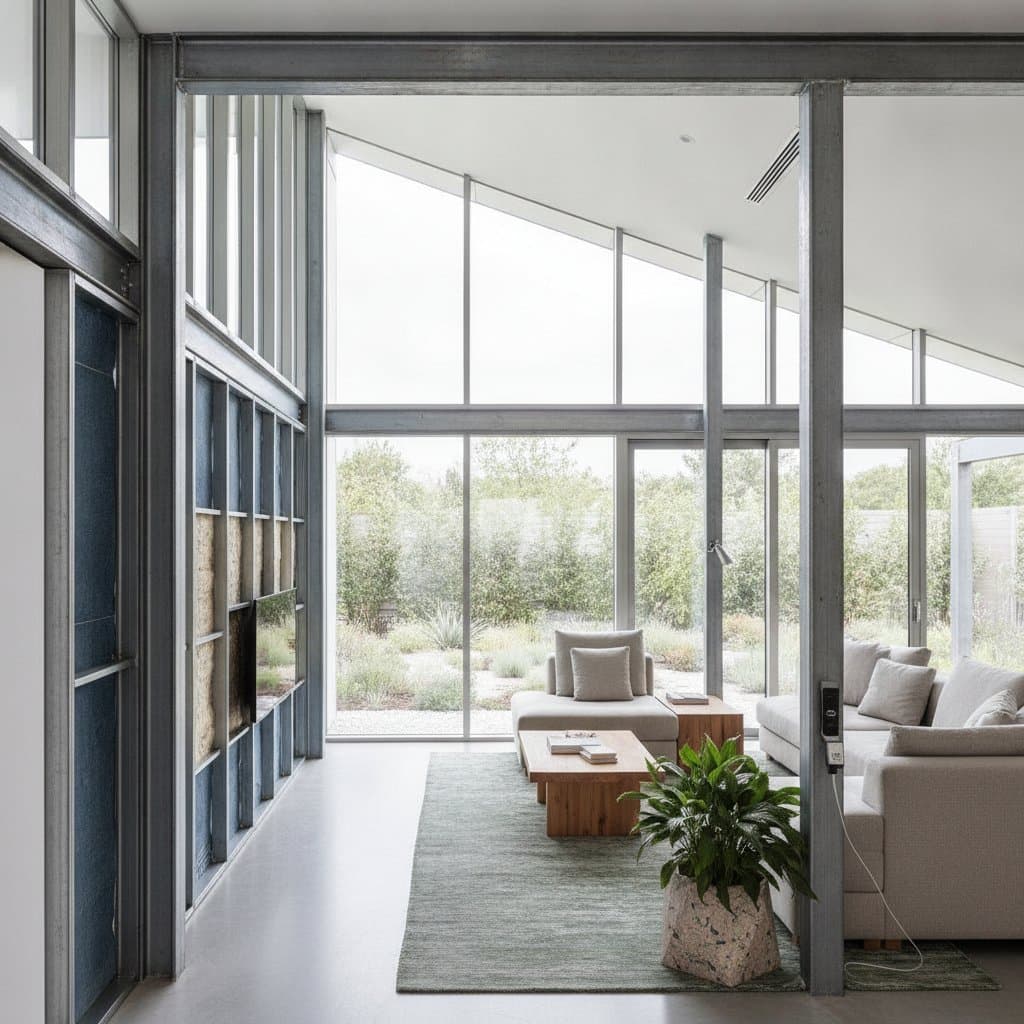
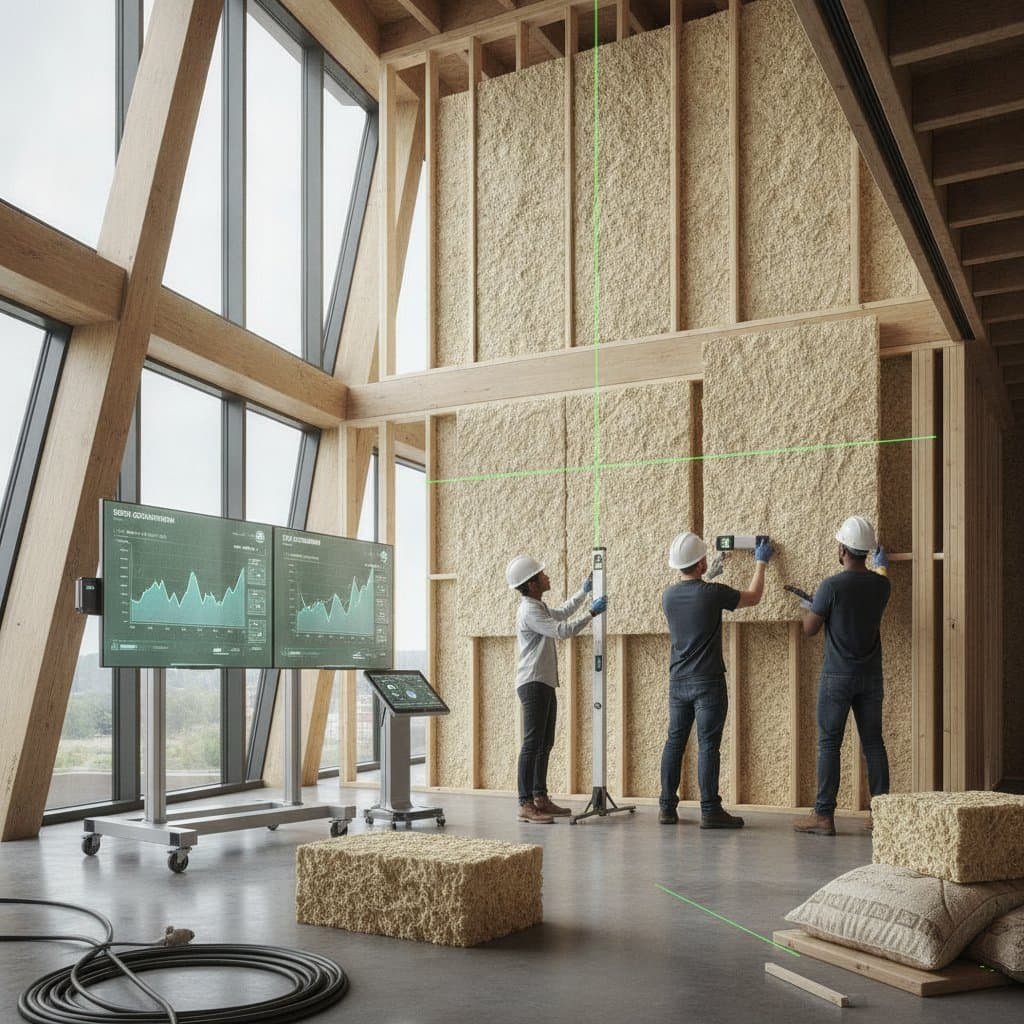
Installation mirrors conventional methods. Contractors fit the panels into wall frames before closing with drywall. For retrofit projects, professionals remove existing insulation and insert mycelium blocks, securing them with minimal adhesives. The process requires standard tools, making it accessible for both new builds and renovations.
Customization options enhance versatility. Builders can shape the material to fit irregular spaces or integrate it with other green elements like recycled framing. This adaptability suits various architectural styles, from minimalist modern homes to rustic eco-lodges.
Addressing Costs and Practical Considerations
Initial expenses for mycelium insulation exceed those of synthetic options by 20 to 40 percent, typically ranging from $8 to $12 per square foot installed. Factors include production scale and transportation from specialized facilities. However, incentives such as green building tax credits can offset these costs for qualifying projects.
Long-term savings materialize through reduced energy use and maintenance needs. Over 20 years, a typical home might recoup the premium via lower bills and avoided repairs, as the material resists mold and pests without chemical treatments. Insurance providers increasingly recognize its fire safety, potentially lowering premiums.
Sourcing remains a consideration. While production hubs exist in North America and Europe, expanding supply chains will drive prices down. Builders should verify certifications for organic content and performance standards to ensure quality.
Environmental Impact and Carbon Benefits
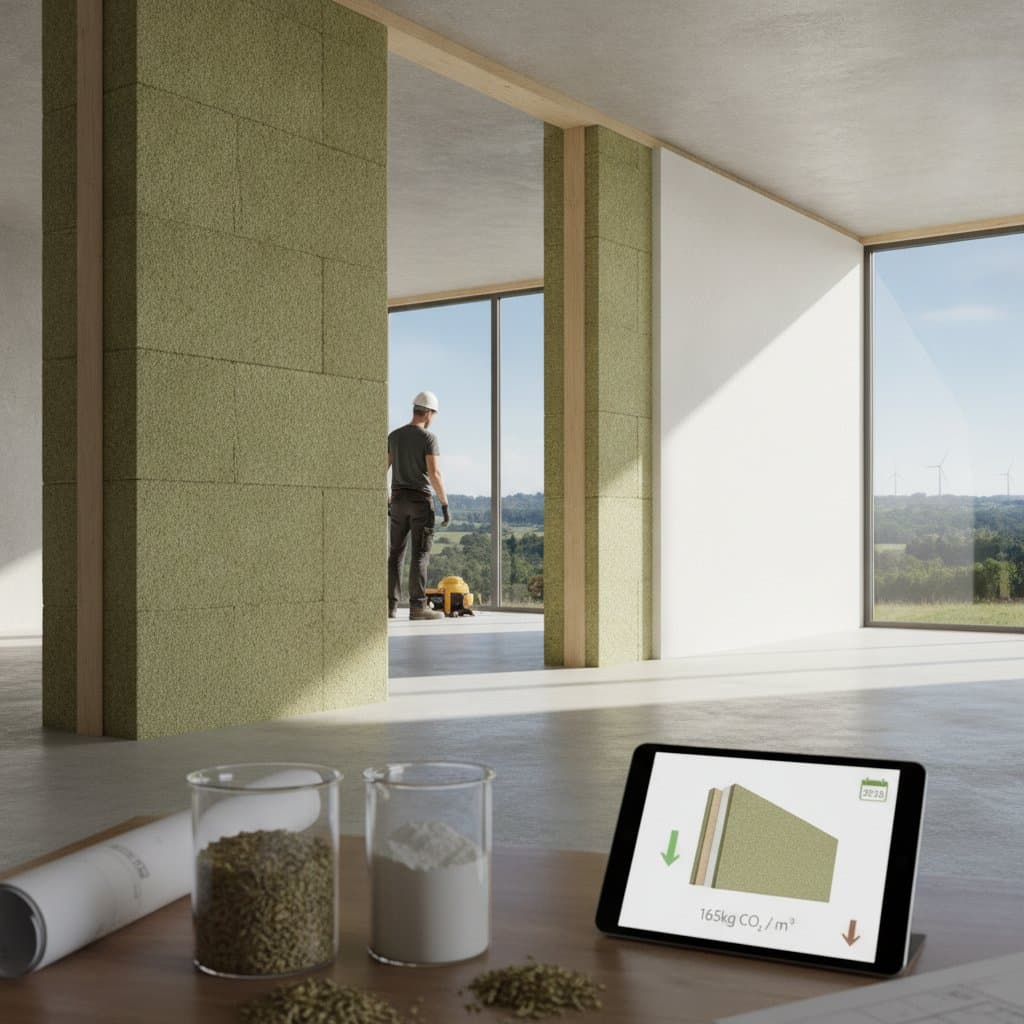
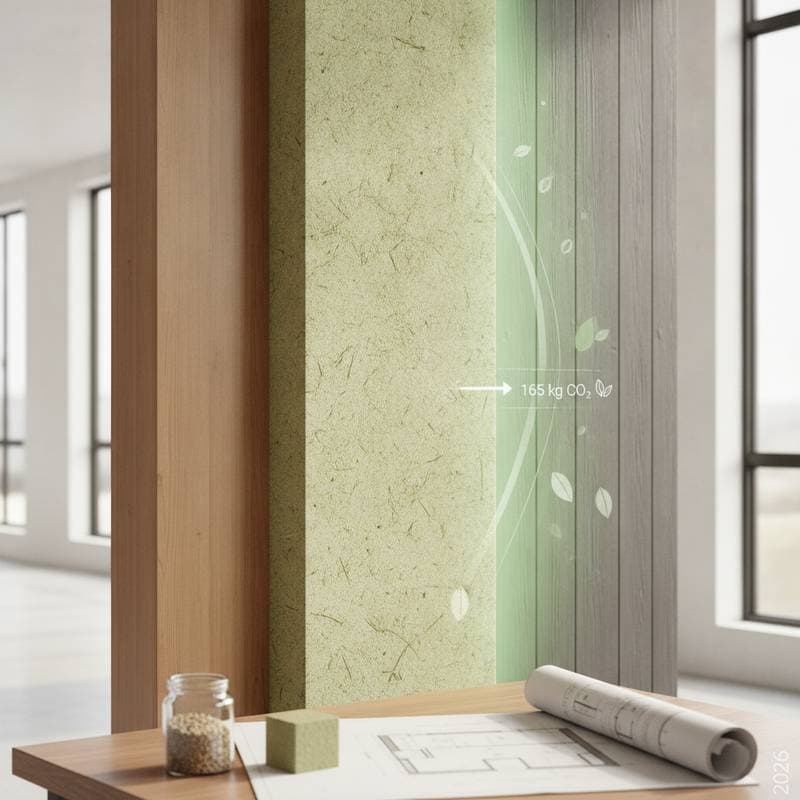
Mycelium insulation sequesters carbon during growth, locking away CO2 from the substrate. A single square foot can store up to 0.5 pounds of carbon, contributing to net-negative emissions in building projects. This process contrasts sharply with foam insulation, which relies on fossil fuels and generates greenhouse gases.
Waste reduction forms another pillar of its appeal. By repurposing agricultural byproducts, the material diverts tons of refuse from landfills annually. In a broader sense, adopting mycelium fosters industries that prioritize regeneration over extraction.
For communities, widespread use could transform urban landscapes. Imagine neighborhoods where buildings not only minimize their footprint but actively improve air quality through integrated green materials.
Steps to Incorporate Mycelium in Your Build
Evaluate your project's scope first. For new constructions, consult architects experienced in biobased materials to integrate insulation from the design phase. Retrofitting requires an energy audit to identify high-impact areas like attics or exterior walls.
Partner with certified suppliers who provide documentation on growth conditions and performance. Request samples to assess texture and fit. During installation, ensure proper sealing to maximize thermal benefits.
Monitor post-installation performance with simple tools like infrared thermography. Track energy usage to quantify savings and adjust as needed. Engaging in this way positions your home as a model for sustainable living.
Realizing a Greener Future Through Grown Insulation
Mycelium insulation moves beyond passive sustainability toward active environmental stewardship. By enabling homes to incorporate living materials, it invites a shift where buildings contribute positively to ecosystems. As production scales by 2026, expect broader availability and innovative applications, from insulation to acoustic panels.
This technology empowers individuals to make impactful choices in construction. Selecting mycelium aligns personal values with planetary health, yielding homes that are resilient, efficient, and harmonious with nature. The result: living spaces that evolve alongside a sustainable world.