Key Points
- Recycled plastic siding emerges as a leading option for sustainable exteriors, offering superior durability, minimal maintenance, and enhanced energy efficiency.
- This material lowers overall lifecycle costs by up to 40 percent relative to traditional alternatives, while boosting property resale value.
- Selecting the optimal sustainable siding requires evaluating composition, installation methods, and performance metrics across recycled plastic, composites, and standard materials.
- Sourcing products with verified recycled content from certified suppliers guarantees environmental benefits and reliable long-term results.
The Shift Toward Smarter Surfaces
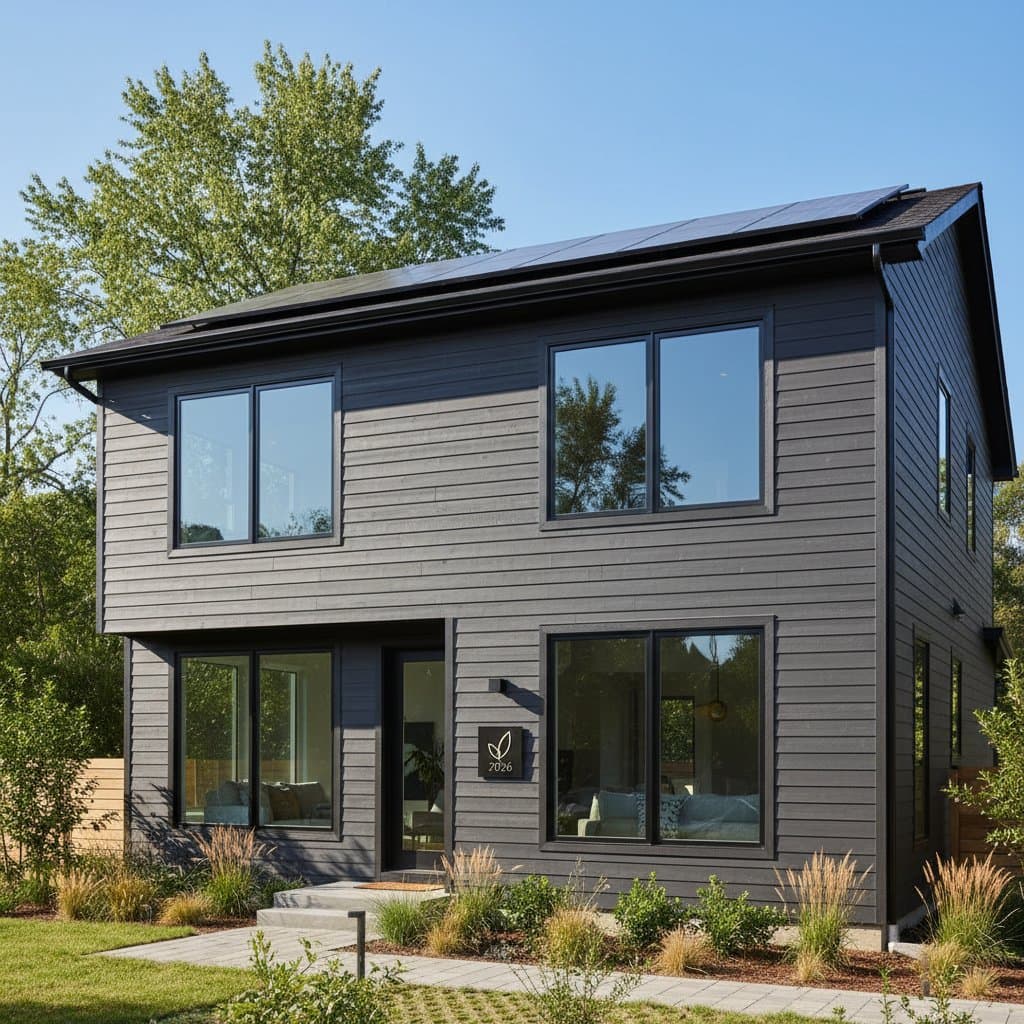
Picture approaching a residence with a refined, contemporary facade that suggests premium wood or metal construction. In reality, this surface derives from recycled plastic once destined for oceans or landfills. Such innovation embodies the core of contemporary sustainable building practices. Property owners now integrate aesthetics and environmental stewardship seamlessly.
This trend in recycled plastic siding signals a broader evolution in material selection. Beyond planetary conservation or waste reduction, it emphasizes prudent economic and functional choices that endure. With versatile designs, robust strength, and reduced care needs, recycled plastic stands out among current exterior cladding solutions.
Why Recycled Plastic Matters Now
Traditional construction materials demand substantial energy inputs during manufacturing. Options like vinyl, aluminum, and fiber cement deplete considerable resources. Recycled plastic siding alters this dynamic by repurposing available materials instead of harvesting fresh ones. Each installed square foot diverts waste from disposal sites and marine environments, simultaneously diminishing the carbon emissions tied to building activities.
Financially, this siding yields a compelling return. Initial expenses may exceed those of basic vinyl, yet reductions in upkeep, repairs, and energy consumption recoup the difference quickly. Numerous owners note decreased utility payments from better insulation and sealed air paths. Appraisers now factor in eco-upgrades, which elevate market value at sale.
How the Material Is Made
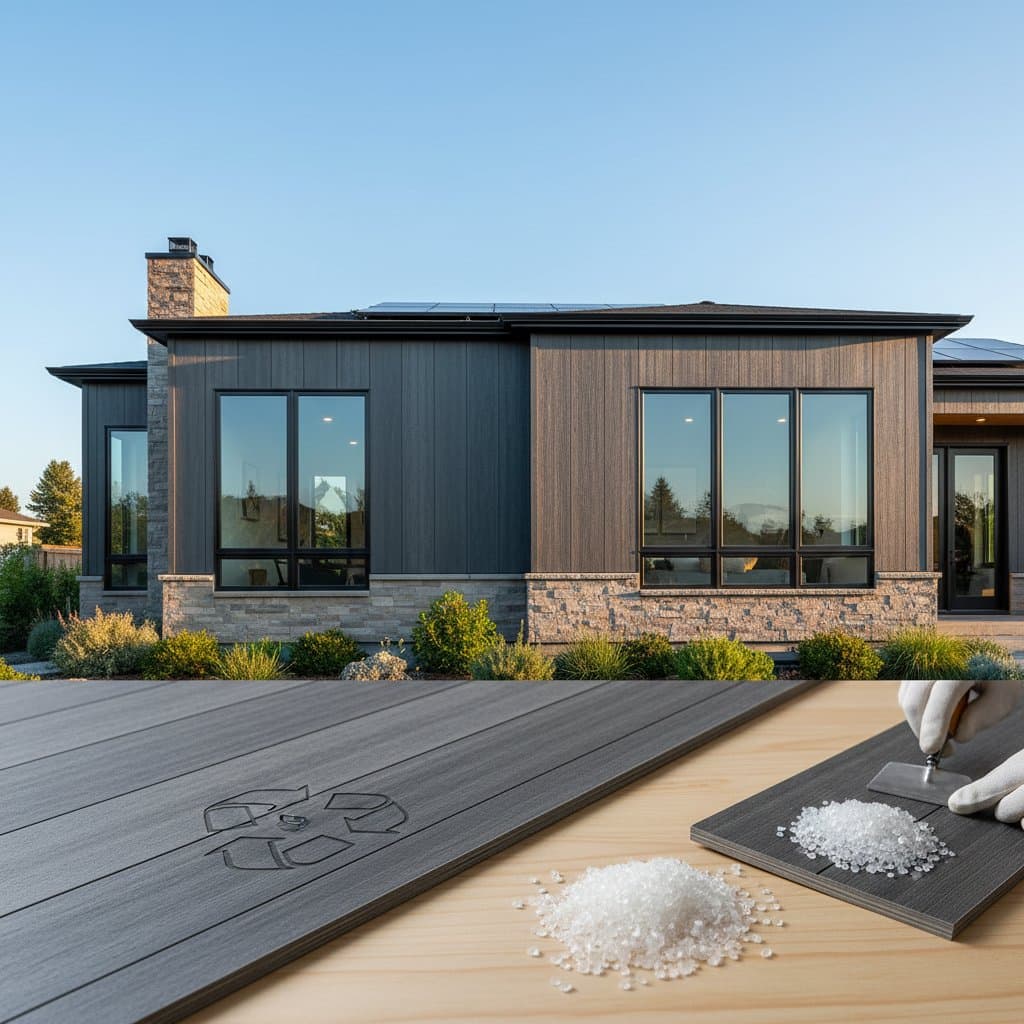
Manufacturers produce recycled plastic siding by blending post-consumer and post-industrial plastics, including polyethylene and polypropylene. Workers clean, melt, and reshape these into resilient panels that emulate wood grains, stone effects, or sleek surfaces. Certain formulations incorporate fibers or minerals to boost stiffness and heat retention.
The process excels through its cyclical approach. Rather than generating new plastic, it leverages established supply chains. This method cuts energy use by as much as 70 percent versus virgin resin production. Additionally, it bolsters community recycling efforts, providing incentives for local facilities to handle plastics more effectively.
Key Benefits of Recycled Plastic Siding
- Durability: It withstands cracking, warping, and water exposure better than many wood variants.
- Low Maintenance: Cleaning involves simple soap-and-water rinses periodically.
- Energy Efficiency: Integrated insulation in select designs raises thermal resistance by 20 to 30 percent.
- Aesthetic Versatility: Choices span numerous colors and textures with strong fade resistance.
- Environmental Value: It minimizes landfill contributions and advances closed-loop production.
Comparing Material Choices
Homeowners assess siding based on expense, visual appeal, and durability. The following table provides general contrasts among prevalent types.
| Material Type | Average Cost per Square Foot | Expected Lifespan | Maintenance Level | Environmental Profile |
|---|---|---|---|---|
| Wood | Moderate to High | 20–40 years | High | Renewable yet demands protective layers |
| Vinyl | Low | 20–30 years | Low | Derived from petroleum, recycling limited |
| Fiber Cement | Moderate | 30–50 years | Moderate | Energy-intensive manufacturing |
| Recycled Plastic | Moderate | 40–60 years | Very Low | Repurposes waste materials |
Regional and brand variations influence pricing, but recycled plastic excels in balancing performance against care demands. Across 30 years, cumulative costs prove 25 to 40 percent less than wood or fiber cement, thanks to extended service life and sparse interventions.
The ROI Equation
Approach any renovation as a strategic financial commitment. Recycled plastic siding delivers advantages in four key areas:
- Reduced Maintenance Costs: Elimination of painting or sealing avoids annual hundreds in expenses.
- Energy Efficiency Savings: Superior heat management trims heating and cooling bills by 10 to 15 percent.
- Resale Value Increase: Eco-features can lift home worth by 3 to 5 percent.
- Insurance Advantages: Resistance to fire, water, and insects qualifies for premium reductions from select providers.
Collectively, these elements shorten the recovery timeline to under ten years, with the siding enduring far longer absent notable wear.
Installation and Compatibility
The process mirrors that of vinyl or fiber cement siding. Panels connect via interlocking or overlapping, secured to wall sheathing using rust-proof fasteners. Its light weight eases load on structures and permits overlay on prior siding, subject to inspections and regulations.
Experienced crews value the material's pliability and uniform dimensions, which accelerate fitting over options needing extensive trimming or seals. To maximize efficiency, combine it with full-coverage insulation or ventilated barriers for optimal temperature regulation and dampness prevention.
Pro Tips for Installation Success
- Seek certification of recycled content from bodies like GreenCircle Certified or SCS Global Services.
- Let panels adjust to site temperatures prior to securing, avoiding stress-induced gaps.
- Opt for pale shades in warm regions to limit solar heat gain.
- Check adherence to area codes, especially fire ratings in vulnerable areas.
Design Possibilities Without Compromise
Recycled plastic siding unlocks extensive creative potential. Producers deliver textures mimicking cedar shakes, slate tiles, or minimalist panels with precision. Embedded pigments ensure colors persist through years of sun exposure.
Professionals apply it in homes and modest commercial settings for its precise edges, uniform feel, and adaptability to diverse conditions. Residents gain sophisticated exteriors that require little ongoing attention.
Health and Comfort Advantages
Recycled plastic siding enhances interior well-being beyond sustainability. It curbs water entry and skips volatile paint chemicals, fostering cleaner air. Built-in insulation variants steady room climates, curbing moisture swings that influence livability.
Lacking biological components, it deters infestations from wood-boring insects, safeguarding the home's framework. This leads to fewer fixes and a sturdier protective shell over time.
Addressing Common Questions
Is recycled plastic siding safe for my home?
Affirmative. Reputable items comply with or surpass benchmarks for flammability, load-bearing, and chemical safety. Certifications verify absence of harmful elements and UV protection against breakdown.
How does it perform in extreme weather?
It endures freezing-thawing, dampness, and UV rays effectively. Proper setup limits dimensional shifts. In windy locales, enhanced anchors provide stability rivaling or surpassing fiber cement.
Can I paint or refinish it?
Painting remains an option, though seldom necessary. Integral coloring sustains uniformity for decades. For alterations, apply plastic-compatible paints after thorough prep.
What about fading or discoloration?
UV blockers and through-coloring preserve vibrancy beyond surface treatments. Warranties from makers often cover fading for 20 years or longer.
How recyclable is it at the end of its life?
Numerous panels suit re-melting into fresh siding or goods, perpetuating the cycle. Suppliers with retrieval initiatives promote full lifecycle reuse.
Market Trends and Future Outlook
Industry leaders view eco-materials as standard, not specialty. Recycled plastic siding aligns with this progression, merging ethics, innovation, and economy.
Advancing recovery networks and refined techniques will heighten affordability. Collaborations between recyclers and builders promise to convert local discards into valued components, reshaping ethical construction.
Steps to Adopt Recycled Plastic Siding
Evaluate your home's needs against available options from certified vendors. Consult professionals for site-specific assessments and installations. Embrace this choice to secure enduring savings, style, and sustainability for your property.