The Hidden Opportunity in the Walls
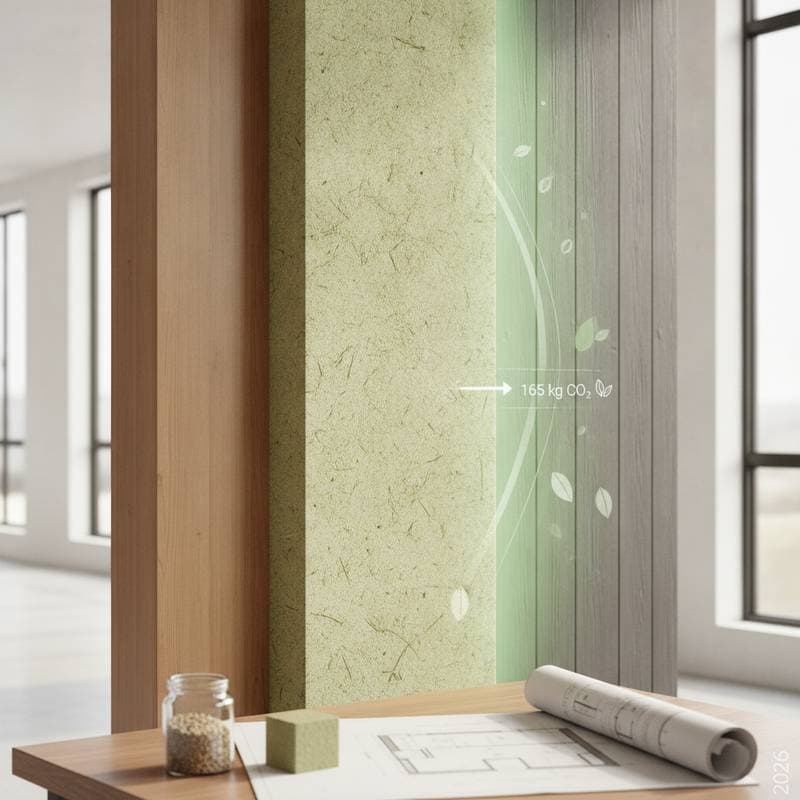
Imagine insulation that not only regulates temperature but also returns to the soil without residue. Mycelium insulation, derived from mushroom root networks, addresses this possibility through controlled cultivation on agricultural waste. This material offers builders and homeowners a renewable option that aligns with performance standards for modern construction.
Homeowners gain practical advantages. These include lower energy consumption over time and compatibility with both new builds and renovations when moisture controls are applied correctly.
What Mycelium Insulation Is and How It Works
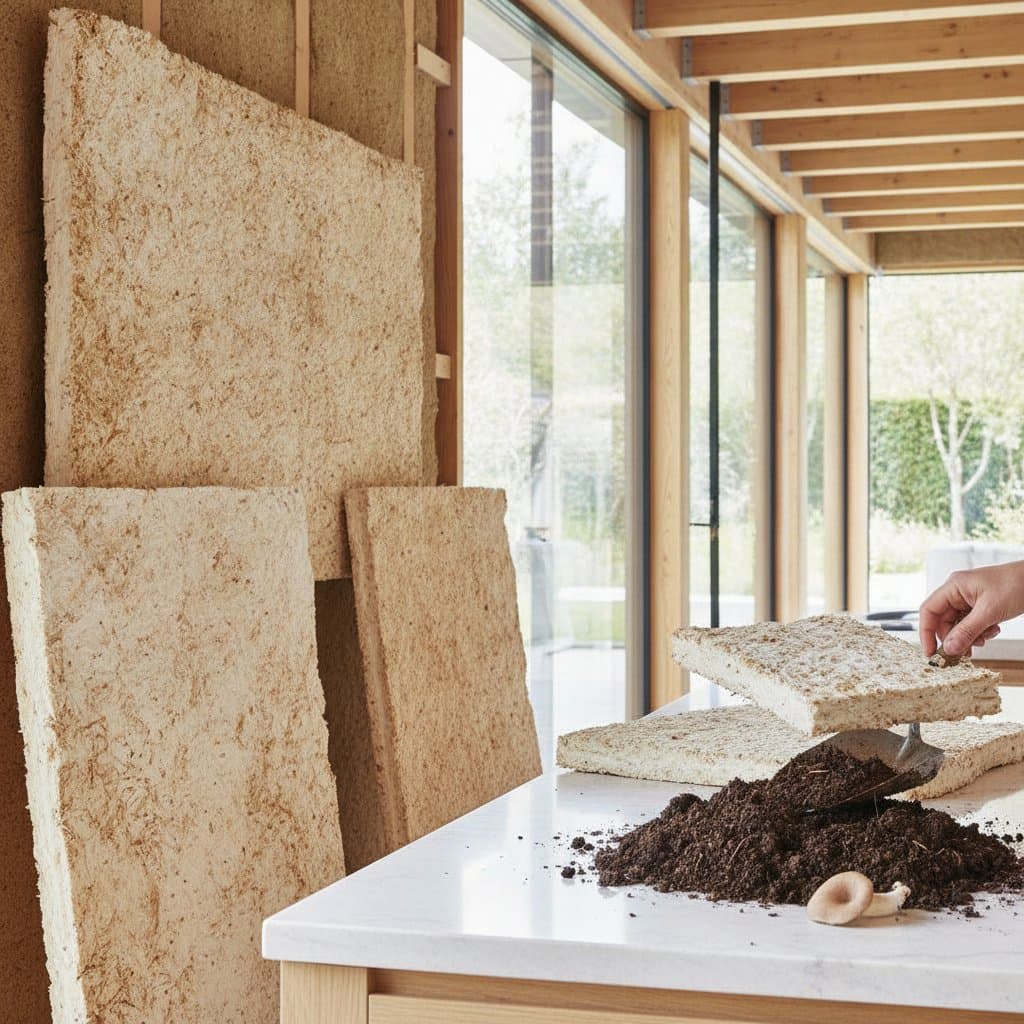
Mycelium forms the root-like structure of fungi. Producers grow it on substrates such as corn husks or sawdust inside molds to create panels or loose-fill blocks. After growth completes, heat treatment halts activity and yields a stable product.
The material achieves R-values of 3 to 4 per inch. This range matches mineral wool and expanded polystyrene. Its structure also reduces sound transmission and permits limited vapor movement to help balance indoor humidity levels.
Environmental and Financial Value
Conventional insulation depends on high-heat processes and nonrenewable inputs. Mycelium grows at room temperature from waste streams, which cuts embodied energy and eliminates disposal costs at end of life.
Initial panel prices run 10 to 25 percent above fiberglass. Long-term returns appear through reduced utility costs, possible green-building incentives, and higher resale interest. Property value gains of 15 to 20 percent have been observed in energy-efficient homes that incorporate such features.
Performance and Durability in Real Conditions
Properly installed mycelium resists fire by charring rather than melting. It also deters pests when sealed. Prolonged moisture exposure remains the primary risk, so vapor-permeable barriers and ventilation are required.
In dry assemblies the material maintains integrity for decades. Builders pair it with lime plasters or wood siding to create walls that regulate moisture and support better air quality than many synthetic systems.
Comparing Mycelium to Other Sustainable Options
- Cellulose offers low cost from recycled paper yet needs added fire retardants and can shift over time.
- Sheep wool manages humidity naturally but carries higher cost and requires pest treatment.
- Cork delivers strong acoustic performance yet depends on specific growing regions for supply.
- Hempcrete provides solid insulation but demands longer cure times and specialized crews.
Mycelium combines regional production, moderate pricing, and full compostability, which suits varied climates and project scales.
Health and Indoor Quality Benefits
Mycelium releases no volatile organic compounds. Its breathable structure limits conditions that support mold. These traits benefit occupants sensitive to chemicals or allergens.
Designers often combine it with clay or lime finishes. The resulting assemblies moderate temperature swings and improve perceived comfort without synthetic additives.
Market Dynamics and Future Potential
Demand for low-impact materials is rising among regulators and buyers. Mycelium production can occur near job sites, which shortens supply chains. Scaling facilities are already reducing unit costs.
Architects now specify the material to satisfy certification programs. Continued automation of growth processes supports wider adoption across residential and commercial projects.
Installation Insights for Homeowners
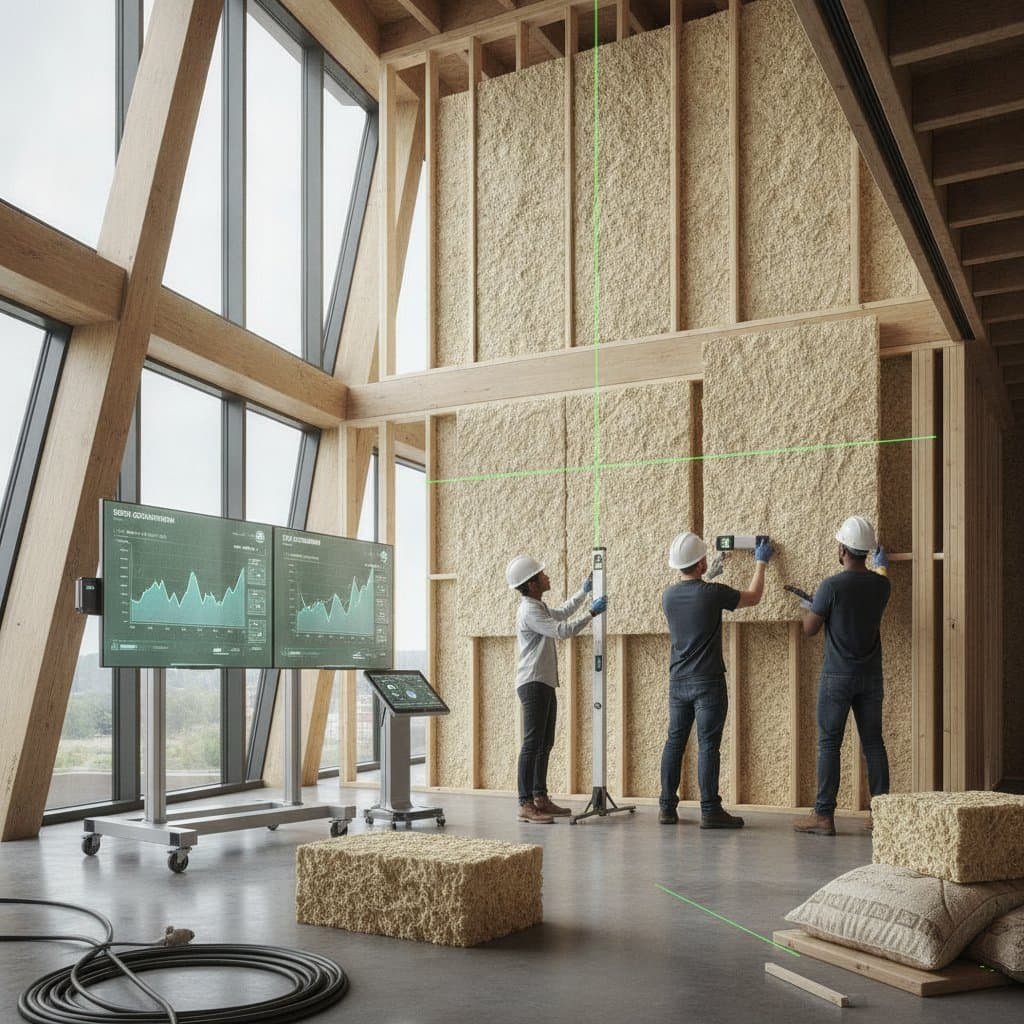
Panels fit between studs with friction or natural adhesives. Loose-fill versions suit attics when blown in place. Confirm that each batch received full heat treatment before use.
Avoid compression during placement. Maintain ventilation and vapor control to keep the material dry. Smaller retrofits can use pre-sized modules for partitions or attic spaces.
Next Steps for Adoption
Assess project priorities such as energy reduction or material circularity. Request test data on thermal and fire performance from suppliers. Engage contractors experienced with natural building methods to handle detailing.
Partial installations in attics or interior walls provide an entry point. These applications demonstrate benefits while supporting broader shifts toward regenerative construction practices.