Key Points
- Mycelium insulation, derived from fungal roots, serves as a biodegradable option that enhances energy efficiency over synthetic alternatives.
- It delivers excellent thermal insulation, controls moisture levels, and absorbs sound while maintaining a low environmental footprint.
- Pricing now aligns closely with fiberglass and mineral wool, with substantial savings from reduced energy use over time.
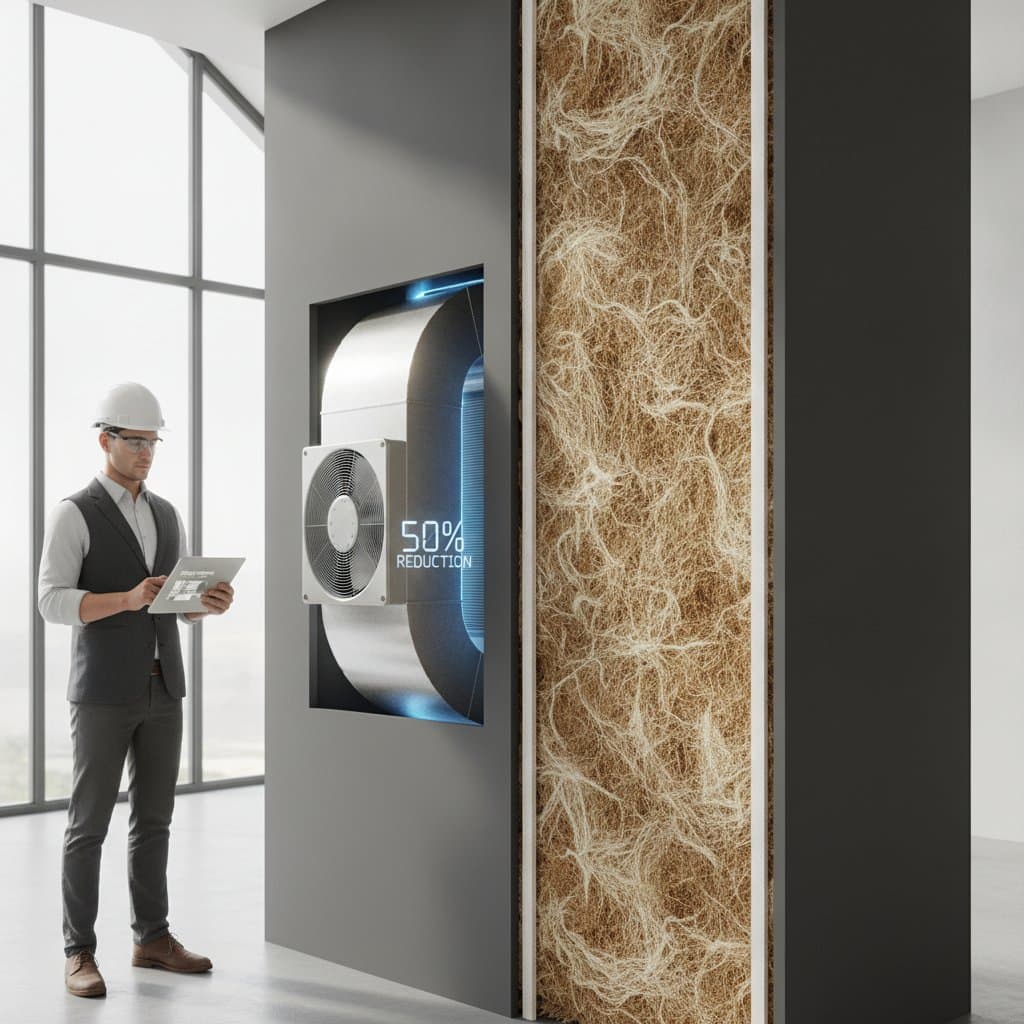
- Proper installation yields 10 to 25 percent better energy performance in homes.
- Built-in resistance to fire and mold lowers ongoing maintenance expenses throughout the structure's lifespan.
Understanding Mycelium in Building Design
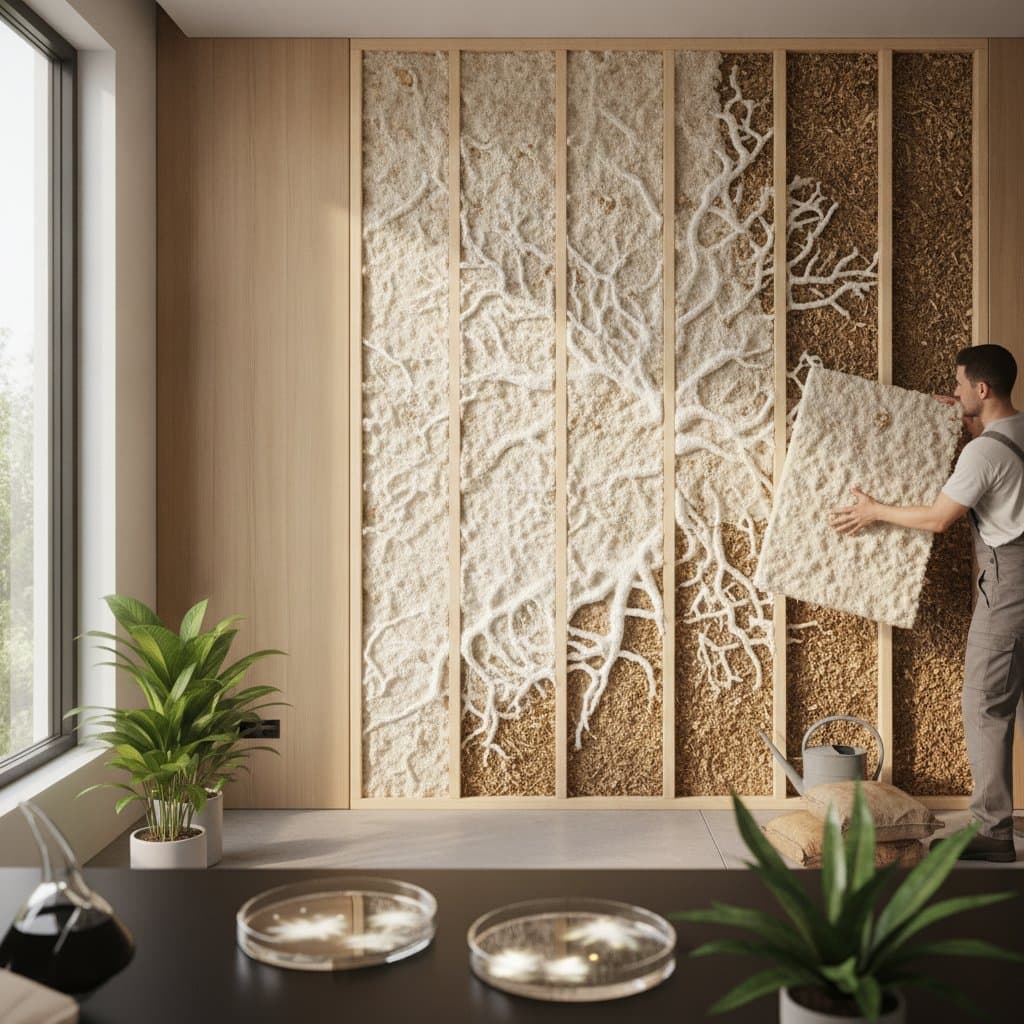
Mycelium forms the underground network of fungi, consisting of fine threads that weave into strong, lightweight matrices. In production, it grows on waste materials like corn husks or hemp fibers in controlled environments. After growth, heat treatment halts development, resulting in a firm, fully compostable product.
This method requires far less energy than producing fiberglass or foam. It avoids harmful chemicals and glues entirely. Each piece sequesters carbon within its organic makeup, thereby shrinking the home's carbon emissions.
Experts in green building hail mycelium as a game-changer for its blend of renewability and reliability. Builders integrate it seamlessly into standard workflows, avoiding the need for specialized equipment or major changes.
Building the Economic Argument
True sustainability demands economic viability. Evaluate mycelium insulation by weighing upfront expenses against enduring gains.
Installation Cost Breakdown:
- DIY kits for basic applications: $2.50 to $3.50 per square foot.
- Professional setup for full wall systems: $4.00 to $6.00 per square foot.
Projected Savings Over Time:
- Cut heating and cooling costs by 10 to 25 percent, varying by local weather and home layout.
- Minimize repairs thanks to inherent defenses against mold and pests.
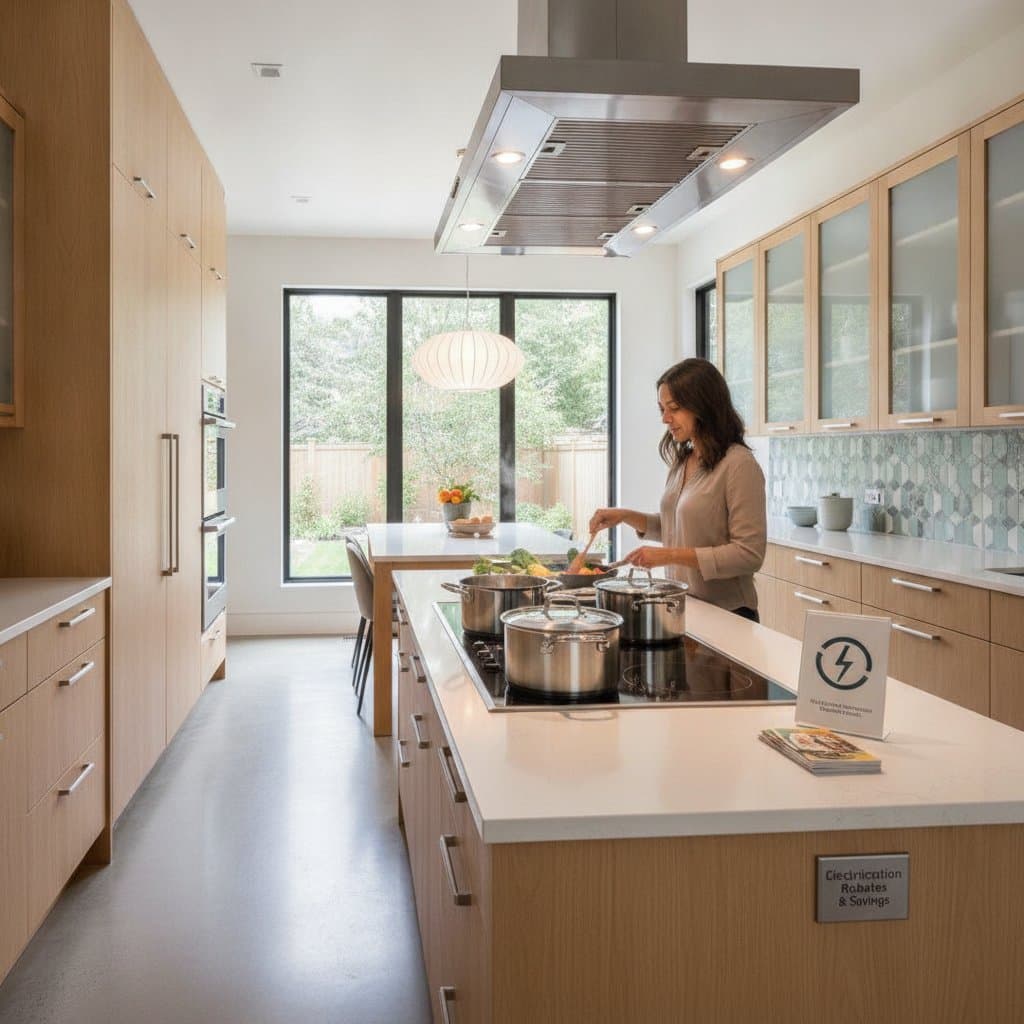
- Qualify for rebates through green building programs or certifications.
Over 20 years, mycelium often proves 15 to 30 percent cheaper in total ownership costs than traditional options. This edge sharpens as utility rates climb or when eco-features boost property values at sale.
Environmental and Lifecycle Advantages
Standard insulations carry unseen ecological burdens, from manufacturing emissions to disposal challenges. Mycelium reverses this trend by producing zero emissions and actively storing carbon during cultivation.
At end-of-life, it decomposes harmlessly into soil, free of pollutants or persistent waste. This closed-loop approach aligns with circular economy principles now standard in progressive architecture.
Assessments show mycelium uses up to 90 percent less energy in production than oil-derived foams. Such efficiencies cut the building's overall ecological impact significantly.
Promoting Healthier Indoor Environments
Mycelium extends benefits to occupant well-being beyond efficiency metrics. Unlike many synthetics that emit chemicals or shed irritating particles, it remains non-toxic and odor-free.
Superior air quality emerges as a priority in modern homes. Mycelium balances humidity to prevent mold and enhances airflow, mitigating risks from stale or moist conditions. Its sound-absorbing qualities foster serene spaces that aid relaxation and focus.
Practical Installation Strategies
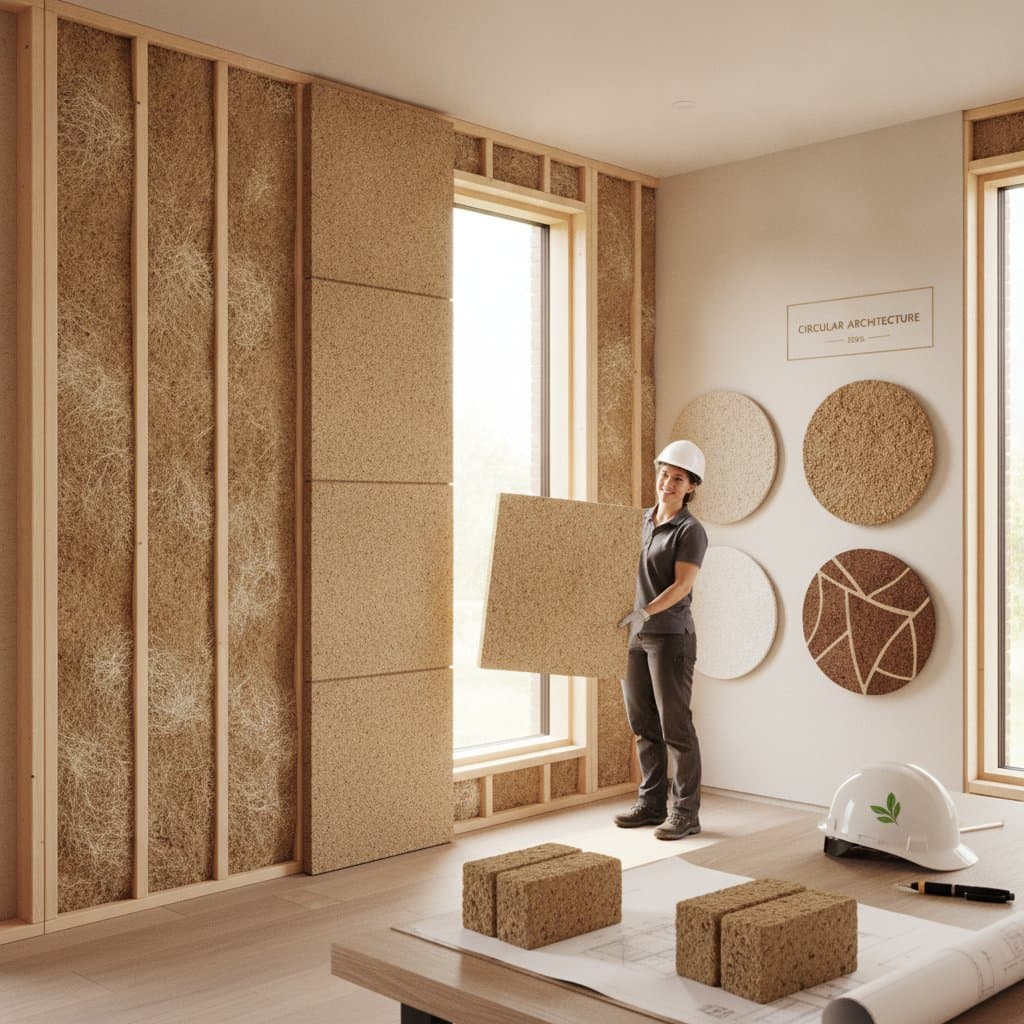
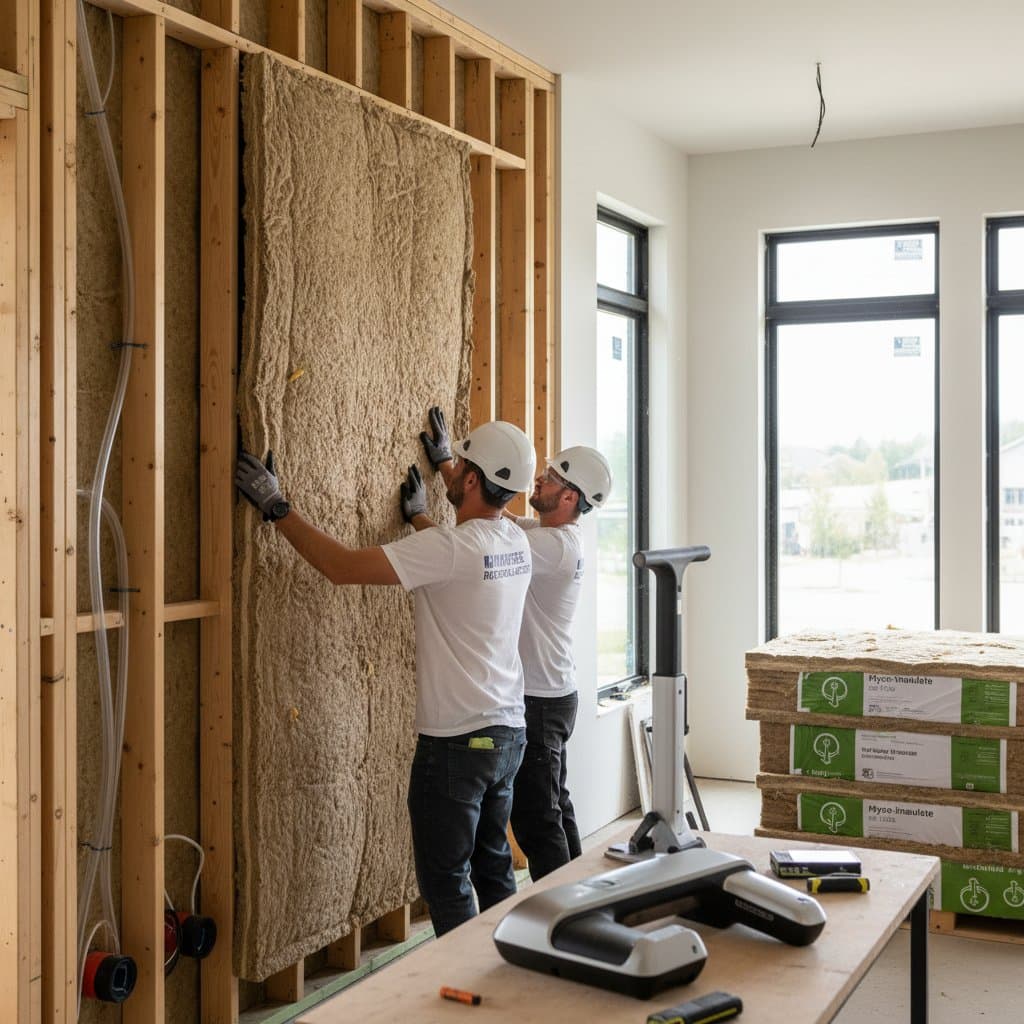
Builders appreciate the simplicity of working with mycelium. Available as rigid boards, loose granules, or bespoke forms, it suits walls, attics, and floors alike. Scoring and fitting panels between joists requires standard tools, and its light weight eases transport.
The breathable nature complements permeable barriers and organic finishes, forming balanced assemblies that manage vapor effectively.
During renovations, swap it in without altering frameworks. It slots into common stud spacings and mirrors techniques for fiber-based insulations, making transitions straightforward for experienced teams.
Certifications and Industry Endorsements
Mycelium now undergoes rigorous evaluation by standards organizations for fire endurance, insulation values, and eco-declarations. Producers align with global codes via lab-verified data.
Designers value how it satisfies or surpasses benchmarks for efficient structures. Integrated with simulations and sealing tests, it supports accolades like LEED or Passive House standards.
Homeowners gain assurance that selections prioritize proven safety and efficacy alongside sustainability.
Tailoring to Local Conditions
Insulation needs vary by locale. In cold zones, prioritize high R-values to retain warmth; in wet areas, focus on vapor control. Mycelium's permeable design handles both, buffering excess moisture without trapping it.
Customize by layering with complements like cork boards or reclaimed fibers to optimize results. This adaptability fits diverse settings, from dense city dwellings to expansive countryside properties.
Sourcing nearby farm residues enables on-site production, curbing transport pollution and bolstering community jobs.
Homeowner FAQs
How long does mycelium insulation endure?
Treated properly and shielded from prolonged wetness, it matches the durability of standard materials. It withstands typical wear without breaking down.
Does it tolerate construction-phase dampness?
Brief contact poses little issue, but avoid soaking. Use protective coverings or barriers to preserve integrity.
How does it perform in fires?
It carbonizes on the surface to insulate against flames, achieving standard safety ratings naturally, without added treatments.
Is it ideal for updating older homes?
Absolutely. It conforms to typical cavity sizes and integrates with existing setups, perfect for efficiency overhauls.
Will it draw pests or fungi?
Post-treatment, it repels insects and self-regulates to inhibit mold formation.
Can I handle installation solo?
Simple kits suit minor jobs like interior dividers. For comprehensive work, hire pros to guarantee seals and code adherence.
Future Trends and Strategic Value
As construction embraces low-carbon solutions amid worldwide climate goals, mycelium positions itself as a frontrunner. Scaling operations will further lower prices while upholding quality.
Early adopters secure advantages in market appeal. Eco-upgraded homes fetch premiums, appealing to buyers who prioritize responsible living.
Investing here yields practical returns: trimmed expenses, elevated living standards, and a legacy of stewardship that endures.
Steps to Implement Mycelium Insulation
Begin with a professional energy assessment to pinpoint inefficiencies. Engage contractors versed in biological materials to review options. Weigh specs, sourcing, and setup methods to select the best fit for your project.