Key Points
- Thermal imaging uncovers heat loss overlooked by standard inspections.
- Addressing insulation voids and air infiltration can achieve up to 30 percent energy reductions.
- Infrared camera audits by professionals identify high-impact, cost-effective enhancements.
- Data-driven modifications enhance resident comfort and elevate property worth.
- Accurate analysis of thermal scans demands technical tools and building science knowledge.
The Invisible Energy Drain in Your Home
Imagine a welcoming home on a cold night, lights shining warmly from the windows, and the heating system running steadily to maintain comfort. Homeowners rarely notice the steady escape of warmth through tiny cracks, unsealed windows, and inadequate insulation. As the system labors more intensely, utility expenses rise, yet temperature consistency proves elusive.
This unseen energy dissipation represents a major ongoing expense in homeownership. It squanders resources, inflates bills, and conflicts with environmental objectives. Fortunately, advanced thermal imaging equips owners to visualize these losses precisely, replacing speculation with informed strategies.
The Role of Thermal Imaging in Energy Efficiency
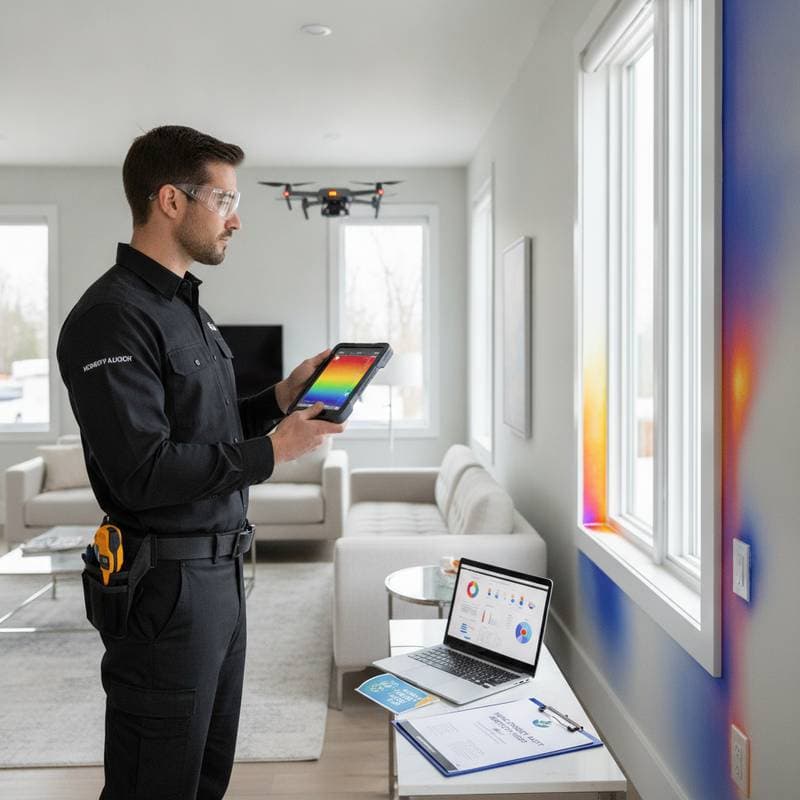
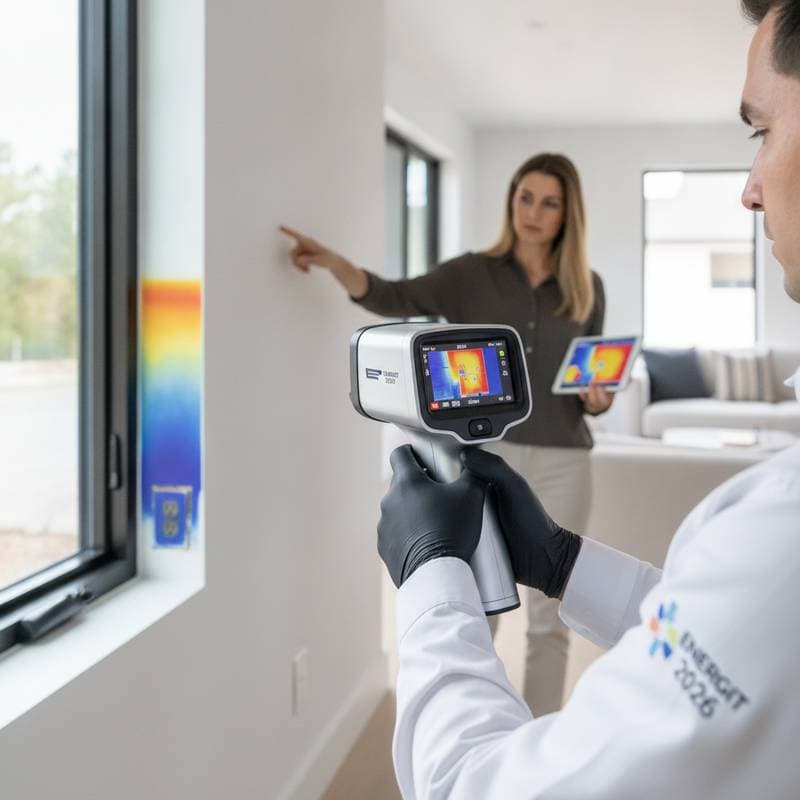
Thermal imaging employs infrared cameras to capture surface temperature variations. Warmer zones display in lighter colors, while cooler regions appear darker. This clear depiction exposes insulation deficiencies, drafts, and performance issues concealed within walls or beneath roofs.
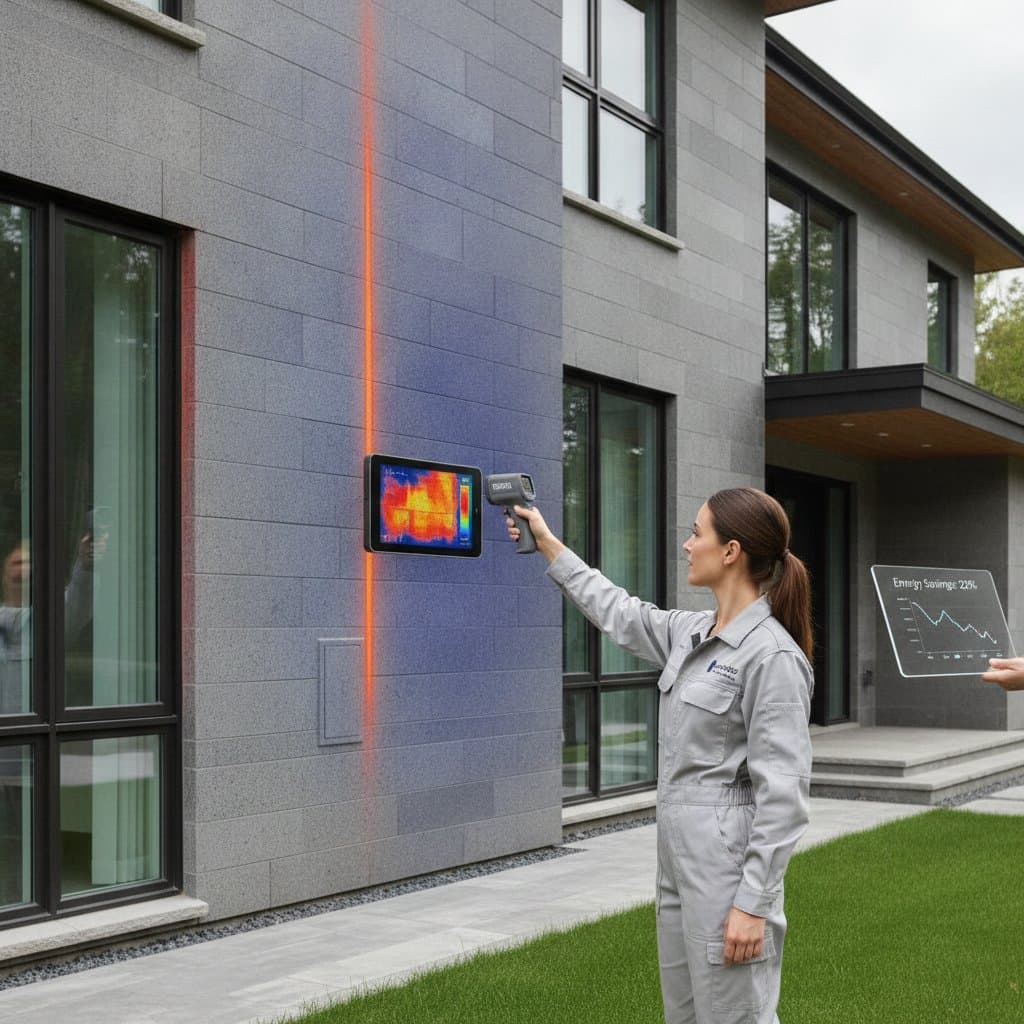
Homeowners often find initial scans eye-opening. A seemingly sturdy facade might reveal heat trails near window edges or roof vents. Spaces over unheated areas frequently register lower temperatures, and embedded lights can indicate energy waste. These patterns provide detailed accounts of structural efficiency.
Economically, the data proves persuasive. Research indicates that remedying thermal-detected problems can lower energy use by 10 to 30 percent, varying with building age and build standards. Often, audit expenses recover through one to three seasonal cycles.
Steps in a Professional Thermal Audit
Experts start thermal evaluations with an overview of the home's exterior shell. They traverse interiors and exteriors, using infrared devices to record temperature anomalies paired with standard photos for reference.
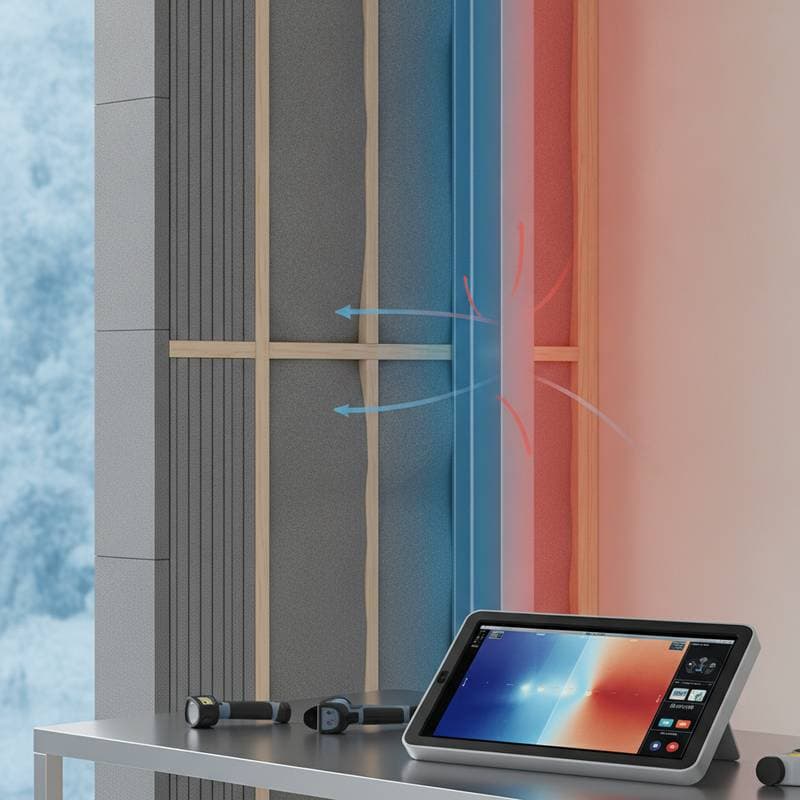
Auditors sometimes integrate blower door testing to create negative pressure, amplifying leaks for sharper thermal detection. This method yields a precise profile of airflow and thermal barriers.
Common discoveries fall into key areas:
- Insulation Shortfalls: Zones lacking fill, settled material, or improper placement.
- Draft Sources: Openings at joints, penetrations for pipes or wires, and worn seals.
- Water Infiltration: Chilled areas linked to moisture, signaling risks like mold growth.
- Heating and Cooling System Losses: Leaking conduits or imbalanced air flow.
Professionals assess each issue's expenses and returns to inform prudent choices.
Implementing Fixes from Thermal Insights
Thermal imaging excels when findings guide practical changes. Images serve as blueprints for ranking repairs by financial return and livability gains.
- Simple Interventions: Apply caulk to window perimeters, fit door thresholds, or renew seals for quick comfort boosts.
- Moderate Enhancements: Boost attic fill, secure air ducts, or line underfloor areas, with returns in several years.
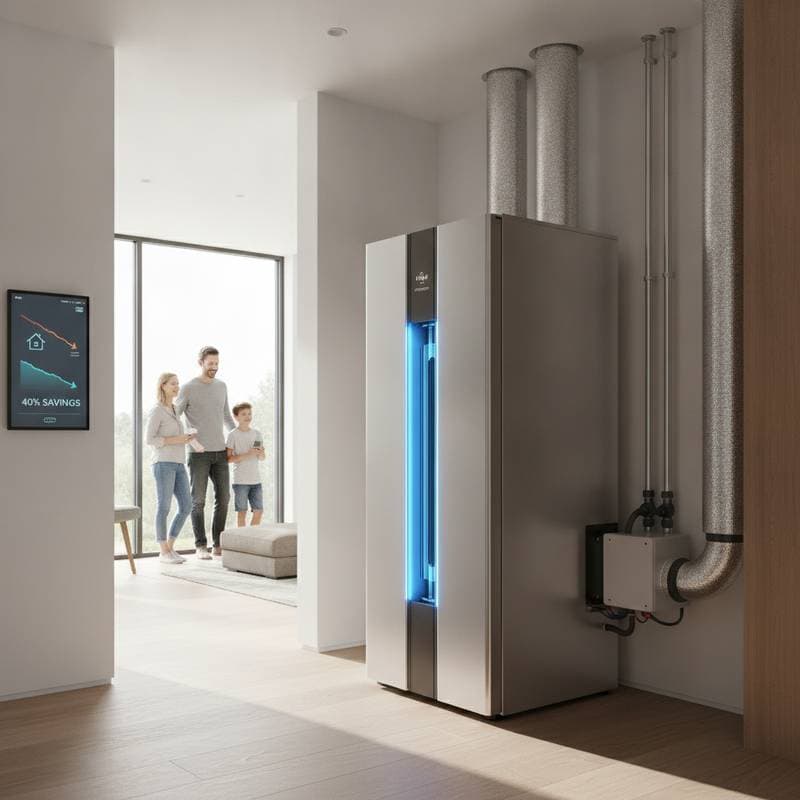
- Significant Overhauls: Install energy-efficient glazing or wall barriers, yielding enduring benefits alongside updated climate controls or solar integrations.
The economics align clearly. Investments of a few hundred dollars in seals and barriers, informed by audits, often yield annual hundreds in reduced heating and cooling outlays. These accumulate, while also refining air quality and thermal steadiness.
Professional Expertise in Thermal Analysis
Affordable handheld thermal devices exist for consumers, yet decoding outputs demands specialist skills. Factors like ambient moisture, surface composition, and solar influence can skew readings without adjustment.
Trained auditors distinguish genuine losses from optical tricks. They adhere to protocols from bodies like the Building Performance Institute and Residential Energy Services Network. Such rigor grounds advice in verifiable facts.
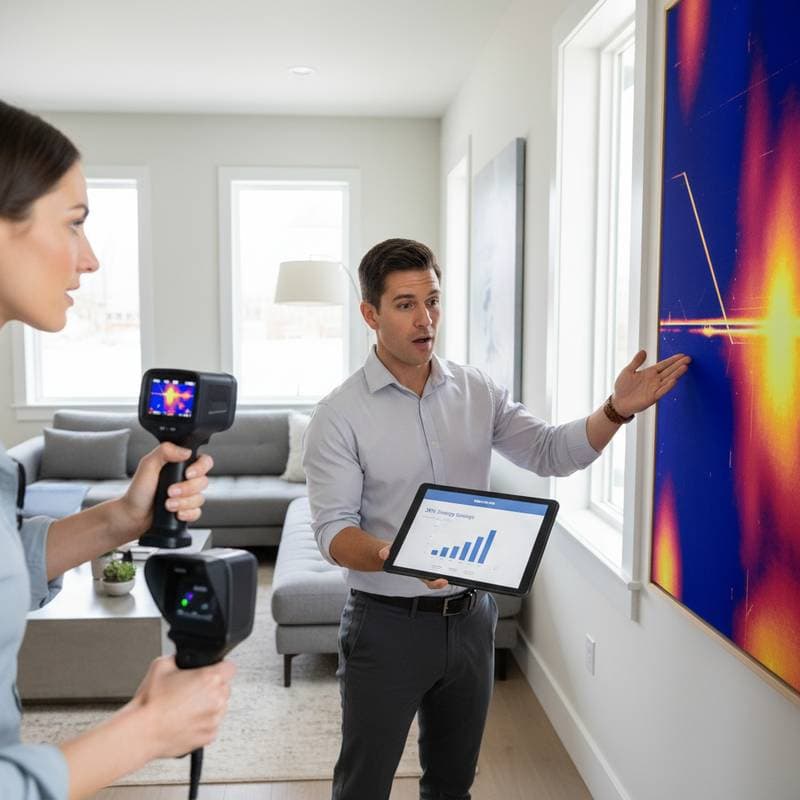
Engaging certified experts grants access to sophisticated equipment and detailed reports. Outputs include annotated visuals, loss estimates, and sequenced action plans. This elevates audits into strategic financial tools.
Lasting Advantages of Thermal Detection
Beyond bill reductions, thermal scans foster healthier and more resilient homes. Spotting drafts uncovers dampness risks that threaten structures or air purity. Filling voids ensures even temperatures, easing system loads and daily ease.
Environmentally, efficiency gains curb power needs and emissions. In property markets valuing green features, verified upgrades attract buyers and support premium pricing.
The technology aids durability too. Early weak spot identification enables scheduled upkeep, sidestepping disruptions. Commercial applications similarly use scans for machinery monitoring and longevity.
Steps to Launch Your Energy Audit
Homeowners seeking energy command start with education. Arrange a certified audit incorporating thermal methods. Clarify inspection range, outputs, and formats upfront.
Review results alongside the auditor to grasp priorities and projections. Develop a staged plan fitting finances and schedules, targeting major loss sites first with seals and fills.
Evaluate progress post-changes via re-scans from auditors. Treat efficiency as continuous: reassess periodically or after alterations.
Thermal visibility turns abstract efficiency into tangible outcomes. Expert guidance and dedicated action convert these scans into sustained ease, economy, and ecological harmony.