Key Points
- Mycelium insulation serves as a bio-based alternative to petroleum-derived foams and mineral wool, grown from fungal networks.
- It delivers robust thermal resistance, inherent fire retardancy, and moisture management without relying on synthetic chemicals.
- Current pricing exceeds that of standard materials, yet scaling production will enhance affordability in the near term.
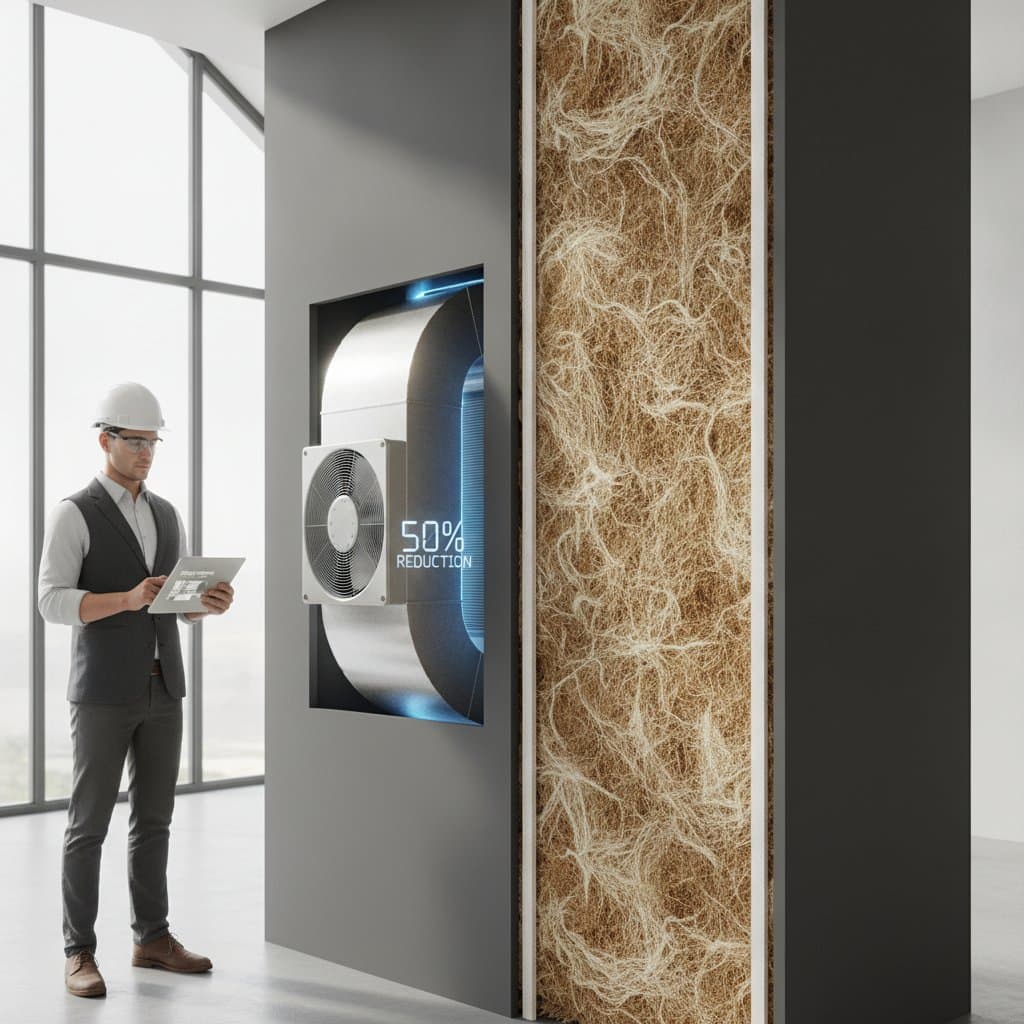
- Integration with airtight building designs and renewable energy sources yields annual energy savings of 15 to 30 percent for homeowners.
- The material advances circular construction principles via its compostability and ability to sequester carbon.
Understanding Mycelium Insulation and Its Mechanism
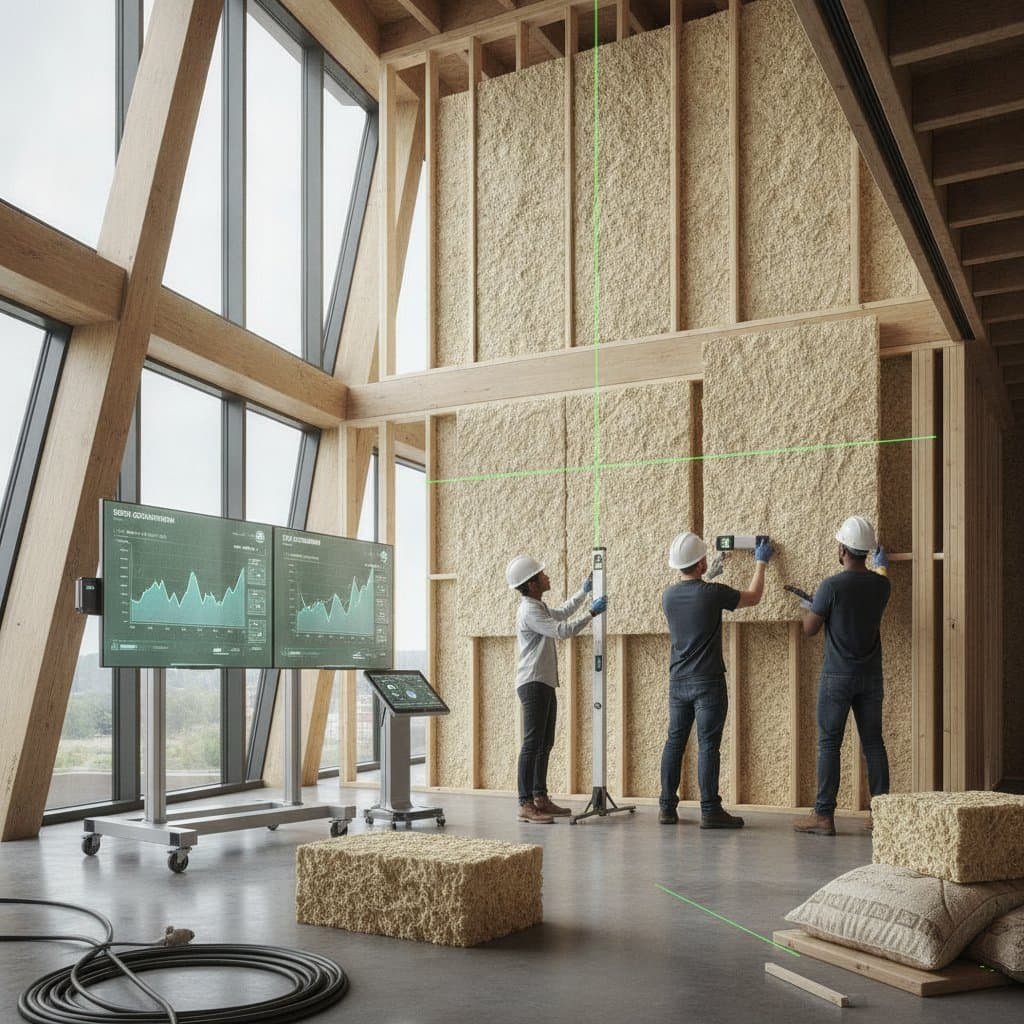
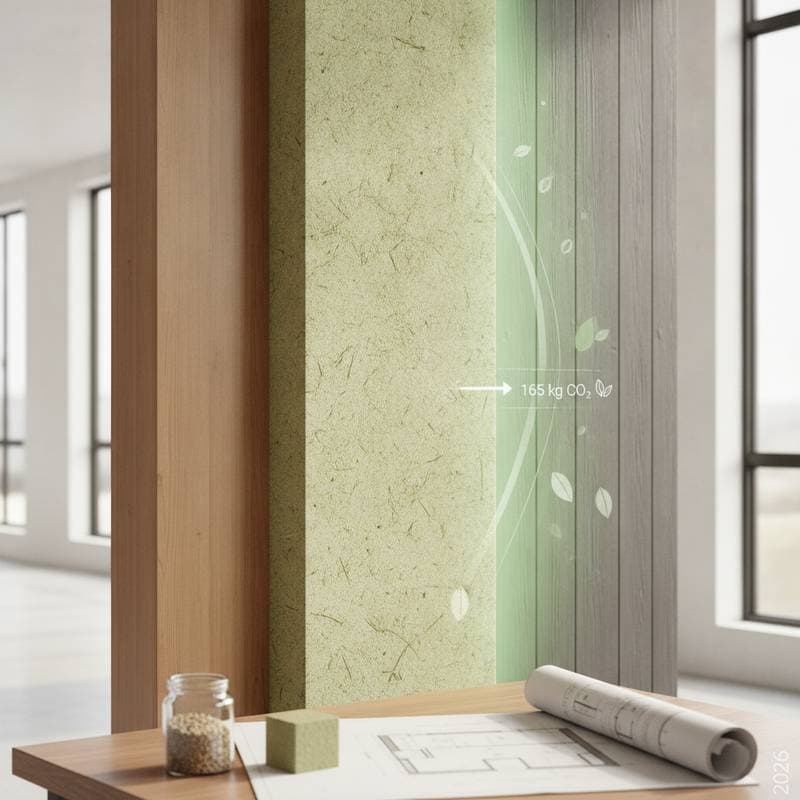
Mycelium forms the root-like structure of fungi, consisting of a dense web of microscopic filaments known as hyphae. In controlled environments, this network integrates organic substrates like hemp hurds, rice hulls, or sawdust to create a sturdy, foam-like composite. Manufacturers shape this material into panels for installation or adapt it for cavity filling.
The cultivation process demands limited energy input. Upon attaining the target density, applicators apply heat to halt growth, yielding a durable, non-reactive product suitable for immediate use. Distinct from petroleum-based foams, mycelium requires no harmful binders or chemical flame retardants. Its inherent properties ensure fire resistance and effective moisture regulation, rendering it suitable for renovations and new builds alike.
Analyzing Costs and Investment Returns
Mycelium insulation currently commands a premium of 10 to 25 percent per square foot over fiberglass or mineral wool, varying by thickness and regional supply. This upfront cost diminishes through subsequent energy reductions and elevated occupant comfort.
Mycelium panels achieve R-values of 3.5 to 4 per inch, aligning with cellulose insulation and rivaling moderate-density foam boards. Combined with meticulous air sealing, such systems lower heating and cooling expenses by 15 to 30 percent each year. Across a 10-year period, these reductions typically surpass the initial investment differential.
For those assessing property enhancements, bio-based insulation like mycelium generates returns of 6 to 10 percent via increased market value and diminished ongoing expenses. Prospective buyers favor features that promote wellness, ecological responsibility, and reduced environmental footprints, thereby elevating the appeal of mycelium-equipped residences.
Environmental Advantages and Health Impacts
Conventional insulation often emits microplastics or volatile organic compounds, whereas mycelium fosters a permeable barrier that maintains wholesome indoor air quality. Its vapor permeability facilitates moisture diffusion without accumulation, thereby mitigating mold proliferation.
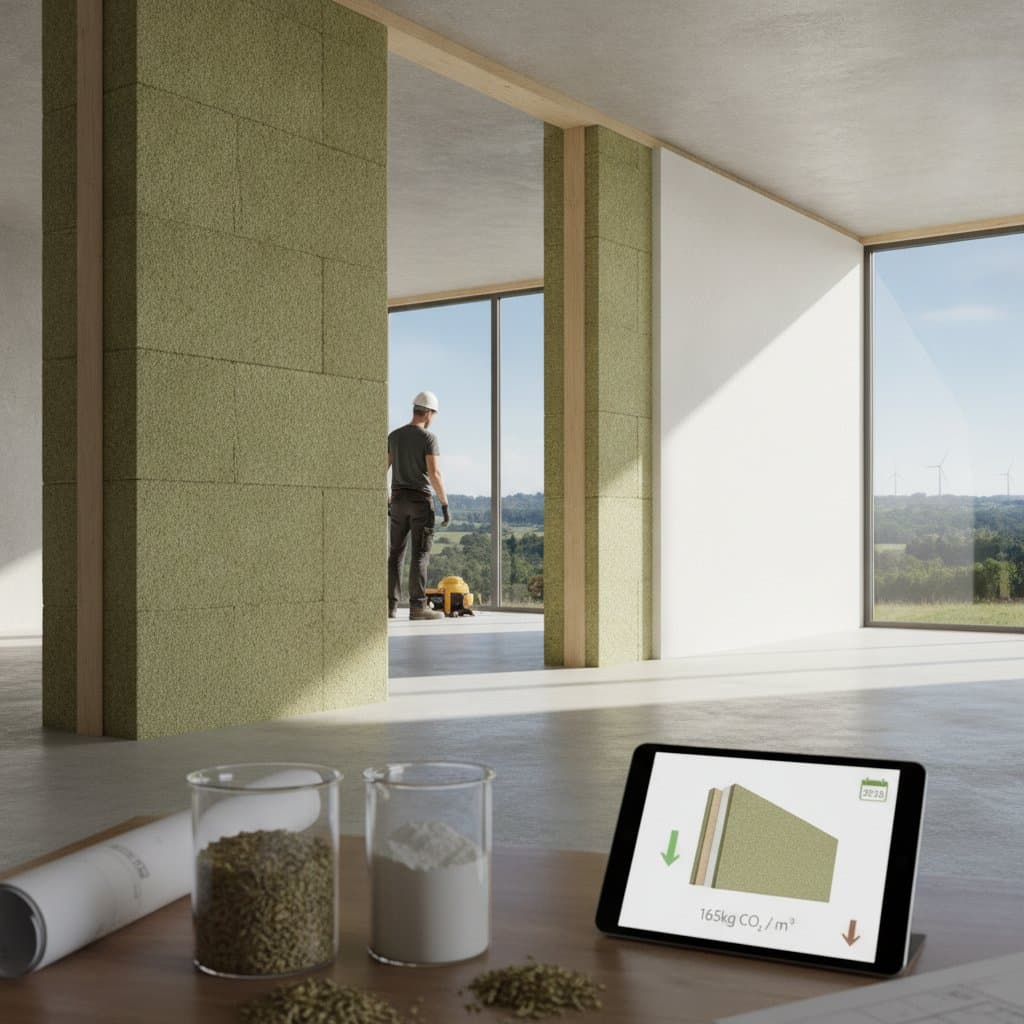
Environmentally, mycelium insulation proves carbon-negative in production, as fungal development captures CO₂ while incorporating waste biomass. Each panel sequesters carbon that might otherwise release into the atmosphere via decay or incineration.
At the conclusion of its lifespan, the material decomposes in compost or integrates back into soil without residue. This trait resolves disposal issues plaguing fiberglass and foams, which endure in landfills for extended durations. In an era emphasizing circular economies, mycelium underpins sustainable, regenerative building practices.
Evaluating Performance and Longevity
Doubts persist regarding the durability of fungal-derived materials compared to synthetics. Extensive lab evaluations and real-world deployments confirm that mycelium withstands fire exposure beyond the thresholds of numerous plastics. It preserves structural stability in damp settings when paired with adequate vapor barriers.
The material's innate self-extinguishing quality enhances safety absent chemical interventions. Its composition also excels in sound dampening, benefiting acoustics in spacious interiors. With correct application, mycelium endures for decades, paralleling conventional insulation lifespans.
Homeowners should conduct periodic checks for water ingress, especially in rainy or variable-humidity regions. When allied with robust ventilation, mycelium insulation optimizes indoor conditions, easing demands on heating and cooling systems.
Market Trends and Projections
The worldwide pivot to eco-conscious building materials spurs innovation and funding in bio-engineered solutions. Mycelium insulation bridges biotechnology and architectural engineering, drawing interest from designers, builders, and sustainability experts.
Expansion of manufacturing sites and optimized use of agricultural byproducts will lower prices and refine product uniformity. Regional production leverages local waste, tailoring recipes to available resources while bolstering community economies and curbing transport-related emissions.
Building authorities increasingly incorporate living materials into evolving codes. As validation protocols advance, approvals will accelerate integration, empowering specifiers to incorporate mycelium with assurance.
Guidance for Homeowners Exploring Mycelium Insulation
- Assess your regional climate and building envelope. Mycelium thrives in setups with controlled ventilation and humidity.
- Collaborate with specialists experienced in bio-materials. Techniques vary from conventional methods, and expert installation secures airtightness and stability.
- Weigh lifetime expenses beyond initial outlay. Factor in energy reductions, upkeep savings, and enhanced property worth.
- Inquire about validations and guarantees. Seek items verified against established thermal and fire criteria.
- Integrate holistically. Combine with energy-efficient glazing, optimized HVAC, and solar options for peak efficacy.
These measures guide users from interest to adoption, securing returns in livability, efficiency, and planetary care.
Responding to Frequent Inquiries
Does mycelium insulation draw pests or resume growth?
The cured form remains inactive and unappealing to organisms. It neither sustains fungi nor invites pests.
Can it substitute for spray foam or loose-fill options?
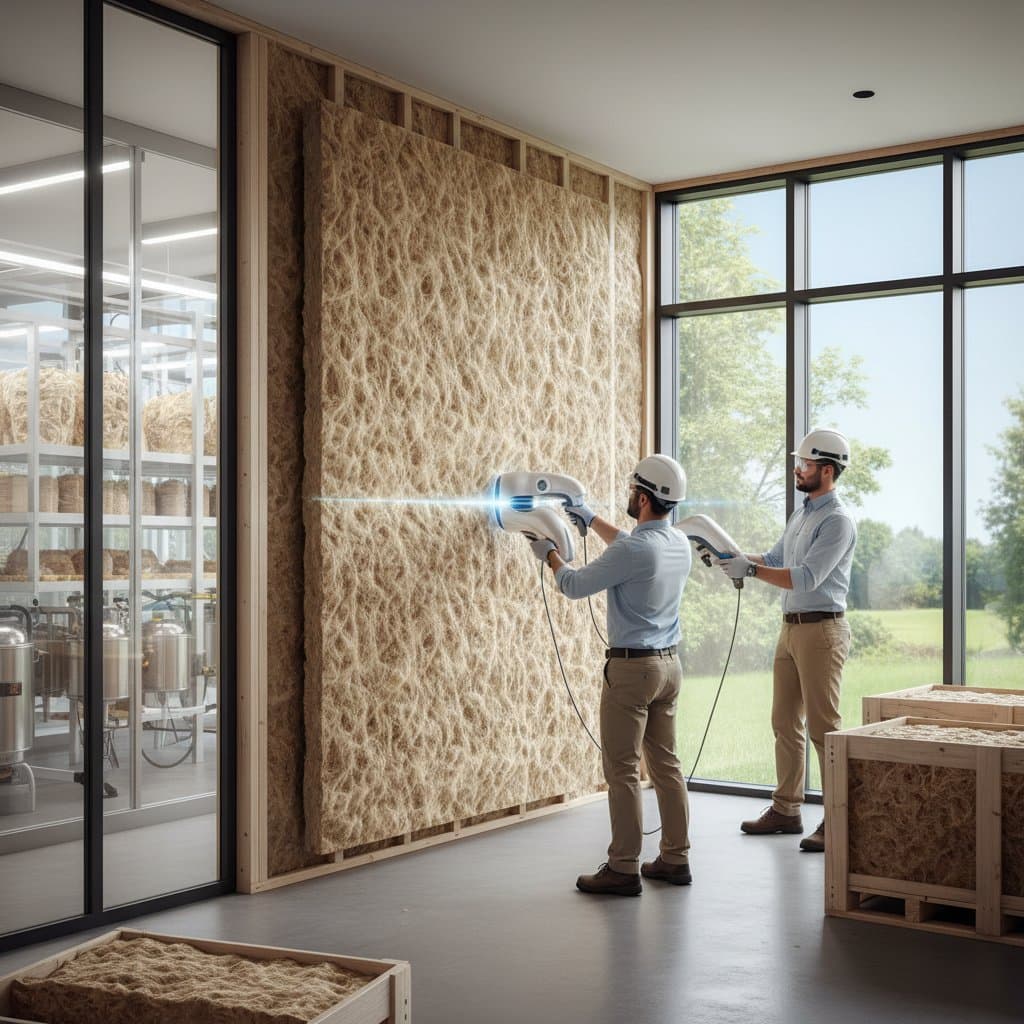
Panels suit cavity applications primarily. Emerging spray variants provide chemical-free expansion as foam alternatives.
Is it appropriate for high-humidity or seaside areas?
Indeed, alongside vapor control. Mycelium manages moisture intrinsically but requires protection from standing water.
What upkeep does it demand?
Minimal intervention suffices. Like other insulators, routine scans for breaches or wear prevent issues.
Does it alter air scent or surface feel?
The treatment process removes any organic notes, resulting in an odorless, neutral profile akin to wood composites.
Advancing Toward Sustainable Choices
Selecting mycelium insulation transcends material selection. It embodies dedication to harmonious, health-oriented built environments. Early adopters fortify their homes against rising energy costs, align with impending regulations, and cultivate resilience through regenerative design.