Mycelium Insulation Cuts Energy Bills While Biodegrading
Key Points
- Mycelium insulation provides a renewable option derived from fungal roots, serving as an alternative to foam or fiberglass products.
- This material integrates energy efficiency, cost savings, and complete biodegradability into a single, biologically grown product.
- Testing reveals solid thermal resistance with R-values from 3.0 to 3.7 per inch, alongside effective sound absorption capabilities.
- Homeowners benefit from sustained reductions in energy consumption and enhancements in indoor air quality over the material's lifespan.
The Challenge of Sustainable Comfort
Homeowners seek homes that maintain comfortable temperatures year-round without excessive energy use or high costs. Many traditional insulation options depend on petroleum-derived components, which demand significant energy during manufacturing and pose recycling challenges. Bio-based innovations address these issues, and mycelium insulation stands out as a key advancement. Derived from the root-like networks of fungi, this material moves beyond simple environmental appeal to influence broader construction practices and economic models.
The appeal of mycelium lies in its alignment with circular economy principles. Unlike synthetic insulators that contribute to landfill waste, mycelium returns to the earth naturally. Production leverages waste streams, reducing the environmental footprint from the outset. As climate concerns intensify, materials like this gain traction for their potential to lower both operational costs and ecological impacts in residential settings.
Why Mycelium Matters
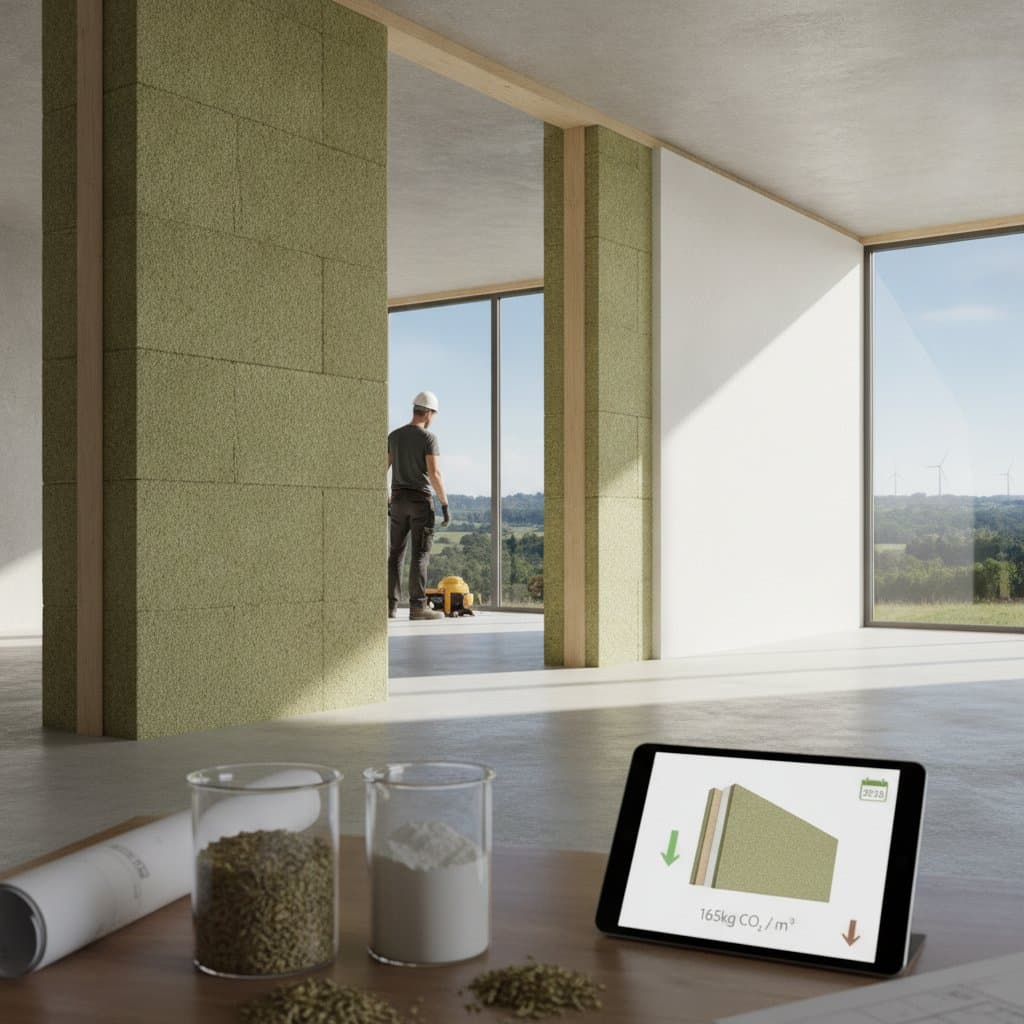
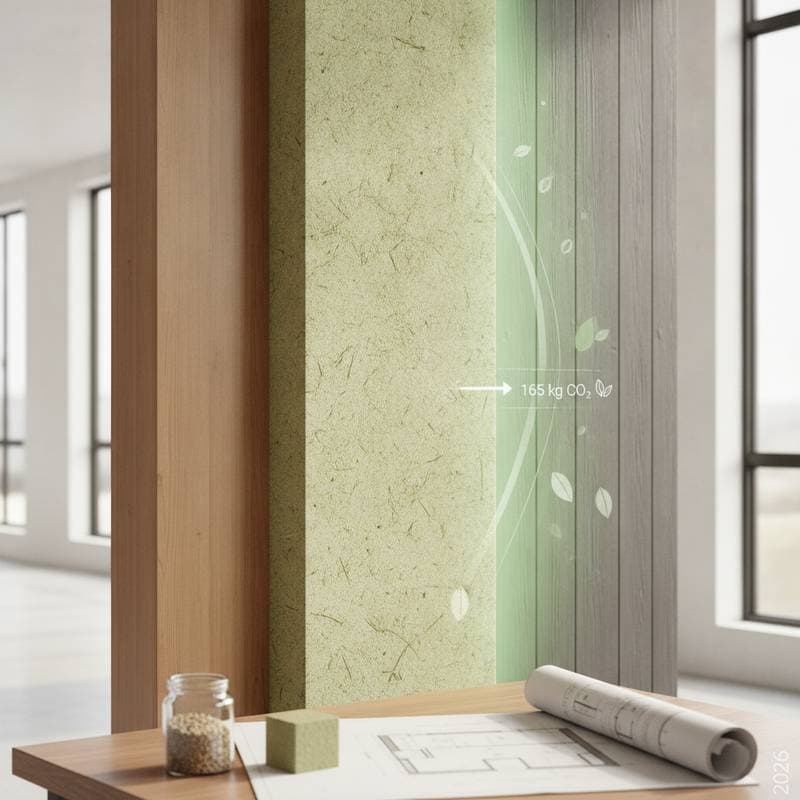
Mycelium develops through the growth of fungal hyphae on substrates such as agricultural waste or wood residues. In controlled environments, these networks bind into sturdy, low-density panels suitable for insulation applications. The cultivation process uses far less energy than extruding polystyrene foams, and the resulting product decomposes fully without harmful residues.
Economically, scaled manufacturing positions mycelium panels at 10 to 20 percent below the price of premium mineral wool equivalents. These panels enable energy reductions of 15 to 25 percent in heating and cooling demands, depending on climate and home design. For residents in variable weather regions, such efficiencies compound into substantial utility bill savings within the first few years. Long-term, the material supports resilient housing that adapts to rising energy prices.
Performance and Practicality
Insulation effectiveness hinges on R-value, a measure of heat flow resistance. Mycelium achieves R-values of 3.0 to 3.7 per inch, comparable to blown-in cellulose or fiberglass batts. Beyond thermal properties, it manages indoor humidity levels, preventing excess moisture buildup that can lead to discomfort or structural issues.
Additional attributes enhance its versatility:
- Fire Resistance: The organic composition chars slowly when exposed to heat, limiting fire propagation compared to melting synthetics.
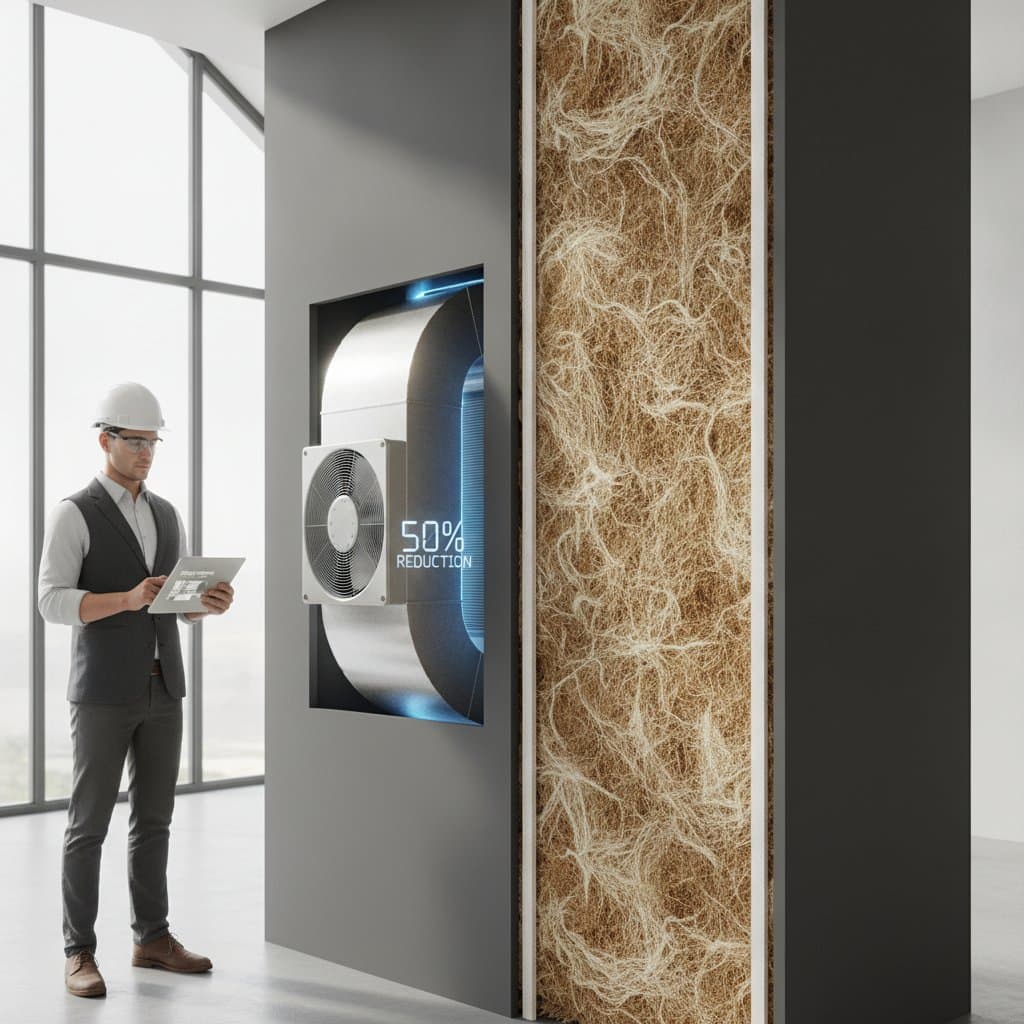
- Sound Absorption: The fibrous, porous texture absorbs vibrations, reducing noise transmission by up to 50 percent in wall assemblies.
- Air Quality: Free from chemical adhesives or off-gassing elements, it promotes cleaner indoor air, beneficial for allergy sufferers or those sensitive to pollutants.
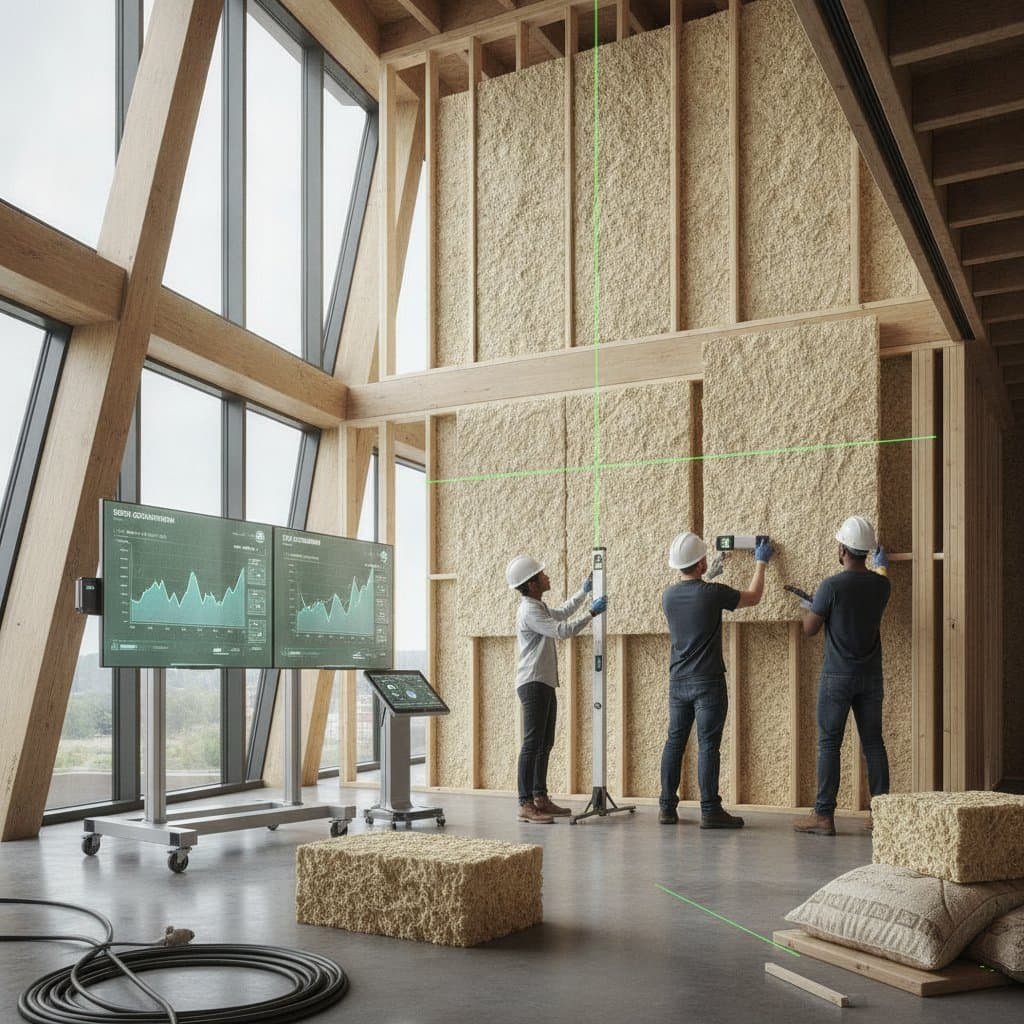
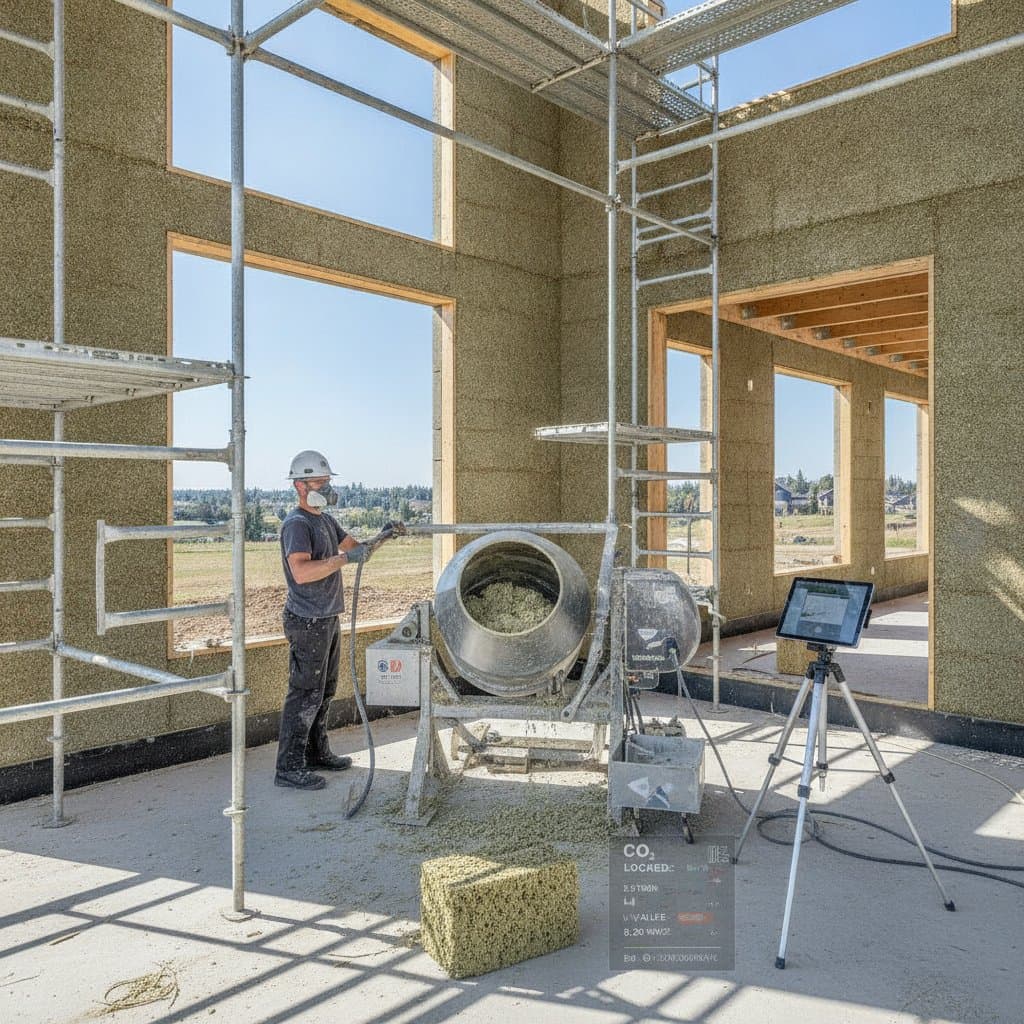
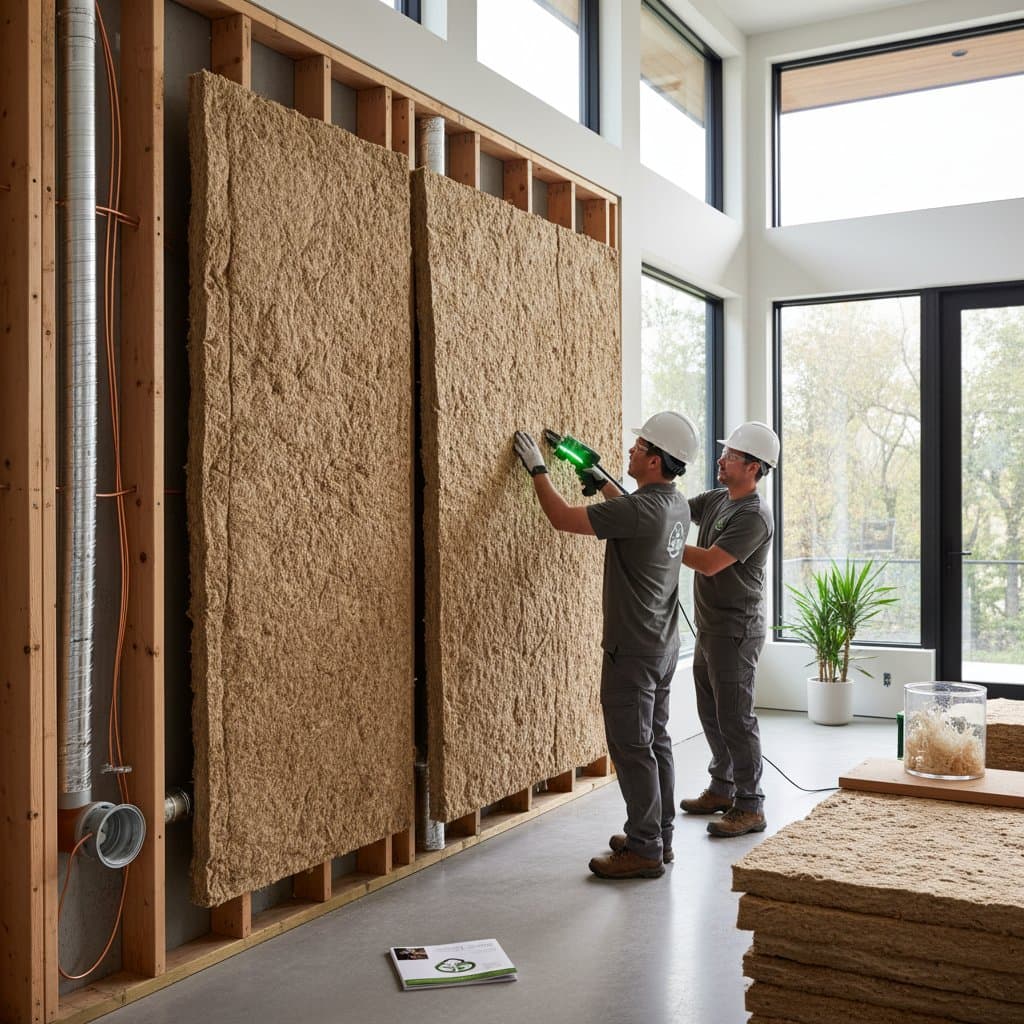
Practical integration mirrors familiar techniques. Contractors cut panels to size using utility knives or saws, securing them between wall studs or joists. For harder-to-reach areas, a sprayable variant fills cavities evenly, minimizing gaps that undermine performance.
The Long Game: Durability and Market Value
Sustainability requires materials that endure daily stresses without degrading. Mycelium resists mold growth through its natural antimicrobial properties, provided installers incorporate vapor barriers in damp-prone zones. It also deters common pests like termites, which avoid the fungal substrate. Over decades, the material retains its insulating density, avoiding the settling that diminishes other organic options.
Market dynamics further underscore its value. Properties with eco-friendly features command premiums of 5 to 10 percent in resale prices, according to industry trends. Buyers prioritize low-maintenance, health-conscious homes, and mycelium's profile aligns with certifications like LEED. In regions with strict energy codes, adopting such materials future-proofs investments against regulatory shifts.
Steps to Integrate Mycelium Insulation
Homeowners evaluating mycelium start by reviewing their home's energy audit to identify priority zones, such as uninsulated attics or exterior walls. For renovations, begin with small-scale applications to gauge compatibility with existing structures. New builds allow comprehensive use, from foundation to roof, maximizing overall efficiency.
Partner with certified installers experienced in biological materials to handle details like sealing and ventilation. These professionals ensure compliance with local building codes, which increasingly recognize bio-insulants. On the funding front, consult utility providers for rebates covering up to 30 percent of material costs, or pursue low-interest loans through sustainability programs.
Pilot projects offer low-risk entry points. Install mycelium in a single room or garage, then monitor energy metrics with smart thermostats. Positive results often encourage broader adoption, yielding compounded benefits in comfort and savings.
Building Toward Regenerative Homes
Mycelium insulation bridges biological innovation with practical architecture, fostering homes that conserve resources while enhancing livability. Its adoption accelerates the transition to regenerative building practices, where structures contribute positively to ecosystems. Homeowners embracing this shift invest in durable solutions that safeguard finances and support planetary health for generations ahead.