Key Points
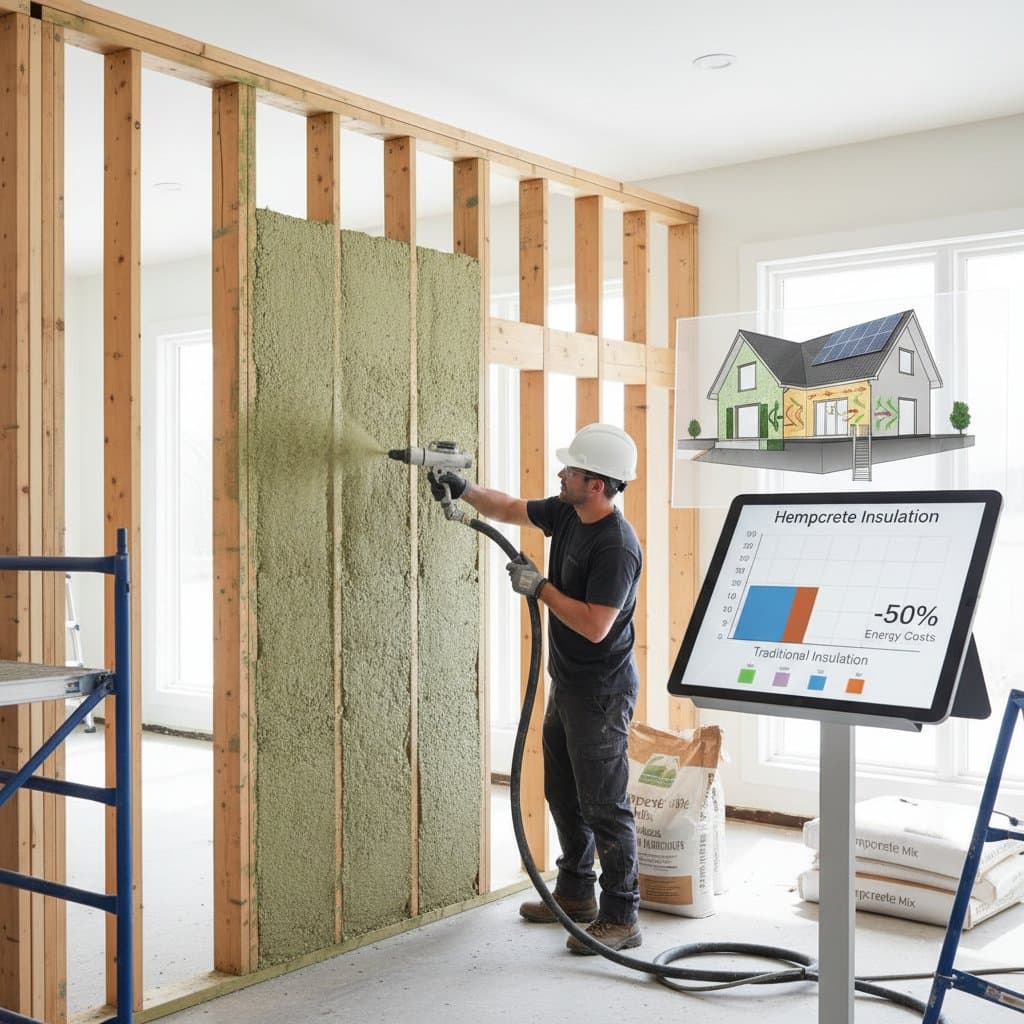
- Hempcrete insulation blends natural hemp fibers with lime to form breathable walls that effectively regulate temperature and humidity levels.
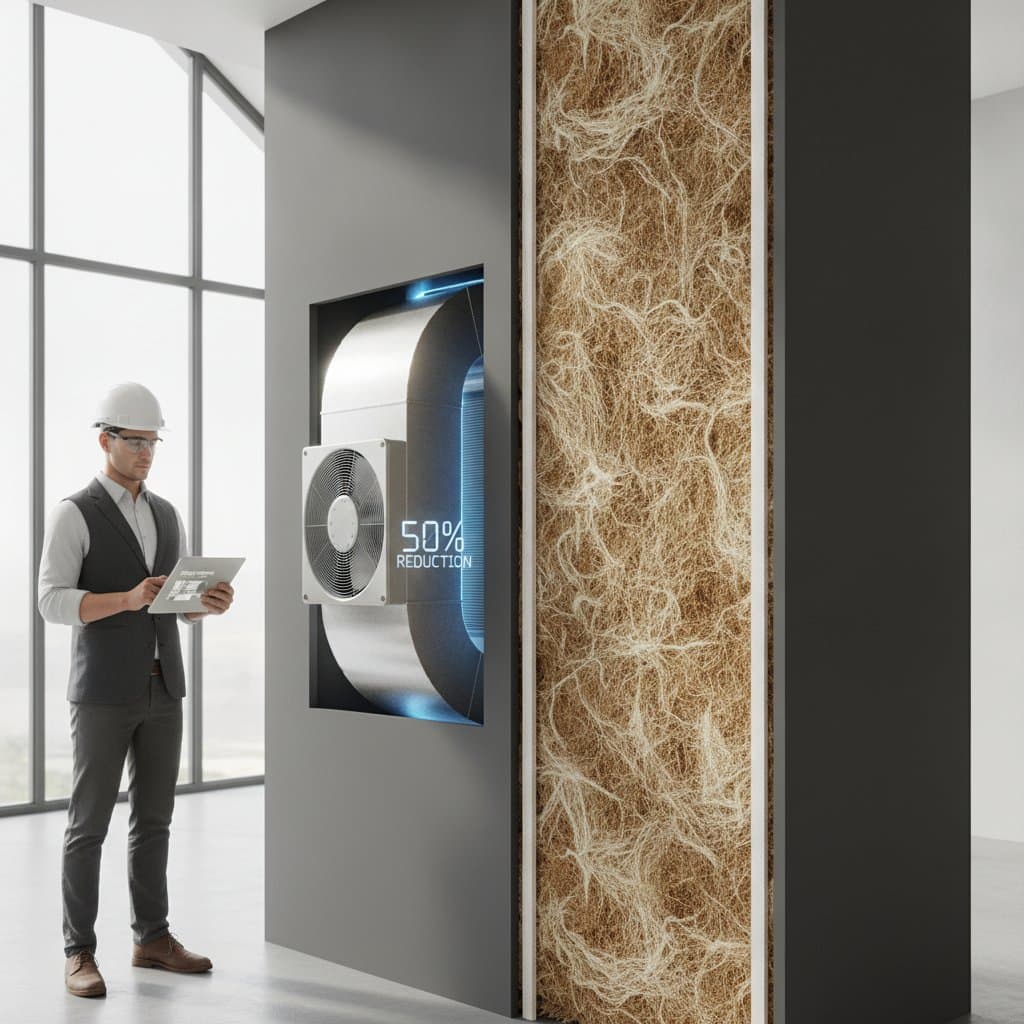
- Homeowners achieve reductions of up to 50 percent in heating and cooling expenses due to hempcrete's thermal mass and vapor permeability properties.
- Its extended durability, carbon sequestration capabilities, and minimal maintenance requirements position hempcrete as a worthwhile long-term investment.
Addressing Common Home Comfort Issues
Homeowners frequently encounter uneven temperatures within their living spaces. One area might overheat while another remains uncomfortably cool, forcing the heating, ventilation, and air conditioning system to operate continuously. Many traditional insulation options trap moisture, deteriorate with age, or incorporate petroleum-derived chemicals that hinder air circulation. With rising energy prices and heightened focus on sustainability, individuals seek insulation solutions that enhance performance while safeguarding health and the environment.
How Hempcrete Transforms Insulation Performance
Hempcrete consists of the inner woody core of the hemp plant mixed with lime and water. Upon curing, this mixture solidifies into a lightweight, stone-like substance that provides insulation and permits natural moisture movement through walls. This combination of insulating qualities and breathability helps maintain stable indoor temperatures and avoids moisture buildup.
Hempcrete absorbs heat during the day and releases it gradually, keeping interiors warmer during cold months and cooler in warmer seasons. Research on energy use in various structures indicates that hempcrete walls can halve the demand on heating, ventilation, and air conditioning systems when compared to standard fiberglass or foam alternatives. Consequently, utility bills decrease, equipment sizes shrink, and indoor environments become more uniform.
Assessing Financial and Environmental Benefits
Constructing with hempcrete may increase initial expenses by 10 to 20 percent over traditional methods. However, the benefits emerge rapidly through substantial energy reductions of 40 to 50 percent, which accumulate into significant savings over decades. The material's robustness also eliminates the need for regular upkeep or replacements.
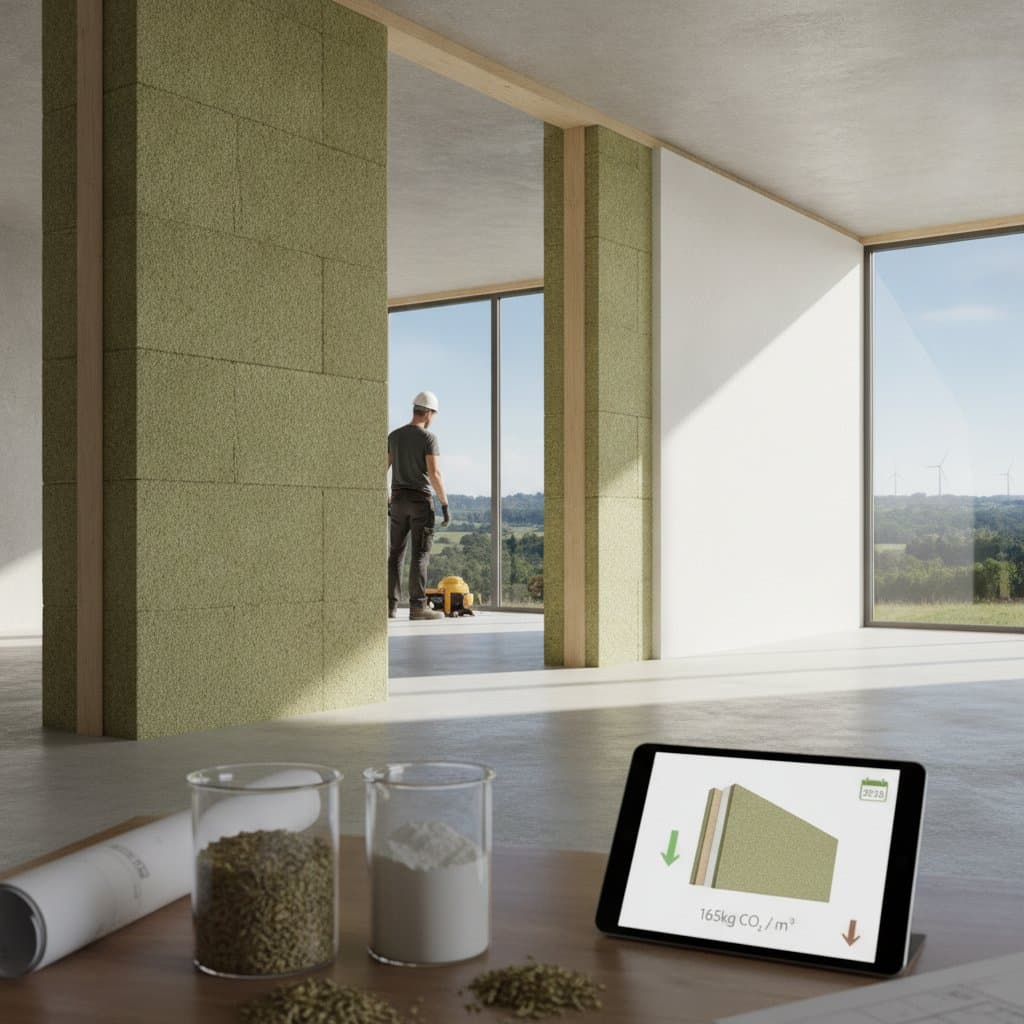
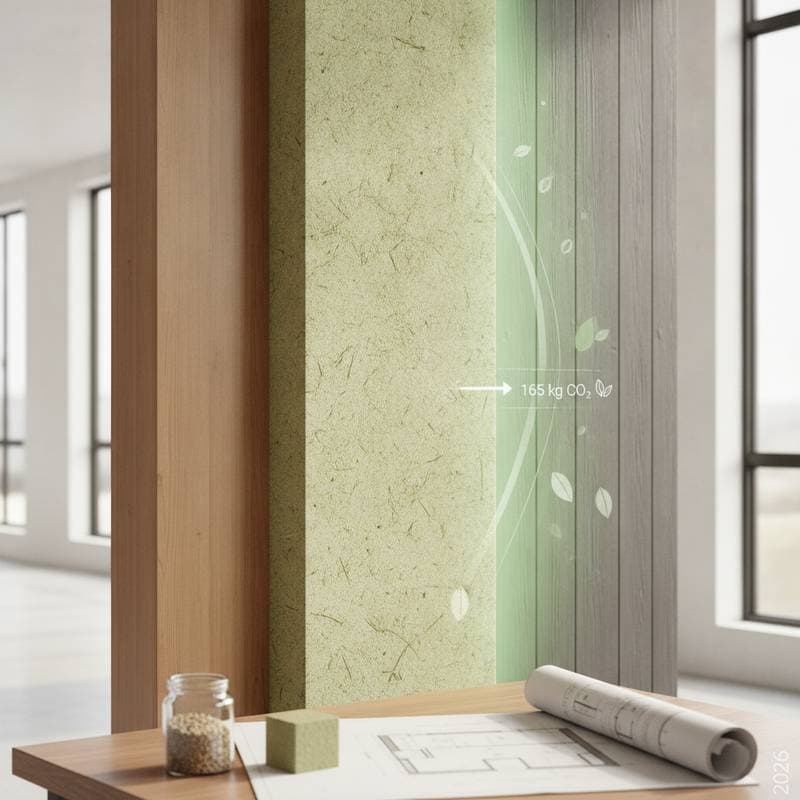
Environmentally, hemp plants sequester carbon during growth, and the lime component continues to capture carbon dioxide over time. This process renders hempcrete carbon-negative, counteracting emissions from construction activities. Sourcing materials locally further minimizes transport-related carbon footprints and bolsters local farming sectors.
Enhancing Health and Indoor Quality
Standard insulations sometimes retain airborne contaminants or release harmful volatile organic compounds. Hempcrete avoids synthetic additives entirely, and its permeable design manages humidity effectively. This environment resists mold development and promotes superior air quality. Additionally, the material dampens noise, fostering serene and restorative living areas. For those prioritizing family health, hempcrete provides reliable comfort and reassurance.
Practical Steps for Hempcrete Installation
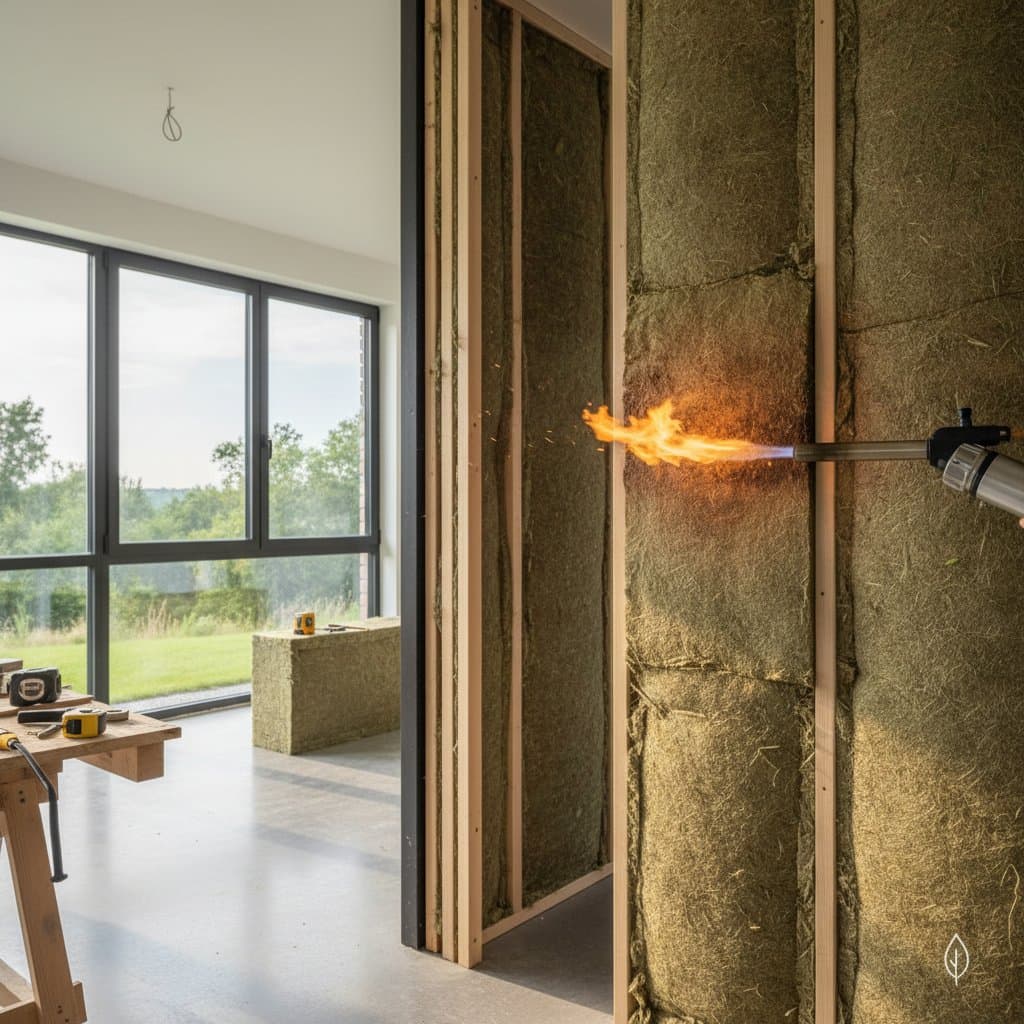
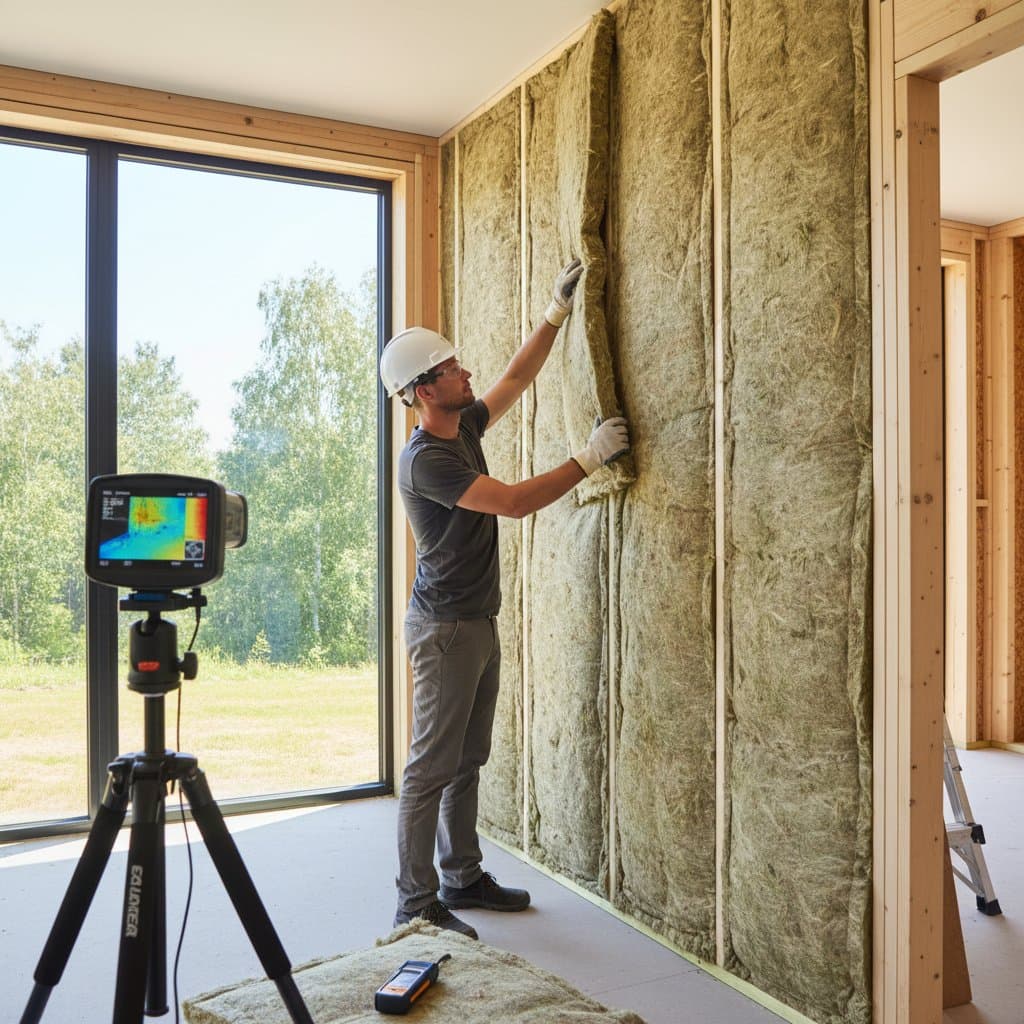
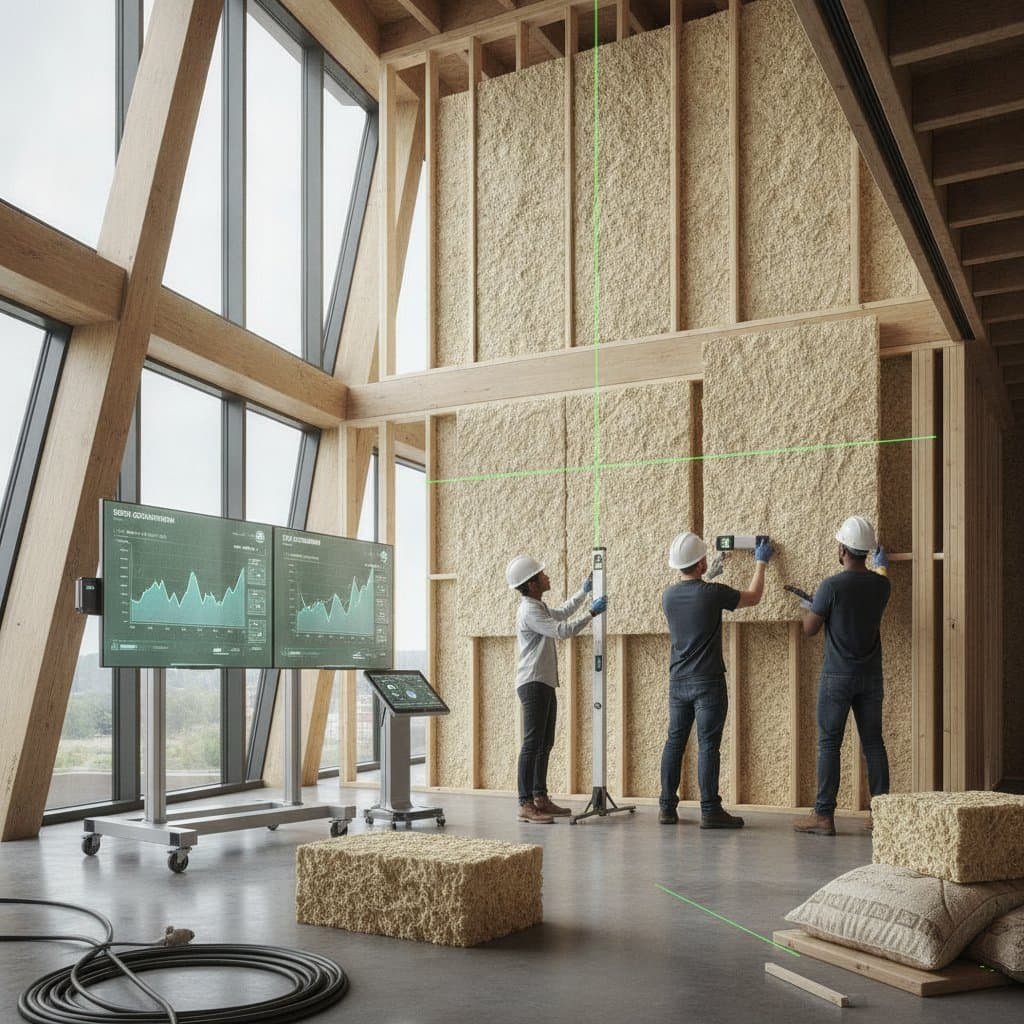
Working with hempcrete demands attention to its curing process and integration with structural elements. As a non-load-bearing material, it requires a supporting framework of wood or steel. Builders mix hemp shiv with lime binder on location and pack the blend into formwork around the frame. After curing, apply breathable plasters or mineral paints for finishing.
Experienced contractors specializing in natural builds handle full installations with precision, though modest endeavors might allow supervised do-it-yourself involvement. Ensure optimal drying environments, and allocate sufficient time for curing to guarantee enduring results.
Strategies for Cost Management and Return on Investment
Funding a hempcrete project often calls for thoughtful financial planning. Many combine standard mortgages with incentives for energy-efficient upgrades. Although upfront investments appear substantial, tangible returns follow from diminished energy consumption, reduced upkeep, and prolonged structure life, all enhancing property worth.
A thoughtfully executed hempcrete residence can yield returns of 100 to 150 percent across its lifespan, incorporating savings, enhanced livability, and market desirability. Prospective buyers value these sustainable features, elevating the appeal of such properties.
Steps to Integrate Hempcrete into Your Home
Begin by conducting an energy assessment to identify existing inefficiencies. Engage experts in bio-based building techniques to review options. Consider wall configurations, humidity control methods, and availability of regional hemp and lime supplies.
Test the material through smaller initiatives, like constructing a garden studio or updating an extension, to gauge its effectiveness firsthand. This approach builds confidence before larger undertakings. Ultimately, adopting hempcrete yields ongoing advantages in efficiency, well-being, and ecological impact.