Key Points
- Mycelium insulation, derived from mushroom roots, emerges as one of the safest, most sustainable, and fire-resistant building materials available.
- Production demands minimal energy, and the material absorbs carbon during growth while delivering excellent thermal performance.
- Homeowners gain lower utility bills, improved indoor air quality, and a reduced ecological footprint.
- Builders must grasp handling, curing, and installation processes to achieve reliable results and comply with modern green building codes.
A New Kind of Fireproof Comfort
Green building professionals often encounter homeowners concerned with creating secure, efficient, and sustainable homes without sacrificing comfort or budget. Imagine entering a residence insulated not by fiberglass or foam, but by a material that once flourished underground, weaving soil and roots into a resilient network. This material is mycelium, the fibrous structure mushrooms employ for growth, now adapted into innovative insulation that reshapes perspectives on building safety and sustainability.
In areas prone to wildfires or extreme heat, fireproof options exceed mere luxury; they serve as vital protections. Mycelium insulation draws interest for its inherent flame resistance, achieved without chemical additives. Additionally, it forms a breathable thermal barrier that maintains consistent indoor temperatures during humid days and cold nights.
Why Traditional Insulation Falls Short
Materials such as fiberglass, spray foam, and polystyrene have dominated the insulation market for years. Although they effectively retain heat, these options carry environmental and health drawbacks. Their production involves energy-intensive methods, and many include petrochemicals that release vapors into living spaces. In fire-risk zones, such materials may ignite or emit harmful fumes under intense heat.
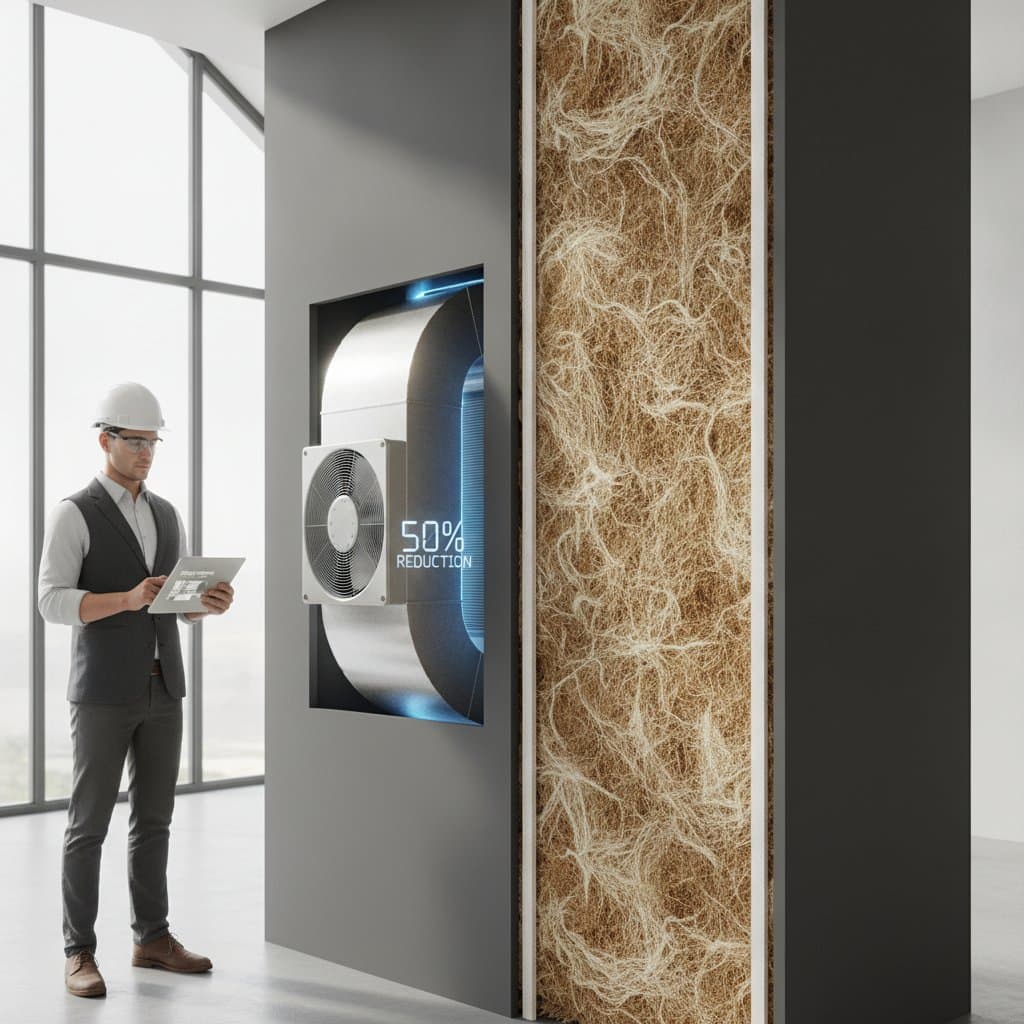
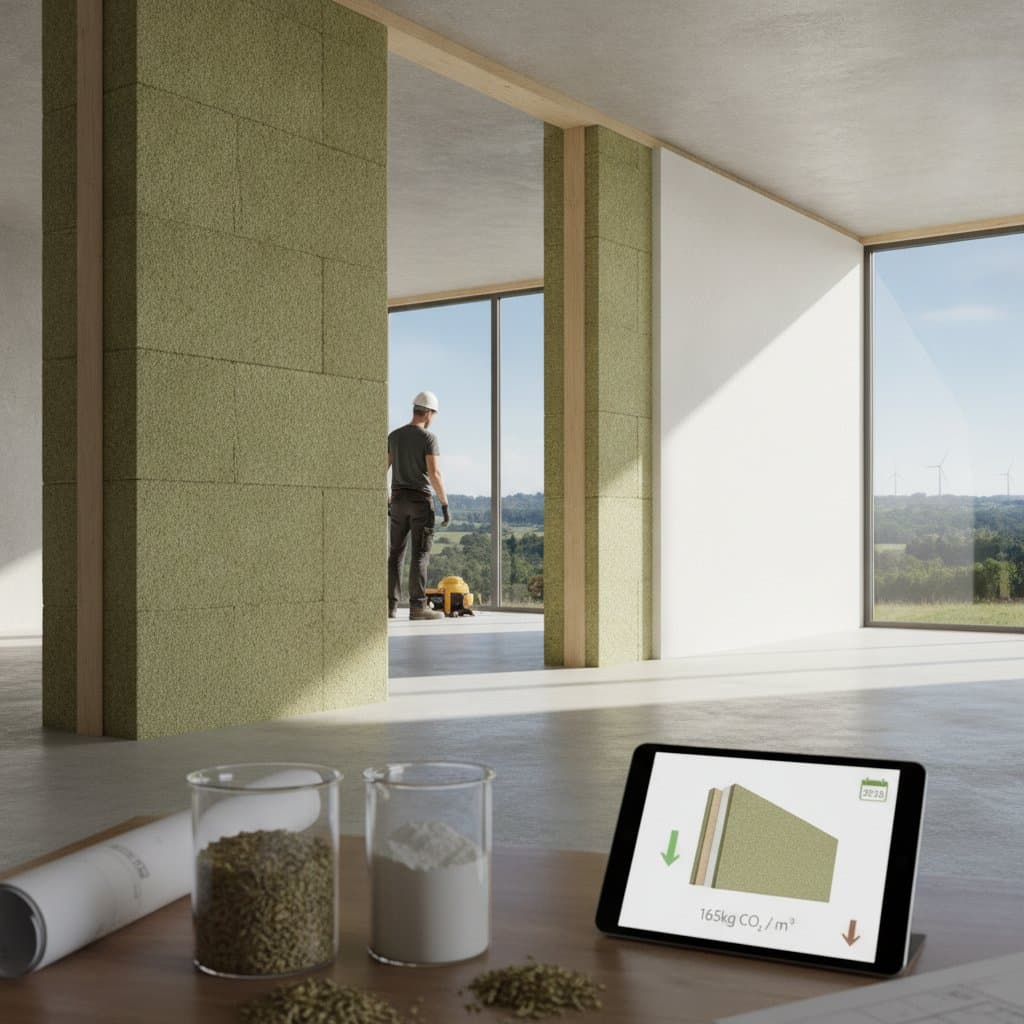
Mycelium insulation differs fundamentally, as it is cultivated rather than fabricated. Producers mix agricultural waste like corn husks or sawdust with mushroom spores. Within days, mycelium colonizes the substrate, forming a dense, absorbent mass that dries into panels or loose-fill forms. After curing, the material ceases growth or decay, yet preserves the durability and thermal qualities inherent to its origins.
The Science Behind Mushroom Insulation
Experience in sustainable materials reveals that effectiveness depends on interactions with the environment and building structure. Mycelium functions as a natural adhesive, with its threads forming a chitin-based matrix that remains lightweight and stable.
This structure provides multiple benefits:
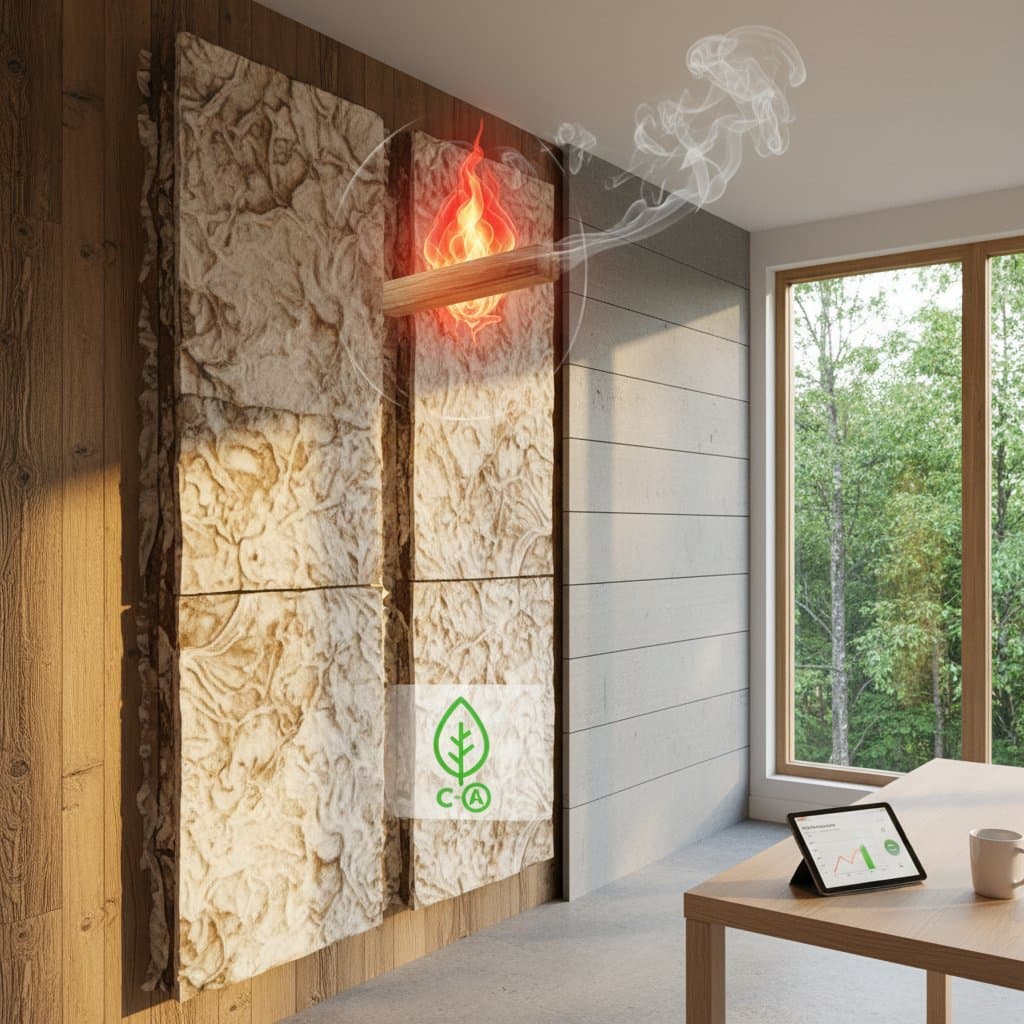
- Fire Resistance: Mycelium chars rather than combusts, establishing a self-extinguishing shield that restricts oxygen. Testing indicates minimal smoke and no hazardous emissions even under direct flames.
- Thermal Performance: It achieves an R-value similar to fiberglass, approximately R-3.5 per inch, stabilizing temperatures without moisture retention.
- Sound Absorption: The porous design reduces noise, fostering a serene indoor atmosphere.
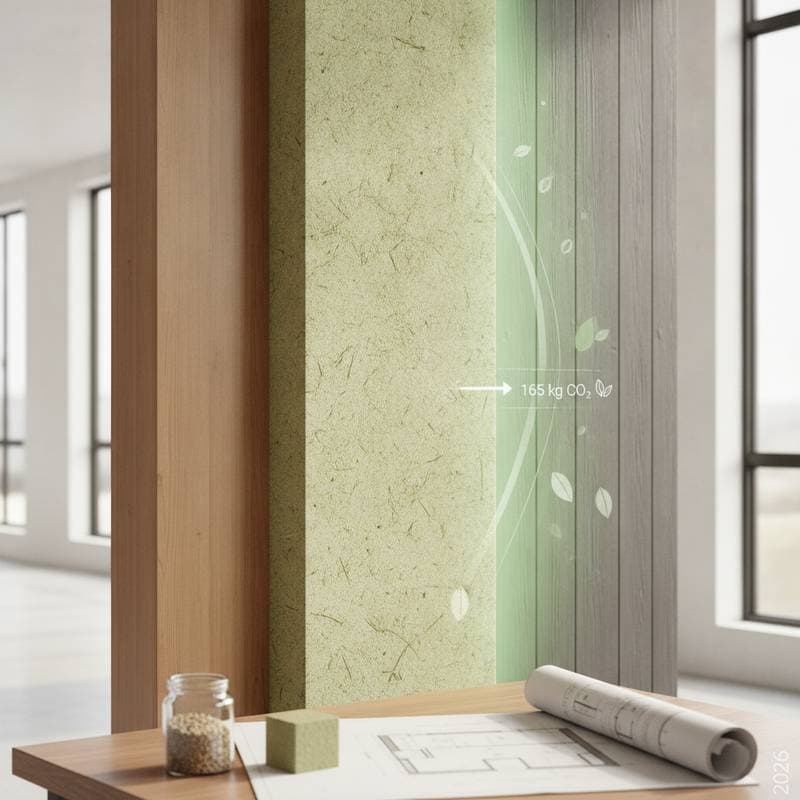
- Carbon Storage: Growth sequesters carbon from waste, rendering the product carbon-negative.
Professionals view mycelium insulation within a holistic material system, alongside lime plaster, reclaimed wood, and cellulose, to construct breathable, renewable, low-impact buildings.
Expert Tips to Boost Your Home's Eco-Efficiency
Upgrading to mycelium insulation balances performance, safety, and sustainability. Consider these steps to proceed:
-
Assess Your Home’s Current Envelope
Perform a thermal audit to pinpoint heat loss in attics, crawl spaces, and walls. Professional audits often uncover potential savings of 15 to 25 percent on yearly energy expenses. -
Choose the Right Form
Options include:
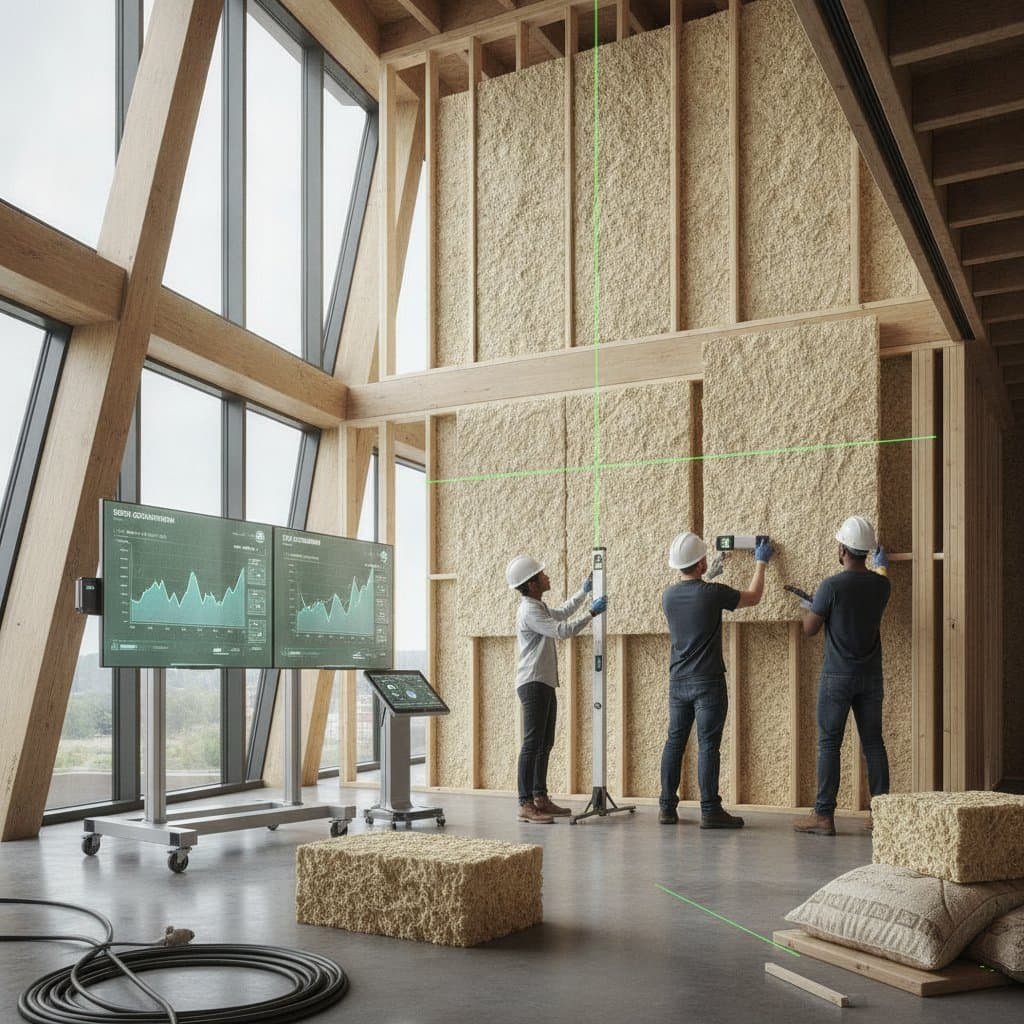
- Rigid Panels for walls and roofs
- Loose Fill for attics and odd-shaped areas
- Spray-formed Blocks for tailored retrofits
Selection hinges on design and regional climate.
-
Plan for Moisture Control
Though breathable, mycelium benefits from vapor barriers in damp climates. Combine with lime coatings or clay plasters for peak results. -
Hire Certified Installers
DIY suits minor tasks, but major projects demand experts. Seek contractors certified in green building who manage curing and stabilization. -
Integrate Renewable Energy Systems
Pair with solar panels, efficient ventilation, or geothermal setups. Enhanced insulation amplifies their effectiveness, lowering overall energy needs.
Practical Considerations for Builders and Homeowners
As adoption grows, evaluate production scale, expense, and regulations. Panels cost $4 to $6 per square foot, exceeding fiberglass slightly but undercutting premium mineral wool. Energy reductions and minimal upkeep typically recoup costs in five to seven years.
Builders appreciate its light weight and ease of cutting, which accelerate assembly. Low-temperature curing conserves production energy, aiding LEED or BREEAM pursuits.
Regulators increasingly accept mycelium under alternative provisions, if it satisfies fire and thermal criteria. Confirm with local authorities prior to use.
Environmental and Health Benefits
Conventional insulation may release volatile compounds, particularly in moist or warm conditions. Mycelium remains non-toxic, biodegradable, and binder-free, enhancing air quality and minimizing respiratory risks.
In waste-focused communities, it repurposes farm byproducts, avoiding landfills and fossil fuels. Materials scientist Dr. Lena Ortiz notes, “Mycelium transforms what we used to call waste into a living architecture of protection and renewal.”
Real-World Applications and Case Studies
In coastal humid areas, mycelium withstands repeated moisture without performance decline. Its mold and pest resistance suits basements and crawl spaces prone to dampness.
Fire tests in high-risk zones demonstrate endurance against flames for minutes, preventing catastrophic damage.
For city renovations, the light build eases integration into aging structures, enabling eco-upgrades sans reinforcements.
Steps Toward Implementation
Consult a qualified green building specialist via trusted networks for a free assessment. They evaluate needs, cost projections, and supplier connections for mycelium products.
Incremental changes like insulation upgrades drive larger shifts. Each installation bolsters agriculture, cuts emissions, and strengthens resilience.
Skepticism toward novel materials is understandable, yet collaboration with knowledgeable experts confirms its value. Mycelium fosters harmony between design and nature, yielding homes that endure and nurture.
Frequently Asked Questions
Q: How does mycelium insulation compare in cost to traditional materials?
A: Panels range from $4 to $6 per square foot, higher than fiberglass but offset by energy savings within five to seven years.
Q: Can mycelium insulation be used in humid or coastal environments?
A: Yes, it naturally repels mold and pests, with vapor controls advised for high humidity.