Key Points
- Mycelium insulation provides a renewable, biodegradable substitute for foam or fiberglass, using fungal networks to bind natural substrates.
- Individuals can produce it at home with simple tools and time investment, minimizing expenses and waste generation.
- Local humidity and temperature affect the drying process, so precise environmental management ensures optimal results.
- Well-prepared mycelium panels deliver insulation values similar to cellulose or wool, while capturing atmospheric carbon.
- Under expert advice, this DIY approach becomes a viable project that boosts energy efficiency and living comfort.
Envision a Natural Barrier of Comfort
In my experience as a green building professional, homeowners often seek insulation that balances effectiveness with environmental responsibility. Imagine entering a residence that maintains steady warmth during chilly evenings, where walls allow moisture to escape rather than retain it, and the insulating layer originates from living organisms. Mycelium insulation, derived from fungal root systems, realizes this concept.
For those dealing with elevated utility expenses or suboptimal air quality, this biological material presents a viable path forward. The cultivation method proves straightforward, yielding a product that rivals synthetic options in function but carries a minimal ecological impact.
Addressing Insulation Challenges and Embracing Innovation
In numerous areas, aging structures lose heat through walls, attics, and foundations. While fiberglass and foam address these issues, they introduce concerns such as harmful chemicals, volatile emissions, and eventual disposal in landfills. Production of these synthetics demands significant energy, adding to carbon outputs prior to installation.
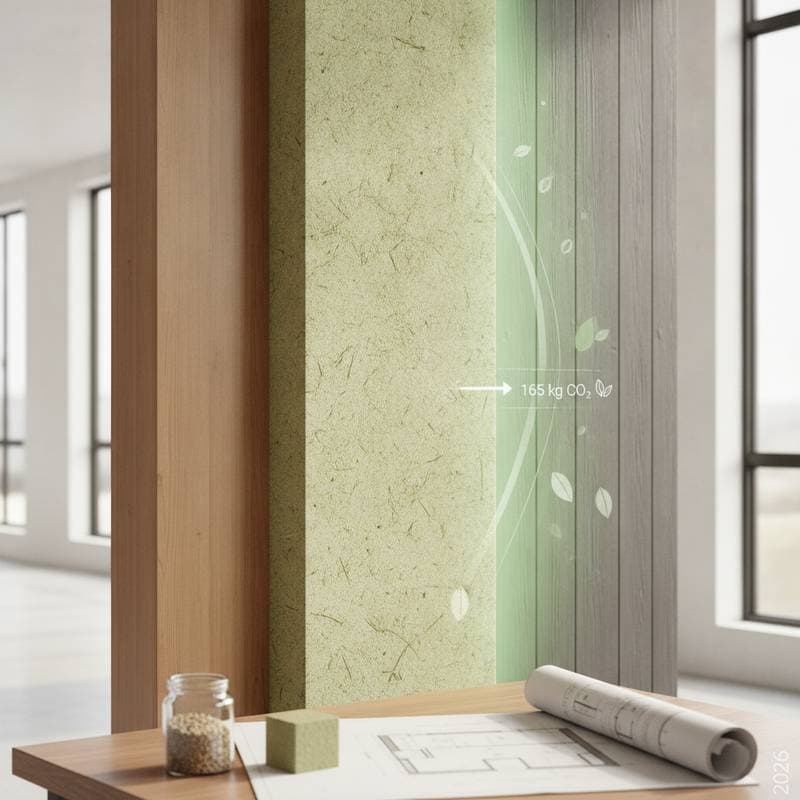
Mycelium insulation reverses this pattern. It develops from substrates like straw or sawdust, nourished by fungal mycelium that interconnects the particles into a compact, absorbent form. This yields a replenishable, decomposable product that stores carbon rather than emitting it. Research indicates that mycelium achieves R-values on par with cellulose or wool, varying by composition and preparation.
Understanding the Mechanics of Mycelium Insulation
Mycelium functions as an organic adhesive. Introducing fungal spores to a medium like corn husks, hemp hurds, or sawdust prompts the network to permeate and consolidate the material. After complete colonization, drying terminates the growth, producing stable panels or blocks suitable for standard building applications.
Through extensive fieldwork, I observe that mycelium responds dynamically to surroundings. In moist environments, vigilant moisture oversight prevents excessive proliferation or contamination, whereas arid conditions benefit from consistent watering during colonization to foster strong bonding. Although the timeline demands commitment, the outcomes in thermal regulation and ecological benefits prove substantial.
Guide to Producing Mycelium Insulation at Home
1. Select and Prepare Substrate
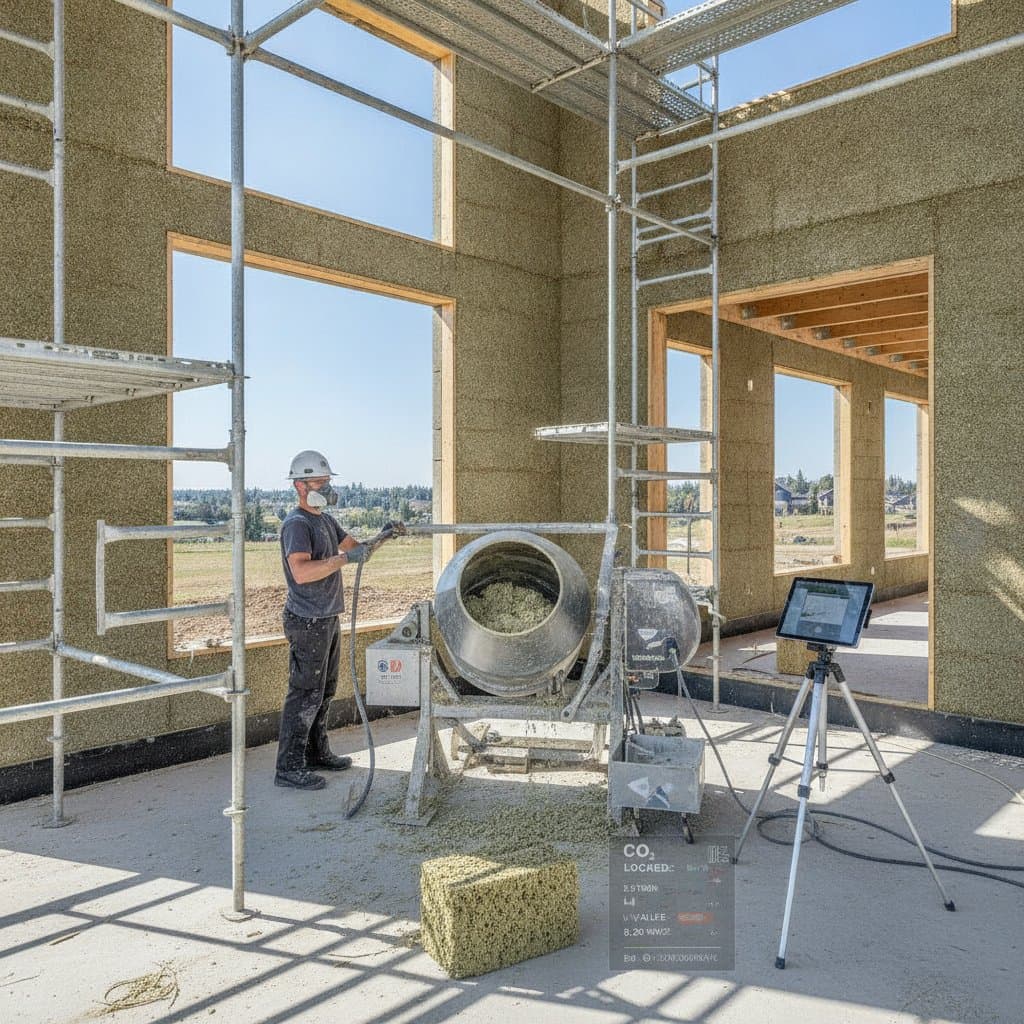
Choose untreated organic materials such as straw, sawdust, or crop residues. These provide the carbon source for fungal development. Hydrate the substrate to a moist consistency, akin to a wrung-out sponge, to support growth without saturation.
2. Sterilize for Purity
Process the mixture via steaming or boiling in a large vessel to remove rival microbes. This foundational step prevents failures from contamination. Allow the substrate to cool to room temperature before proceeding.
3. Introduce Mycelium Spawn
Incorporate spawn from a trusted source into the cooled substrate, mixing thoroughly for even distribution. Oyster mushroom varieties excel due to their rapid colonization and robust structure formation.
4. Form in Molds
Transfer the blend into durable molds or frames, compressing to achieve consistent thickness. This shapes the insulation for specific uses, from wall sections to attic fillers.
5. Facilitate Colonization
Place molds in a shaded, temperate area for 5 to 10 days, monitoring for white filaments permeating the mass. An earthy aroma emerges as the material develops a cohesive, fabric-like quality.
6. Dry for Stability
Extract the colonized blocks and dehydrate them completely, using sunlight in dry weather or a low-heat oven for uniformity. Thorough drying arrests biological activity, ensuring longevity and resistance to breakdown.
7. Integrate into Your Structure
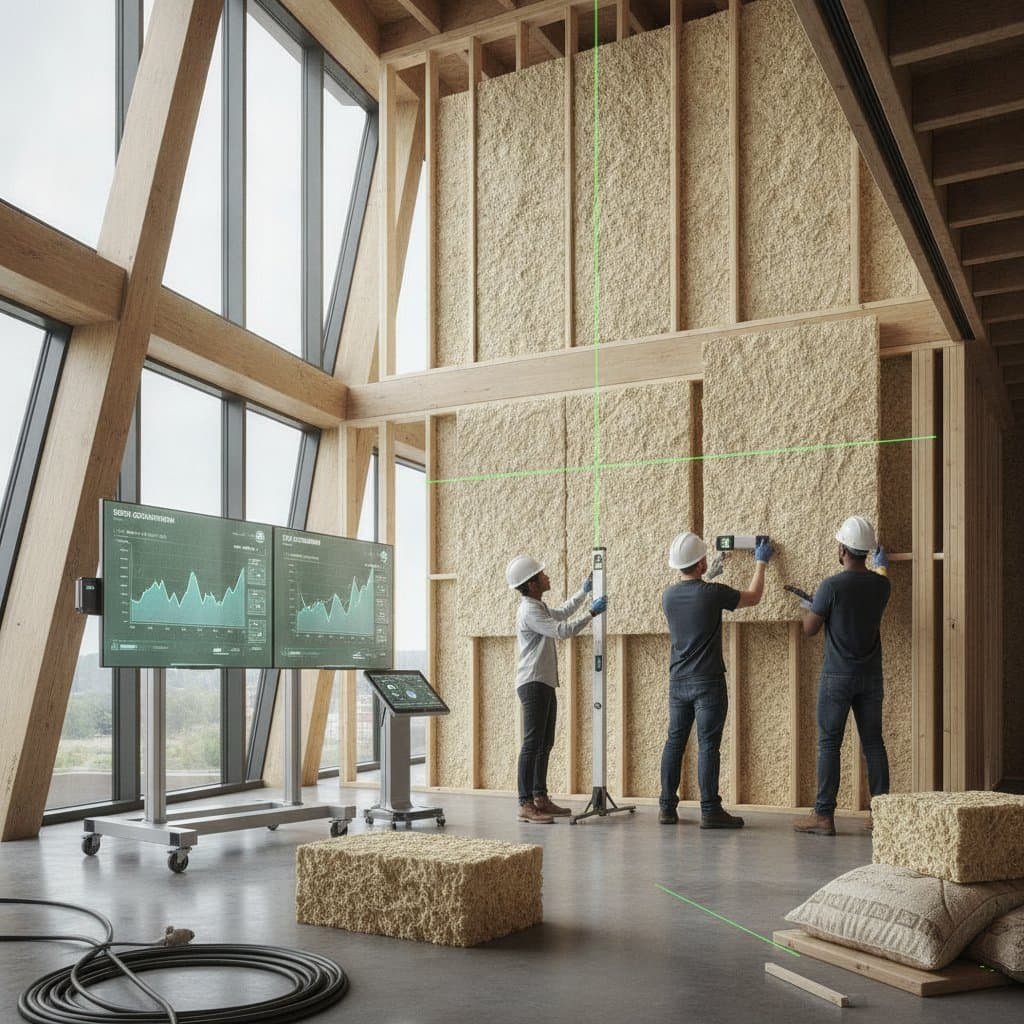
Position the panels within cavities, securing with eco-friendly sealants or permeable barriers. This installation creates an effective thermal shield that supports healthy indoor environments.
Strategies to Maximize Ecological Performance
- Manage Humidity Levels: Dried mycelium withstands mold, yet installation in damp areas requires vapor barriers to safeguard integrity.
- Incorporate Passive Features: Align with design elements like oriented glazing or shaded roofs to enhance overall efficiency.
- Apply Compatible Coatings: Use breathable finishes such as lime or clay to encase the material, promoting endurance and air circulation.
- Perform Pre-Installation Assessments: Audits pinpoint inefficiencies, directing efforts where mycelium yields the greatest returns.
Essential Factors for Implementation
Financially, home production remains economical, with initial outlays of $300 to $600 covering supplies for modest areas. Commercial variants cost $8 to $12 per square foot.
Replacements can yield 20 to 30 percent reductions in annual energy use. The process generates negligible net carbon, as fungal activity sequesters more than it releases. With protection from moisture, the material endures for decades.
Compliance with regulations merits attention, particularly fire ratings. Certain formulations incorporate borates or minerals for safety without toxicity. Verify local codes and seek permits as needed.
For extensive projects, professional input guarantees adherence to standards. DIY suits smaller scales, but expertise elevates outcomes in performance and safety.
Integrating Mycelium into Broader Sustainable Design
View mycelium insulation as a component in a holistic living system, alongside materials like hempcrete or reclaimed timber. This assembly forms an adaptive envelope that fosters clean air and reduced impacts.
Sourcing local byproducts, such as rice hulls or stalks, amplifies benefits by repurposing discards. Such practices bolster community resilience and resource loops.
Biomaterials expert Dr. Lina Ortiz notes, "Mycelium insulation marks a transition from resource depletion to renewal in building. It demonstrates that biological principles can harmonize human needs with planetary health." This view underscores a worldwide trend toward structures that mitigate climate effects.
Steps to Get Started with Mycelium
Begin with trial batches in non-critical spaces like sheds or lofts to refine techniques. Track thermal behavior and adjust methods accordingly.
For guided support, consult certified specialists via established networks. They tailor advice to regional conditions, from material choices to setup.
Adopting mycelium extends beyond mere insulation; it establishes a symbiotic relationship with the environment, delivering cost savings, superior air quality, and the fulfillment of forward-thinking construction.
Frequently Asked Questions
What R-value can mycelium insulation achieve? Depending on density, it typically ranges from R-3.5 to R-4.5 per inch, comparable to fiberglass batts when properly formulated.
How long does the growth process take? Colonization requires 5 to 14 days, followed by 2 to 7 days of drying, varying by temperature and substrate.
Is mycelium insulation fire-resistant? Base forms offer moderate resistance, but treatments like borates enhance ratings to meet common building standards.
Can it handle extreme climates? Yes, with adaptations: extra drying in humid zones and sealed installations in cold areas ensure durability.
Where do I source materials? Obtain spawn from mycology suppliers; use farm co-ops or woodworking shops for substrates to keep costs low.