Key Points
- Recycled glass countertops redefine sustainable kitchen design through exceptional durability, visual appeal, and reduced environmental footprint.
- Select from diverse color combinations and finishes to complement modern, rustic, or coastal interior styles.
- Implement proper sealing, professional installation, and routine maintenance to maximize longevity and performance.
- Installation costs fall between $60 and $120 per square foot, with opportunities for savings via local sourcing and green rebates.
- Engage certified sustainable building professionals for advice on material choices and eco-friendly installation methods.
The Emergence of Recycled Glass in Kitchen Design
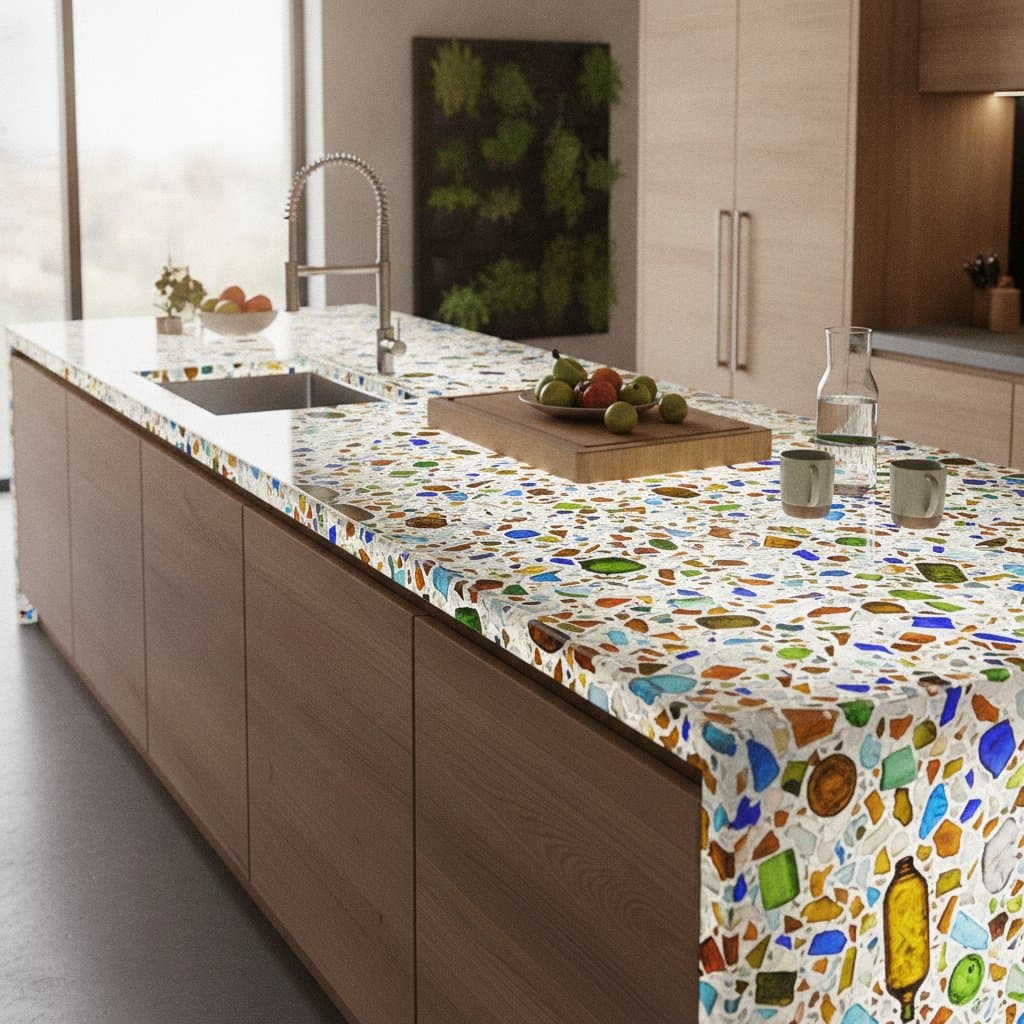
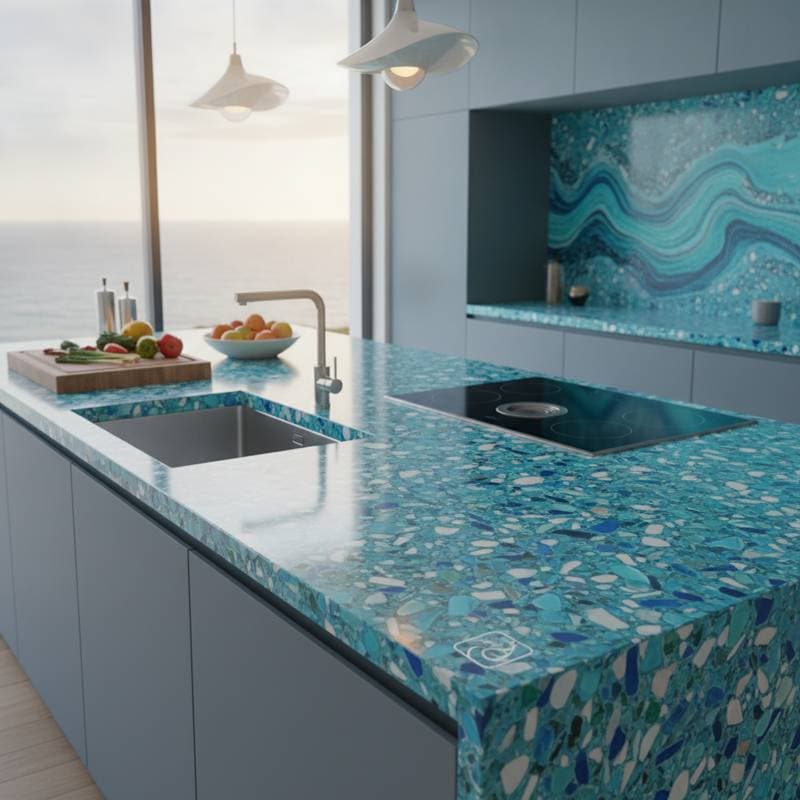
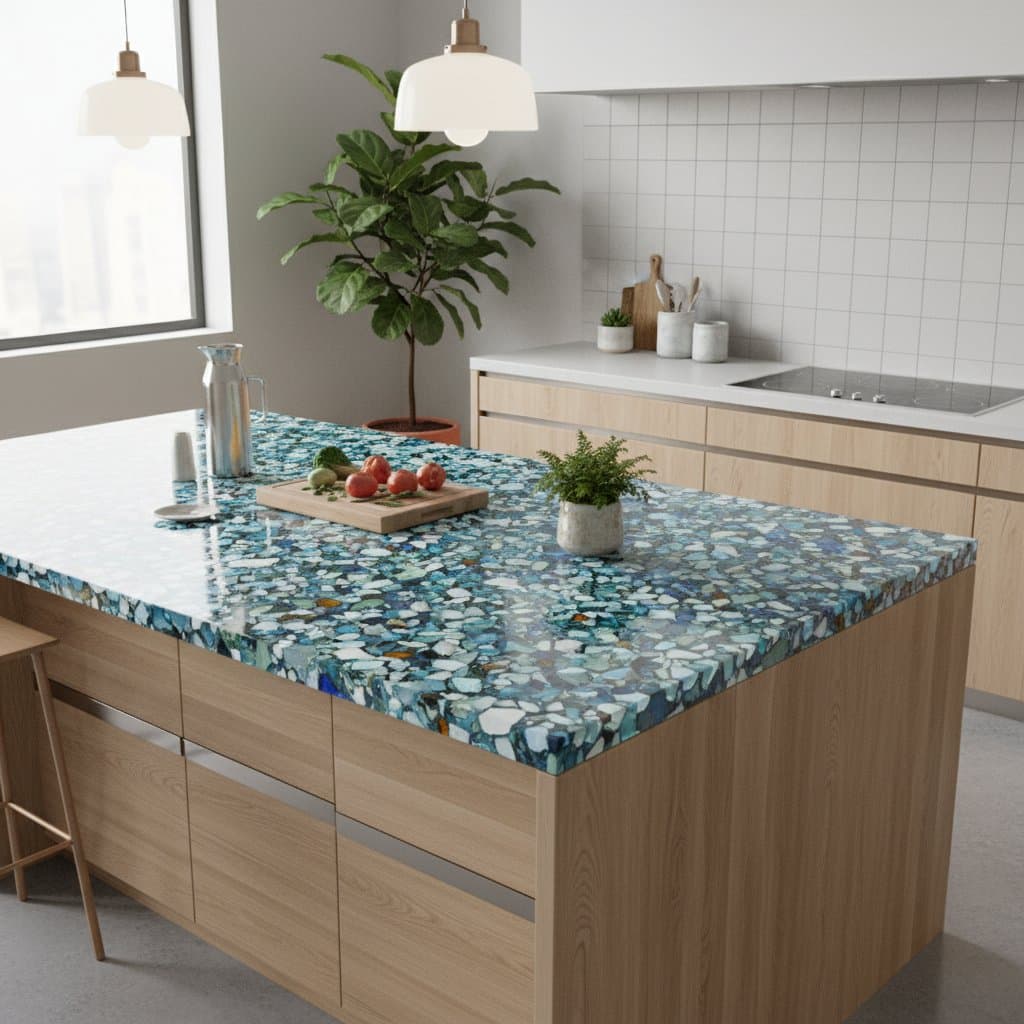
Sunlight streams into your kitchen and reflects off a countertop that evokes sea glass smoothed by ocean waves. This surface feels solid under your touch, formed from recycled bottles, jars, and shards that would otherwise burden landfills. As a green building professional, I have seen clients' excitement grow upon realizing such elegance stems from upcycled materials.
For those undertaking a kitchen renovation with sustainability in mind, recycled glass countertops offer an excellent option. They merge artistic elements with ecological advantages, transforming discarded glass into a focal point of your home's green narrative.
Reasons Recycled Glass Transforms Kitchen Surfaces
Manufacturers create recycled glass countertops by mixing crushed glass aggregates with a binder, such as cement or resin, and polishing the mixture to a glossy sheen. This process yields a surface rich in color variations, subtle textures, and light-transmissive qualities, ensuring no two pieces match exactly. Beyond aesthetics, it redirects substantial glass waste from disposal sites and lessens reliance on raw resource extraction.
In my professional experience across residential and commercial projects, these countertops demonstrate strong resilience. When sealed appropriately, they withstand heat exposure, surface scratches, and common stains, often enduring for decades with basic care. Environmentally, each ton of recycled glass incorporated conserves an equivalent amount of natural resources and cuts energy use in production.
Assessing Fit for Your Kitchen Space
Homeowners often prioritize cabinets or appliances in remodels, but countertops claim a significant portion of the budget and dominate visual focus. Materials like granite and quartz carry substantial embodied energy from extraction, processing, and shipping, plus extensive quarrying impacts. Recycled glass counters present a lighter environmental load, particularly with regional sourcing that shortens supply chains.
Consider whether this material aligns with your kitchen's aesthetic. It adapts seamlessly to warm wooden cabinets or sleek contemporary lines. Options range from deep oceanic blues and muted earth tones to intricate mosaic effects, achieved by selecting specific glass hues and binder shades.
Strategies to Enhance Eco-Performance in Installation
Approach a recycled glass project with deliberate planning to optimize results. Follow these expert recommendations for a seamless outcome.
1. Select Appropriate Material Types
Recycled glass countertops primarily divide into two categories:
- Cement-based: These provide a substantial, stone-like weight and texture but demand resealing to resist stains.
- Resin-based: These offer non-porous surfaces for effortless upkeep, suiting high-traffic areas, though they require caution around extreme heat.
Base your choice on lifestyle needs. Opt for cement-based if frequent cooking calls for a natural, robust appearance. Choose resin-based for streamlined modern kitchens where quick cleanup matters most.
2. Prioritize Local Sourcing
Opt for regionally manufactured recycled glass to amplify sustainability. Shorter transport distances lower carbon emissions, while supporting area recycling programs that convert community waste into construction assets. Seek out producers who collaborate with local facilities for authentic, low-impact supply.
3. Schedule Expert Installation
Resist the urge for self-installation due to the material's heft, exacting cuts, and sealing demands. Hire certified specialists to secure adequate base support, refine edges precisely, and seal seams effectively. Such expertise prevents issues like fractures or irregular finishes that compromise durability.
4. Establish Sealing and Care Routines
Reseal cement-based counters every one to two years to block stains and liquid penetration. For resin-based varieties, use mild, non-abrasive cleaners to preserve the polish. Steer clear of aggressive chemicals that might etch or fade the surface over time.
5. Integrate Broader Sustainable Elements
Complement the countertop with low-emission cabinets, LED task lighting, and efficient faucets. This holistic approach builds a unified, resource-conscious kitchen environment.
Essential Factors for Homeowners
Budget and Long-Term Value
Anticipate $60 to $120 per square foot for full installation, influenced by project scale, binder type, and design intricacy. This pricing aligns with standard granite selections, yet recycled glass adds unique eco-credentials and potential market value. Investigate local rebates for recycled materials to offset expenses.
Strength and Everyday Use
Sealed cement-based recycled glass tolerates hot cookware, but place trivets to extend lifespan. Resin-based versions excel at stain resistance, though prolonged sun exposure may cause subtle fading. Both deliver reliable service with consistent maintenance.
Ecological Benefits
These countertops incorporate up to 85 percent post-consumer glass, slashing landfill contributions and raw mining needs. Select options with low-VOC binders to enhance indoor air purity. Such choices advance healthy home standards and may qualify for certifications like LEED.
Project Timeline
Fabrication requires two to three weeks for custom polishing and delivery, followed by one to two days on-site for fitting. Coordinate early with a trusted sustainable contractor to align timelines and avoid delays.
Realizing Your Sustainable Kitchen Vision
Envision guests tracing fingers over a countertop that gleams like sunlit beach glass, then sharing its origin from repurposed fragments. Recycled glass enhances not just style but embodies renewal. Success depends on thorough preparation, reputable fabricators, and skilled installers versed in green practices.
Through numerous projects, I observe that prioritizing eco-materials fosters a profound bond with living spaces. Homeowners gain satisfaction from kitchens that nourish beyond meals, exemplifying harmony between innovation and stewardship.
Steps to Achieve an Eco-Innovative Kitchen
Prepare to transform your kitchen into a sustainability showcase. Schedule a consultation emphasizing green options, and test glass samples in your lighting conditions. Inquire about recycled content levels, non-toxic sealants, and product guarantees.
Contact a qualified green building specialist via our network for a free estimate. They assist with ethical sourcing, custom creation, and precise setup, linking you to regional providers dedicated to earth-friendly methods. Expert support ensures your countertop anchors a space aligned with your values.
FAQ
Q: How long do recycled glass countertops typically last?
A: With proper care, they can last 20 to 30 years or more. Regular sealing and gentle cleaning will keep them looking pristine for decades.