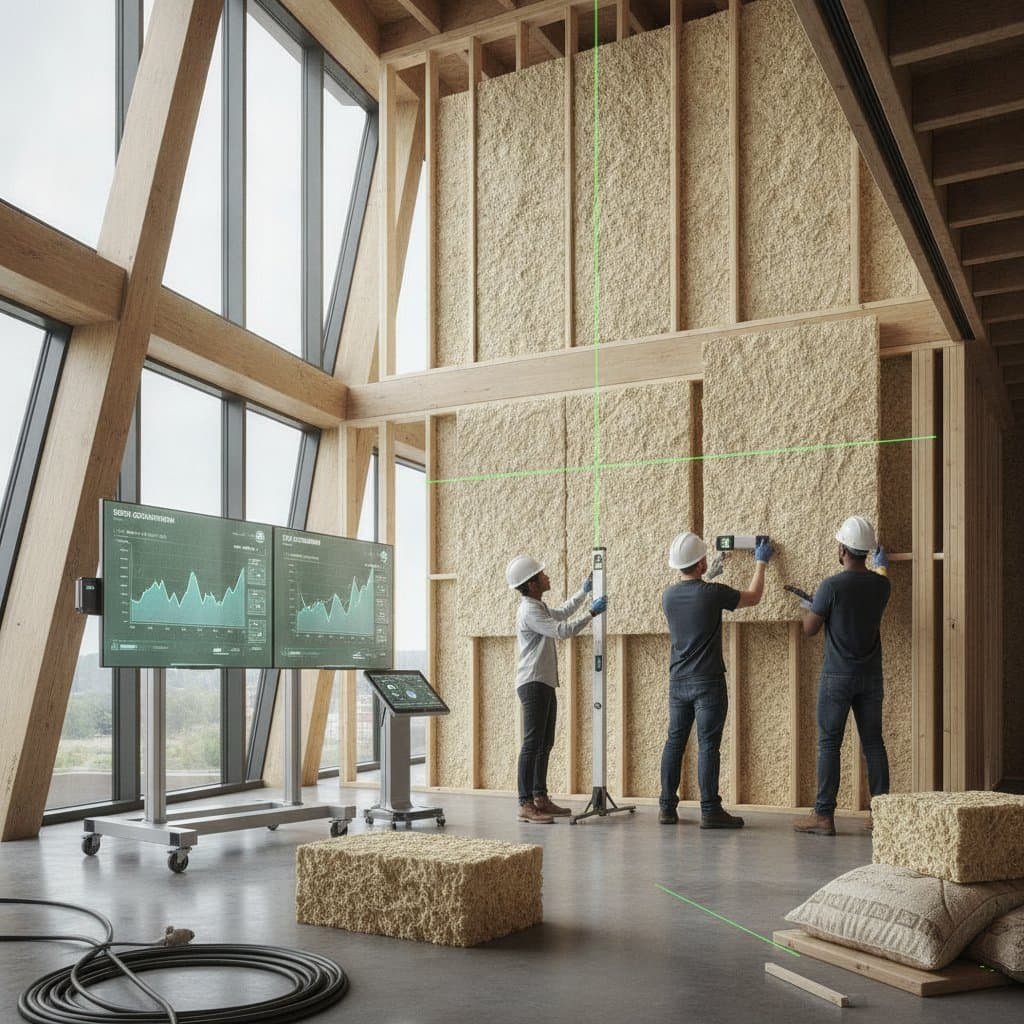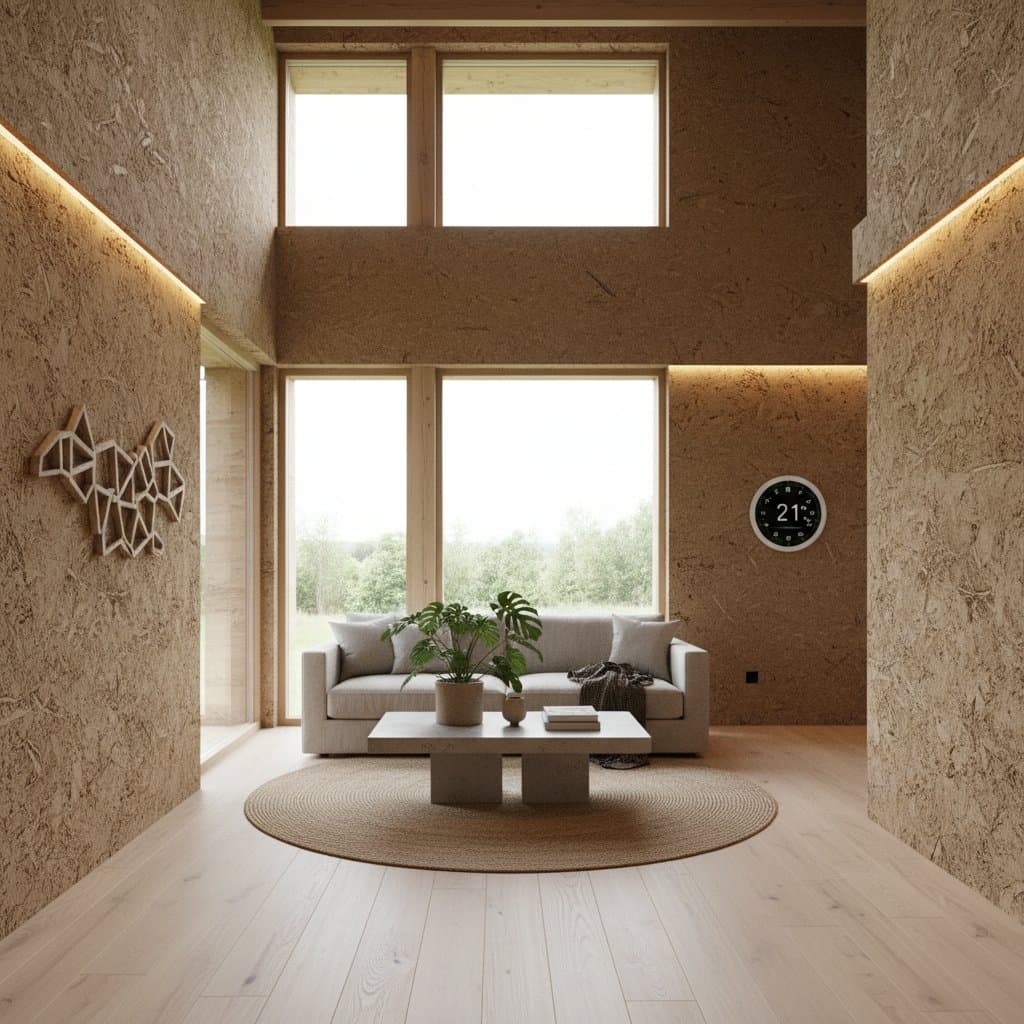
Key Benefits of Hempcrete Walls
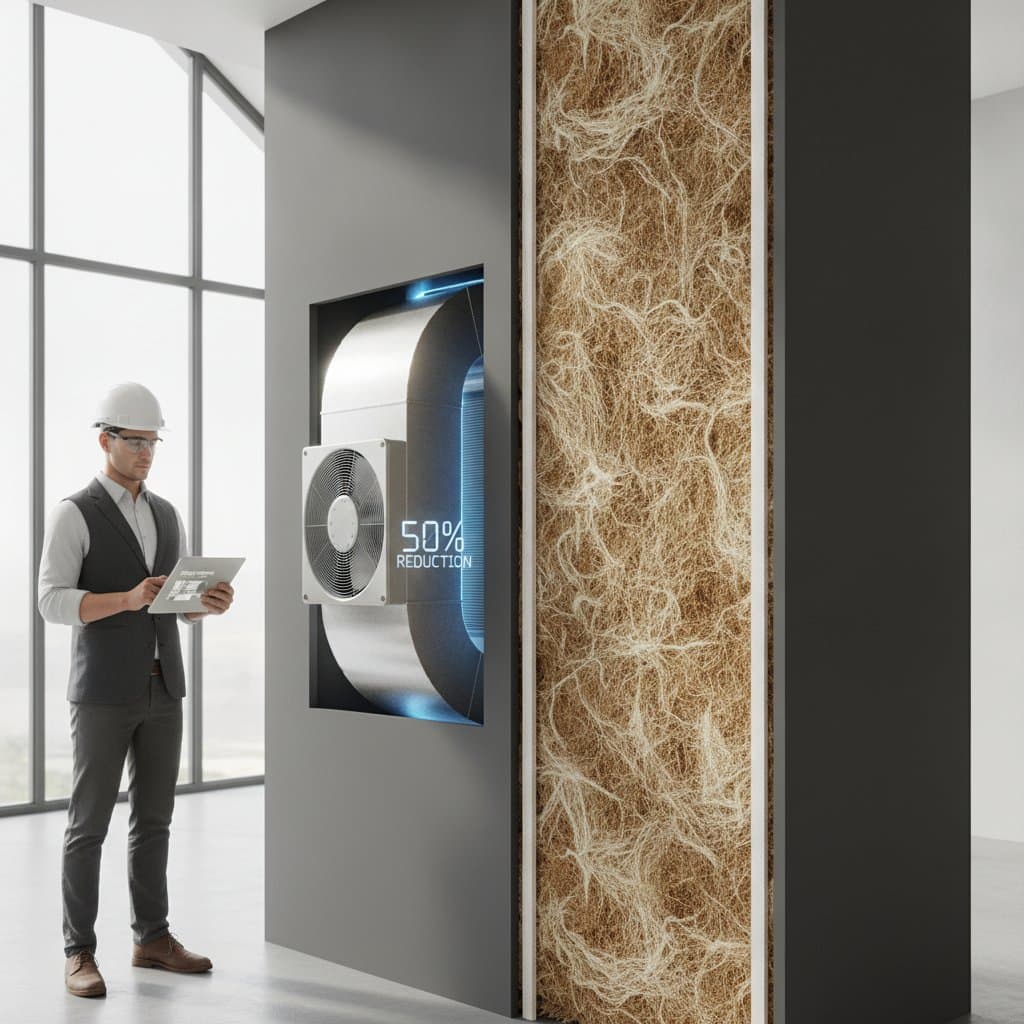
Hempcrete walls lower heating and cooling costs by up to 50 percent in properly engineered installations. This plant-based material captures carbon throughout its life, which enhances ecological impact and attracts buyers interested in green features. Property owners realize substantial gains from reduced utility payments, higher market values, and superior indoor air quality. Optimal results emerge when hempcrete forms part of an integrated approach that emphasizes airtight construction and appropriately scaled heating, ventilation, and air conditioning systems.
Thermal Performance and Energy Savings
Hempcrete achieves energy efficiency through its unique thermal properties. Unlike conventional insulation that primarily traps still air, hempcrete controls both heat and moisture levels. The material's open-cell structure permits gradual vapor diffusion, which avoids moisture buildup and maintains consistent indoor humidity. Consequently, heating, ventilation, and air conditioning units operate less intensively, as they expend less effort on humidity control compared to temperature regulation.
During daylight hours, hempcrete absorbs excess heat and releases it slowly overnight, providing steady warmth. In hotter regions, it slows the penetration of external heat, preserving cooler interiors for extended durations. In cooler areas, it holds onto indoor heat and dampens fluctuations in temperature. Research and real-world applications indicate that hempcrete walls, when designed effectively, diminish yearly heating, ventilation, and air conditioning energy needs by 40 to 50 percent relative to typical wood-framed walls insulated with fiberglass or spray foam.
Essential properties driving these efficiencies include the following:
- Thermal conductivity: Typically ranges from 0.06 to 0.09 W/m·K, influenced by material density and binder composition.
- Vapor permeability: Facilitates inherent moisture management, eliminating the need for powered dehumidifiers.
- Thermal lag: Extends to several hours, smoothing out daily highs and lows in temperature.
This blend of insulating capability and heat storage fosters a consistent indoor atmosphere with reduced reliance on mechanical systems. Homeowners benefit from downsized equipment, decreased running expenses, and elevated levels of comfort year-round.
To maximize these advantages, builders often recommend combining hempcrete with high-performance glazing and passive solar strategies. For instance, orienting windows to capture winter sun while shading summer exposure amplifies the material's natural buffering effects. Field tests in diverse climates confirm that such synergies can push energy reductions beyond 50 percent in optimized setups.
Improvements in Health and Indoor Comfort
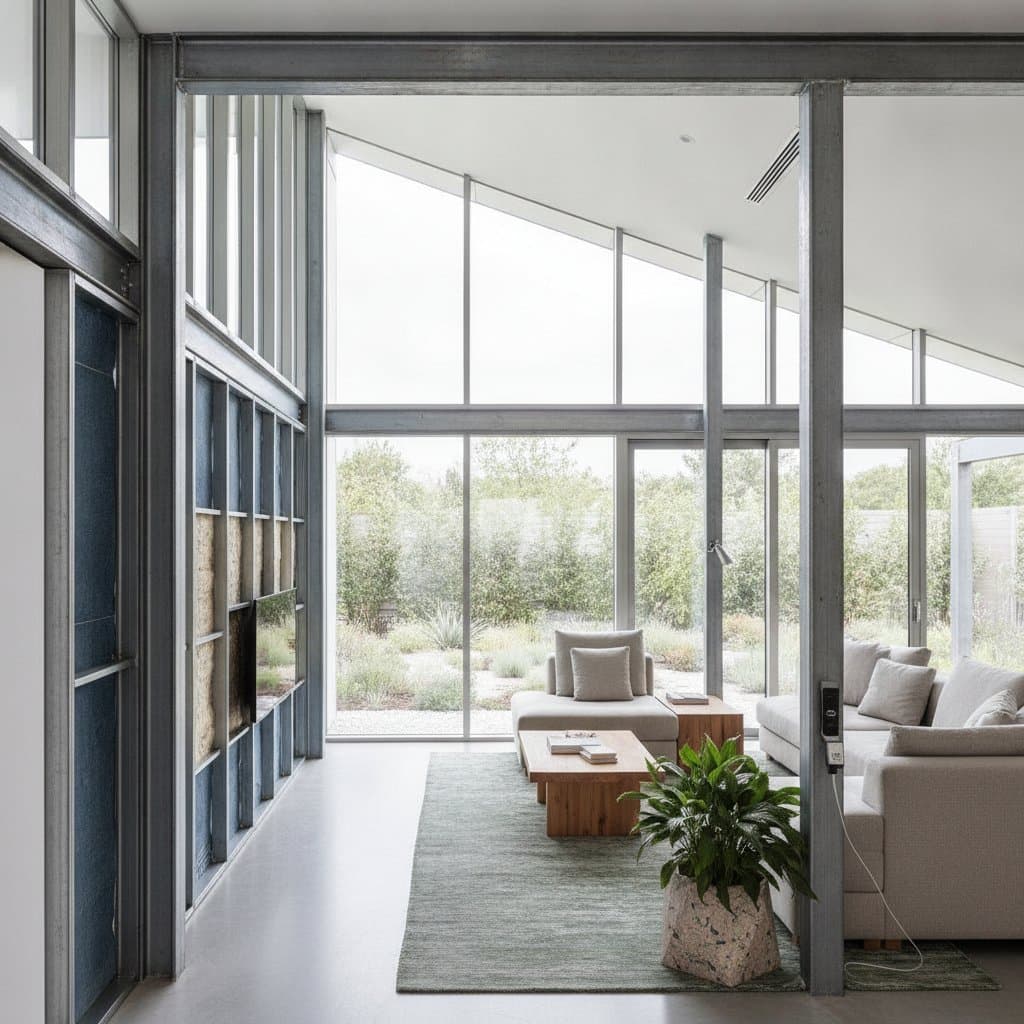
Hempcrete extends its value beyond financial savings by fostering healthier living spaces. The lime-based binder inherently deters insects and mold growth, creating a more resilient building envelope. Its breathable design keeps humidity in check, which benefits respiratory health and limits the accumulation of dust and allergens. Residents frequently report that hempcrete homes feel invigorating and pleasant in terms of air quality, even when ventilation systems cycle intermittently.
In contrast to synthetic foams or chemically processed panels, hempcrete avoids volatile organic compounds that can pollute indoor air over time. This characteristic appeals to households prioritizing non-toxic environments and to developers aiming for wellness-focused certifications. Additionally, the material's sound-absorbing properties quiet external noise, proving especially useful in dense neighborhoods or near busy roads. These factors contribute to overall livability, turning homes into sanctuaries that support physical and mental well-being.
Practical examples from completed projects highlight these gains. Families in hempcrete dwellings often note fewer allergy symptoms and improved sleep quality, attributed to stable microclimates. Builders can leverage these testimonials to differentiate projects in competitive markets, emphasizing long-term health returns alongside immediate comfort.
Carbon Sequestration and Broader Environmental Impact
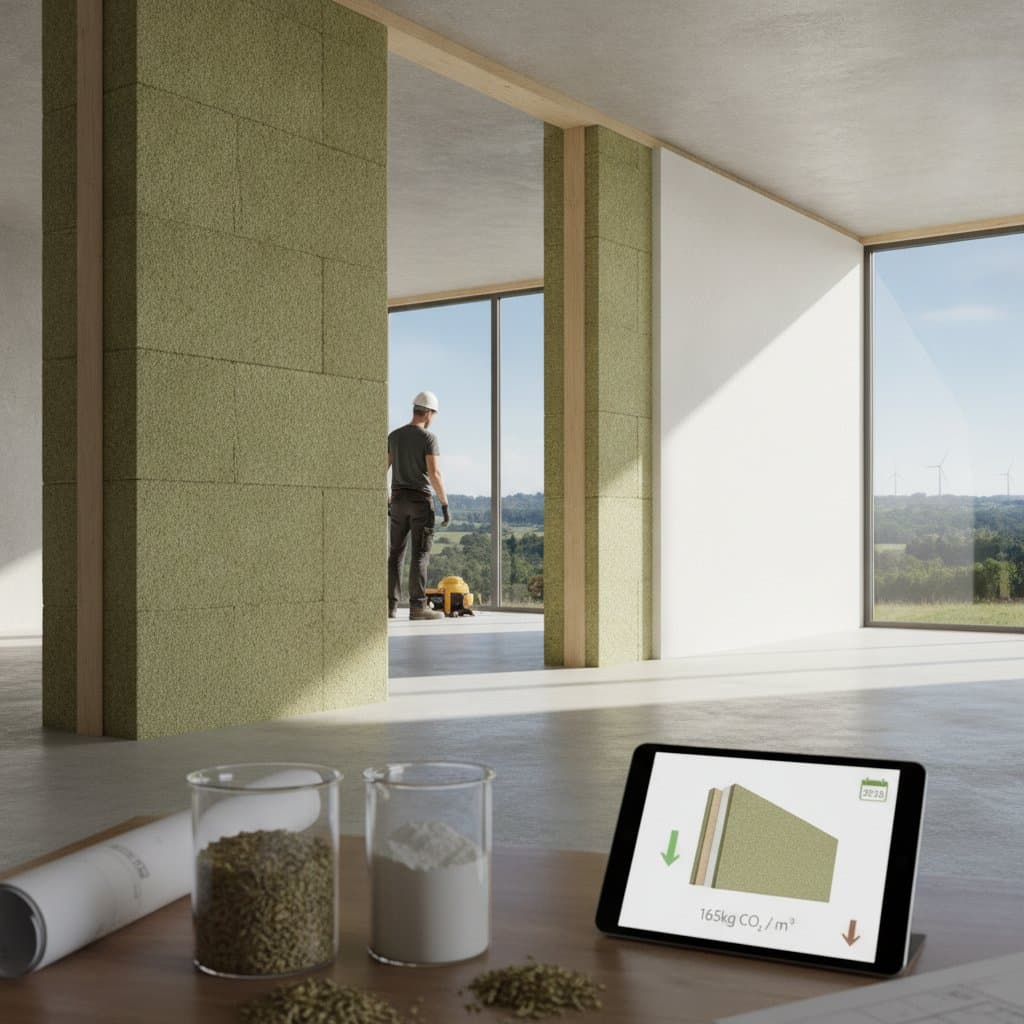
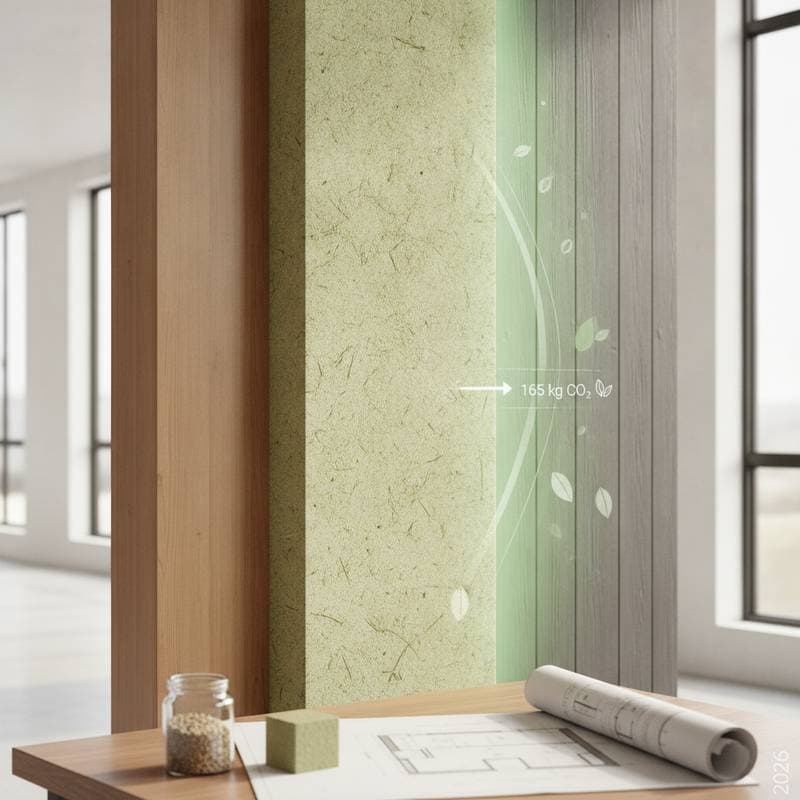
Hempcrete actively removes carbon dioxide from the atmosphere, starting with the hemp plant's rapid growth phase. Each cubic meter incorporates CO2 absorbed during cultivation, and the lime binder continues this process through ongoing carbonation as the walls mature. Thus, hempcrete qualifies as a carbon sink rather than a neutral or emitting material over its full lifecycle.
Comprehensive assessments reveal that the carbon stored in hempcrete exceeds emissions from manufacturing and assembly, resulting in a net-negative footprint. This trait positions hempcrete as a leader in the transition to carbon-neutral buildings. Paired with solar panels or other renewables, structures using this material can attain zero embodied and operational emissions using accessible resources.
The environmental ripple effects extend further. Hemp production requires minimal water and no pesticides, promoting soil regeneration on marginal lands. By replacing high-impact materials like concrete or steel in non-load-bearing applications, hempcrete reduces the construction sector's overall carbon burden. Policymakers and incentives increasingly recognize these contributions, accelerating adoption in regions committed to climate goals.
Steps to Implement Hempcrete in Your Build
Homeowners interested in hempcrete should begin with thorough preparation to ensure seamless integration. The following steps provide a roadmap from initial idea to finished project.
- Evaluate your goals. Identify primary objectives, such as cutting energy use, enhancing air quality, or minimizing carbon impact, to inform subsequent choices.
- Consult experts promptly. Collaborate with architects and contractors skilled in natural building techniques and lime-based systems.
- Design for system synergy. Integrate hempcrete with energy-efficient fenestration, mechanical ventilation with heat recovery, and right-sized heating, ventilation, and air conditioning units.
- Investigate funding options. Look into loans or incentives that reward proven efficiency and sustainable practices.
- Check regulatory compliance. Review local standards for fire safety, damp-proofing, and load-bearing compatibility.
Engaging a team early allows for customized solutions, such as hybrid walls that combine hempcrete with structural elements for added versatility. Pilot tests or energy modeling software can predict performance, building confidence in the investment.
Realizing Long-Term Gains from Hempcrete Adoption
Incorporating hempcrete transforms homes into efficient, resilient assets that deliver ongoing rewards. Lower energy demands translate to predictable savings, often recouping upfront costs within a decade through utility rebates and premium resale prices. Healthier interiors reduce medical expenses and enhance daily life, while the material's durability minimizes maintenance needs.
As sustainable building norms evolve, early adopters gain a competitive edge in value appreciation and community recognition. Hempcrete not only meets current efficiency standards but anticipates future regulations, securing homes against rising energy prices and environmental pressures. Ultimately, this choice empowers owners to contribute meaningfully to a cooler planet while enjoying practical, everyday benefits.