Thermal Scans Reveal Hidden Heat Loss Costing You Money
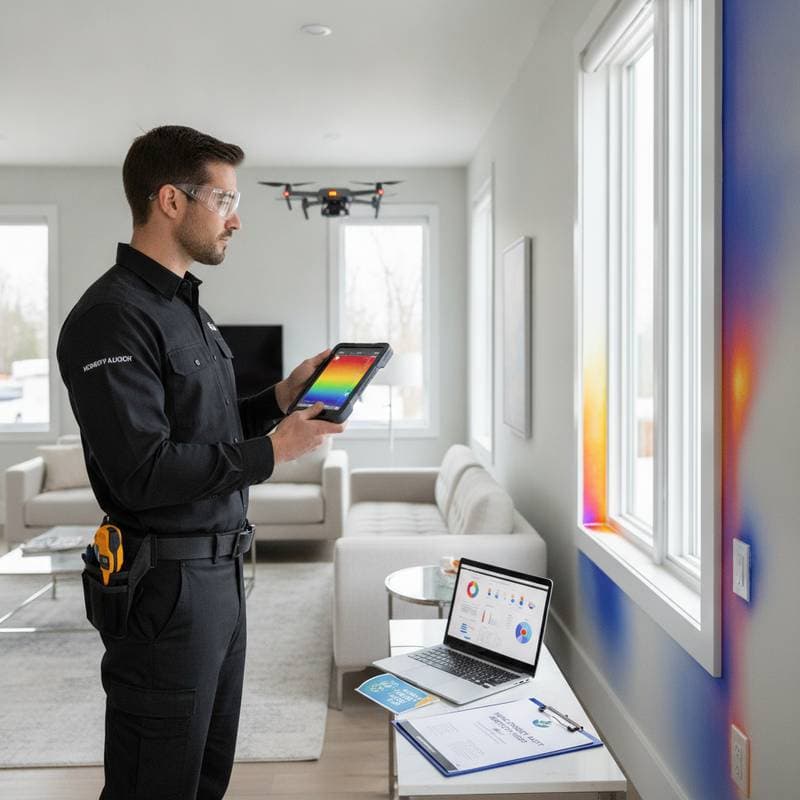
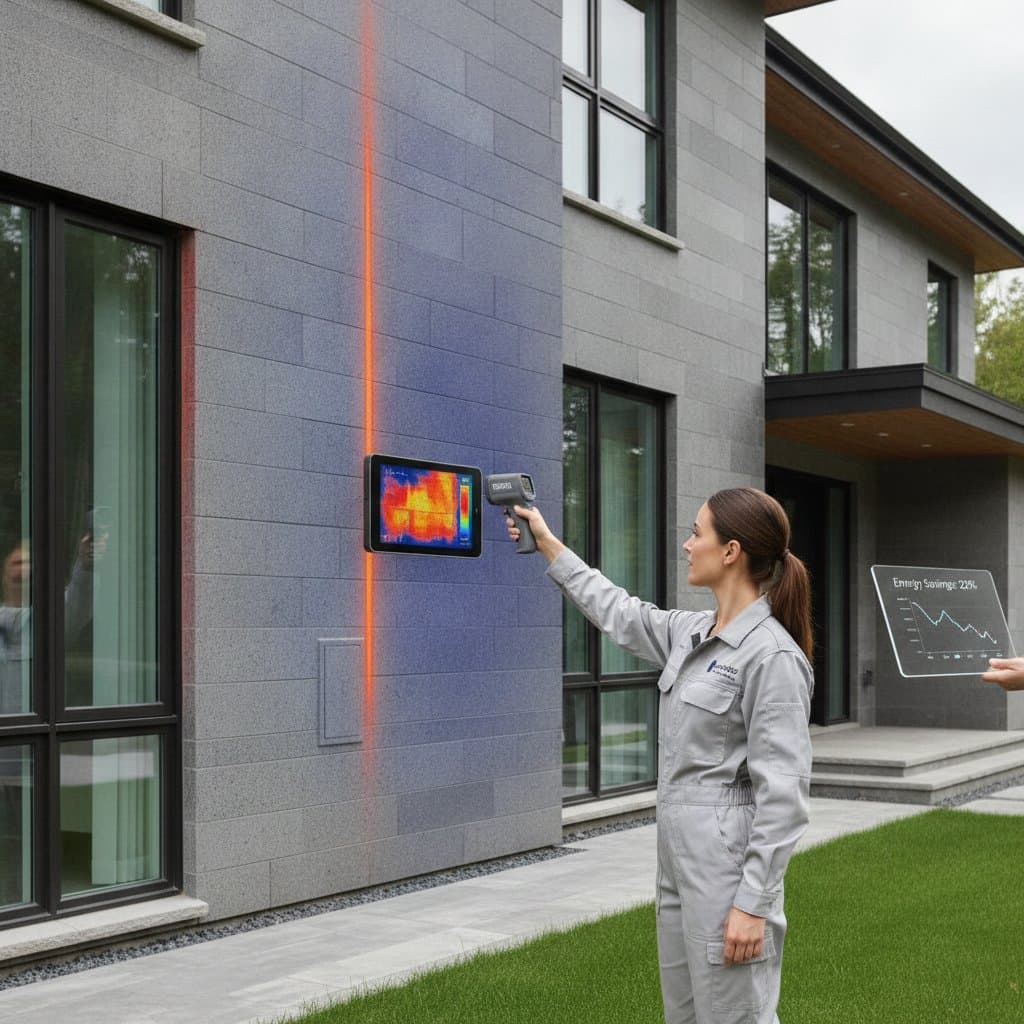
Thermal imaging identifies temperature variations that signal where heat escapes through walls, ceilings, and floors. Homeowners gain a clear visual map of insulation gaps and air leaks that standard checks often overlook. This approach supports targeted repairs that improve comfort and reduce monthly energy costs.
Unseen Heat Loss in Your Home
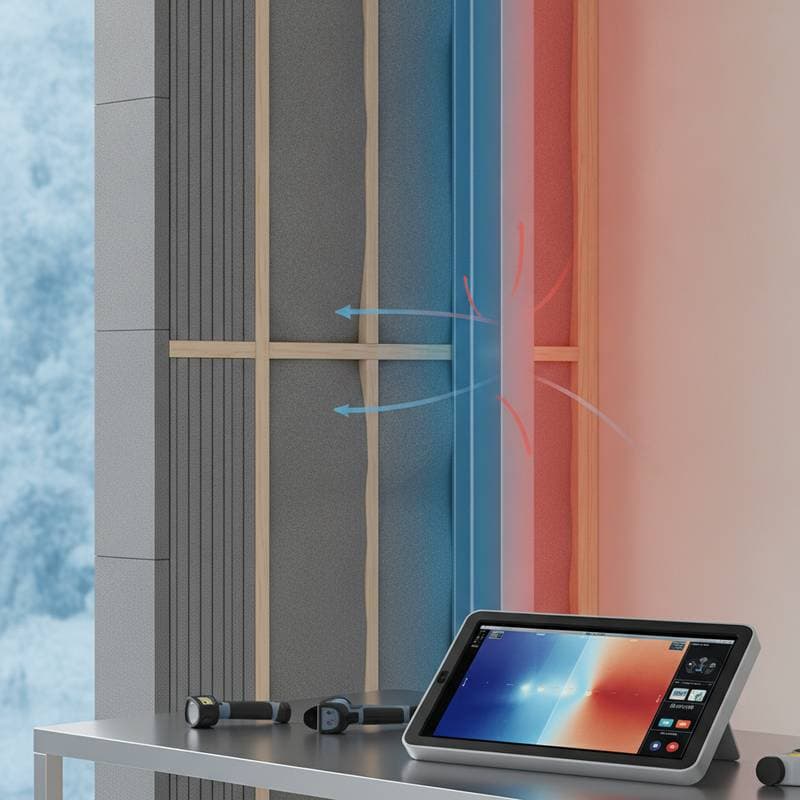
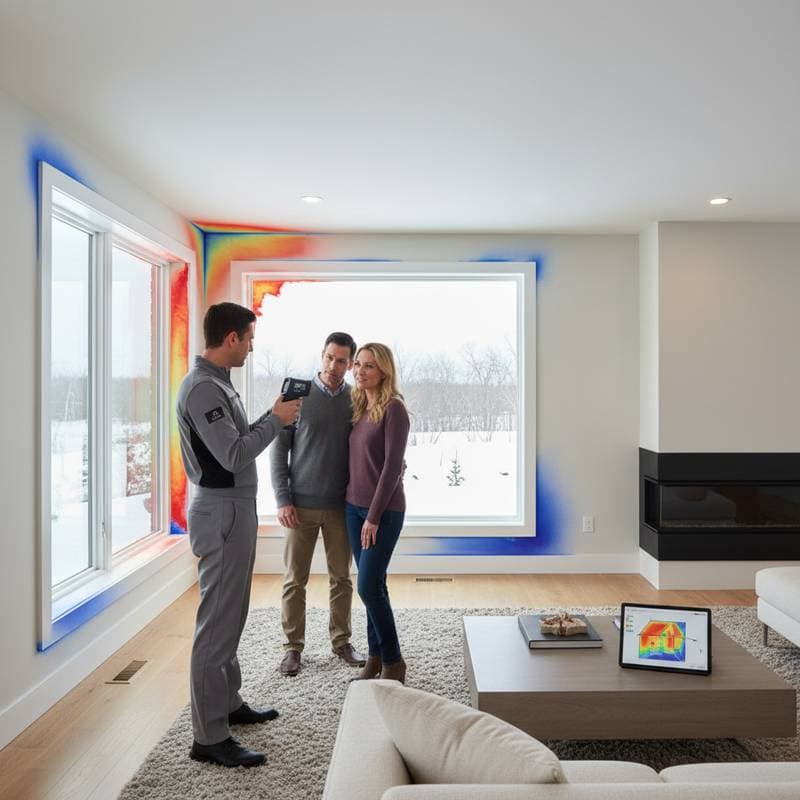
A sudden draft on a cold evening often points to unseen problems inside the building envelope. Warm air slips out through small openings while cold air enters, forcing heating systems to work harder. Thermal scans convert these invisible differences into color images that show exactly where the losses occur.
Homeowners in apartments and larger houses alike benefit from seeing these patterns. The images guide precise fixes instead of broad, expensive guesses. Early detection prevents minor issues from growing into larger comfort and budget problems.
Why Thermal Scanning Matters
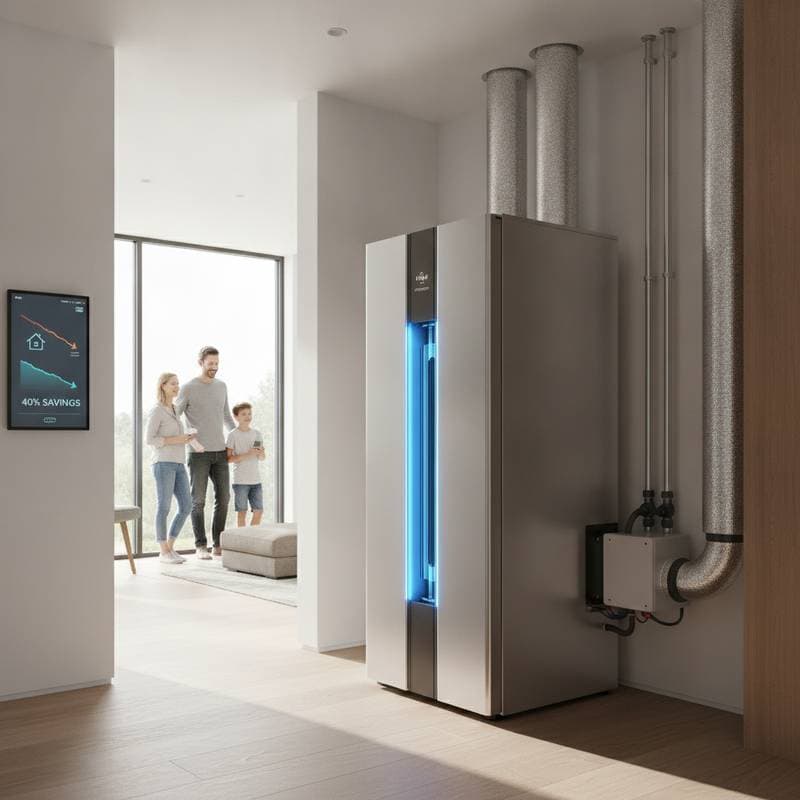
Energy waste ranks among the top ongoing expenses for most households. A professional scan highlights weak spots and supplies data for effective upgrades. Many homeowners achieve 10 to 30 percent lower energy use after addressing the leaks and insulation shortfalls identified in the report.
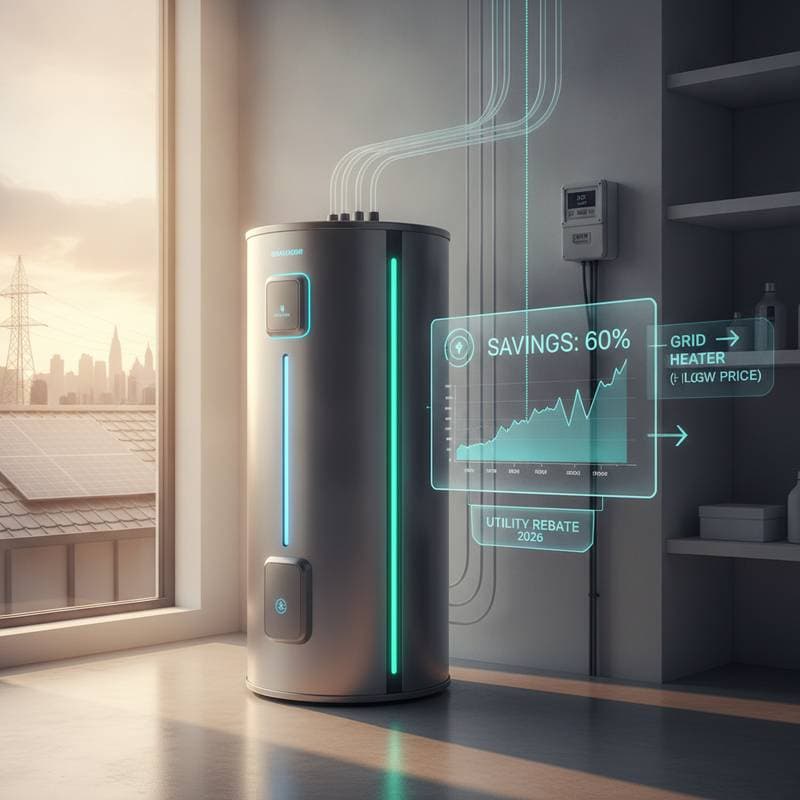
Reduced energy consumption also lowers the emissions tied to heating and cooling. The same improvements frequently qualify for local rebates when documented by certified auditors. Pairing thermal images with blower door testing creates a complete picture of home performance.
Planning Your Thermal Scan
Schedule the scan during periods with a clear indoor to outdoor temperature difference for best results. Decide in advance whether the inspection will cover the entire house or focus on attics, basements, and window frames.
Consumer infrared cameras offer basic views, yet professional equipment delivers higher resolution and expert analysis. Many auditors combine thermal imaging with additional tests to confirm air leakage rates and insulation depth.
Cost Breakdown and Return on Investment
Professional thermal inspections generally range from several hundred dollars based on home size and location. The investment returns value through focused repairs that avoid unnecessary demolition.
Upgrades such as added insulation or sealed ductwork typically recover costs within a few heating seasons via lower utility bills. Long term performance gains also raise resale appeal because buyers now prioritize documented efficiency.
Design and Efficiency Insights
Scans often reveal uneven insulation settlement in wall cavities or heat loss around recessed lights. They can also flag hidden moisture that risks mold growth if left untreated.
Practical responses include adding insulation where readings show gaps, installing weatherstripping on doors and windows, and upgrading older glazing. These steps improve daily comfort while extending the life of the home.
Frequently Asked Questions
What exactly does a thermal camera detect?
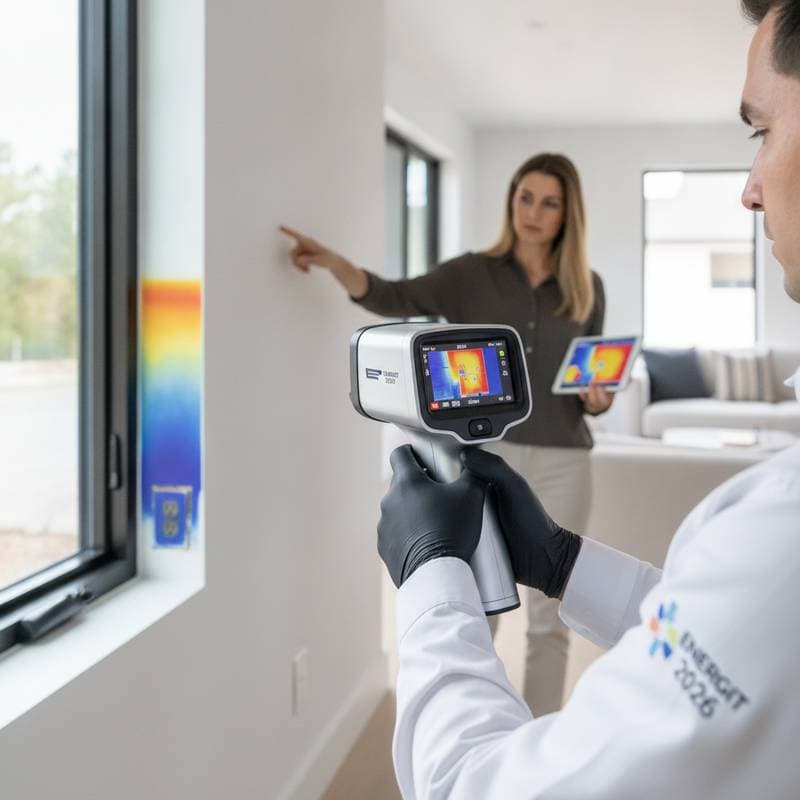
It records infrared radiation emitted by surfaces and converts temperature differences into visible color maps. Warmer zones appear in brighter colors while cooler areas show darker tones.
Can I perform a thermal scan myself?
Consumer devices exist for basic checks, but certified professionals provide clearer images and reliable recommendations for repairs.
Does thermal imaging work in all climates?
Yes. In warm regions the scans locate cooling losses around roofs and windows. In cold regions they highlight heating inefficiencies.
Is it worth it for newer homes?
Even recently constructed houses can contain insulation voids or construction gaps. A scan confirms performance and supports ongoing efficiency.
Implementing the Scan Results
Review the scan report with the auditor to prioritize repairs by impact and cost. Begin with the largest leaks or gaps to capture the quickest savings. Consistent follow up on recommended upgrades maintains comfort and keeps energy expenses under control over time.