Key Points
- Preparing your home for hydrogen heating now avoids substantial retrofit expenses in the future.
- Install a hydrogen-ready boiler to enable a seamless shift from natural gas to hydrogen once networks transition.
- Upgrade insulation, controls, and pipework early to simplify the process and control costs.
- Hydrogen heating aligns with national clean energy objectives while delivering consistent warmth.
- Strategic preparation safeguards your property value and ensures ongoing comfort amid evolving heating technologies.
Why Hydrogen-Ready Matters
Hydrogen-ready systems operate on natural gas today and require only minor adjustments to use hydrogen tomorrow. This capability provides homeowners with essential flexibility and safeguards against rapid technological changes.
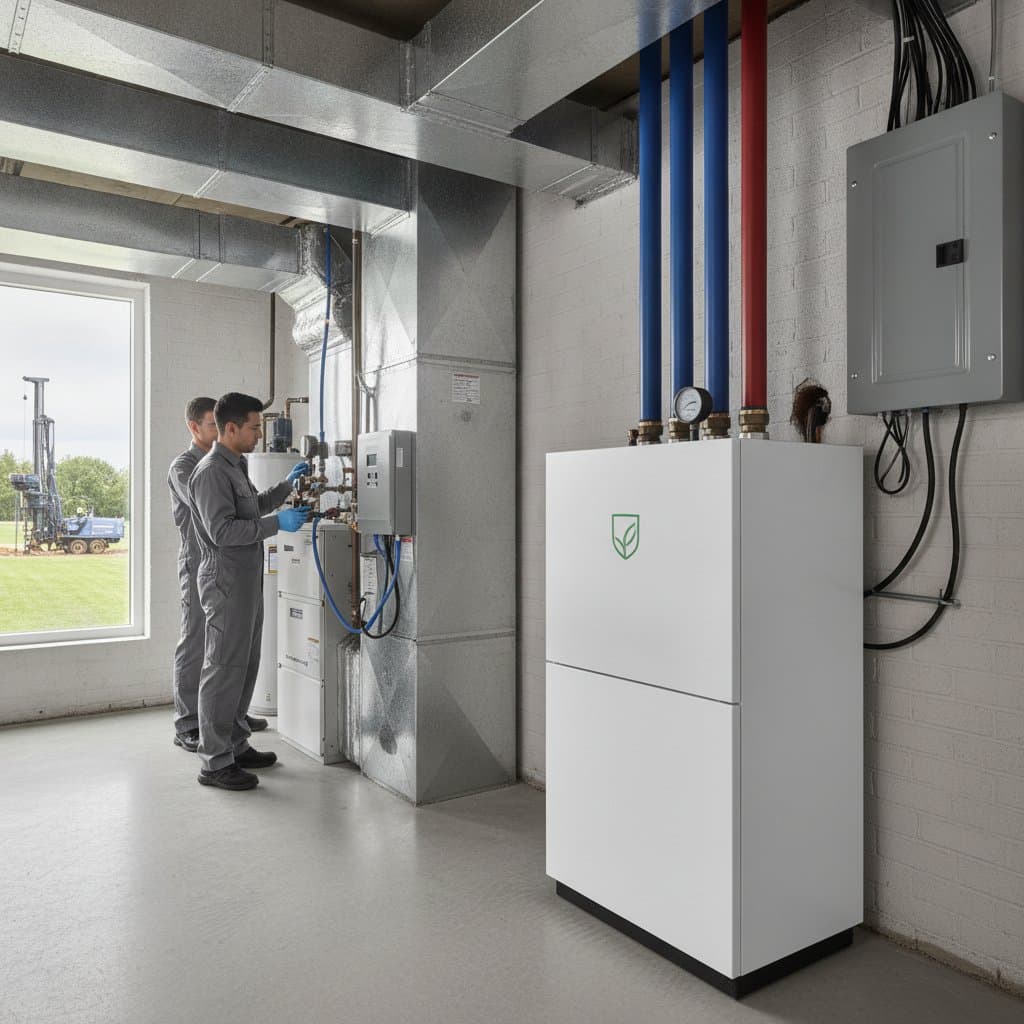
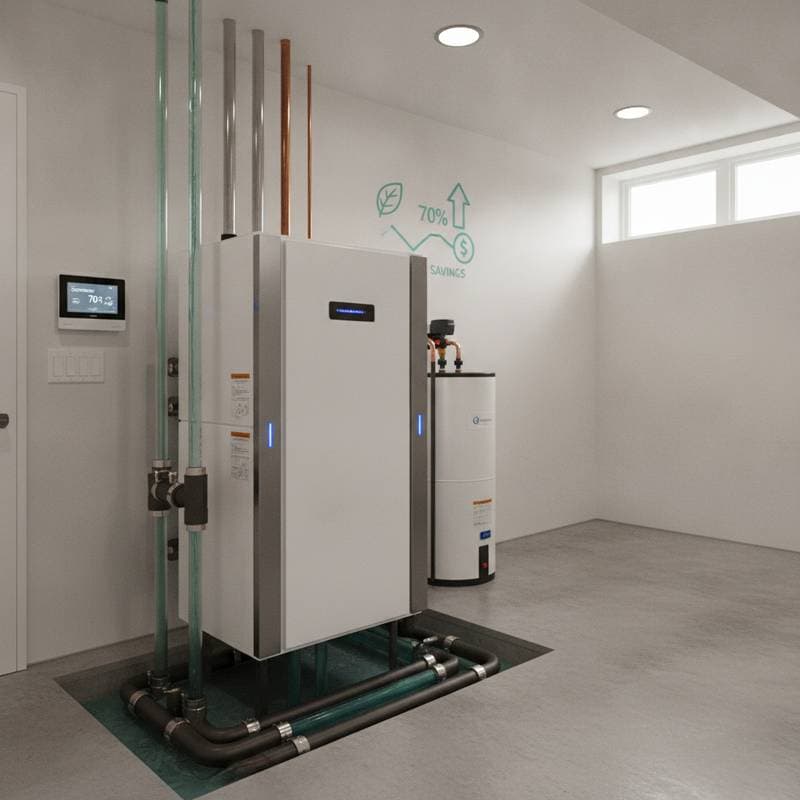
Consider a hydrogen-ready boiler: it performs identically to a standard gas boiler in the present. Upon hydrogen availability in the local network, a qualified technician modifies select components, preserving the core installation. Such an approach cuts expenses, minimizes environmental impact, and eliminates the need for full system overhauls.
From a financial perspective, these investments preserve and enhance property value. Prospective buyers prioritize homes that meet modern energy criteria and demonstrate low carbon impacts. Properties adapted for upcoming energy shifts attract those who value operational efficiency and enduring stability.
On the environmental front, hydrogen readiness advances the broader movement to sustainable energy sources. It diminishes reliance on fossil fuels and complements large-scale infrastructure efforts focused on ecological progress.
Cost Breakdown and ROI Analysis
Transition costs to hydrogen readiness vary based on project scale, building characteristics, and regional labor expenses. Although precise amounts fluctuate, the following estimates offer a reliable overview:
- Hydrogen-ready boiler installation: Comparable to installing a high-efficiency condensing gas boiler, typically ranging from 3,000 to 6,000 dollars depending on capacity and features.
- Pipework upgrades: Minimal in homes built after 2000, but potentially 1,000 to 3,000 dollars in older structures requiring material replacements for compatibility.
- Insulation and sealing enhancements: Generally 500 to 2,500 dollars, with rapid returns via annual energy savings of 200 to 500 dollars.
- Smart controls and sensors: Starting at 300 dollars for basic thermostats, up to 1,500 dollars for integrated systems that optimize zoning and usage.
Evaluate these expenditures with an eye toward sustained advantages over short-term outlays. Hydrogen readiness elevates market desirability and averts costly later modifications, which could exceed 10,000 dollars in comprehensive retrofits.
Return on investment materializes through reduced utility payments and elevated home appraisals, often within five to ten years. A hydrogen-ready setup also shields against system outdatedness as fuel networks evolve. View this preparation as essential coverage for your heating infrastructure's longevity.
Factors Influencing the Project
Multiple elements determine the feasibility and expense of hydrogen readiness adaptations.
- Property Age and State: Structures from before 1980 often demand prior enhancements to insulation, piping, and airflow to accommodate modern installations securely.
- Current Heating Setup: Gas-based systems facilitate straightforward conversions, whereas fully electric configurations may necessitate additional electrical assessments.
- Regional Building Standards: Codes vary by location; consult a certified expert to verify compliance prior to any work.
- Infrastructure Availability: Local hydrogen distribution schedules dictate conversion timing, yet proactive steps prevent last-minute interruptions.
- Financial Planning: Explore grants or favorable financing for energy upgrades in eligible zones. Absent such support, implement changes in stages to manage outflows effectively.
Sustainable Features and Efficiency Gains
Hydrogen heating integrates into a comprehensive strategy for superior building efficiency and ecological accountability. Current preparations often spur complementary upgrades that yield lasting gains in livability and economics.
-
High-Performance Insulation
Materials such as spray foam, fiberglass batts, or rigid panels reduce thermal escape by up to 50 percent. These choices enhance daily comfort and align with green building practices, regardless of fuel type. -
Low-Flow Fixtures and Smart Water Heating
Install aerators and efficient showerheads to curb water use by 30 to 50 percent. Pair with demand-controlled heaters to minimize energy demands on the primary system. -
Energy-Efficient Windows and Doors
Opt for units with low-emissivity coatings and argon-filled panes to block 70 to 80 percent of heat transfer. Proper weatherstripping further eliminates air infiltration points. -
Indoor Air Quality Enhancements
Hydrogen burns cleanly to produce water vapor, yet effective ventilation systems with HEPA filters maintain optimal air circulation. These setups control moisture and remove particulates for healthier living spaces. -
Renewable Energy Integration
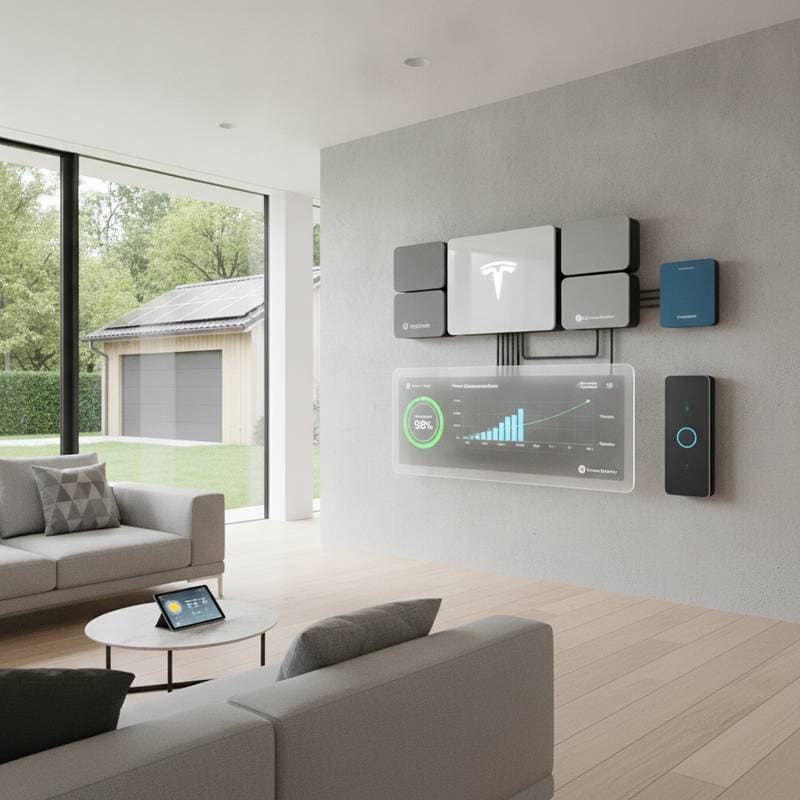
Combine hydrogen boilers with photovoltaic panels or home batteries to create adaptive energy networks. Such hybrids distribute power efficiently, reducing overall grid dependence.
These enhancements collectively boost performance and fortify your home against future energy demands.
Frequently Asked Questions
What does a hydrogen-ready boiler actually do?
A hydrogen-ready boiler functions on natural gas in the current setup but adapts to hydrogen through targeted component swaps. This process preserves the boiler's housing and connections, limiting downtime to a single service visit.
Is hydrogen heating safe?
Hydrogen heating incorporates robust safety protocols. As a gas lighter than air, hydrogen rises and dissipates rapidly in leaks, while integrated sensors and auto-shutoff valves provide additional safeguards.
Will hydrogen be more expensive than natural gas?
Initial hydrogen production costs may exceed those of natural gas, yet advancements in electrolysis and green sourcing project parity within a decade. Concurrent efficiency measures offset transitional price variances.
Do I need to replace my radiators or pipes?
Most existing radiators handle hydrogen without alteration due to similar pressure requirements. Pipes typically require only a compatibility check; upgrades apply mainly to galvanized steel in pre-1970 homes.
How do I know if my home is already hydrogen-ready?
Examine your boiler's specifications for hydrogen certification, often noted on the unit or in documentation from models post-2018. Engage a heating specialist for a detailed evaluation if details remain unclear.
What if hydrogen never becomes available in my area?
The system operates seamlessly on natural gas indefinitely. You still benefit from enhanced efficiency, durability, and improved market positioning.
Can I install a hydrogen-ready system myself?
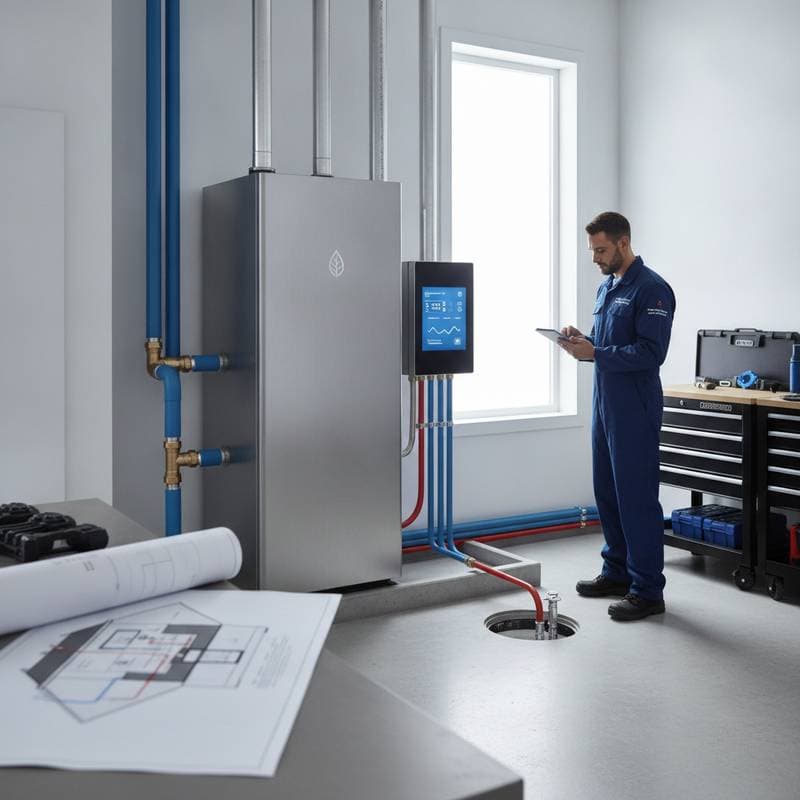
Professional installation by certified technicians is mandatory for safety and regulatory adherence. This ensures proper calibration, testing, and preservation of manufacturer warranties.
Making It Happen
Achieve hydrogen readiness through deliberate, phased actions. Begin with a thorough evaluation of your home's energy profile to pinpoint priorities.
-
Conduct a Professional Energy Audit
Hire an assessor to measure heat loss, system performance, and efficiency bottlenecks using tools like thermal imaging. -
Implement Gradual Upgrades
Prioritize high-impact, low-cost items such as draft-proofing windows and adding programmable thermostats for immediate savings. -
Select Compatible Equipment
Review certified hydrogen-ready boilers from reputable brands, focusing on those with ENERGY STAR ratings and modular designs. -
Maintain Records
Document all modifications, including receipts and certifications, to support insurance claims and resale appraisals. -
Monitor Developments
Follow updates from energy authorities on hydrogen pipeline expansions and policy incentives to time investments optimally.
Long-Term Benefits
Embracing hydrogen readiness extends beyond immediate adaptations to foster enduring advantages. Your home gains resilience against energy price volatility and regulatory shifts, ensuring reliable performance for decades.
Efficiency upgrades compound over time, potentially slashing annual heating bills by 20 to 40 percent. Environmentally, these steps contribute to reduced emissions, aligning personal choices with global sustainability targets.
Ultimately, a forward-thinking heating strategy enhances quality of life, from consistent comfort to heightened property equity in an era of clean energy transition.