Key Points
- Recycled plastic roofs deliver superior durability, weather resistance, and environmental sustainability.
- These roofs redirect significant plastic waste from landfills and minimize carbon emissions.
- Homeowners benefit from substantial long-term savings due to reduced maintenance and prolonged service life.
- Professional installation guarantees peak performance and adherence to eco-friendly building codes.
- Reflective properties lower cooling costs, enhancing overall energy efficiency.
The Emergence of Recycled Plastic Roofing
Imagine emerging from a storm to find your roof intact, its surface composed of innovative recycled plastic that repels water and manages heat effectively. As a specialist in green construction, I observe this material reshaping residential landscapes where environmental responsibility intersects with practical design. Property owners now prioritize roofing solutions that endure, enhance curb appeal, and support planetary health. Recycled plastic roofs fulfill these demands through proven reliability.
Over the past decade, recycled materials have progressed from experimental alternatives to essential components in modern architecture. Initial applications focused on basic recycling, but current formulations withstand cracking, color loss, and microbial growth. Residents in areas prone to high humidity or severe cold find these roofs provide dual advantages: ecological impact and operational resilience.
The Importance of Recycled Plastic Roofing
Conventional options such as asphalt shingles contribute to landfill overload upon replacement. Recycled plastic roofs transform post-consumer items like beverage containers, shipping materials, and manufacturing byproducts into robust, climate-proof panels. One standard installation can sequester hundreds of pounds of plastic, preventing contamination of oceans and overburdening disposal sites.
This approach benefits individual properties directly. It integrates advanced polymer engineering that matches or exceeds standard roofing in strength, while introducing reduced weight for easier handling and superior thermal barriers for consistent indoor comfort.
Strategies for Selecting an Optimal Recycled Plastic Roof System
1. Assess Material Specifications
Prioritize systems utilizing high-density polyethylene or polypropylene composites. These formulations demonstrate resilience against ultraviolet exposure and thermal fluctuations, outperforming basic recycled variants in longevity and stability.
2. Verify Independent Certifications
Seek endorsements from organizations like GreenCircle Certified or Cradle to Cradle. Such validations confirm rigorous processes for material sourcing, low volatile organic compound emissions, and verifiable recycled content percentages.
3. Arrange Certified Professional Installation
Although certain modular panels allow for straightforward assembly, optimal results require expertise from qualified installers. They address critical elements including airflow systems, waterproof seals, and secure anchoring to avert moisture intrusion and maximize durability.
4. Explore Aesthetic Variations
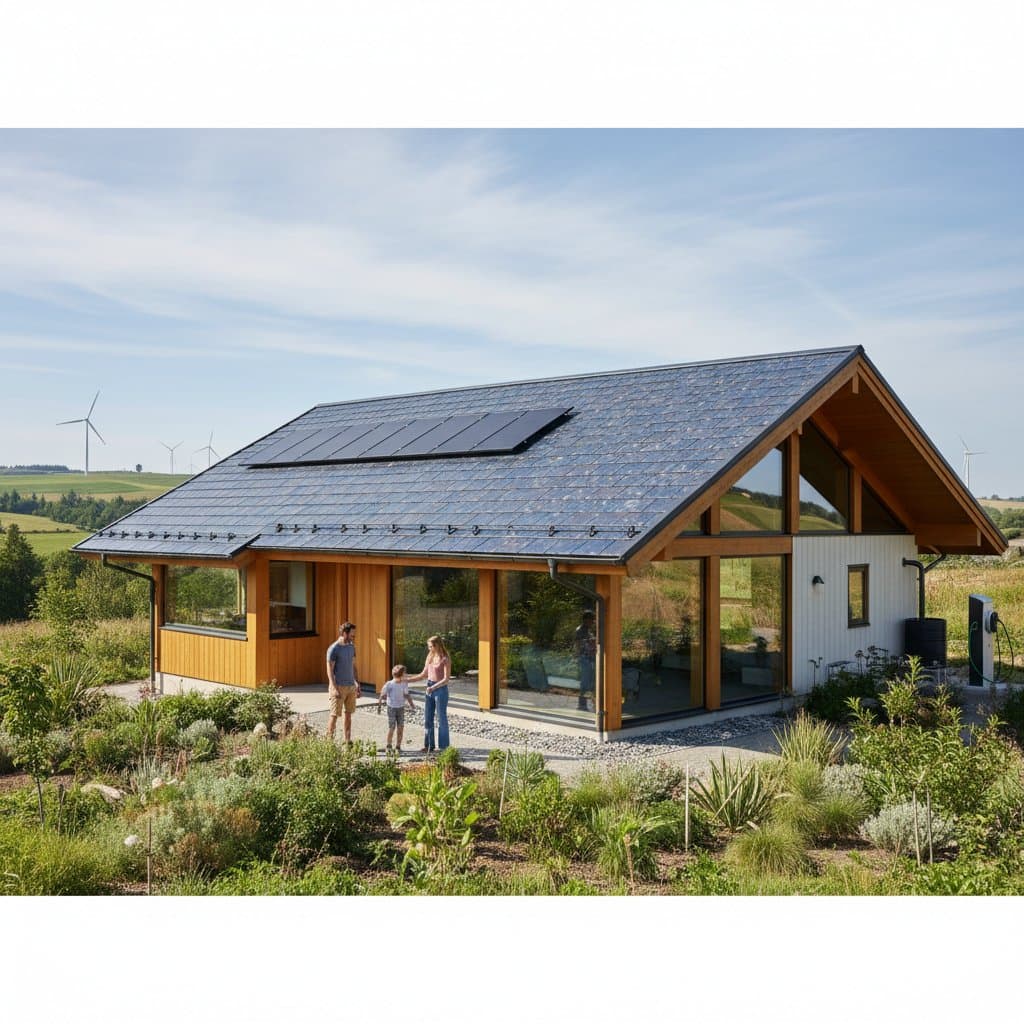
Contemporary options replicate the appearance of natural slate, wood shakes, or clay tiles. This range permits seamless integration with existing architecture, maintaining visual harmony alongside sustainable credentials.
5. Consider Climate-Specific Adaptations
For coastal or high-altitude locations, select variants engineered for salt corrosion resistance or wind uplift capabilities. These tailored features ensure performance aligns with local environmental challenges.
Financial Considerations, Durability, and Ecological Benefits
Installed recycled plastic roofing generally ranges from $7 to $12 per square foot, depending on complexity and regional labor rates. Although the upfront investment exceeds basic asphalt, the extended service life often reaches 50 years or more, offsetting expenses through infrequent repairs and no need for periodic recoating.
The environmental returns accelerate rapidly. A typical residential roof incorporates the equivalent of thousands of recycled bottles, substantially decreasing plastic pollution. Additionally, light-reflective finishes can reduce air conditioning demands by 10 to 20 percent, yielding measurable utility savings. As an industry professional noted, every such installation represents a tangible step toward environmental stewardship, constructed one panel at a time.
Steps to Implement Your Recycled Plastic Roof Upgrade
Begin by consulting certified green building specialists via trusted networks for a complimentary assessment. They will inspect your structure, analyze regional weather patterns, and align recommendations with your style preferences. Success depends on precise material choices and meticulous execution. Beyond shelter, a recycled plastic roof embodies forward-thinking priorities and secures enduring protection for your property.
Frequently Asked Questions
Q: What is the expected lifespan of a recycled plastic roof?
A: Quality installations endure 40 to 60 years, influenced by composition and routine care.
Q: Do these roofs perform in extreme weather conditions?
A: Yes, premium composites retain pliability during subzero temperatures and avoid deformation in high-heat scenarios.
Q: Are recycled plastic roofs compatible with rainwater collection systems?
A: Reputable products feature non-leaching surfaces, making them ideal for harvesting once installation confirms integrity.
Q: How do recycled plastic roofs impact home energy efficiency?
A: Their insulating qualities and solar reflectivity decrease heating and cooling needs, often lowering annual bills by notable margins.
Q: What maintenance do these roofs require?
A: Minimal effort suffices; periodic debris removal and inspections every few years preserve condition without specialized tools.