Introduction to Recycled Plastic Siding
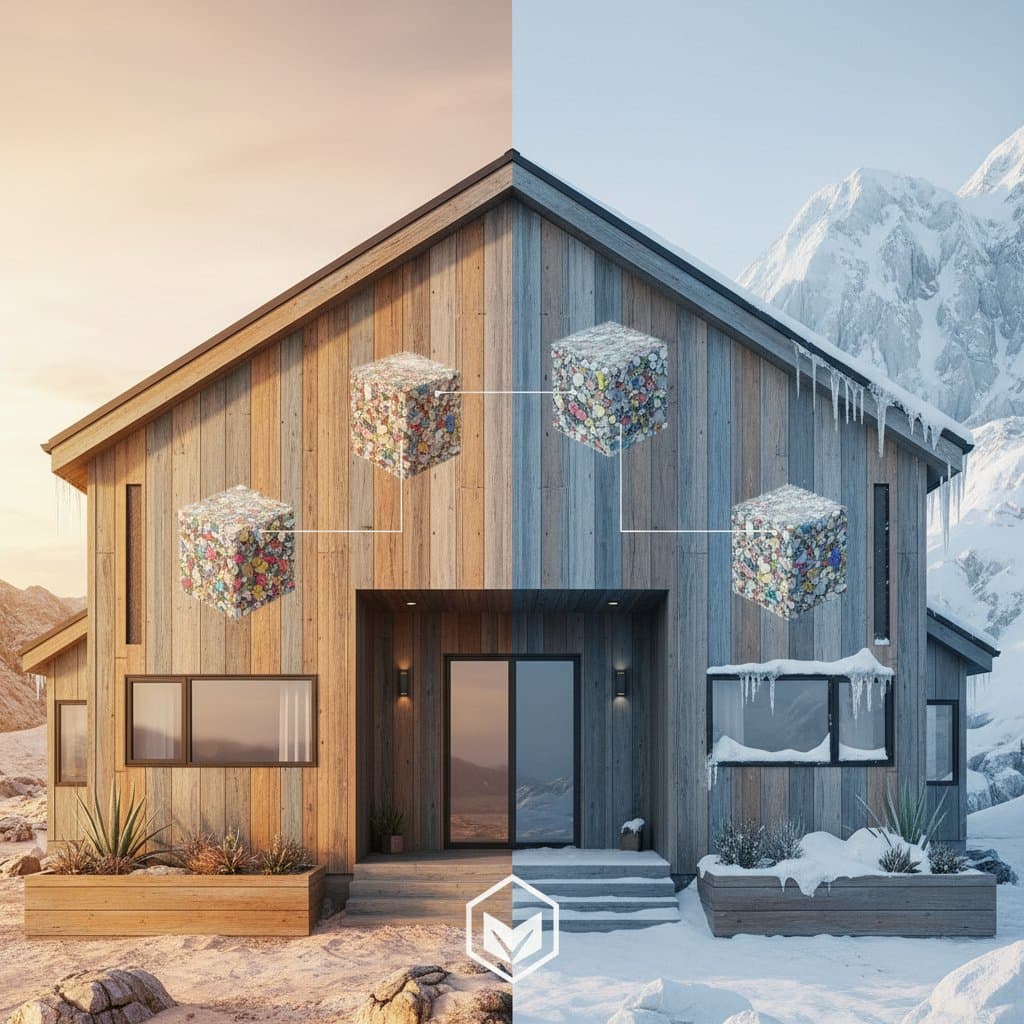
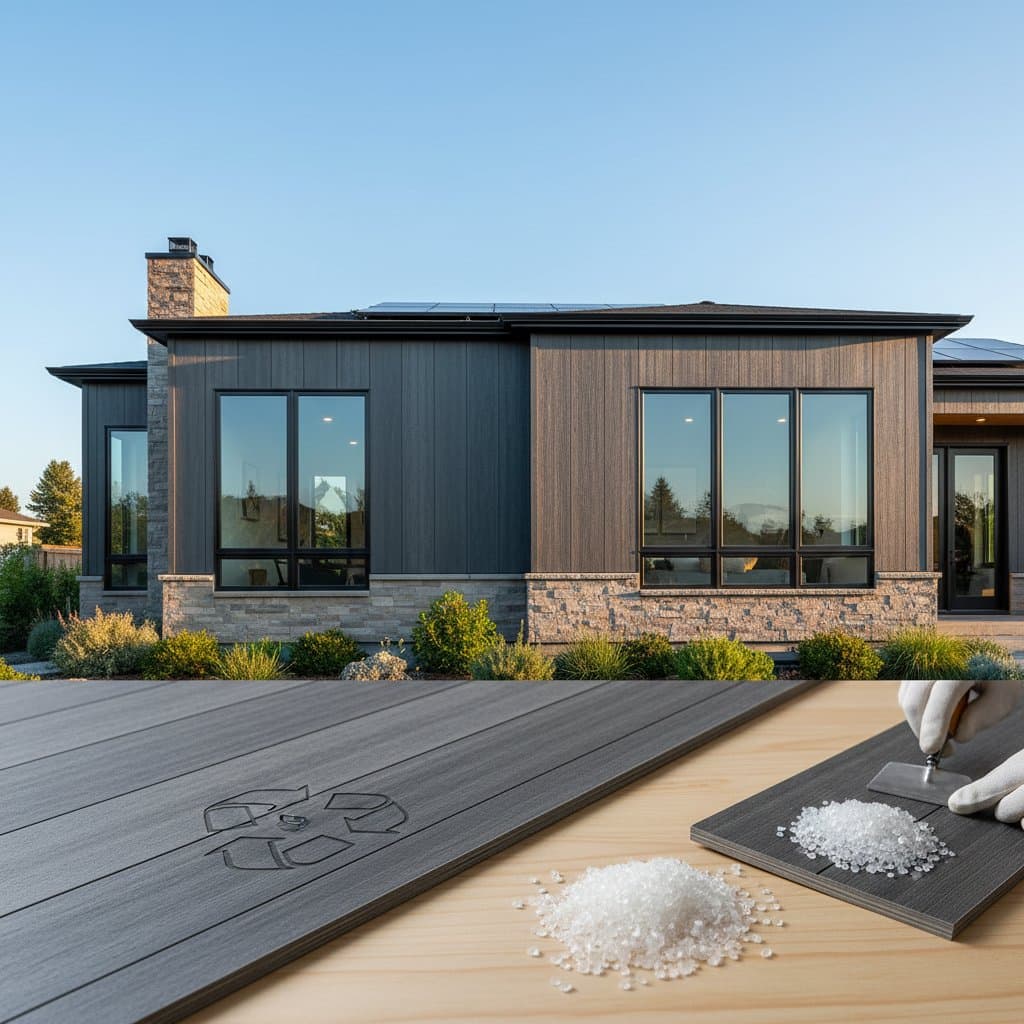
Recycled plastic siding represents a transformative approach to home exteriors. Derived from post-consumer plastics such as bottles and containers, this material repurposes waste into a robust cladding solution. Homeowners benefit from its blend of environmental responsibility and practical advantages, including extended durability and reduced long-term expenses.
This siding addresses common challenges with traditional options. Wood requires frequent maintenance to prevent rot and fading. Vinyl often succumbs to warping under heat or moisture. Recycled plastic siding withstands these issues, offering a reliable alternative that enhances both home performance and planetary health.
Benefits Over Traditional Materials
Recycled plastic siding excels in durability and sustainability compared to wood and vinyl. It resists moisture, insects, and UV degradation, ensuring a lifespan of several decades. Unlike wood, which demands regular staining or painting, this material needs only occasional cleaning to maintain its appearance.
Energy efficiency adds another layer of value. Many products feature built-in insulation that improves thermal regulation, lowering heating and cooling demands. Vinyl siding, while lightweight, rarely matches this level of performance, and wood installations often lack inherent insulating properties.
Financial returns prove compelling. Installation costs align closely with mid-range vinyl, yet savings accumulate through eliminated maintenance and boosted resale value. Studies indicate that eco-friendly upgrades like this can increase property appeal by up to 10 percent in green-conscious markets.
Planning Your Siding Project
Effective planning ensures optimal results for any siding installation. Begin by assessing your homes climate and exposure levels. Select products engineered for UV resistance in sunny regions or enhanced moisture barriers for humid areas.
Consider insulation needs next. Opt for panels with foam cores to elevate R-values and cut energy use by 10 to 15 percent annually. Aesthetic choices abound, with options ranging from smooth modern panels to textured imitations of cedar shakes or natural stone.
Evaluate installation approaches carefully. Interlocking systems simplify the process and enhance weatherproofing by minimizing gaps. Always verify warranties covering at least 25 years, along with certifications for recycled content and low VOC emissions.
Engage professionals experienced in composite materials. They handle precise alignment and ventilation requirements, preventing issues like trapped moisture. While DIY suits smaller projects, expert installation often yields superior longevity and avoids costly repairs.
Cost Analysis and Return on Investment
Initial expenses for recycled plastic siding fall between $4 and $8 per square foot for materials, comparable to quality vinyl. Labor adds $3 to $5 per square foot, depending on home size and complexity. Total outlay mirrors fiber cement but surpasses basic wood in upfront affordability.
Long-term savings distinguish this choice. Eliminate annual maintenance costs of $500 to $1,000 associated with wood or vinyl. Energy reductions from insulated variants can save $200 to $400 yearly on utility bills in moderate climates.
Return on investment reaches 70 percent over 20 years, factoring in durability and market trends favoring sustainable homes. Resale value rises due to improved curb appeal and documented eco-benefits. For cost optimization, apply premium siding to high-visibility areas and economical options elsewhere.
Design Options and Aesthetic Versatility
Modern recycled plastic siding offers extensive customization to suit diverse architectural styles. Textured surfaces replicate wood grains with remarkable fidelity, from rustic barnboard to sleek shiplap. Stone-like finishes provide a rugged yet refined look without the weight of natural materials.
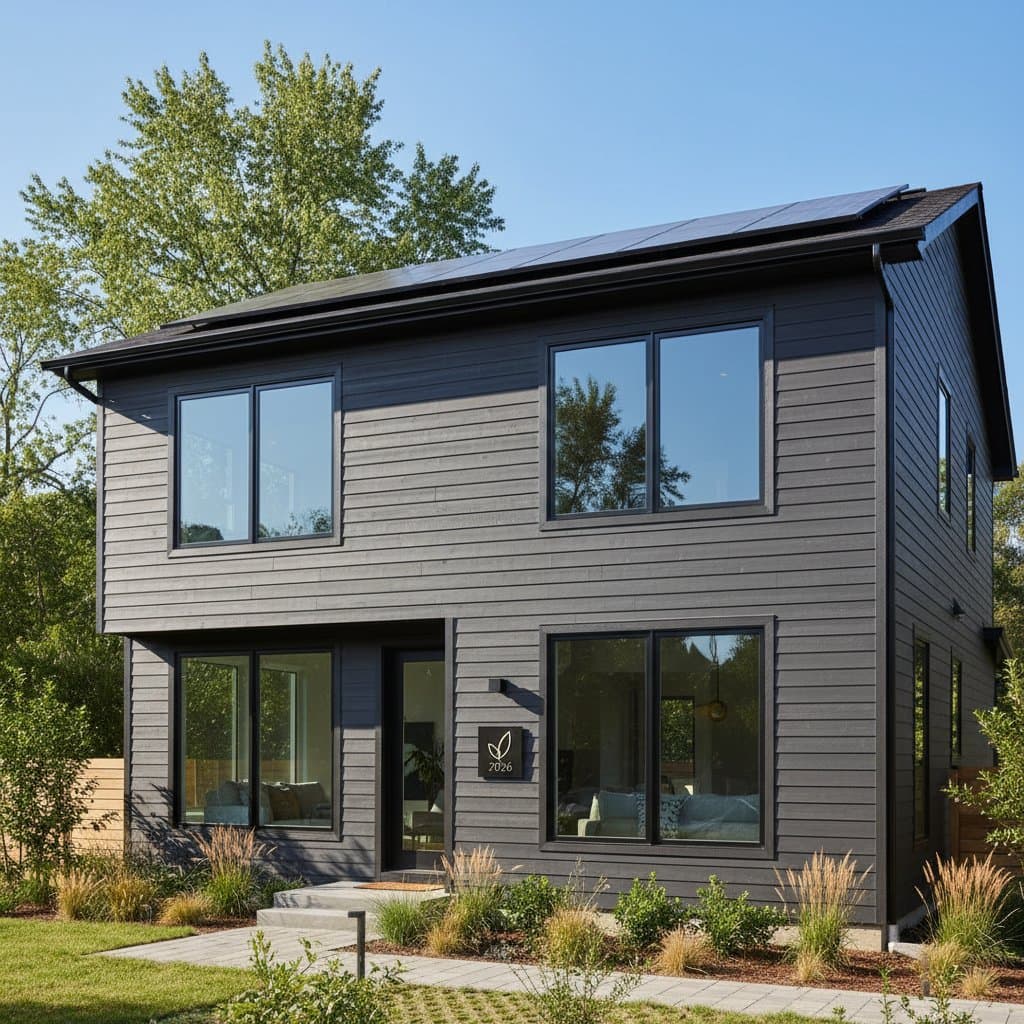
Color selection enhances personalization. Integral pigments ensure fade-resistant hues, available in earth tones, bold accents, or neutral palettes. For contemporary designs, pair wide horizontal panels in matte grays with minimalist trim.
Traditional homes benefit from shingle profiles in deep reds or natural browns. Mix materials strategically, such as combining siding with stone veneer bases or metal roof edges, to create dynamic facades. Modular panels allow future updates, enabling color refreshes without full replacement.
Essential Project Factors
Success hinges on addressing key variables before installation. Inspect and repair substructures, including sheathing and framing, to provide a stable base. Implement proper flashing around windows, doors, and corners to direct water away effectively.
Adhere to local building codes, which may mandate specific wind resistance or fire ratings. In wildfire-prone zones, choose Class A fire-rated products. Manage waste by recycling installation scraps, aligning with the materials sustainable ethos.
Ventilation remains critical. Maintain air gaps behind panels to allow drying and prevent mold. These steps minimize risks and extend the sidings performance, ensuring a project that delivers lasting value.
Environmental and Performance Advantages
Recycled plastic siding advances sustainability through resource recovery. A typical 2,000-square-foot home installation diverts over 10,000 plastic bottles from landfills. Production uses less energy than virgin plastic or wood harvesting, reducing carbon footprints by up to 50 percent.
Performance features include low thermal expansion, ideal for temperature extremes. Panels contract minimally in winter and resist buckling in summer heat. Reflective surfaces in lighter shades lower exterior temperatures, easing cooling loads.
Insect and rot resistance eliminates the need for chemical treatments common with wood. When integrated into broader efficiency measures, such as sealed attics or efficient HVAC, this siding contributes to net-zero energy goals for residences.
Frequently Asked Questions
Is recycled plastic siding suitable for residential applications?
Yes, it meets rigorous safety standards. Manufacturers employ stabilized formulations free of toxic phthalates, with many earning GREENGUARD certification for indoor air quality.
Can installation occur over existing siding?
Yes, provided the base layer remains sound. Use furring strips for airflow, but consult a professional to evaluate structural integrity and avoid voiding warranties.
How does it handle severe weather?
It performs reliably in temperatures from -40 to 140 degrees Fahrenheit. Expansion joints accommodate movement, outperforming vinyl in freeze-thaw cycles.
What maintenance is required?
Rinse with mild soap and water annually. Steer clear of abrasive cleaners to preserve the finish.
Does it resist fading?
UV stabilizers ensure color retention for 30 years or more. Integral coloring prevents show-through from surface wear.
Is end-of-life recycling possible?
Absolutely. Panels can be reprocessed into new composites, perpetuating the circular economy.
Steps to Implement Your Upgrade
Start by consulting local suppliers for samples and quotes tailored to your region. Schedule a site assessment to identify custom needs, such as reinforced fastening in high-wind areas. Secure permits early to streamline the timeline.
During installation, monitor progress for quality assurance, ensuring even spacing and secure attachments. Post-project, document energy savings through utility comparisons to quantify benefits. This upgrade not only fortifies your home but also positions you as a steward of sustainable living, yielding enduring rewards in comfort, savings, and environmental impact.