Key Points
- Recycled plastic siding offers superior durability, minimal maintenance, and strong environmental benefits for contemporary home exteriors.
- It withstands moisture, insects, and color degradation, proving suitable for a range of climate conditions.
- Installation with appropriate insulation yields lower long-term costs and enhanced energy performance.
- Production from post-consumer waste reduces landfill contributions and advances circular economy practices in construction.
- Professional installation, including ventilation details, guarantees enduring results and adherence to sustainable building criteria.
Recycled Plastic Siding: The Future Face of Sustainable Homes
Imagine approaching a residence where the exterior panels exhibit refined texture and resilience. These surfaces convey both skilled workmanship and environmental awareness. As a green building advisor with extensive on-site experience, I have observed numerous homeowners grappling with the integration of aesthetic appeal, structural strength, and ecological considerations. The rising interest in eco-friendly exteriors positions recycled plastic siding at the forefront. This material marks a pivotal advancement, blending innovative sustainability with refined design.
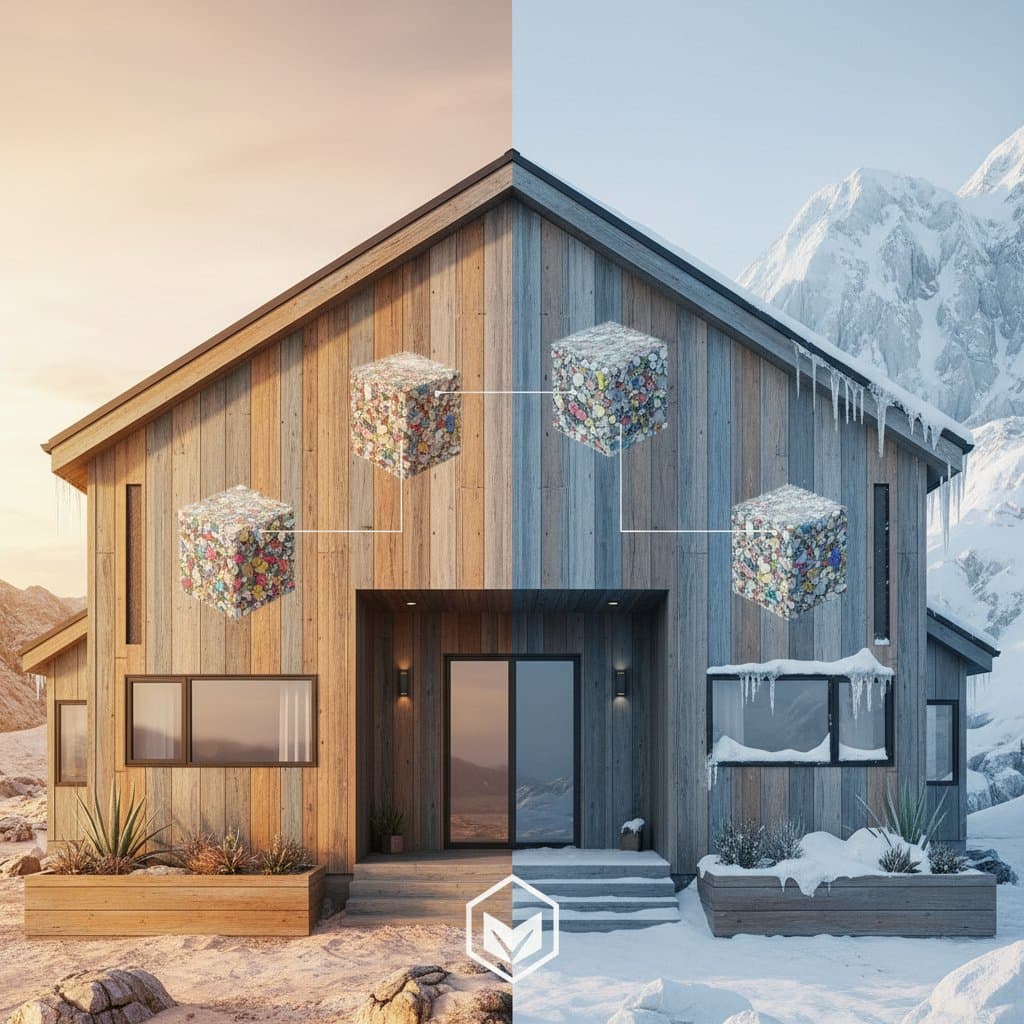
Regions prone to humid summers, severe winters, or persistent coastal dampness often challenge conventional siding options, leading to distortion, decay, or flaking. Recycled plastic siding, however, performs reliably in such settings. Engineered to counter these elemental pressures, it outlasts wood or fiber cement alternatives. Homeowners benefit from an exterior that retains its vibrancy and integrity, minimizing upkeep demands.
The Challenge: Balancing Beauty, Durability, and Sustainability
Homeowners frequently encounter tensions among design preferences, longevity requirements, and green initiatives. They seek exteriors that endure visually, incur low upkeep expenses, and align with sustainability aims. Traditional options, however, demand compromises. Wood provides a natural warmth yet necessitates regular sealing and repainting. Standard vinyl offers economy but relies on new plastics, exacerbating waste issues. Brick or fiber cement delivers robustness but involves substantial weight, cost, and production energy.
Through years of advisory work, I have witnessed these dilemmas directly. Property owners allocate significant funds to materials that deteriorate prematurely, especially in areas with fluctuating temperatures or elevated humidity that hasten degradation. The demand for a resilient, easy-care, and attractive sustainable alternative stands more urgent than ever.
The Solution: Why Recycled Plastic Siding Excels
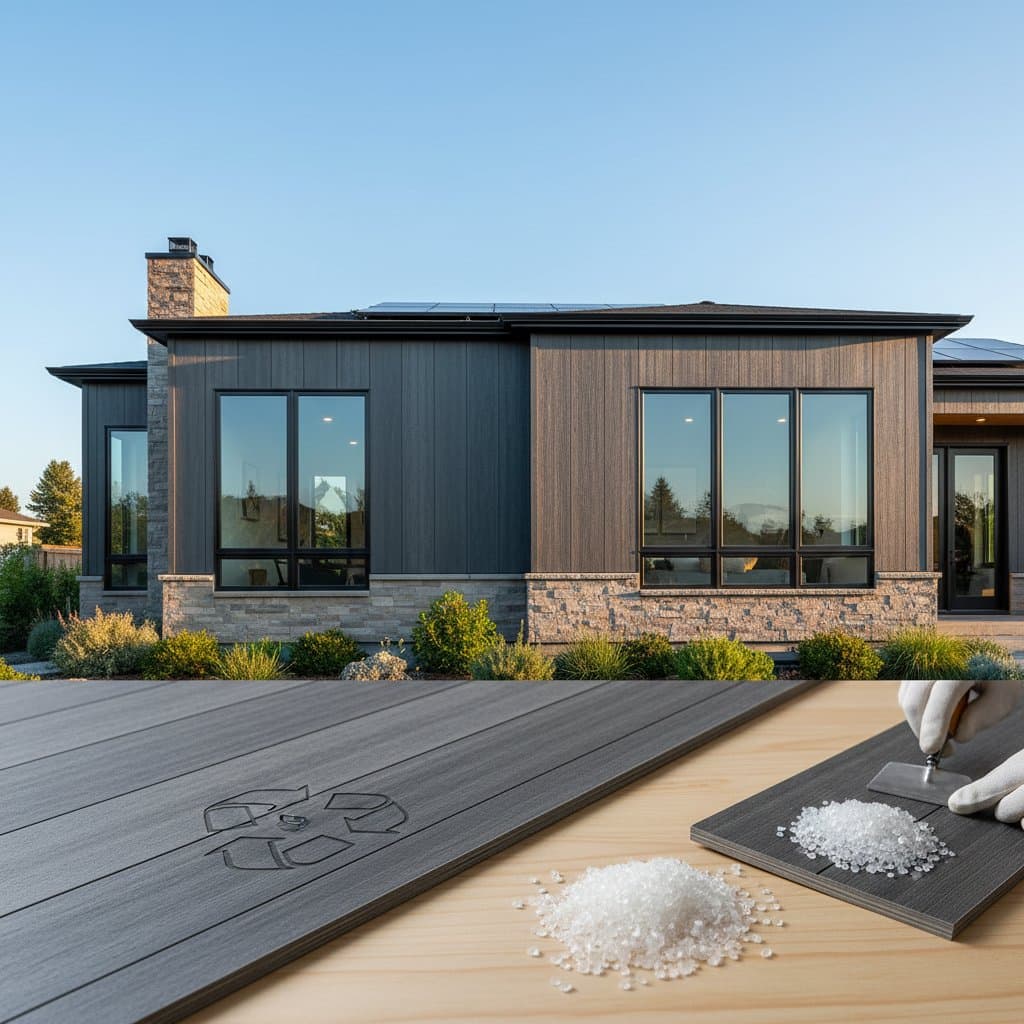
Recycled plastic siding addresses these issues via advanced engineering and ecological design. It incorporates post-consumer plastics, including bottles, films, and salvaged construction debris, to form durable panels. This approach redirects substantial plastic volumes from disposal sites while yielding a product that matches or surpasses legacy materials in performance.
What You Gain with Recycled Plastic Siding
-
Durability That Lasts Decades
The polymer structure prevents splitting, bending, and discoloration. Panels maintain form and hue amid intense solar exposure or severe weather events. -
Moisture and Pest Resistance
Lacking organic elements, this siding repels water absorption and insect infestation. It suits coastal, humid, or wooded locales effectively. -
Low Maintenance
Cleaning requires only mild soap and water application. No repainting, resealing, or board replacement proves necessary. -
Energy Efficiency
Combined with insulated backings, it diminishes heating and cooling needs. Such pairings often elevate wall insulation values by up to 10 percent. -
Eco-Conscious Manufacturing
Panels grant renewed purpose to waste plastics, curbing raw material demands and related greenhouse gas outputs.
Expert Tips to Boost Your Home's Eco-Efficiency
Recycled plastic siding extends beyond surface protection. Integrated strategically, it enhances overall systems for air sealing, thermal barriers, and humidity management. Consider these approaches to optimize returns:
1. Pair It with Continuous Insulation
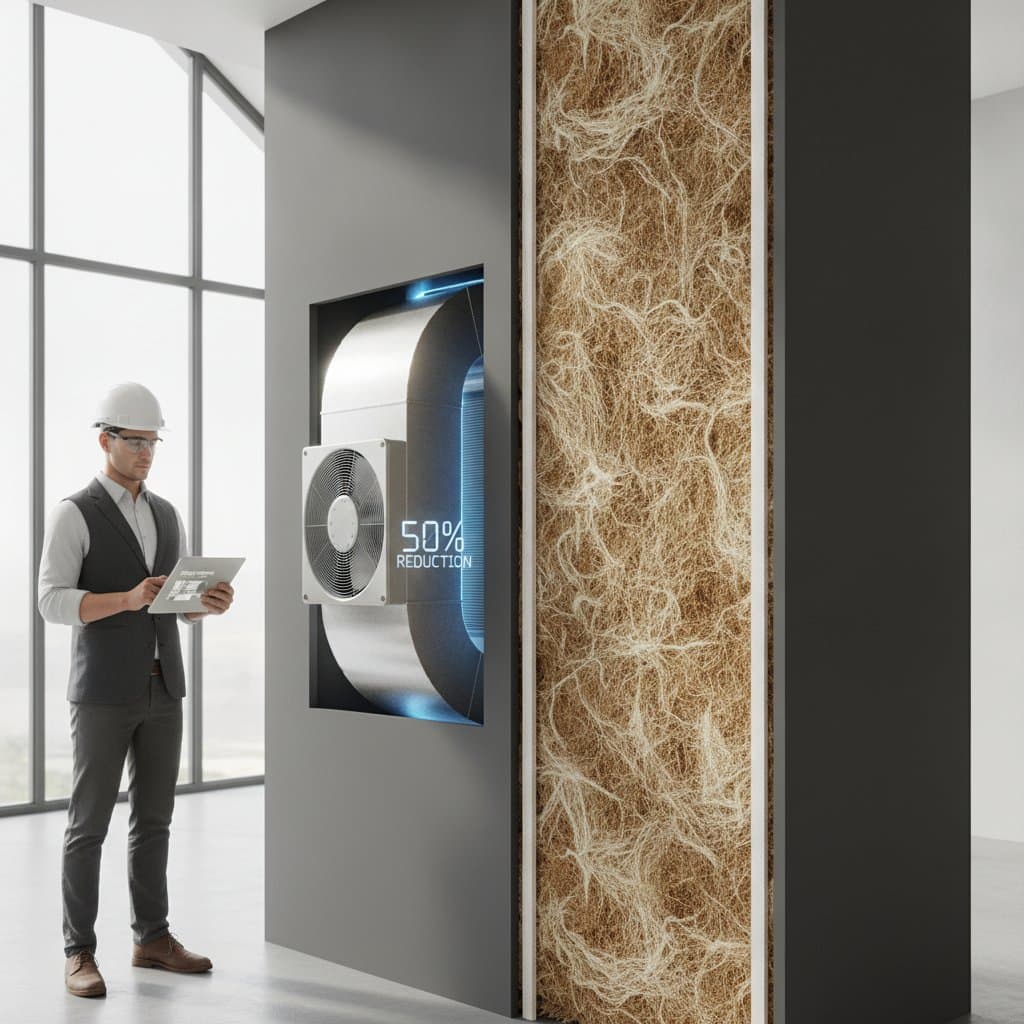
Position rigid insulation continuously beneath the siding to eliminate thermal bridges. This method stabilizes interior climates and cuts annual energy expenses by 15 to 20 percent.
2. Use High-Quality Fasteners and Flashing
Siding experiences minor expansion and contraction due to temperature variations. Stainless steel fasteners paired with adaptable flashing allow for this motion, averting leaks or fractures.
3. Choose UV-Stabilized Finishes
Incorporate ultraviolet blockers within the resin to safeguard against sun-induced fading. Confirm this attribute in products destined for areas with extended light exposure.
4. Ventilate the Wall Assembly
Facilitate air circulation behind panels to avoid moisture buildup or vapor condensation. Furring strips or rainscreen systems commonly establish this protective gap.
5. Source from Certified Manufacturers
Seek endorsements such as GreenCircle or Cradle to Cradle, which confirm recycled content and responsible production methods.
Regional Considerations for Maximum Performance
Local weather patterns influence exterior material choices distinctly. Tailoring selections to these factors ensures optimal outcomes.
- Humid Climates: Select pale shades for heat reflection and add water-repellent underlayers to inhibit mold development.
- Cold Regions: Secure seams tightly and layer insulation adequately to minimize heat escape and resist freeze-thaw cycles.
- Coastal Areas: Counter salt corrosion with resistant hardware and sealants to preserve component longevity.
- Arid Zones: Employ enhanced UV protection in formulations to guard against material stiffening from intense radiation.
In my advisory role, I advise consulting installers on these specifics prior to product selection. Aligning designs with site conditions determines project success.
The Environmental Impact: From Waste to Worth
Recycled plastic siding exemplifies circular economy ideals by repurposing plastics into lasting components. This strategy alleviates landfill burdens and preserves resources. Data indicates that 1,000 square feet of such siding reprocesses over 600 pounds of consumer waste, fostering local environmental progress.
Its production carbon footprint undercuts that of fresh vinyl or fiber cement. Paired with efficient construction techniques, it aids attainment of LEED, Green Globes, or regional certifications. Environmental designer Mia Lopez notes, "Recycled plastic siding represents the kind of innovation we need to meet both performance and climate objectives in residential construction."
Practical Considerations: Cost, Longevity, and Maintenance
Evaluate initial and extended expenses before committing. Installed recycled plastic siding ranges from $6 to $10 per square foot. Though pricier than basic vinyl initially, savings accrue via lessened upkeep and utility reductions. Across 20 years, overall costs may drop 30 to 40 percent relative to wood or fiber cement.
Integrated colorants eliminate repainting needs. Surfaces deter mold and dirt accumulation, needing just periodic rinsing. Manufacturers typically provide multi-decade warranties. This balance of fiscal and ecological merits distinguishes it among exterior choices.
Installation Insights from the Field
Superior materials falter without sound application. Focus on these field-tested priorities:
- Substrate Preparation: Ensure walls remain level, moisture-free, and stable. Surface flaws invite panel misalignment and water penetration.
- Expansion Gaps: Incorporate modest spaces at connections and edges for temperature-induced shifts.
- Proper Nailing Techniques: Avoid excessive force on fasteners to prevent panel deformation. Secure them firmly yet loosely for natural adjustment.
- Flashing and Caulking: Enclose openings like windows and doors to block moisture and improve sealing.
- Professional Oversight: Engage certified specialists versed in plastic systems unless possessing expert skills.
A seasoned contractor recently shared, "The biggest mistake I see is homeowners treating recycled plastic like vinyl. The detailing and thermal behavior are different, and precision matters."
Aesthetic Versatility That Matches Modern Design Trends
Style remains uncompromised with recycled plastic siding. Options include textures emulating cedar, stone, or sleek profiles. A broad array of hues, sheens, and dimensions accommodates modern or classic aesthetics.
Minimalist structures gain from crisp lines and gentle luster. Rustic settings benefit from textured wood simulations minus ongoing care. This adaptability fits diverse architectural intents.
The Broader Impact: Building Toward a Cooler Planet
Opting for recycled plastic siding influences more than individual properties. It propels industry-wide shifts toward resource stewardship and weather adaptability. Each project lessens waste disposal, manufacturing emissions, and virgin material reliance. Broader adoption strengthens recycling infrastructures.
At itsacoolerplanet.com, resources link users to qualified green professionals adept at material integration. Collaborating with such experts aligns projects with sustainability and visual standards.
Making It Happen: Your Next Steps Toward a Sustainable Exterior
To upgrade your home's facade, initiate with a comprehensive energy and material assessment. This identifies efficiency gaps and siding enhancement potential. Obtain proposals from verified suppliers detailing material sources, makeup, and green credentials.
When reviewing offers, weigh warranties, techniques, and insulation pairings alongside pricing. Solicit local references for climate-specific insights. These steps guide informed decisions for enduring, eco-effective results.
Frequently Asked Questions
What is recycled plastic siding made from?
It derives from post-consumer items like bottles and films, melted and reformed into panels that meet rigorous building codes.
How does it perform in extreme weather?
The material endures temperatures from -40°F to 140°F, resisting cracks, warps, and UV damage for reliable all-climate use.
Is installation more complex than traditional siding?
It follows similar processes but requires attention to expansion gaps and ventilation, best handled by experienced installers.
What warranties are available?
Most brands offer 25- to 50-year limited warranties covering fading, cracking, and structural integrity.