Key Points
- Recycled plastic siding redefines exterior durability and reduces landfill waste.
- Long-term savings offset the higher initial cost within about ten years.
- Maintenance needs are far lower than those for wood or fiber cement.
- Resistance to moisture, insects, and UV rays ensures performance in diverse climates.
- Return on investment strengthens with energy-efficient insulation and resilient designs.
The Challenge Every Homeowner Faces
Homeowners often confront weathered siding after seasons of exposure to moisture, sunlight, and temperature fluctuations. Paint flakes, boards warp, and repairs become a relentless cycle. Traditional materials offer aesthetic appeal, yet they demand frequent attention. Recycled plastic siding emerges as a solution, promising refreshed exteriors alongside tangible environmental and financial benefits.
Why Sustainable Siding Matters
Exterior cladding shapes curb appeal and serves as the primary barrier against wind, rain, and heat loss. Subpar performance drives up energy costs, conceals structural problems, and diminishes property value. Selecting appropriate siding involves both aesthetic choices and fiscal planning.
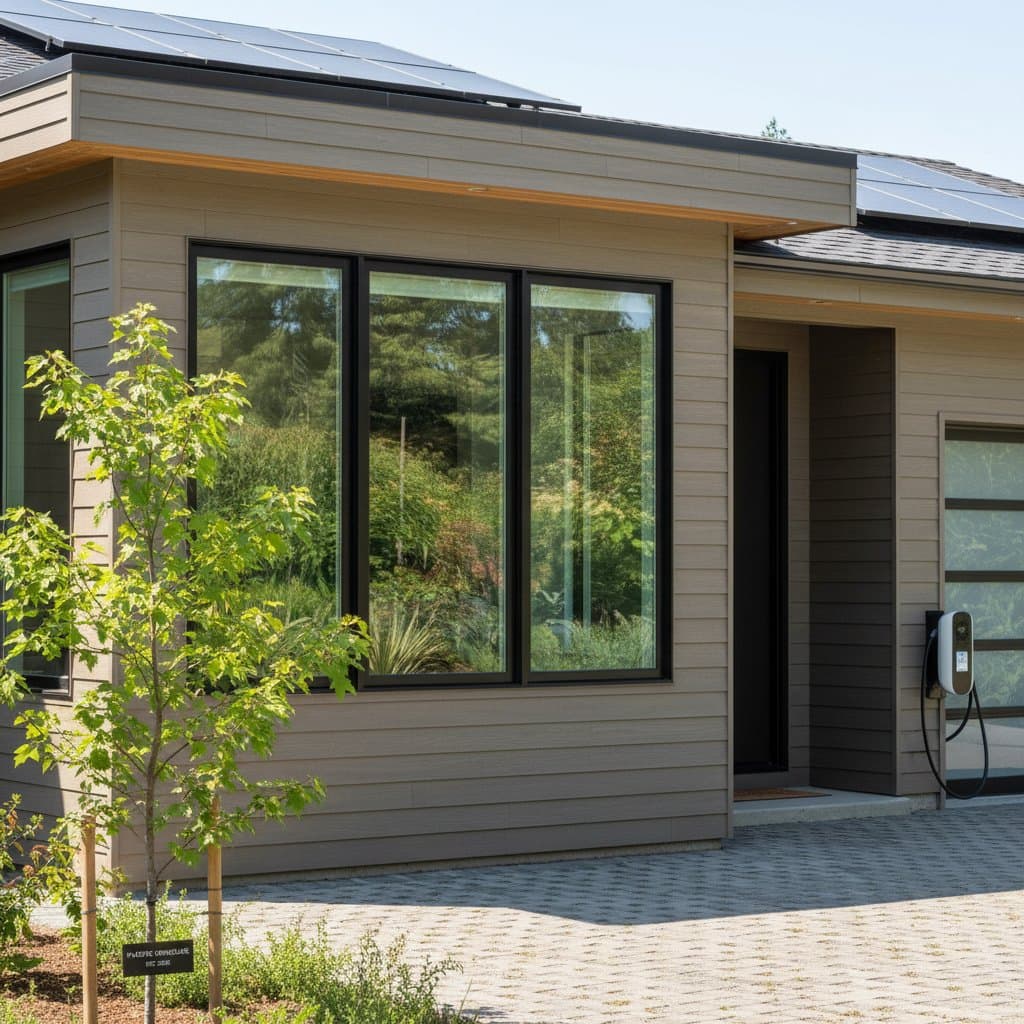
Recycled plastic siding aligns sustainability with robustness. It redirects waste from landfills, requires less production energy, and withstands environmental degradation better than conventional options. For those considering enduring investments, this choice addresses escalating material prices and growing ecological consciousness.
The Science Behind Recycled Plastic Durability
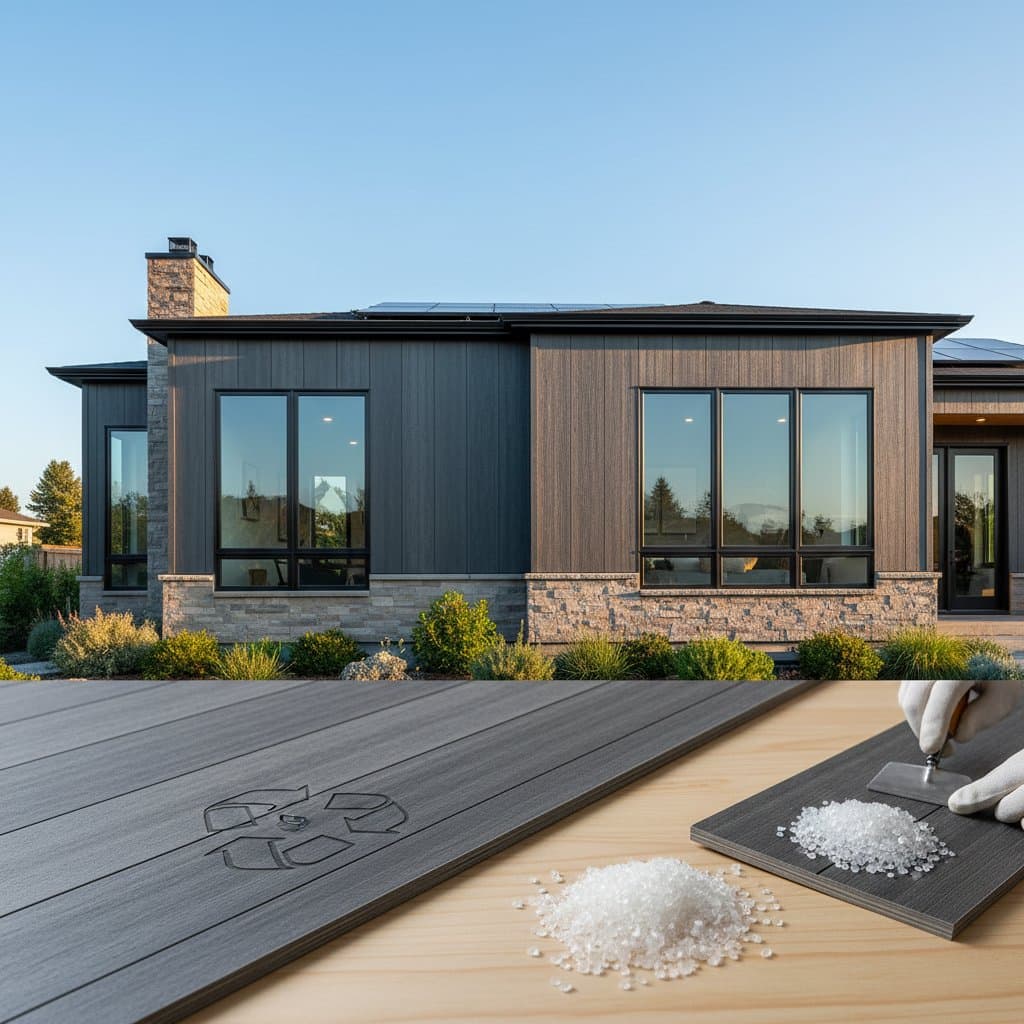
Recycled plastic siding derives from post-consumer plastics like polyethylene or polypropylene. These undergo cleaning and reforming into composite boards that replicate wood or stone textures. The outcome yields lightweight, stable panels ideal for cladding.
Key technical advantages include the following:
- Dimensional stability: Plastic composites experience minimal expansion and contraction, minimizing warping and cracks.
- Moisture resistance: Non-porous composition prevents water absorption, averting rot and mold.
- UV protection: Specialized coatings and additives maintain color and surface integrity.
- Thermal performance: Paired with suitable insulation, it enhances building efficiency by up to 15 percent, varying by installation and location.
Such properties prolong service life and cut maintenance, fostering cost savings and ecological gains.
Cost and Return on Investment
Initial costs for recycled plastic siding per square foot exceed those of vinyl or engineered wood by 15 to 25 percent. Pricing aligns between mid-range composites and high-end fiber cement, but longevity and reduced upkeep alter the equation.
Consider this ROI outline:
- Upfront investment: 15 to 25 percent above vinyl.
- Maintenance savings: Up to 50 percent less on repainting or resealing over 20 years.
- Energy efficiency: 10 to 20 percent lower heating and cooling expenses in integrated systems.
- Resale value: 3 to 7 percent uplift from sustainable features and buyer preferences.
These elements enable cost recovery within a decade for long-term owners, followed by sustained savings.
Comparing Material Options
Homeowners evaluate recycled plastic siding alongside established alternatives, each with distinct pros and cons.
- Vinyl: Affordable and simple to install, yet hard to recycle and prone to shorter life.
- Fiber cement: Superior fire resistance and upscale appearance, but heavy, costly to fit, and needing periodic sealing.
- Wood: Unrivaled natural charm, though susceptible to moisture and pests without regular care.
- Engineered wood: Better stability than solid wood, still vulnerable in harsh conditions.
- Recycled plastic: Exceptional durability, low upkeep, and eco-credentials, with potentially limited color options by brand.
This material strikes a balance of sustainability, function, and total cost, appealing to those prioritizing practicality over variety.
Environmental and Social Value
Every square foot of recycled plastic siding diverts waste from oceans and landfills. Producers repurpose bottles, packaging, and scraps into lasting components. This approach curbs virgin resource use and production emissions.
Socially, it bolsters circular economies through jobs in collection, processing, and eco-manufacturing. Homeowners thus link daily decisions to wider sustainability efforts, embodying contemporary improvement trends.
Installation and Maintenance Insights
Recycled plastic siding installs much like other systems, benefiting from its light weight and straightforward handling. Standard tools suffice for cutting, and interlocking designs aid precise placement. Moisture resistance allows broader installation windows without distortion risks.
Follow these maintenance steps:
- Clean with mild detergent and water as needed to clear debris.
- Steer clear of abrasive chemicals that might damage coatings.
- Check seams and fasteners yearly for firmness.
- Limit high-pressure washing to protect textures.
With correct setup and upkeep, panels endure decades, outlasting many rivals with little decline.
Health and Wellness Considerations
Siding selections impact indoor environments. Recycled plastic emits few volatile organic compounds, limiting chemical exposure versus treated alternatives. Improved thermal control stabilizes temperatures, aiding efficiency and comfort. For sensitive residents, lower mold risks around walls promote healthier homes.
Market Dynamics and Adoption Trends
Eco-materials transition from specialty to standard. Builders, designers, and owners incorporate them across budgets. Recycled plastic siding thrives by meeting performance and green criteria alike.
Professionals note inquiries on lifecycle expenses and certifications. Local incentives and lender programs further adoption. In weather-vulnerable areas, its resilience and ease prove particularly attractive.
Common Questions from Homeowners
Does recycled plastic siding fade over time? UV stabilizers curb discoloration effectively, though minor shifts may appear after prolonged exposure. Opt for neutral shades to sustain vibrancy.
Can it be painted? Painting proves unnecessary, but compatible products exist. Consult manufacturer guidelines first.
Is it fire resistant? It achieves typical safety standards, yet remains combustible. Confirm compliance with building codes.
What about recyclability at end of life? Designs facilitate full recycling upon removal, closing the loop.
Will it look plastic? Premium options employ textured, matte finishes mimicking natural materials, eschewing shine.
Steps to Upgrade Your Exterior
Assess existing siding condition and define goals for longevity, style, and eco-impact. Obtain quotes from qualified installers and scrutinize warranties. Seek certifications for recycled content and performance.
This siding transcends upgrades; it forms a strategy blending innovation with ownership priorities. New builds or renovations gain resilience and sustainability through this choice.