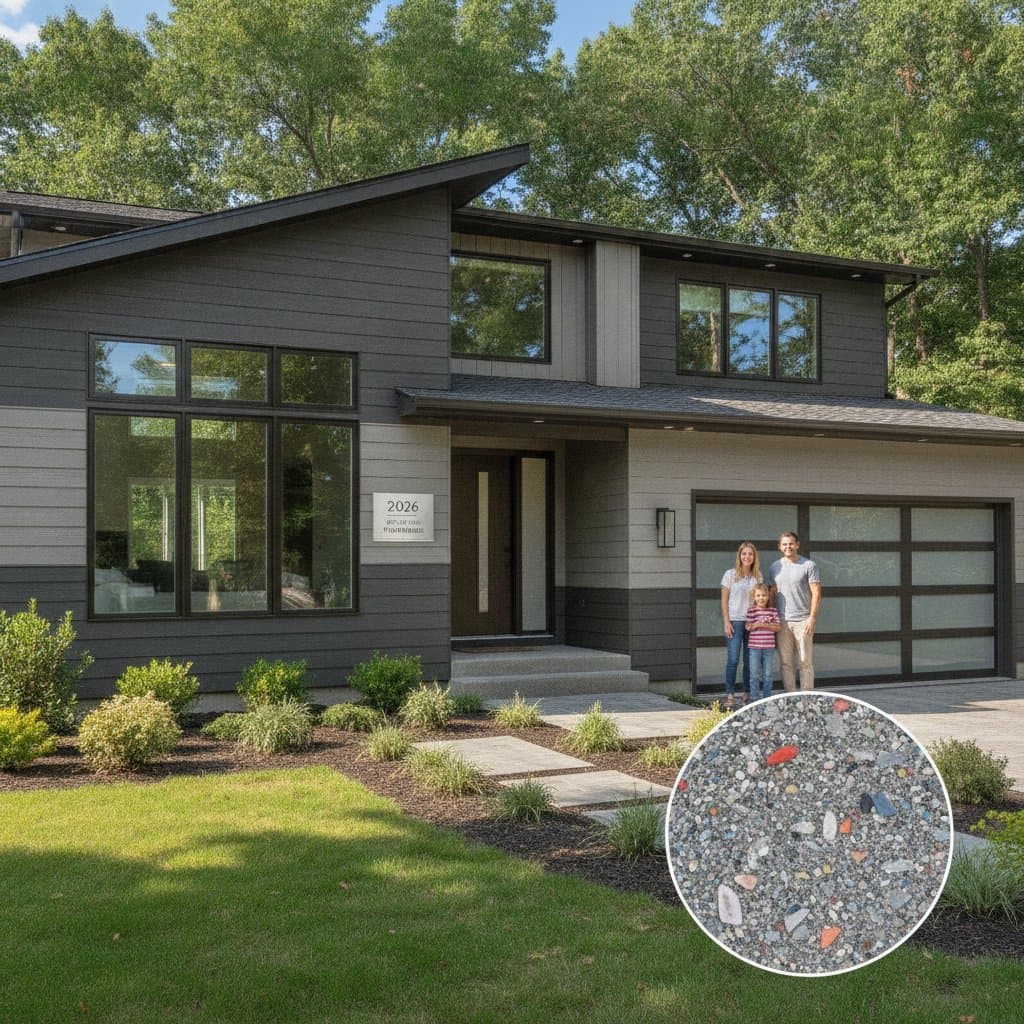
Key Advantages of Recycled Plastic Siding
- Material and labor expenses drop by about 25 percent when compared with wood, fiber cement, or premium vinyl options.
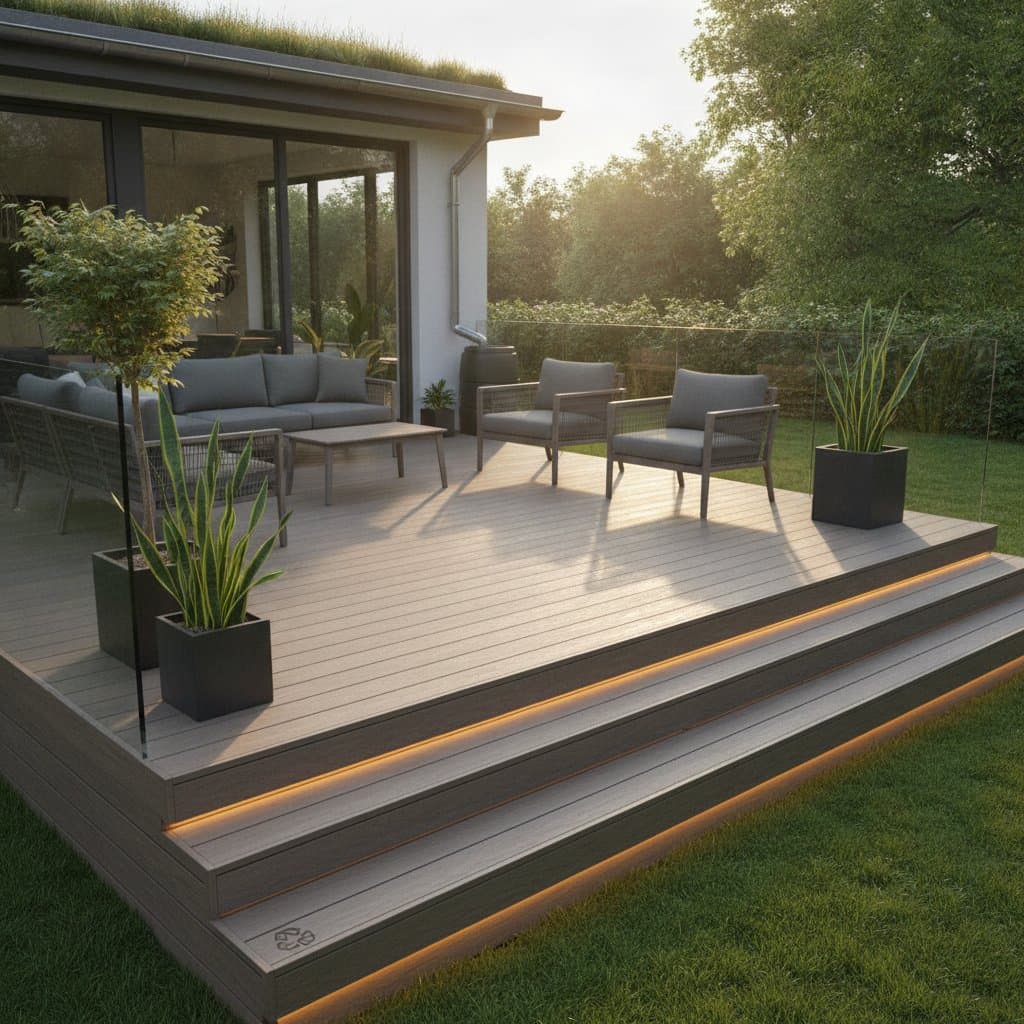
- Advanced composites now deliver wood like textures and colors that hold up under sun, wind, and moisture.
- Correct installation plus compatible insulation layers improve energy performance and reduce future repair needs.
- Resistance to rot, insects, and fading lowers upkeep to simple washing over a 40 year lifespan.
Why Homeowners Choose Recycled Plastic Siding
Traditional siding choices each carry trade offs. Wood requires frequent sealing. Vinyl can distort in extreme temperatures. Fiber cement adds significant weight and installation expense. Recycled plastic siding combines lower upfront cost with long term durability. Manufacturers clean and reprocess post consumer plastics into panels that replicate natural grain or modern profiles.
Owners report savings near 25 percent across the full project when initial purchase price and reduced maintenance are combined. The material also diverts plastic waste from landfills and lowers the energy required to produce new panels.
Cost Comparison and Long Term Value
Material prices for recycled plastic siding average 6 to 10 dollars per square foot installed. Comparable fiber cement or engineered wood often reach 10 to 14 dollars for the same area. Maintenance remains minimal because the surface needs only occasional cleaning rather than repainting cycles that can cost several hundred dollars every few years.
A properly installed system lasts 40 to 50 years. Homes featuring updated sustainable exteriors recover 70 to 80 percent of the investment at resale, particularly among buyers who value lower operating costs.
Critical Project Decisions
- Verify that installers follow manufacturer spacing and fastening instructions to preserve expansion allowances.
- Confirm the existing sheathing is dry and sound before new panels are applied.
- Select stainless steel or color matched composite fasteners to avoid rust marks.
- Review warranty terms for fade, impact, and structural coverage that extend 30 to 50 years.
- Confirm the chosen product meets local requirements for wind load and fire resistance.
Common Questions Answered
How does recycled plastic siding differ from vinyl siding?
Vinyl siding is produced from virgin PVC. Recycled plastic siding uses reclaimed polyethylene and polypropylene. The resulting panels are thicker, more stable in temperature changes, and carry a smaller manufacturing footprint.
Is professional installation required?
Some interlocking systems allow experienced do it yourself work. Professional crews ensure proper flashing, ventilation, and moisture management that protect warranty coverage.
Does the material perform in fire prone regions?
Most products achieve standard flame spread ratings. High risk zones require assemblies that carry additional third party fire testing approval.
How does temperature affect the panels?
All plastics expand and contract. Manufacturers incorporate slotted fastening systems that accommodate movement without buckling or gaps.
What routine care is needed?
Periodic washing with mild soap and water maintains appearance. Abrasive cleaners are avoided. No painting or sealing is necessary.
Will color remain consistent?
Quality formulations include UV stabilizers. Color extends through the full thickness so minor surface wear stays inconspicuous.
Next Steps for Your Project
Collect samples from several suppliers and view them outdoors at different times of day. Compare thickness, texture, warranty length, and third party certifications alongside price. Coordinate the siding upgrade with insulation improvements and trim selections to achieve a unified result. Many owners note the reduction in seasonal maintenance tasks while the exterior retains a fresh appearance year after year.