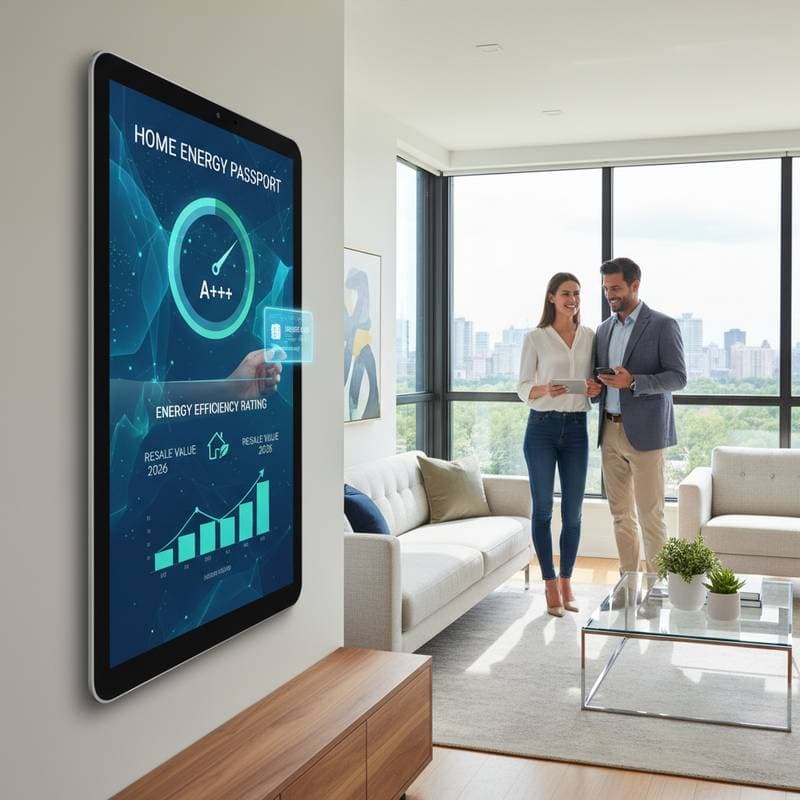
Energy Passports Now Drive Home Resale Premiums
Key Points
- Home Energy Passports are becoming a defining feature of real estate valuation.
- Buyers are prioritizing verified energy performance, not just curb appeal.
- Homes with documented efficiency can see resale premiums of 5 to 15 percent.
- Early adoption can protect property value and cut ownership costs long term.
- Sellers who understand certification, data transparency, and upgrade ROI will lead the next housing cycle.
When Your Home Energy Record Becomes Its New Appraisal
Imagine walking into an open house where the agent hands you a sleek digital file showing the home insulation grade, air sealing score, and solar contribution data. It reads like a car service history, only for your home energy performance. This is not a futuristic perk. The Home Energy Passport is fast becoming the new language of real estate credibility.
For homeowners this shift introduces both a challenge and an opportunity. The challenge is understanding what this passport means and how it influences resale value. The opportunity lies in using it to command higher prices, reduce operating costs, and appeal to a new generation of energy conscious buyers.
Why Energy Passports Are Reshaping Home Value
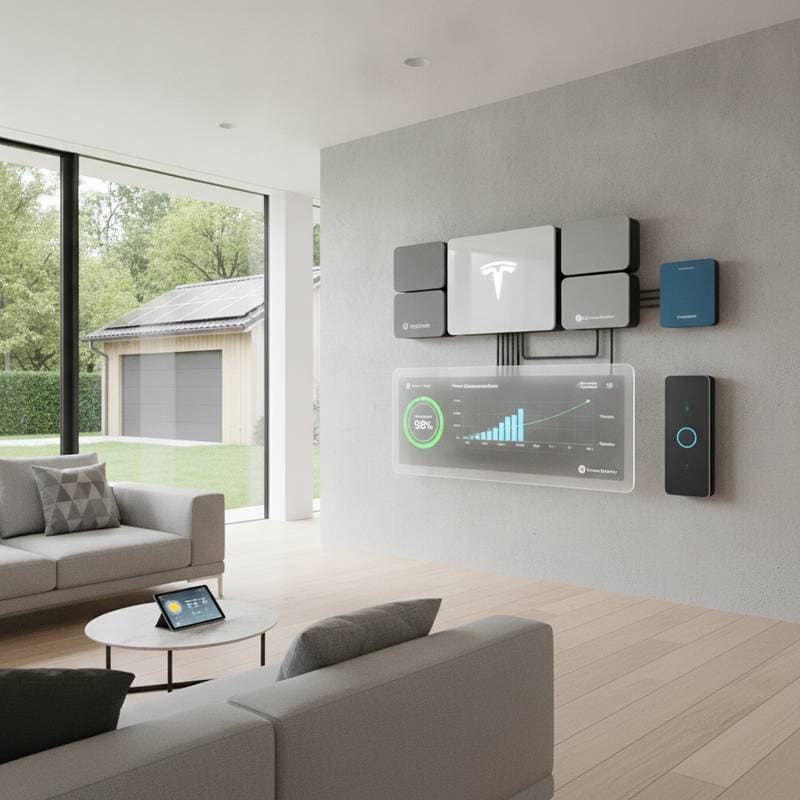
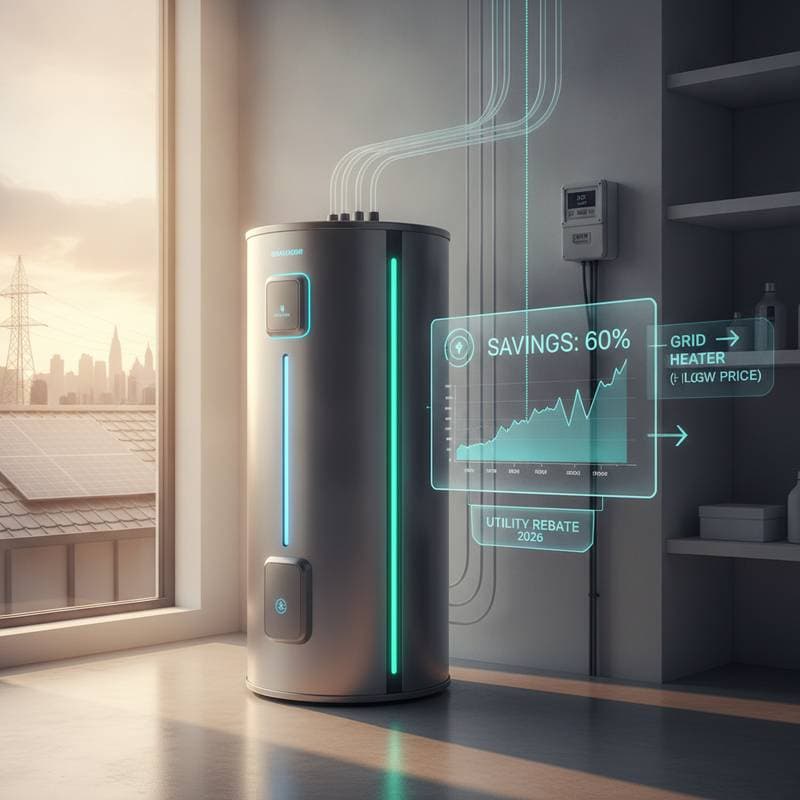
A Home Energy Passport is a verified record of a property energy performance. It documents insulation levels, HVAC efficiency, renewable energy integration, and even smart system functionality. Lenders and appraisers are beginning to view this data as a key valuation factor because it reflects ongoing cost efficiency and comfort.
Buyers now look beyond square footage and finishes. They want evidence that a home operates efficiently, remains comfortable year round, and will not surprise them with high utility bills. In competitive markets homes with verified efficiency often sell faster and command measurable premiums. Analysts estimate that an energy certified home can add 5 to 15 percent to resale value depending on climate zone and local demand.
The Real ROI Behind Energy Documentation
Energy upgrades have always promised savings, but without standardized proof sellers had to rely on vague claims. The passport formalizes those claims into verifiable data. Consider three tiers of improvement.
- Entry level efficiency includes air sealing, LED lighting, and basic insulation upgrades. Typical upfront cost ranges between 2000 and 5000 dollars and delivers 10 to 20 percent annual energy savings.
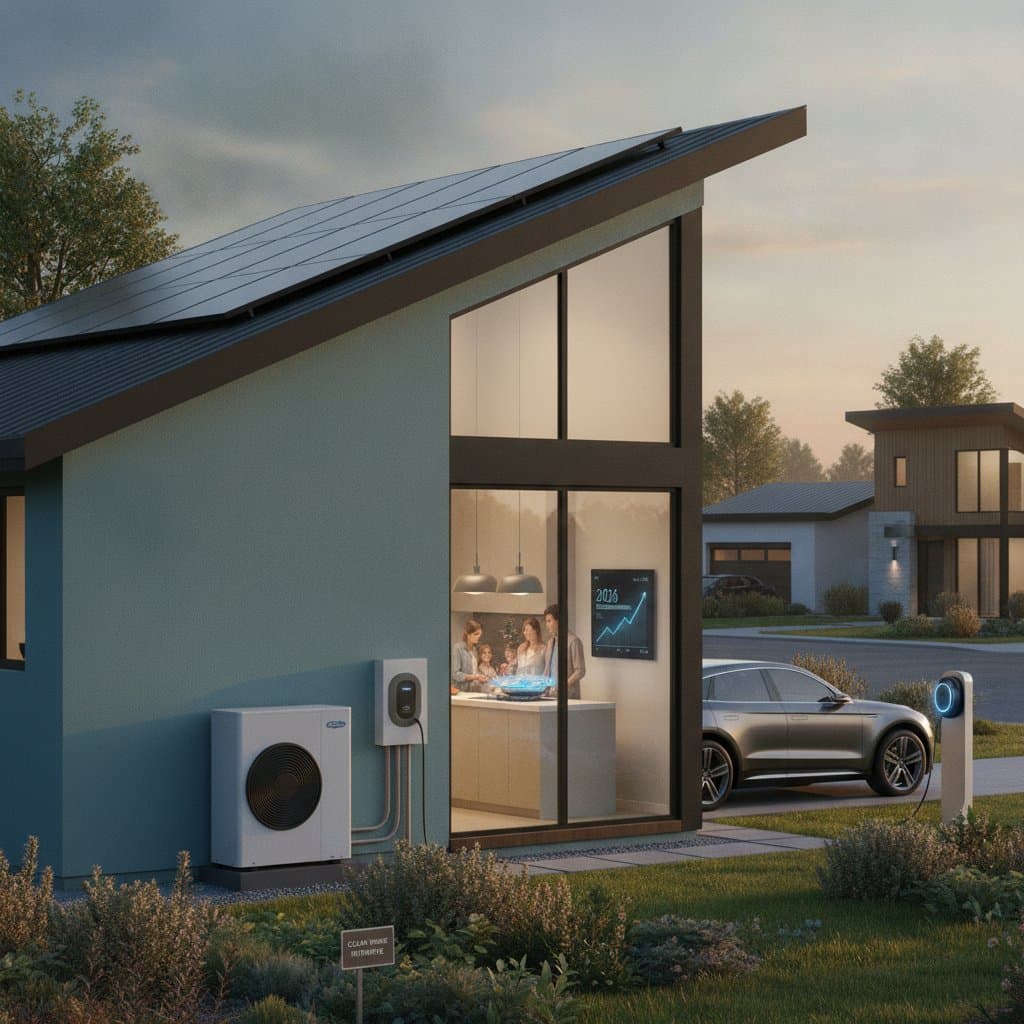
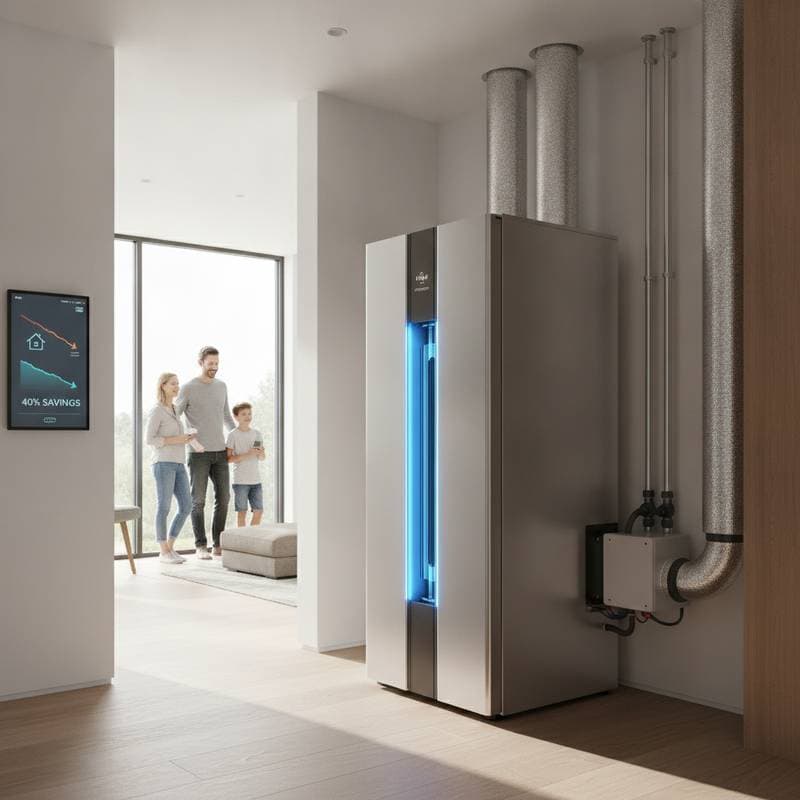
- Mid range improvements cover heat pump systems, low emissivity windows, and smart thermostats. Investment falls between 8000 and 20000 dollars with potential ROI of 7 to 10 years through lower utility bills.
- High performance retrofits involve solar integration, battery storage, and advanced envelope sealing. Cost can exceed 30000 dollars but can yield long term payback plus strong resale differentiation.
The passport captures these improvements and translates them into a performance rating that future buyers can trust. This transparency helps justify pricing and strengthens negotiations.
Market Credibility Through Verified Data
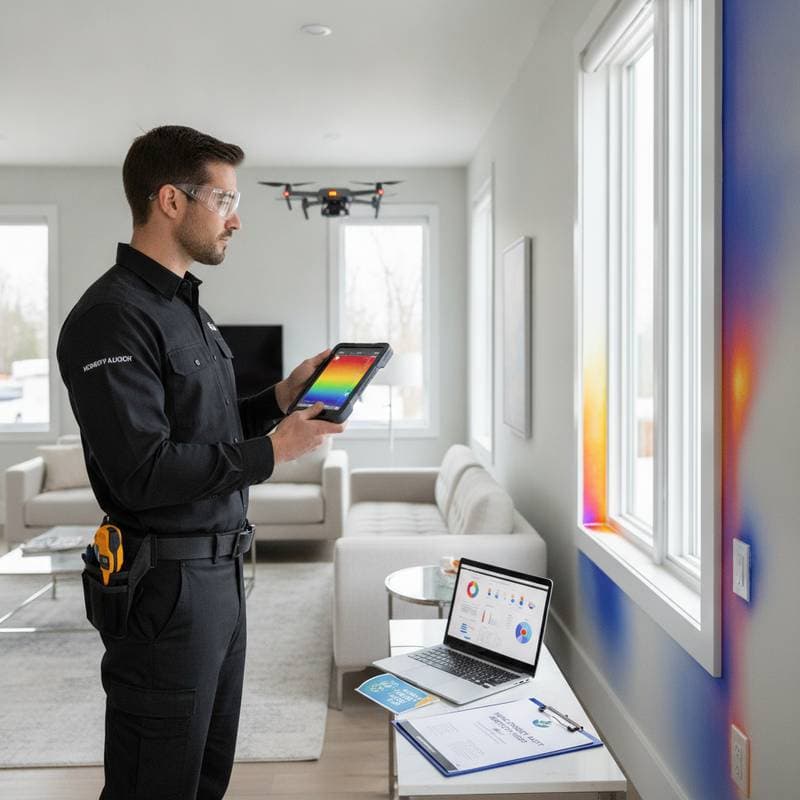
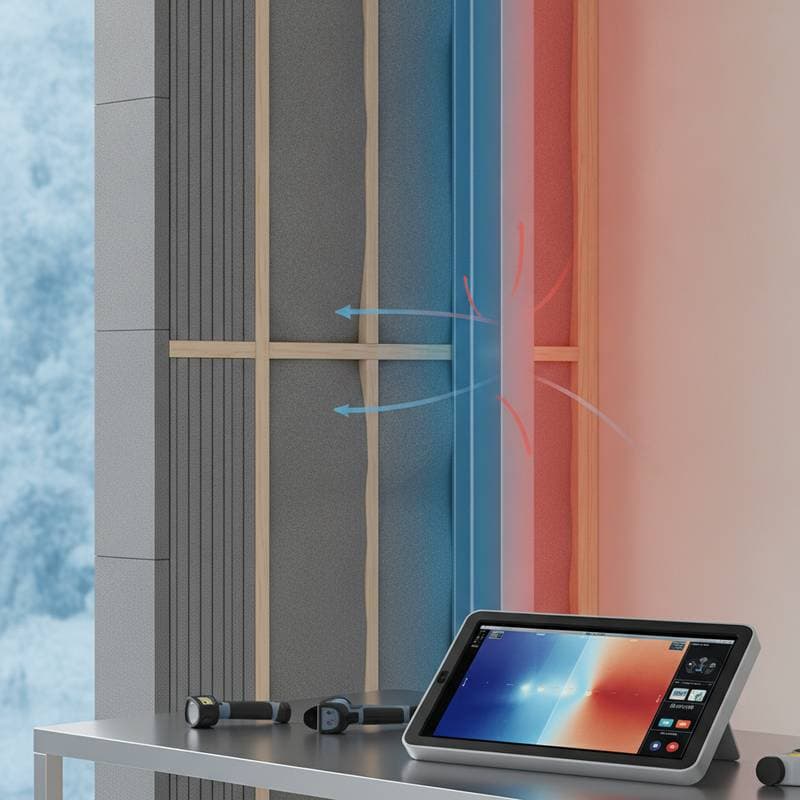
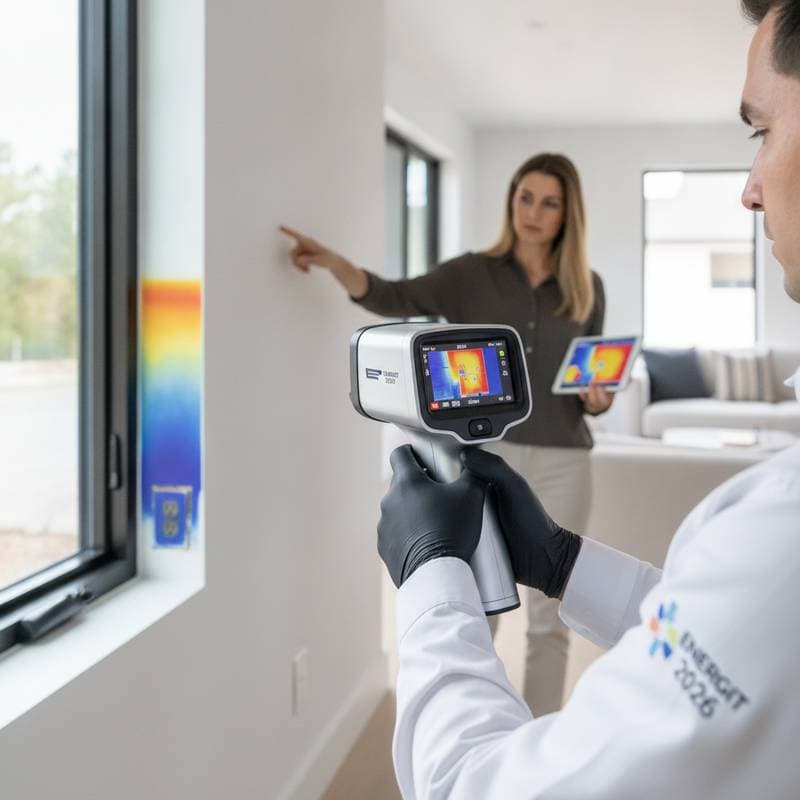
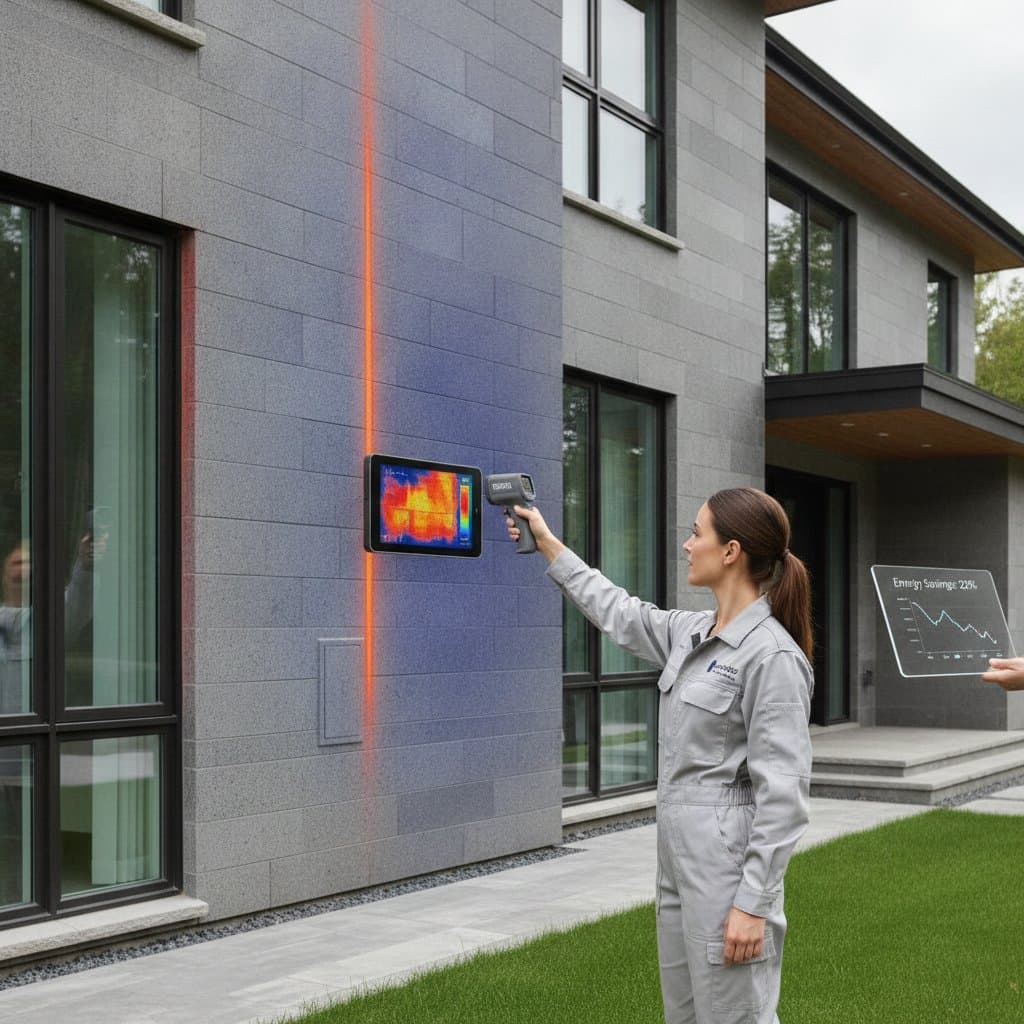
Professional verification gives the passport its authority. Certified energy auditors conduct assessments using standardized metrics similar to those found in recognized building performance programs. The process typically includes blower door testing, thermal imaging, and equipment calibration. The resulting score provides a clear comparable measure of efficiency.
As governments and financial institutions continue to encourage low emission housing these verified documents will likely become a prerequisite for certain mortgage products and property listings. Early adopters will benefit most because their homes will already meet anticipated standards while others scramble to catch up.
Health Comfort and Longevity Benefits
The passport does more than measure efficiency. It reflects overall living quality. Homes with balanced ventilation, superior air filtration, and moisture control are not only cheaper to operate but also healthier to live in. Improved air quality reduces allergens and pollutants and balanced humidity prevents structural deterioration. These performance features protect long term value by reducing maintenance costs and preserving materials.
Durability matters in resale conversations. A home with documented low moisture intrusion and consistent temperature regulation will age better which translates into fewer repair demands for future owners. Buyers read that data as reliability the same way they value a car with a clean service record.
Regional and Economic Factors
Local energy costs climate and regulatory frameworks all influence the passport market importance. In colder zones insulation and heat retention scores carry greater weight. In warmer areas cooling efficiency and reflective roofing matter more. Regardless of region the passport offers a universal metric that helps buyers compare properties fairly.
From a financial perspective as energy prices fluctuate and grid demands grow efficient homes provide a hedge against operating cost volatility. That reliability adds tangible value in uncertain markets where predictable ownership expenses are increasingly desirable.
Preparing Your Home for Energy Certification
If you plan to sell or refinance consider commissioning an energy assessment now. Start with an audit that identifies weak points like air leaks or outdated HVAC components. Addressing these issues before formal certification can improve your rating and enhance buyer confidence.
Homeowners should also keep detailed records of improvements materials and contractor credentials. These details strengthen the credibility of the passport and demonstrate diligence to prospective buyers.
Taking the Next Steps Toward Certification
Owning a home with a strong energy passport is more than an environmental statement. It is a financial strategy that merges comfort health and sustainability into measurable equity.
Start small if needed but start intentionally. Schedule an audit seal what leaks upgrade where it counts and document every improvement. When the next buyer walks through your door you will not just be showing them a home.