Key Points
- Hempcrete captures and sequesters carbon while delivering exceptional thermal insulation.
- Composed of hemp hurd, lime, and water, it forms a lightweight, permeable system that manages temperature and moisture effectively.
- As a renewable option, it minimizes embodied carbon and enhances indoor air quality.
- Suitable for new builds or renovations, its initial costs yield savings through reduced energy use and extended lifespan.
The Rise of Carbon-Sequestering Insulation
Imagine entering a residence where the atmosphere remains fresh and equilibrated, the walls permit natural vapor exchange, and the construction elements actively sequester atmospheric carbon. In my role as a green building specialist, I frequently encounter clients seeking precisely this outcome. Hempcrete, a material with deep roots in agricultural practices, provides that solution.
Traditional insulations often retain excess moisture or diminish in effectiveness with age, contributing to elevated utility expenses. Hempcrete addresses these challenges by integrating carbon management directly into structural performance. Based on extensive field experience, this plant-derived composite represents more than an experimental choice; it serves as a cornerstone for environmentally responsible habitats.
Market Shift Toward Hempcrete Adoption
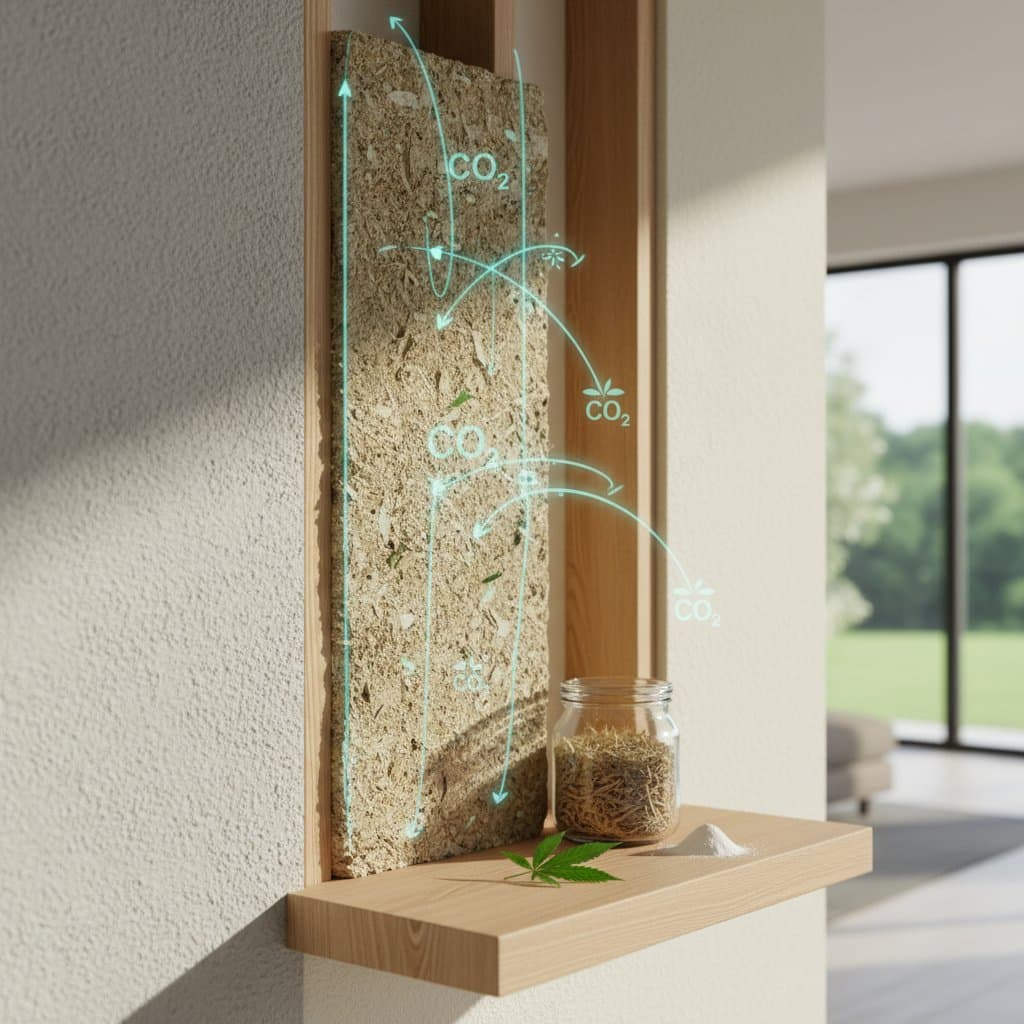
Property owners and construction professionals increasingly prioritize materials that excel in function without environmental detriment. While concrete offers robustness, its manufacturing process releases substantial carbon emissions. Hempcrete counters this by sequestering carbon throughout its lifecycle. Hemp cultivation absorbs carbon dioxide, and the lime binder facilitates ongoing absorption during the curing phase, rendering every wall an operational carbon repository.
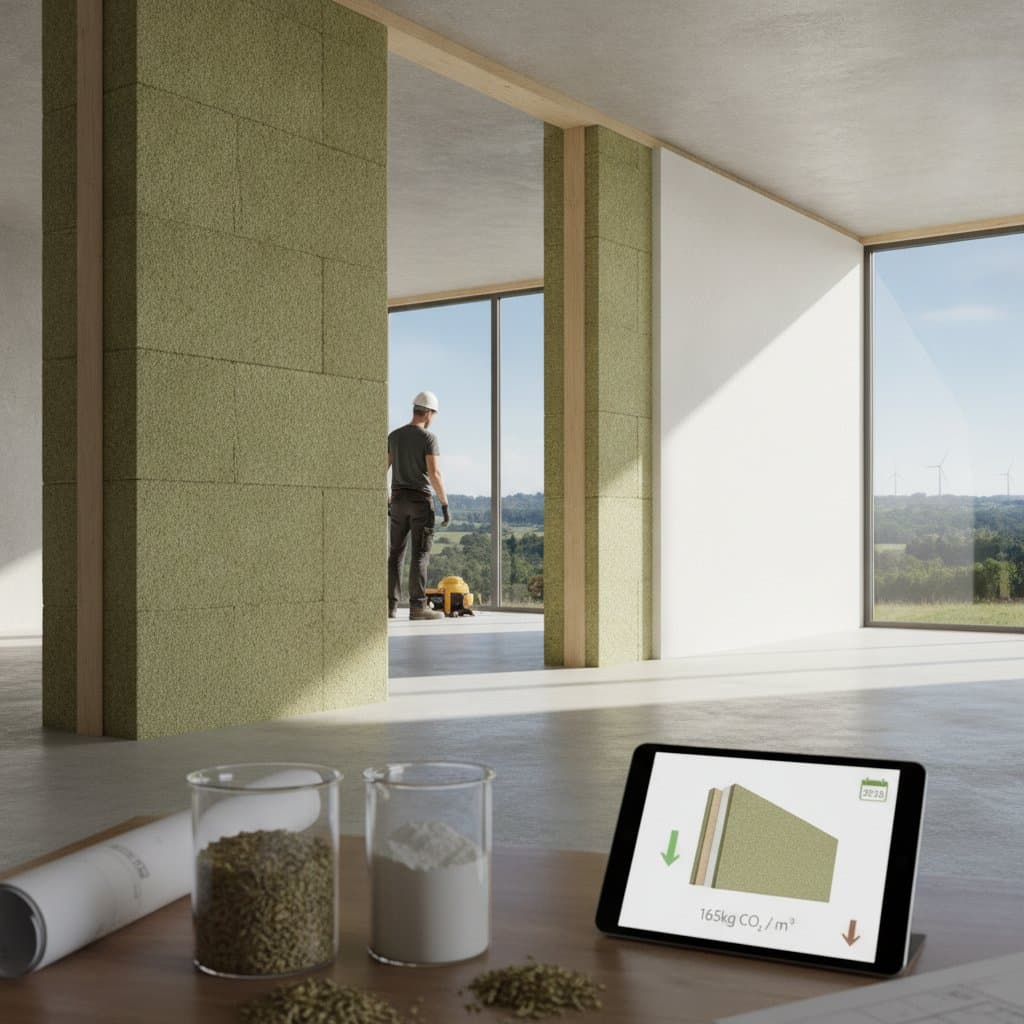
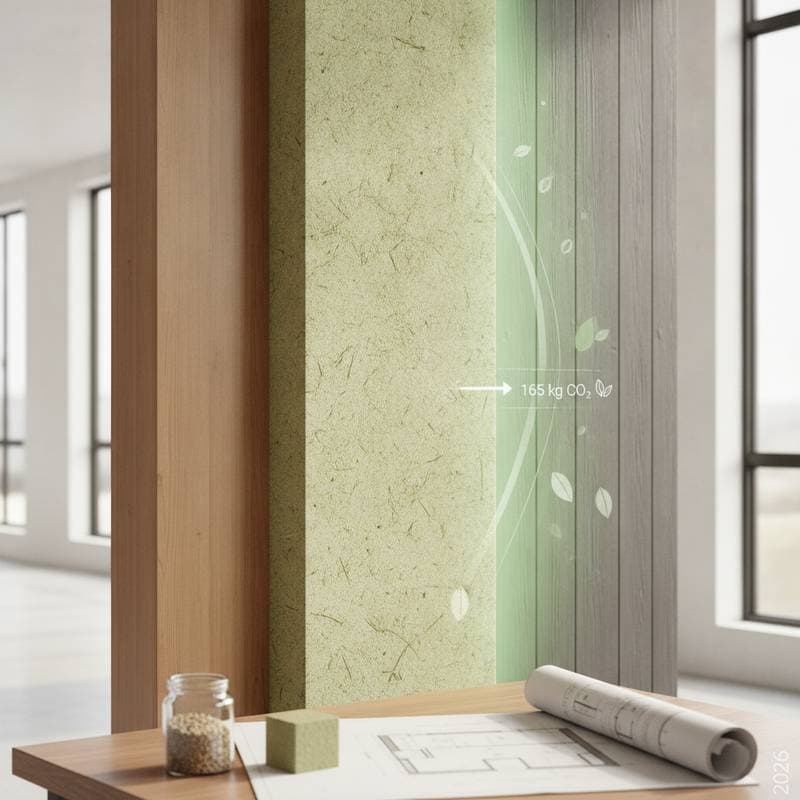
Research from the sector indicates that hempcrete sequesters approximately 100 kilograms of carbon dioxide per cubic meter. This capacity, coupled with inherent fire resistance and pest repellence, accounts for its integration into environmentally aware projects in varied geographic settings.
Scientific Foundations of Hempcrete Efficacy
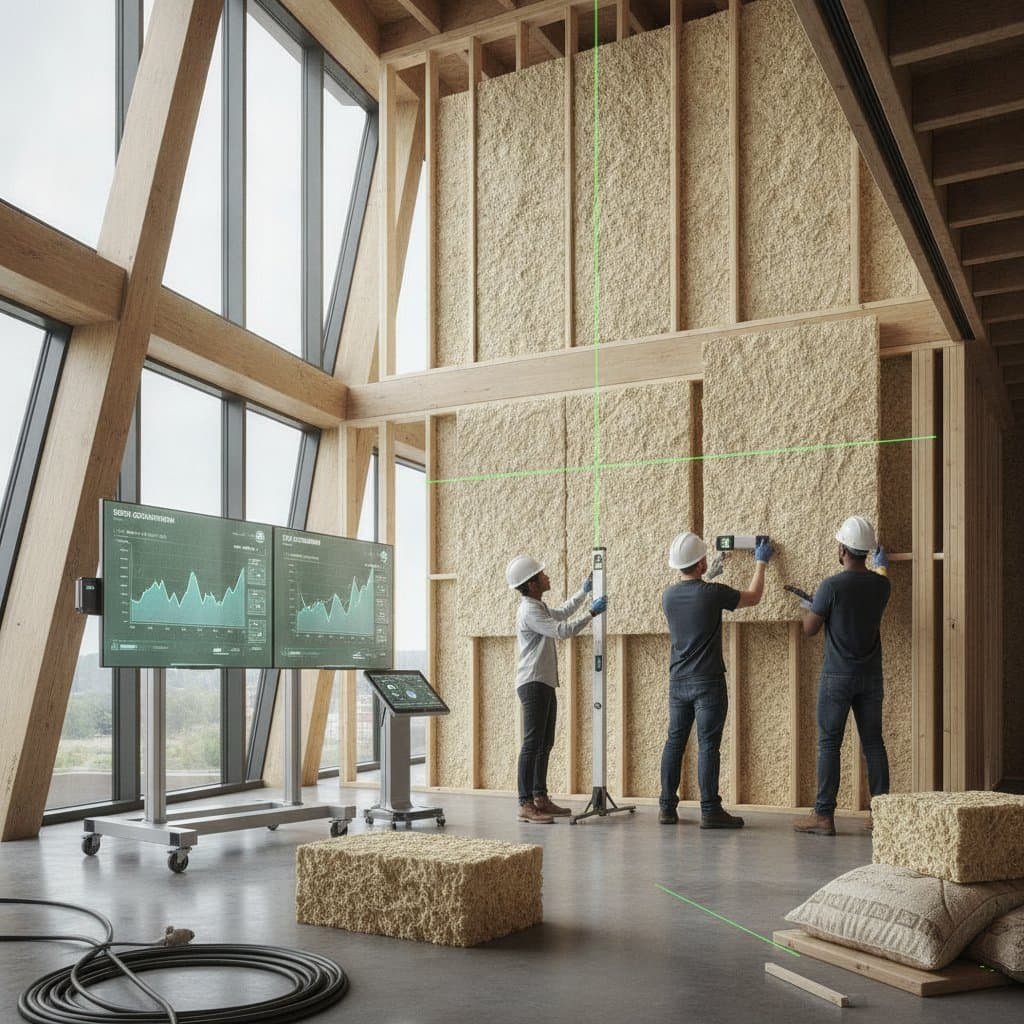
Hempcrete emerges from mixing hemp hurd, the fibrous inner stalk of the hemp plant, with lime and water. Applied as infill within a structural framework, it solidifies into a low-density, vapor-open assembly. This yields a composition boasting a respectable R-value, which measures resistance to heat flow and often matches or exceeds that of standard insulations, depending on formulation density.
Its standout feature is vapor permeability, which enables moisture to traverse the walls freely and avert mold formation while stabilizing interior humidity levels. Envision it as an insulating layer that facilitates respiration. Such dynamic interaction maintains cooler interiors in summer and retains warmth in winter, optimizing comfort year-round.
Strategies to Enhance Residential Sustainability
- Conduct an energy assessment to pinpoint heat loss or moisture retention areas prior to material selections.
- Account for increased wall dimensions, typically 12 inches, to maximize insulating properties while adapting architectural plans accordingly.
- Apply permeable surface treatments like lime plaster or clay renders to preserve vapor movement and steer clear of moisture-trapping synthetic coatings.
- Integrate with alternative energy sources, such as photovoltaic arrays or ground-source heat systems, to approach energy-neutral operations.
Implementation Factors for Professionals and Residents
From my perspective as a green building authority, evaluate finances and regional weather patterns at the outset. Installed hempcrete generally ranges from $120 to $150 per cubic meter, influenced by workforce rates and locale. Although this surpasses initial outlays for materials like fiberglass or foam, energy reductions typically recoup the investment over ten years.
The process demands extended curing periods, spanning weeks, particularly in moist environments, before final surfacing. This timeframe ensures structural integrity and translates to prolonged service with scant upkeep. Additionally, the absence of volatile organic compounds, along with natural defenses against fire and insects, enhances safety. Construction teams value its handling simplicity, free from the inhalation risks associated with fiberglass.
Advantages Across Geographic Zones
In moisture-prone seaside areas, the material's vapor openness mitigates condensation and material breakdown risks. In dry regions, its thermal inertia moderates diurnal temperature fluctuations, sustaining livable conditions with reduced reliance on air conditioning. Hempcrete accommodates diverse locales by harmonizing with ambient factors instead of opposing them.
Sustainability-oriented groups appreciate its alignment with regenerative construction principles. Hemp matures rapidly, demands minimal irrigation, and improves soil vitality. Local procurement further curtails transport-related emissions, amplifying overall carbon efficiency.
Comparative Analysis with Alternative Eco-Insulations
Contrasted with options like cellulose, cork, or sheep's wool, hempcrete distinguishes itself through persistent carbon sequestration. Cellulose utilizes recycled paper for insulation yet ceases carbon uptake post-installation. Cork provides solid thermal barriers but faces availability constraints. Hempcrete merges renewability, resilience, and active carbon storage into a unified solution.
As sustainable materials expert Dr. Lisa Moreno observes, "Hempcrete shifts the dialogue from emission mitigation to deliberate sequestration. Each cubic meter advances the effort to offset atmospheric carbon." This viewpoint inspires professionals pursuing carbon-positive outcomes.
Executing Hempcrete Projects Effectively
To initiate a hempcrete application, engage a specialist versed in botanical composites. Professionals on our network can furnish obligation-free assessments, analyzing project objectives, environmental variables, and specifications for wall depth, blend proportions, and frame compatibility.
Effective outcomes hinge on comprehensive planning. Hempcrete excels within an integrated building envelope that incorporates airflow, solar control, and power production. Pairing it with passive solar orientation or indigenous ventilation routes amplifies its ecological impacts.
Through practical engagements, I have witnessed renovations evolve into contemporary, permeable refuges that demand less power and attune more closely to natural rhythms. Hempcrete facilitates such evolutions, delivering enduring protection and well-being that appreciate with time. Selecting it equates to fortifying both household security and planetary health.