Why Recycled Plastic Roofs Outperform Traditional Materials in 2026
Introduction to Sustainable Roofing Solutions
Homeowners face increasing pressure to balance environmental impact with practical needs. Traditional roofing materials like asphalt shingles and clay tiles have served for decades, yet they present limitations in sustainability and efficiency. Recycled plastic roofs emerge as a superior alternative, crafted from post-consumer plastics to offer enhanced performance without compromising the planet.
These innovative roofs transform waste into durable coverings that withstand harsh weather. They reduce landfill contributions and promote a circular economy. As 2026 approaches, builders and residents recognize their potential to elevate home design and value.
The Composition and Manufacturing Process
Recycled plastic roofs consist primarily of high-density polyethylene and polypropylene sourced from items such as bottles and packaging. Manufacturers collect these materials, clean them thoroughly, and process them into uniform pellets. The pellets then undergo extrusion or molding to form shingles, tiles, or panels tailored for residential use.
This process requires less energy than producing virgin plastics or mining natural resources for traditional roofs. Factories often integrate solar power to minimize their carbon footprint. The result yields products that maintain structural integrity for over 50 years, far exceeding the lifespan of many conventional options.
Durability Advantages Over Traditional Materials
Traditional roofs succumb to elements like UV radiation, heavy rain, and temperature fluctuations, often requiring repairs within 20 to 30 years. Recycled plastic roofs resist cracking, fading, and warping due to their inherent flexibility and chemical stability. They endure extreme conditions, from scorching summers to freezing winters, without losing form.
Installation proves simpler with lightweight panels that reduce labor costs by up to 30 percent. Unlike heavy slate or concrete tiles, these roofs impose less strain on home structures, allowing application on older buildings. Maintenance involves basic cleaning, eliminating the need for frequent inspections or replacements.
Key Durability Metrics
- Impact Resistance: Withstands hail up to two inches in diameter, outperforming asphalt by a factor of five.
- Fire Rating: Achieves Class A fire resistance, matching or exceeding metal roofs.
- Wind Tolerance: Secures against gusts over 150 miles per hour, ideal for coastal regions.
Energy Efficiency and Cost Savings
Energy consumption ranks high among homeowner concerns, especially with rising utility bills. Recycled plastic roofs reflect solar heat, lowering indoor temperatures by 20 to 30 degrees Fahrenheit in summer. This reflective property, known as cool roofing, decreases reliance on air conditioning and cuts energy costs annually by 15 to 25 percent.
In winter, these roofs provide insulation that retains warmth, further reducing heating expenses. Traditional materials absorb heat, driving up energy use and contributing to urban heat islands. Over a decade, the savings from recycled plastic options can total thousands of dollars, offsetting initial installation fees.
Homeowners also benefit from potential rebates and incentives for green building materials. Insurance premiums may decrease due to lower risk of damage. These factors position recycled plastic roofs as a financially sound choice for long-term ownership.
Environmental Benefits and Sustainability Impact
The shift to recycled plastics addresses the global plastic waste crisis, with over 300 million tons produced yearly. By repurposing 90 percent post-consumer content, these roofs divert materials from oceans and landfills. Production emits 70 percent less greenhouse gases compared to traditional manufacturing.
Biodiversity gains from reduced mining for clay or quarrying for slate. These roofs support LEED certification, appealing to eco-conscious buyers. As regulations tighten on waste management by 2026, adopting such materials ensures compliance and future-proofs properties.
Water conservation enters the equation too, as manufacturing uses 50 percent less water than conventional processes. The overall lifecycle, from creation to disposal, emphasizes recyclability, allowing end-of-life panels to reenter the production cycle seamlessly.
Aesthetic and Design Flexibility
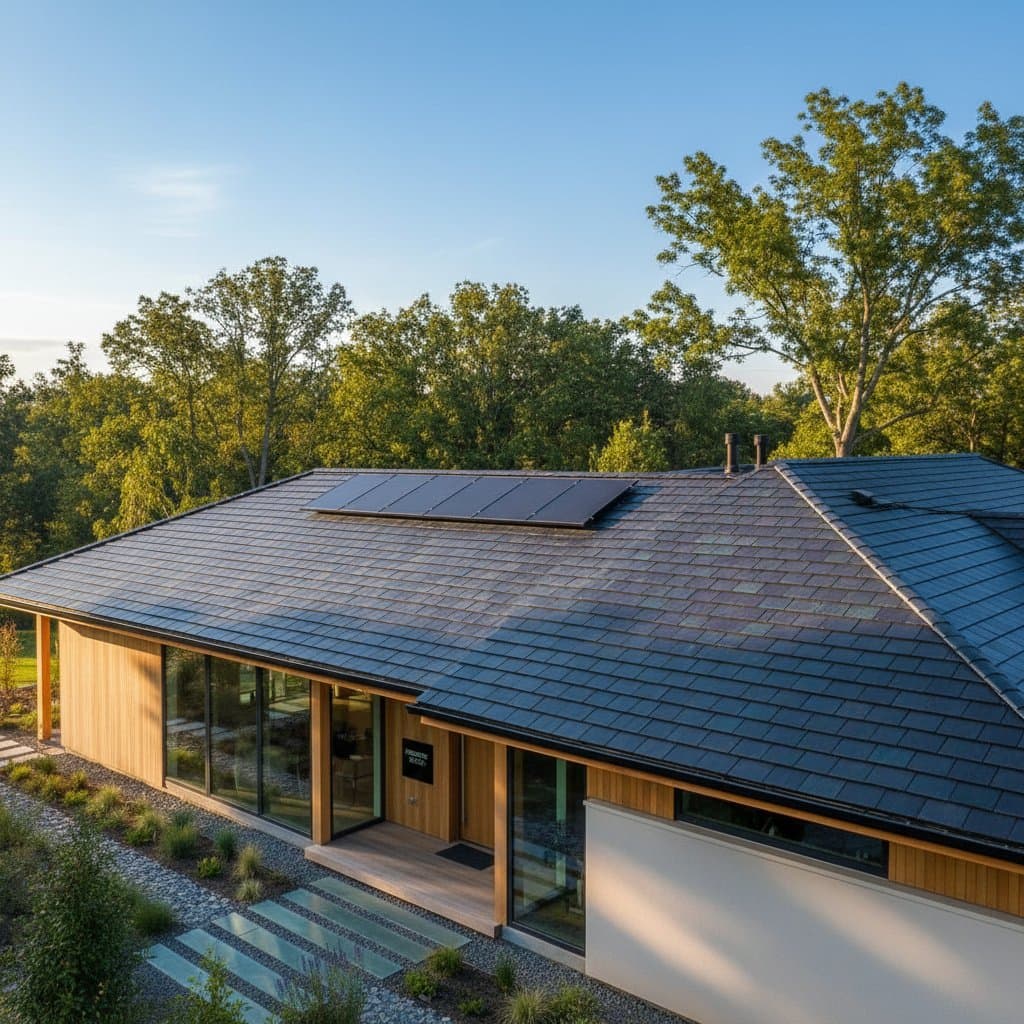
Style matters in modern homes, and recycled plastic roofs deliver versatility without sacrificing appeal. Available in textures mimicking wood shakes, slate, or cedar, they blend seamlessly with various architectural styles. Colors range from earthy tones to bold hues, customizable to match siding or landscaping.
Unlike uniform clay tiles, these roofs allow intricate patterns and curves for unique designs. Their lightweight nature enables installation on curved surfaces or additions like pergolas. Homeowners achieve a premium look at a fraction of the cost of natural stone alternatives.
Integration with smart home systems adds another layer. Some models incorporate sensors for real-time monitoring of weather impacts, enhancing both aesthetics and functionality.
Installation and Practical Considerations
Professional installation follows standard roofing protocols but benefits from the material's ease. Crews prepare the surface, apply underlayment, and secure panels with specialized fasteners. The process typically completes in one to two days for an average home, minimizing disruption.
Homeowners should select certified installers familiar with recycled products to ensure warranties, often spanning 50 years. Pre-installation assessments evaluate roof pitch and load-bearing capacity. Post-installation, routine checks every five years maintain peak performance.
For DIY enthusiasts, modular kits simplify smaller projects like sheds or garages. Always consult local building codes, which increasingly favor sustainable options by 2026.
Steps for Choosing Recycled Plastic Roofs
- Assess your home's current roof condition and climate exposure.
- Research manufacturers offering warranties and color options.
- Obtain quotes from at least three certified installers.
- Review energy models to calculate long-term savings.
- Confirm compatibility with existing home features.
Long-Term Value and Market Trends
Property values rise with sustainable upgrades, and recycled plastic roofs contribute significantly. Studies indicate homes with green roofs sell 5 to 10 percent faster and at higher prices. As millennials and Gen Z dominate the housing market, demand for eco-friendly features surges.
By 2026, projections show recycled roofing comprising 20 percent of new installations, driven by policy incentives and consumer awareness. Early adopters gain competitive edges in resale markets. This investment aligns personal values with financial growth, fostering resilient communities.
Embracing a Greener Future with Recycled Roofs
Recycled plastic roofs represent more than a material choice; they embody proactive steps toward sustainability. Homeowners secure durable, efficient, and attractive coverings that endure for generations. The transition from traditional options unlocks savings, reduces environmental harm, and enhances living spaces.
Consider integrating these roofs into your next project to experience the blend of innovation and responsibility. The benefits extend beyond individual homes to collective progress in building a cooler planet.