How Vehicle to Home Backup Works
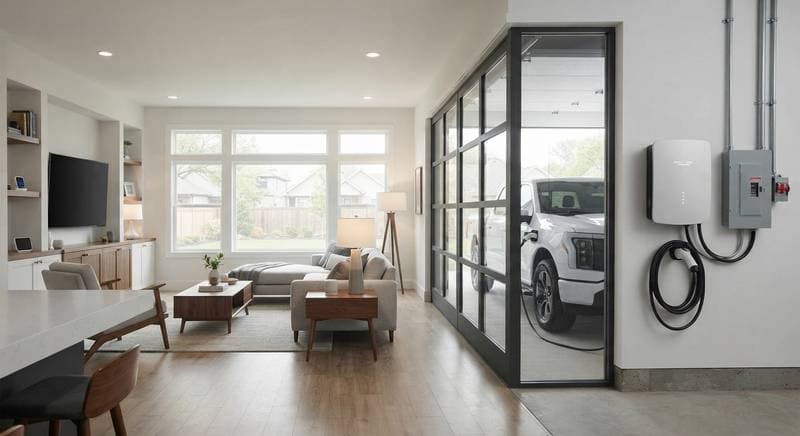
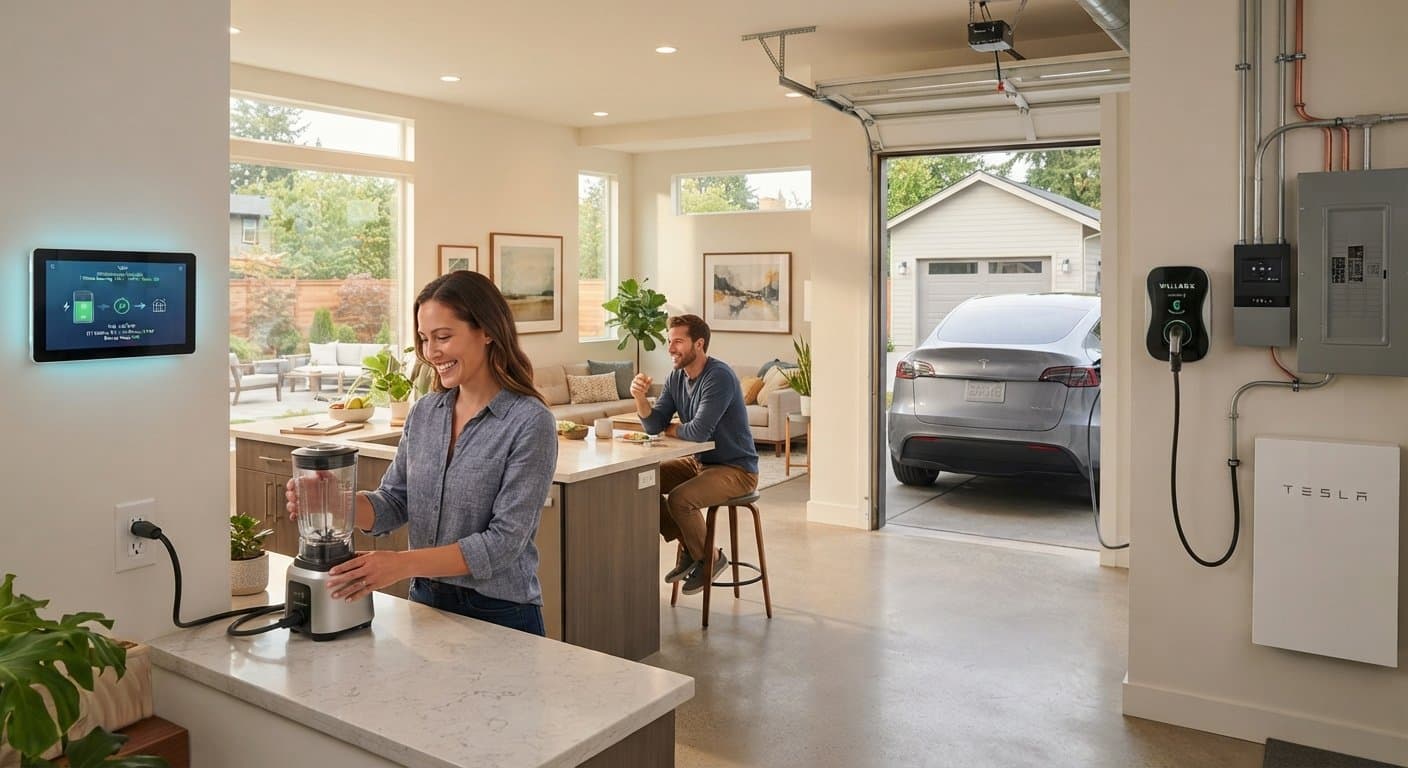
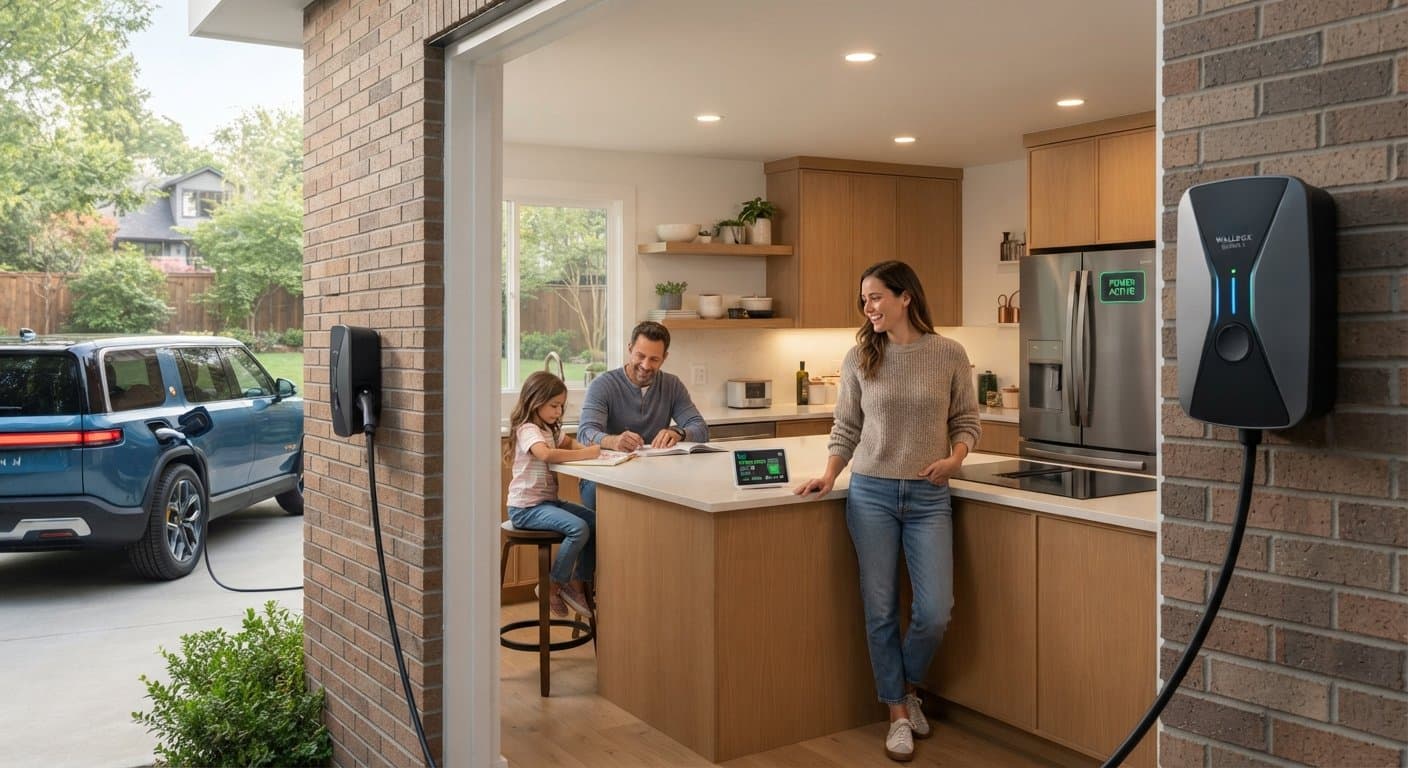
Vehicle to home technology, commonly called V2H, allows an electric vehicle to send electricity through a bidirectional charger into a home electrical system. Bidirectional chargers move power in both directions. Standard chargers only pull electricity from the grid to charge the vehicle battery. A V2H system also converts the vehicle's direct current into alternating current that household circuits require.
During a power outage, transfer equipment disconnects the home from the utility grid before the vehicle supplies power. This separation, known as islanding, prevents electricity from flowing back onto utility lines where it could endanger repair crews. A licensed electrician must design and install this equipment according to local electrical codes and utility requirements.
V2H differs from vehicle to load, or V2L, which powers individual devices through outlets built into the vehicle. V2L works well for a refrigerator or a few electronics, but it does not provide safe whole home backup. Vehicle to grid, or V2G, sends energy to the wider grid and requires separate agreements and controls.
What Can Stay On During an Outage
The practical question centers on household power needs rather than battery size alone. Refrigerators, lights, internet equipment, medical devices, and furnace blowers often qualify as essential. Electric resistance heating, large air conditioners, electric ranges, and tank water heaters drain a battery quickly.
An electrician can map critical circuits and estimate their loads. A managed backup panel prioritizes selected circuits, while a whole home system may support more equipment if the charger, inverter, and service panel have adequate capacity. Starting loads matter as well. A motor may briefly draw far more electricity as it starts than while it runs.
Before beginning a project, list the devices you want to operate and their wattage. Discuss peak demand and daily energy use with a qualified professional. This inventory prevents an expensive system from being sized around guesswork.
Costs, Savings, and Trade Offs
Costs depend on the vehicle, charger, transfer equipment, panel work, wiring distance, and labor. A bidirectional charger and basic installation typically range from $4,000 to $10,000. Complex electrical upgrades or whole home integration can bring a project to $10,000 to $20,000 or more. These figures serve as planning estimates. Local labor, service capacity, and equipment compatibility can shift them substantially.
The vehicle itself represents a separate and much larger purchase. If you already own a compatible model, backup capability may improve its practical value. If you would buy a vehicle chiefly for outage power, compare that premium with a stationary home battery, a generator, and efficiency upgrades. Each option carries different fuel, maintenance, noise, emissions, and operating costs.
V2H does not guarantee a financial return. Savings from shifting electricity use or participating in utility programs depend on local rates, program rules, and equipment. A backup system may still prove worthwhile for resilience, especially where outages threaten food, work, comfort, or medical needs. Build a budget that includes permits, possible panel upgrades, and a contingency of 10 to 20 percent for concealed or unexpected electrical work.
Planning a Safe, Durable System
Compatibility serves as the first checkpoint. Confirm that the vehicle supports bidirectional discharge, that the charger works with that specific vehicle, and that the home transfer equipment supports the intended backup design. Product labels can prove confusing, so request written confirmation from manufacturers or installers.
Plan around household routines as well as emergencies. Set a reserve charge so the vehicle remains useful for transportation, and decide how the system should respond when an outage begins. If the car is away, a stationary battery or generator may be needed for backup coverage.
Good planning also supports energy efficiency. Insulation, air sealing, efficient lighting, and a well maintained heating system reduce the load that backup equipment must carry. Lower demand means a given battery can support essential needs for longer. This approach mirrors packing a smaller bag for a trip where fewer unnecessary items make the available space go further.
A practical planning list includes:
- Verify vehicle, charger, and transfer equipment compatibility
- Identify essential circuits and estimate their demand
- Confirm permits, inspections, and utility requirements
- Set a transportation reserve and a battery use plan
- Compare V2H with other backup options and include maintenance needs
Resilience, Health, and Home Value
Backup power can protect more than convenience. It may help maintain refrigeration for food and medicine, support communications, and keep some heating or cooling available. For households with medical equipment, discuss backup duration and failover arrangements with the equipment provider. No vehicle system should be treated as an unlimited or guaranteed power source.
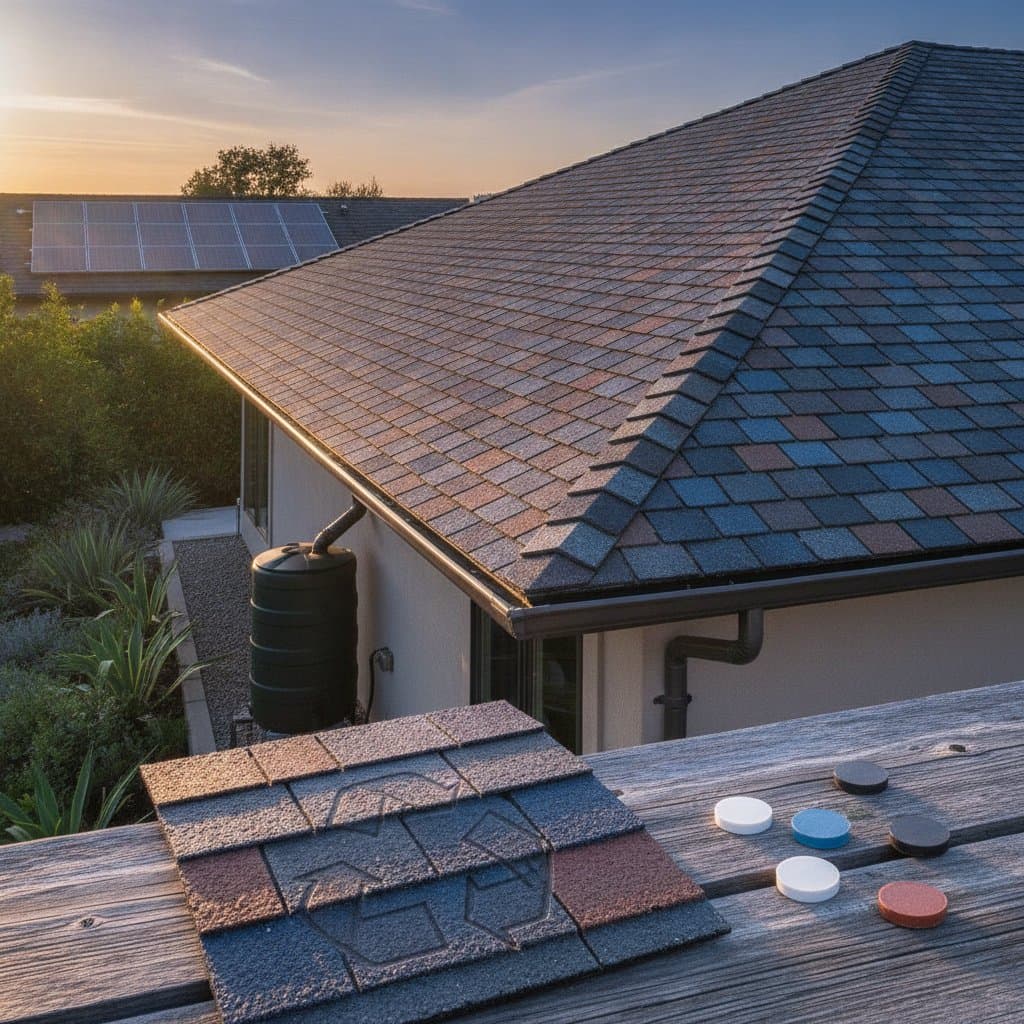
Indoor air quality provides another reason to compare options carefully. A fuel burning generator must be operated outdoors and away from openings, following its manufacturer safety instructions. A battery system produces no exhaust at the point of use, though its environmental footprint depends on electricity sources, manufacturing, and battery life. Durable equipment, repairability, and responsible battery recycling all matter to lifecycle performance.
Home value effects prove difficult to predict. Buyers may appreciate documented electrical upgrades, efficient systems, and resilience features, but resale value rarely matches project cost dollar for dollar. Keep permits, equipment details, and maintenance records. Clear documentation helps future owners understand what the system can and cannot do.
Frequently Asked Questions
Can any electric vehicle power a home
No. Many vehicles accept power but cannot send it back through a bidirectional charger. Compatibility depends on the vehicle's hardware and software, the charger, and the home equipment. Verify the complete system before purchase.
How long can a vehicle run a house
Duration depends on battery capacity, the wattage of connected loads, and how often the vehicle drives during the outage. A 60 kilowatt hour battery might support essential circuits for several days if loads stay under 1 kilowatt. Higher loads or frequent driving reduce that window significantly. An electrician can calculate expected runtime based on your specific equipment and usage patterns.
What happens when the vehicle battery runs low
The system should maintain a reserve charge for transportation needs. Most setups allow you to set a minimum battery level, such as 20 or 30 percent, below which the vehicle stops supplying power to the home. When utility power returns, the system reconnects to the grid and the vehicle can recharge normally.
Do I need special permits
Yes. Most jurisdictions require electrical permits for bidirectional charger installation and transfer equipment. Utilities often have interconnection requirements as well. Work with a licensed electrician who understands local codes and can coordinate with your utility company.
Can I use V2H with solar panels
Some V2H systems integrate with solar installations. The vehicle battery can store excess solar energy during the day and supply it to the home at night or during outages. Integration requires compatible inverters and charge controllers. An electrician or solar installer can assess whether your existing system supports this setup.
Making Backup Power Practical
Vehicle to home backup works when the right equipment comes together with proper planning. The technology offers genuine resilience for households that need it, provided expectations stay realistic and safety requirements receive full attention. Start with compatibility verification, move through load assessment, and finish with professional installation that meets all local requirements.