Turning Your Parked EV Into a Home Power Source
Your electric vehicle sits in the driveway with a battery that could do more than power your commute. With the right equipment, that battery can run household circuits, store lower-cost electricity, or keep essential systems running during an outage. The concept is straightforward, but the financial and technical details determine whether the setup makes sense for your situation.
How Vehicle-to-Home Power Works
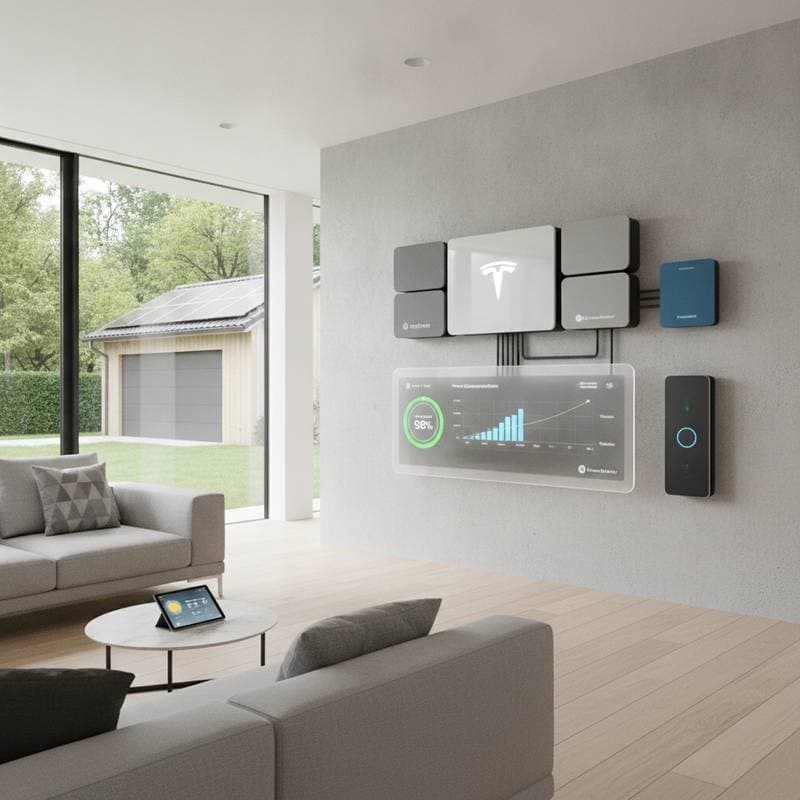
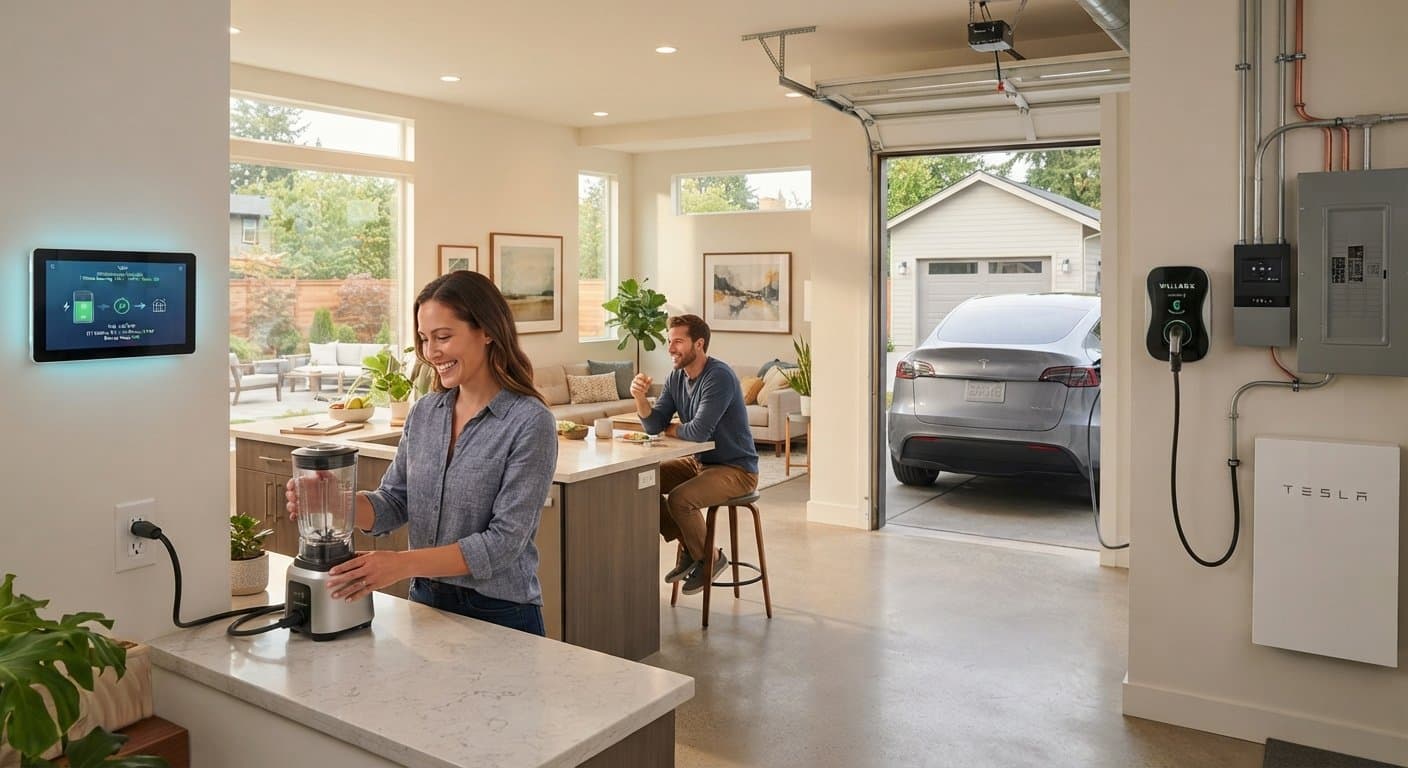
Vehicle-to-home technology, often called V2H, allows a compatible electric vehicle to send stored energy to your home through a bidirectional EV charger. The charger converts and manages electricity flow, while transfer equipment isolates your home from the utility grid during an outage. This separation protects utility workers and meets core safety requirements.
V2H differs from vehicle-to-grid programs, which send power back to the wider electricity network. It also differs from a conventional charger, which only moves electricity into the vehicle. Compatibility is specific: the vehicle, charger, software, and electrical service must work together. Ask the automaker and a qualified electrician to confirm the complete system, not just the charger model.
Where Savings Come From
A home battery can shift electricity use, but savings are not automatic. If your utility charges less during off-peak periods, you may charge the vehicle when rates are low and use some stored energy when rates rise. Solar owners may also store surplus generation instead of exporting it, when local compensation rules make that worthwhile.
Estimate value before purchasing:
- Compare the price difference between peak and off-peak electricity.
- Estimate how many kilowatt hours you can safely use without compromising your driving needs.
- Subtract charging losses, equipment costs, and any utility fees.
- Check whether the utility permits energy export or offers a managed charging program.
For example, shifting 10 kilowatt hours daily across a rate difference of 15 cents per kilowatt hour could produce up to $1.50 in gross daily savings. Actual savings will be lower if losses, restrictions, or battery reserve needs apply. Treat this as a planning example, not a guaranteed return.
Backup Power and Battery Care
During a grid outage, V2H can supply selected circuits or, with suitable design, a larger share of household loads. Refrigeration, lighting, internet equipment, and essential medical devices may take priority. Heating, cooling, and electric cooking can draw substantial power, so a professional should size the system around realistic loads.
Using an EV battery for home energy adds cycling, which contributes to battery wear. The effect depends on battery chemistry, operating limits, and manufacturer controls. Set a minimum driving reserve, and review warranty language before enabling regular discharge. A home energy management system can help coordinate charging, solar production, and household demand.
Costs, Installation, and Trade-Offs
Equipment and installation costs vary widely by vehicle, electrical panel, wiring distance, and backup scope. A bidirectional charger and transfer equipment may cost several thousand dollars or more, especially when panel upgrades are needed.
Choose an approach that fits your budget:
- Entry level: Use managed charging to reduce costs without exporting power.
- Midrange: Add solar or a stationary battery if driving needs make vehicle discharge impractical.
- Full V2H: Install compatible bidirectional equipment for backup and energy shifting.
Planning Your Installation
Gather an electricity bill, vehicle specifications, and panel details. Ask an electrician about code compliance, backup circuits, and utility interconnection rules. Compare projected savings with total installed cost, then consider financing only if the payment fits your household budget.
Making the Decision
Vehicle-to-home technology offers real benefits when the numbers align with your situation. The key is matching equipment capabilities with your actual electricity rates, driving patterns, and backup needs. Start with a professional assessment of your electrical system and utility requirements before making equipment decisions.