How Bidirectional Charging Turns Your EV Into Home Backup Power
A storm knocks out electricity. The refrigerator stops humming. Your electric vehicle sits in the driveway with a battery large enough to run critical household systems. Vehicle-to-home technology makes this possible, but only when the vehicle, charger, and electrical infrastructure work together.
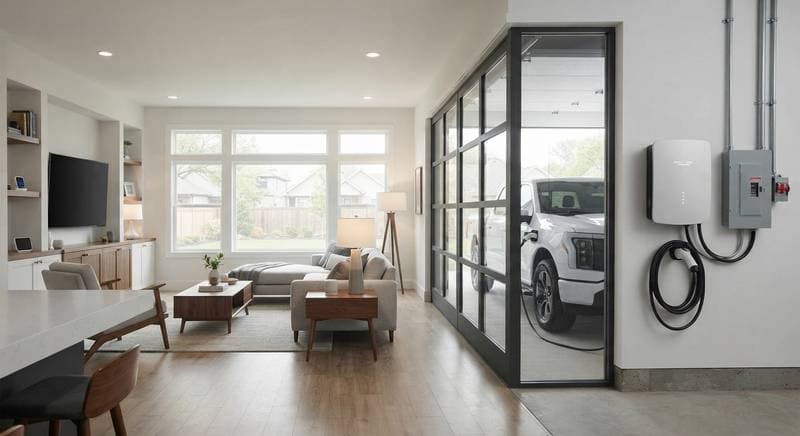
Bidirectional charging allows compatible electric vehicles to send stored electricity back to a home. The process requires more than a standard charger. Power electronics must convert the direct current stored in the battery into alternating current used by household circuits. A transfer switch isolates the home from the utility grid before the vehicle supplies power, protecting line workers from backfed electricity.
Required Components for a Functional System
The vehicle must support bidirectional power flow. Not every electric vehicle includes this capability. The charger must match the vehicle's communication protocol and power specifications. A compatible charger cannot add bidirectional function to a vehicle that lacks the hardware.
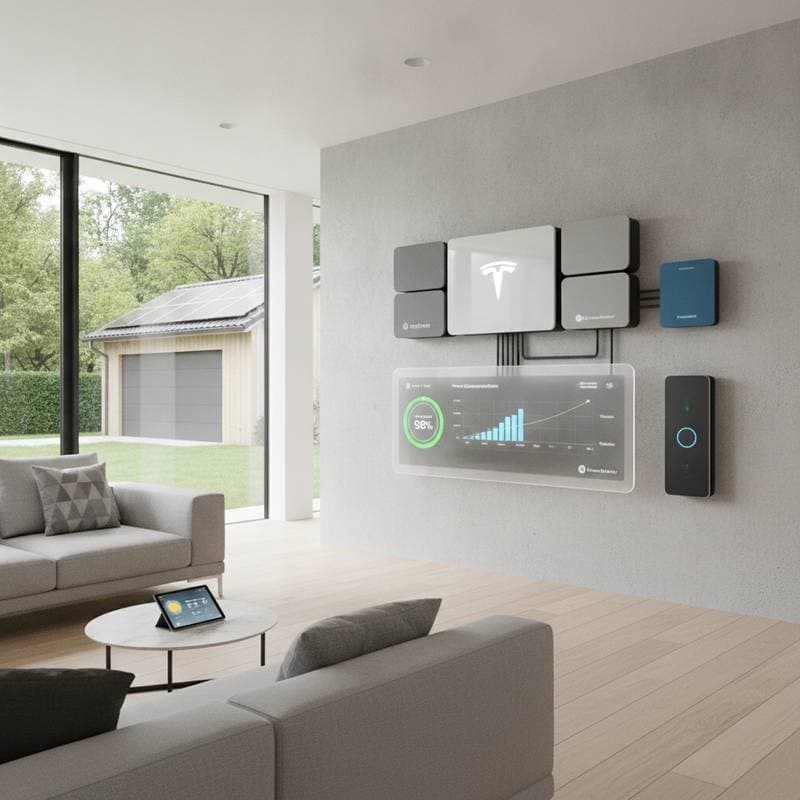
A complete installation includes several elements. The bidirectional charger handles power conversion and communication with the vehicle. A transfer switch or gateway separates the home from the utility grid during backup operation. Panel upgrades may be necessary if the existing service cannot handle the additional load. Electrical permits and utility approval are required in most jurisdictions.
A licensed electrician evaluates the service panel, grounding system, and available capacity. Local electrical codes vary by location. Utility interconnection rules determine what equipment passes inspection. UL-listed equipment provides a baseline for safety compliance, though project-specific approval remains necessary.
Power Output and Household Loads
Battery capacity alone does not determine what a system can power. Output capacity limits simultaneous appliance operation. A modest setup might support a refrigerator, lighting circuits, internet equipment, and selected outlets. Larger loads such as electric ranges, water heaters, and air conditioning units often exceed system capacity.
An electrician creates a critical-loads plan that identifies essential circuits and their power requirements. Startup current for motors can exceed running current by several times. The plan accounts for these surges while preventing system overload.
Energy consumption determines backup duration. A home drawing one kilowatt continuously uses twenty-four kilowatt-hours daily. Actual runtime depends on the vehicle's usable battery capacity, the reserve kept for driving, and system efficiency losses. Maintaining a driving reserve prevents stranding the vehicle during extended outages.
Installation Costs and Financial Considerations
Equipment and labor costs vary with system complexity. Limited installations range from three thousand to seven thousand dollars. Systems requiring panel upgrades, extensive circuit work, or advanced controls reach eight thousand to fifteen thousand dollars or higher. Regional labor rates and permitting fees affect the final total.
Two financial factors influence the investment decision. Backup value provides power during outages. Energy management allows charging during low-rate periods and discharging during high-rate periods. Savings depend on utility rate structures, charging efficiency, and driving patterns. Battery cycling affects vehicle warranty coverage, so manufacturers' terms require review before routine energy shifting.
Home batteries provide backup without occupying the vehicle. This matters for households that need the car throughout the day. Vehicle-to-home systems offer greater storage capacity when the vehicle remains parked, but become unavailable when the car leaves.
Planning Steps for a Reliable Installation
Identify the problem the system should solve. Brief, infrequent outages may justify a portable power station instead. Extended outages or increasing climate risks support a more comprehensive approach.
Confirm the vehicle supports bidirectional home power and review warranty conditions. List essential circuits and estimate their power demands. Request an electrician assessment of the panel and required upgrades. Compare installed costs against home batteries, generators, or smaller backup options. Review local permits, utility requirements, and rate structures before purchasing equipment.
Solar integration works only when inverters and controls operate safely off-grid. The system must prevent backfeeding during outages while allowing solar charging when conditions permit.
Efficiency as the Foundation
Reducing household energy demand stretches stored power further. Improved insulation, air sealing, efficient appliances, and LED lighting lower the energy required for comfort. These measures reduce regular utility bills while extending backup duration during outages.
Common Questions About Vehicle-to-Home Systems
Which vehicles support home backup power?
Only vehicles with bidirectional capability work. The charger and control systems must match the specific vehicle model. Confirm exact specifications rather than relying on general model information.
Can the system power an entire house?
Some installations support whole-home backup. Others serve only selected circuits. Large appliances can exceed system output even when the battery contains adequate energy.
Does backup function require a grid outage?
The system requires equipment that isolates the home from the utility grid. Standard chargers without this isolation capability cannot provide safe backup power.
How does vehicle-to-home compare to dedicated battery storage?
Vehicle-to-home systems tie backup capacity to vehicle availability. Dedicated batteries provide power regardless of whether the car is present. The choice depends on driving patterns and backup requirements.
Evaluating Your Specific Situation
Assess outage frequency and duration in your area. Calculate the value of maintaining power for refrigeration, medical equipment, or communication systems. Compare this value against installation costs and ongoing maintenance requirements. Consider whether a home battery, generator, or smaller backup solution better matches your needs and budget.