Essential Benefits of Cool Roofs
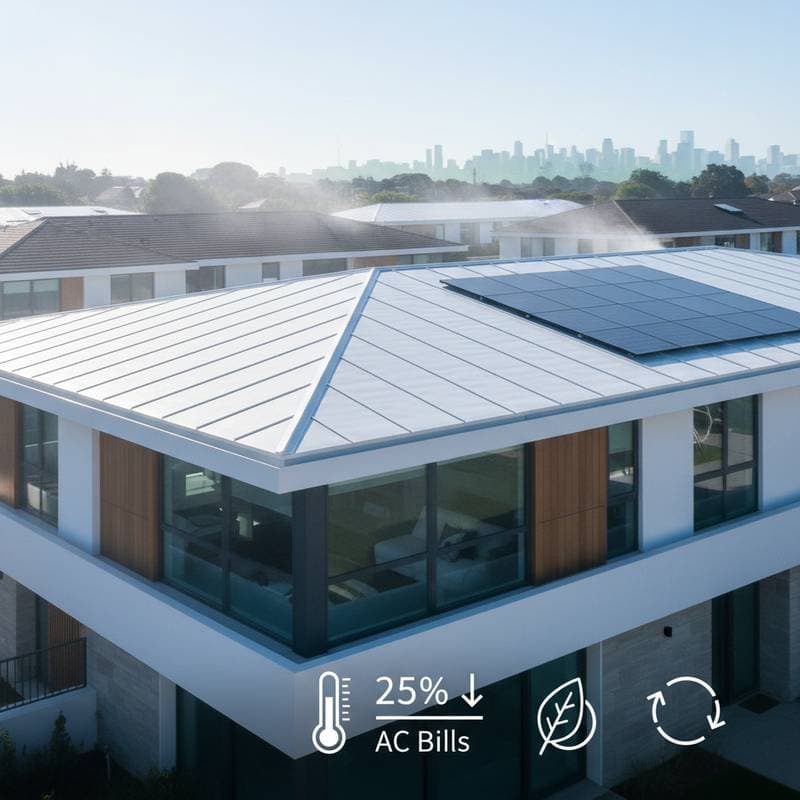
- Reflective cool roofs decrease air conditioning expenses by up to 25 percent by limiting heat absorption.
- Specialized coatings prolong roof durability, minimize upkeep expenses, and enhance interior climate control in established residences.
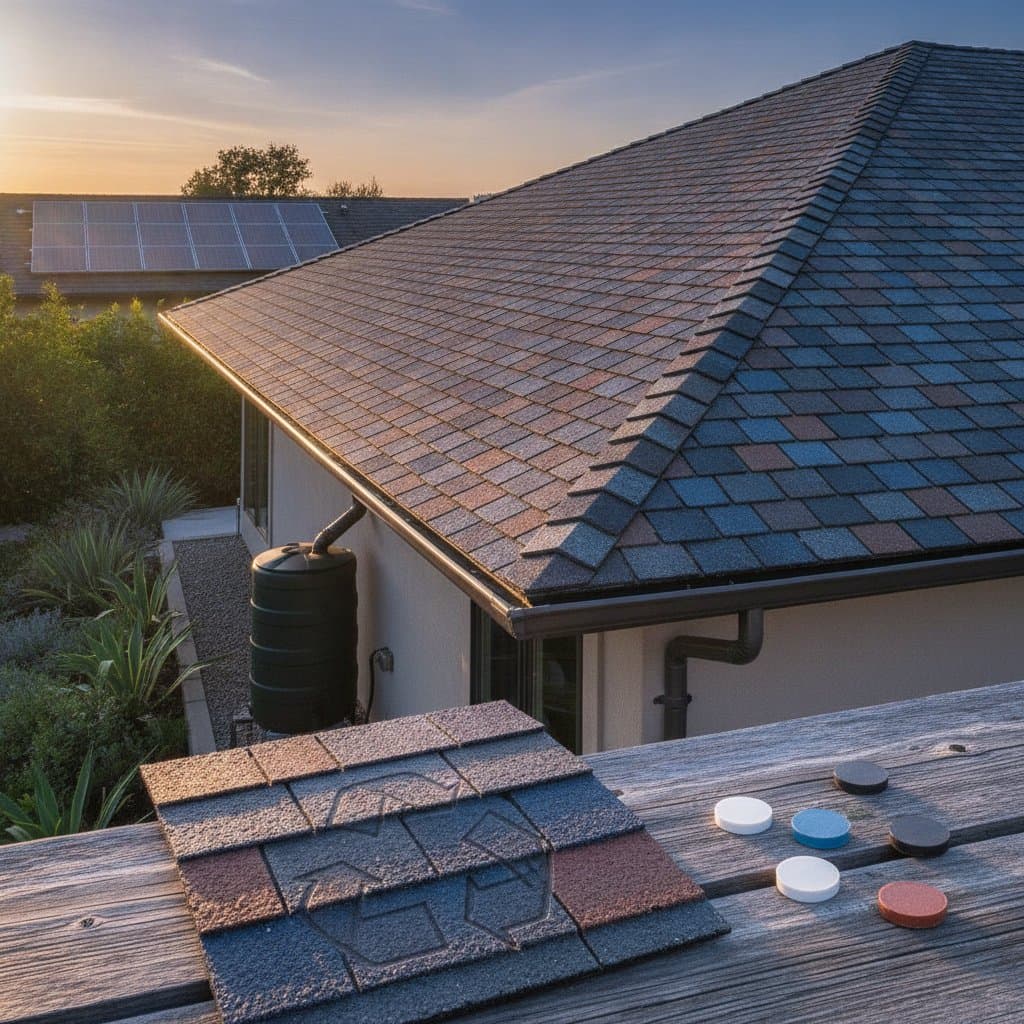
- Diverse reflective options, including white elastomeric coatings, high-reflectance shingles, and tiles, suit residential and commercial needs alike.
- Savings vary by roof configuration, insulation effectiveness, regional climate, and material specifications, yet return on investment typically materializes in five to ten years.
- Broader impacts encompass mitigation of urban heat islands, elevated local air quality, and diminished carbon emissions.
The Financial and Environmental Impact of Cool Roofs
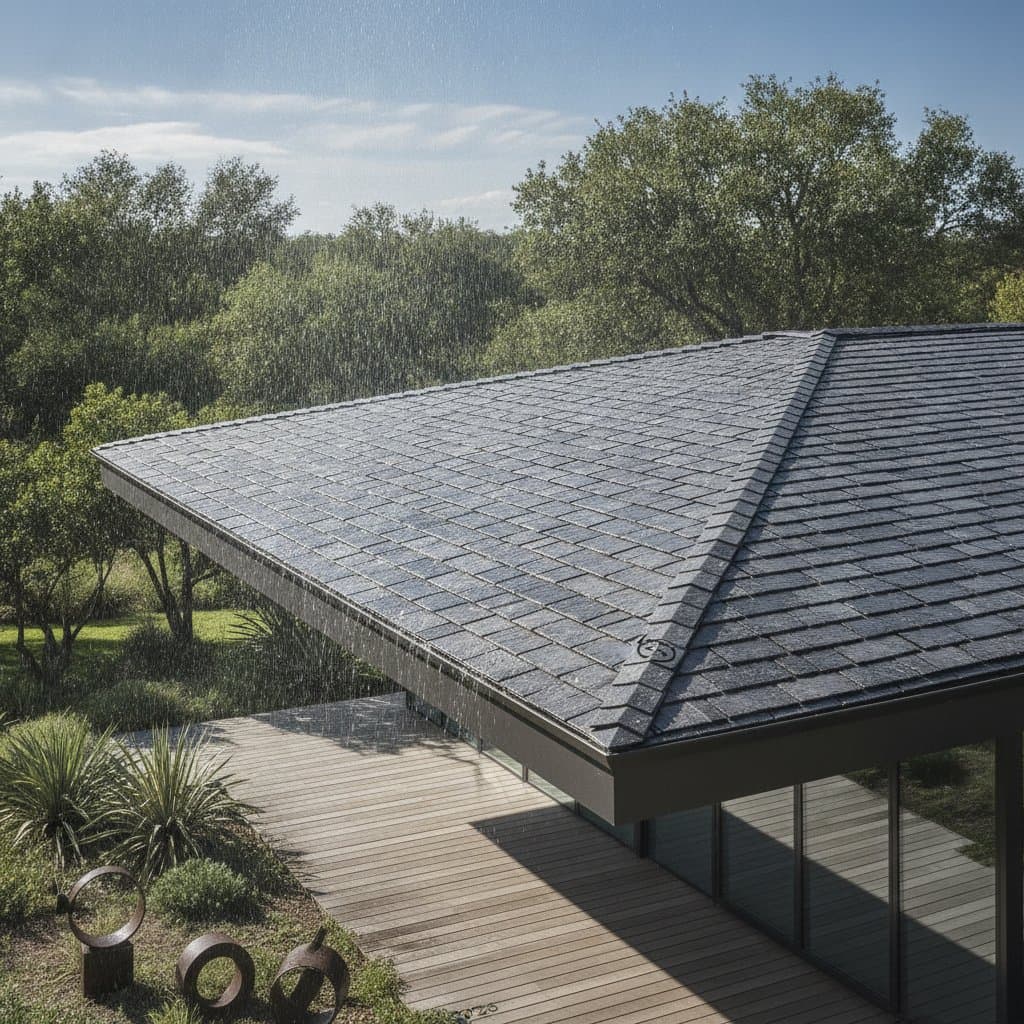
The roof serves as the primary shield for a structure against environmental forces. When designed to reflect sunlight rather than absorb it, the thermal dynamics of the building shift significantly. Cool roofs incorporate materials that redirect solar rays back to the sky, thereby maintaining lower surface temperatures and curtailing heat infiltration into attics and occupied spaces.
Such modifications can reduce reliance on air conditioning by as much as one-quarter, contingent upon local weather patterns and roof design. For families incurring hundreds of dollars monthly in cooling charges, these reductions yield substantial financial relief. The advantages extend well past immediate utility reductions.
Cooler roofs also deliver these outcomes:
- Decreased stress on heating, ventilation, and air conditioning systems, thereby prolonging equipment longevity.
- Enhanced occupant comfort through more consistent internal temperatures.
- Reduced peak roof temperatures, which can add several years to the service life of roofing membranes.
- Contributions to neighborhood resilience by alleviating the urban heat island phenomenon, where metropolitan areas experience elevated temperatures compared to rural surroundings.
In essence, cool roofs foster greater operational efficiency, more pleasant community environments, and robust long-term investments.
Investment Costs and Return Projections
Cool roof implementations span various price ranges to accommodate diverse financial plans. Consider this overview of common categories:
- Reflective Coatings: Installation costs range from 1.50 to 4.00 dollars per square foot. These prove optimal for existing flat or low-slope surfaces.
- Reflective Asphalt Shingles: Pricing falls between 4.00 and 8.00 dollars per square foot. They fit well with sloped residential setups.
- Metal Panels with Reflective Coatings: Expenses lie from 6.00 to 12.00 dollars per square foot. These offer extended durability and recyclability.
- Glazed Tiles or Slate: Costs span 10.00 to 20.00 dollars per square foot. This premium choice combines visual elegance with robust performance.
Initial expenditures may exceed conventional roofing by 10 to 20 percent on average. However, energy reductions, maintenance savings, and extended usability generally recoup the premium.
Projected Returns on Investment:
- Cooling cost decreases of 15 to 25 percent.
- Recovery timeline of five to ten years, influenced by electricity tariffs and roof dimensions.
- Additional roof lifespan of five to 15 years from reduced thermal cycling.
Variations occur based on specific conditions, but the overall trajectory supports strong financial viability through direct efficiencies and deferred capital outlays.
Sustainability Enhancements and Performance Improvements
Cool roofs represent more than mere upgrades for convenience. They constitute strategic commitments to ecological responsibility. By curbing cooling requirements, these systems lower emissions tied to power generation.
Key environmental gains encompass:
- Diminished peak electricity loads, which relieve pressure on utility infrastructures.
- Suppressed smog development from moderated atmospheric heat.
- Reduced waste generation, as extended roof integrity delays replacements.
- Synergy with solar photovoltaic arrays, where cooler conditions boost panel output efficiency.
Energy specialists and sustainable design experts regard cool roofs as foundational enhancements. Property owners who adopt them frequently proceed to complementary measures, such as enhanced attic insulation, radiant heat blockers, or photovoltaic systems, building upon initial successes in efficiency and economy.
Professional Insights and Implementation Steps
Experienced roofing specialists and environmental advisors endorse cool roofs as among the most straightforward paths to improved performance. Standards from bodies like ASTM and LEED outline rigorous protocols for evaluation, efficacy, and adherence.
Property owners benefit from this structured approach:
- Examine the current roof's age and state. If renewal approaches in the near term, integrate cool features into the overhaul.
- Review insulation levels and attic airflow to optimize synergistic effects.
- Weigh material alternatives by total lifecycle expenses, beyond upfront figures.
- Solicit manufacturer documentation on critical metrics, such as solar reflectance index and thermal emittance.
- Engage licensed professionals versed in sealing techniques, edge detailing, and application protocols.
Precise execution amplifies benefits and upholds manufacturer assurances.
Common Questions on Cool Roofs
What is the expected lifespan of a cool roof?
Reflective coatings and membranes endure comparably to traditional counterparts, typically 15 to 30 years. Routine care, such as cleaning and reapplication, further extends usability.
Does a cool roof increase winter heating needs?
In prevailing climates, summer cooling advantages substantially surpass any negligible winter heat retention losses. Solar angles during colder seasons limit exposure, and heating fuels often cost less than summer electricity demands.
Is DIY application feasible for cool roof coatings?
Certain products suit adept self-installers on modest flat areas, yet expert application guarantees uniform adhesion, adequate layering, and substrate readiness. Flawed efforts risk warranty invalidation and suboptimal results.
Do cool roofs benefit older properties?
Yes, they perform exceptionally well. Legacy structures with thinner insulation suffer greater heat ingress; reflective surfaces effectively temper attic heat and refine livability without extensive modifications.
What incentives exist for cool roof installations?
Numerous locales provide rebates or tax offsets for efficient roofing. Verify eligibility through regional utilities or authorities prior to commencement.
Advance Your Home's Efficiency Today
Integrating a cool roof positions your property for sustained savings and resilience. Begin by consulting local experts to tailor a solution that aligns with your climate and goals. These upgrades not only safeguard your finances but also contribute to a cooler, more sustainable world.