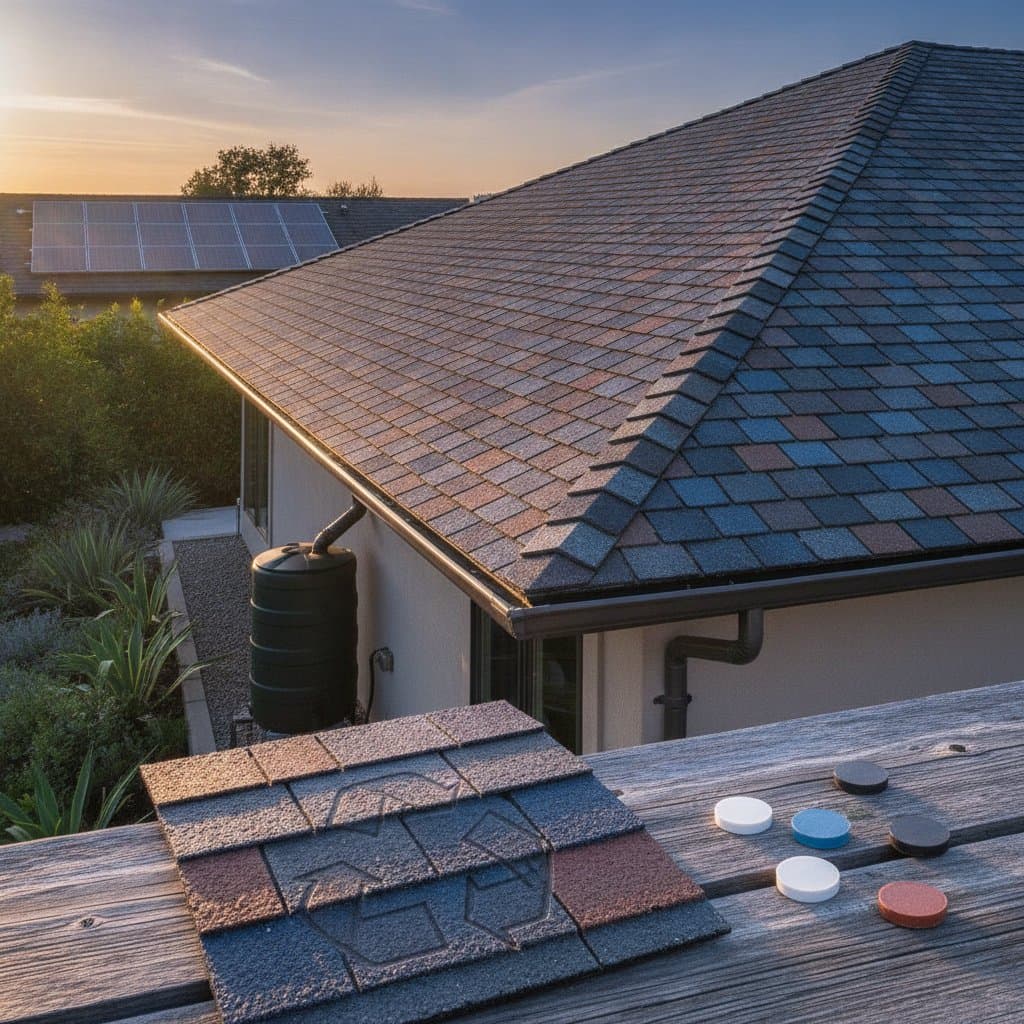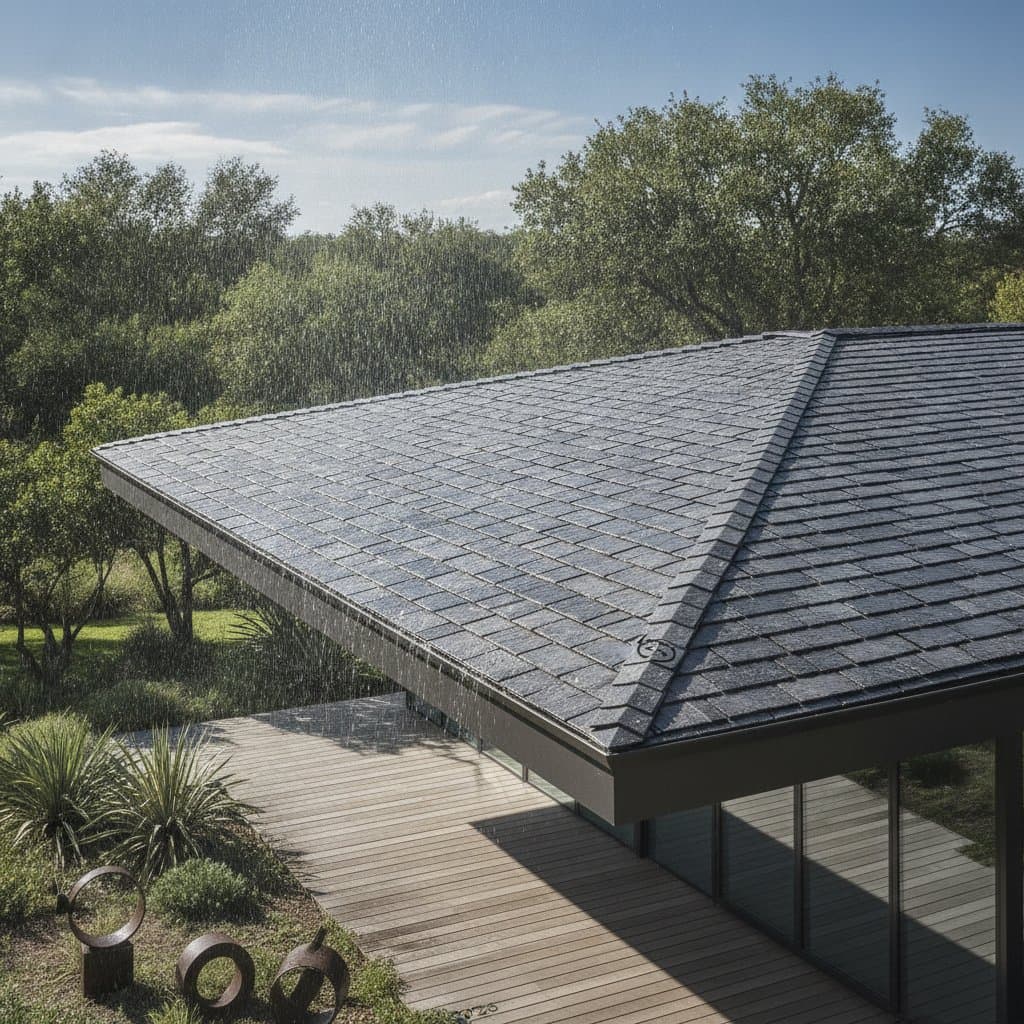
Why Recycled Plastic Roofing Matters for Modern Homes
Homeowners facing frequent storms seek materials that protect structures without adding to environmental strain. Recycled plastic roofing meets this need by converting post consumer waste into durable panels that withstand harsh conditions. This approach reduces landfill contributions while delivering reliable coverage.
How the Material Is Produced
Manufacturers collect plastic waste from bottles, containers, and industrial scraps. They clean, shred, and melt the material before molding it into interlocking panels or shingles. Additives improve ultraviolet resistance and flexibility during the process.
The resulting product contains up to 95 percent recycled content. Production requires less energy than creating virgin metal sheets or asphalt shingles. Panels arrive ready for installation with consistent dimensions.
Storm Resistance Features
Recycled plastic panels flex under high winds instead of denting or tearing loose. Their textured surfaces channel water away from seams to limit leaks during heavy rain. Thermal expansion rates stay low, which prevents warping in temperature swings.
Tests show these panels survive winds exceeding 130 miles per hour when installed correctly. Hail impact ratings often reach Class 4, the highest available standard. Fire retardants integrated during manufacturing further improve safety profiles.
Direct Comparison with Metal Options
Metal roofs conduct heat and cold readily, which raises attic temperatures in summer. Plastic versions insulate better and reduce the need for extra ventilation layers. Weight differences matter too, since plastic panels place less stress on roof trusses.
Corrosion never affects plastic because it contains no ferrous components. Metal requires periodic inspections for rust at fasteners and edges. Both materials last decades, yet plastic avoids the noise of rain on metal surfaces.
Waste Reduction and Energy Savings
Each square of recycled plastic roofing diverts roughly 200 pounds of plastic from landfills. Homeowners lower their carbon footprint because manufacturing emissions stay below those of new metal production. Reflective pigments on some panels reduce cooling loads by bouncing sunlight.
Local recycling programs sometimes accept the material at end of life, closing the loop. This circular process supports community waste goals without extra collection infrastructure.
Maintenance Requirements
Annual inspections focus on checking sealants around penetrations such as vents and chimneys. Moss or mildew rarely adheres to the smooth plastic surface, which eliminates most cleaning tasks. No painting or coating renewal is necessary over the product lifespan.
Financial Returns Over Time
Initial material costs sit between asphalt and premium metal. Reduced labor for repairs and lower energy bills offset the purchase price within eight to twelve years. Insurance providers in storm prone regions may offer premium discounts for verified impact ratings.
Steps for Successful Installation
Measure roof pitch and existing deck condition before ordering panels. Secure underlayment that meets local code requirements for moisture protection. Align panels according to manufacturer diagrams to maintain wind resistance ratings.
Hire crews experienced with plastic systems to avoid over tightening fasteners that could crack edges. Follow torque specifications precisely during attachment.
Selecting the Right Product
Review third party test reports for wind, hail, and fire performance before purchase. Confirm warranty length and transferability when planning future home sales. Request samples to evaluate color retention under local sunlight conditions.
Planning Your Next Roof Project
Assess current roof age and local weather patterns to determine timing. Consult contractors who stock recycled plastic lines and can provide references from recent installations. Track utility savings after placement to measure real world performance.