Key Points
- Geothermal HVAC systems leverage the earth's consistent underground temperature to provide efficient heating and cooling for homes.
- Proper design and installation enable homeowners to reduce utility costs by up to 60 percent.
- Although initial expenses exceed those of traditional systems, long-term savings, available incentives, and enhanced comfort justify the investment.
- These systems enhance indoor comfort, lower emissions, and elevate property values.
- Choose certified installers familiar with local soil and site conditions to ensure optimal, durable performance.
The Challenge of Staying Comfortable Efficiently
Homeowners often face rising energy bills alongside persistent issues like winter drafts and summer hot spots. Conventional HVAC systems battle fluctuating outdoor temperatures, which demands substantial electricity or fuel. This leads to elevated expenses and inconsistent comfort levels. Many seek ways to achieve reliable indoor environments that conserve resources and minimize environmental impact.
Why Geothermal HVAC Matters Now
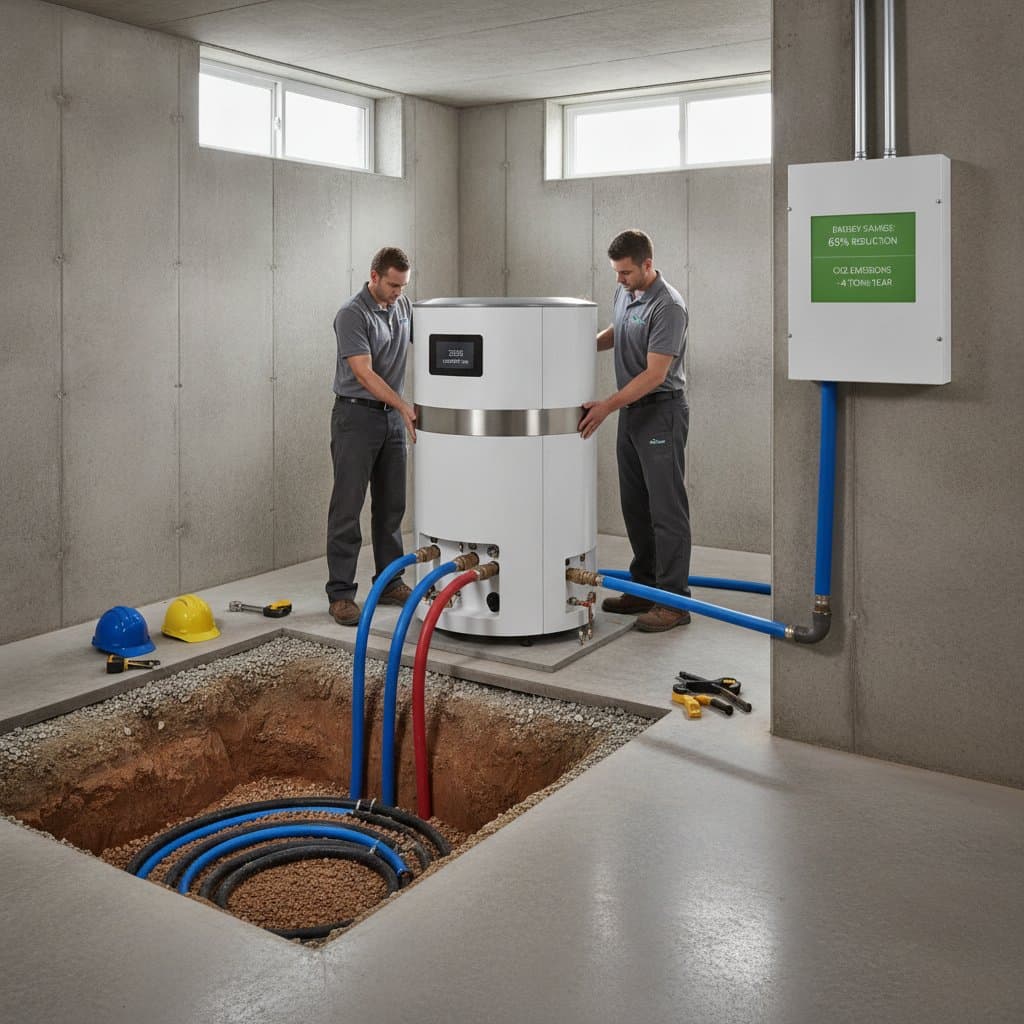
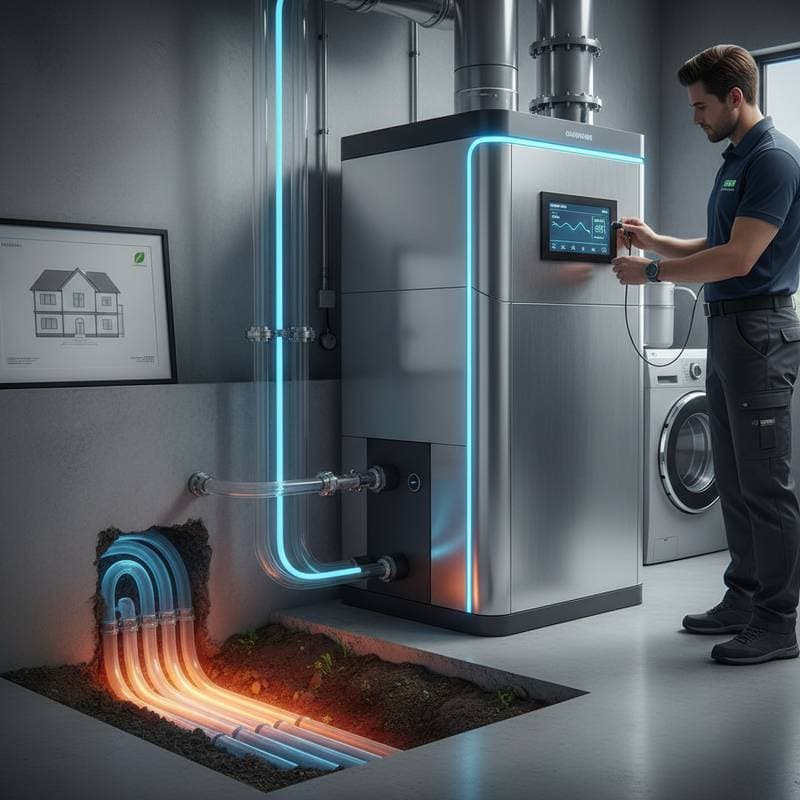
Geothermal, or ground-source, HVAC systems represent a proven solution for sustainable home comfort. These systems draw on the earth's stable subsurface temperature rather than combustion or ambient air alone. A few feet underground, temperatures remain relatively constant throughout the year. The setup circulates a water-antifreeze blend through buried loops to exchange heat with the home as required.
This method yields dual benefits: reduced operating expenses and superior efficiency. Geothermal heat pumps often deliver three to four times the efficiency of standard units. For each unit of electricity consumed, the system produces three to four units of heating or cooling. Consequently, energy use decreases over time, and greenhouse gas emissions decline noticeably.
Understanding How Ground Loops Work
Buried loops form the core of geothermal technology. Three main configurations exist:
- Horizontal loops involve trenches excavated several feet deep, best for properties with sufficient yard space.
- Vertical loops require boreholes drilled to depths of hundreds of feet, suitable for compact or rocky sites.
- Pond or lake loops harness adjacent water bodies for effective heat transfer.
Each type facilitates energy exchange between the earth and the indoor heat pump. The system inverts the fluid flow seasonally to handle both heating and cooling via the same setup. With limited moving components and steady conditions, these systems demand far less maintenance than traditional alternatives.
Cost, ROI, and Long-Term Value
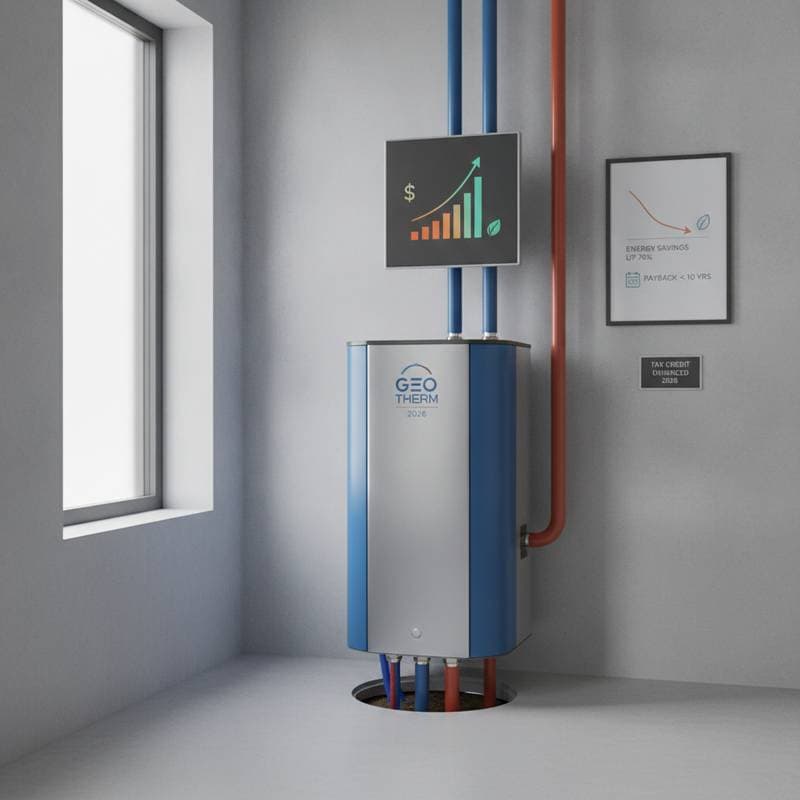
Upfront costs deter many from geothermal HVAC, as installations typically cost two to three times more than conventional options. However, a full cost-of-ownership analysis shifts this view. These systems often halve energy consumption, yielding payback periods of 5 to 10 years for long-term residents.
Consider energy reductions, property appreciation, and federal or state rebates; annual returns can reach 8 to 12 percent. Underground loops endure 50 years or longer, while indoor elements outlast standard equipment. This durability fosters financial stability through predictable costs and infrequent repairs.
Environmental and Comfort Advantages
Geothermal systems provide noticeable comfort upgrades from day one. They maintain even temperatures, operate quietly, and regulate humidity effectively. Without combustion processes, indoor air quality rises due to fewer pollutants. The lack of external compressors or fuel tanks eliminates noise and safety concerns.
Environmentally, these systems curb household emissions by minimizing fossil fuel reliance. Even with grid electricity, their carbon impact remains low. As renewable sources grow, geothermal setups align seamlessly, positioning homes as exemplars of eco-conscious efficiency.
Professional Guidance and Installation Quality
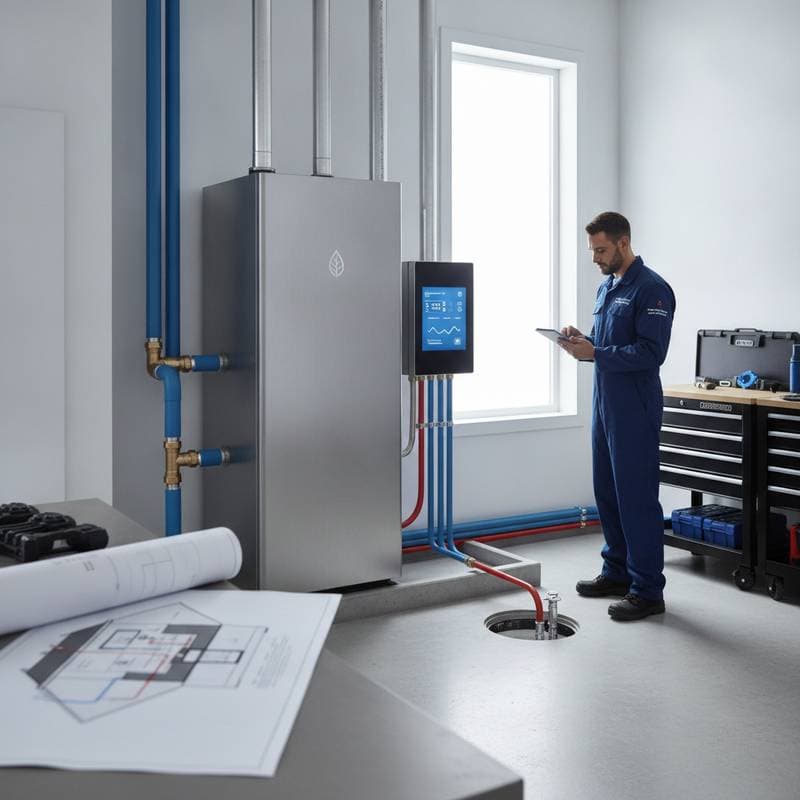
Success hinges on meticulous design and execution. Engage a certified geothermal specialist for a comprehensive site assessment, covering soil type, moisture levels, and space availability. This step guarantees loops match the home's specific heating and cooling needs. Inadequate sizing or flawed installation compromises efficiency and inflates bills.
Verify installers' credentials from bodies like the International Ground Source Heat Pump Association. Local experience with geology proves invaluable. Although self-installation appeals to some, geothermal demands professional tools and knowledge. Reliable experts safeguard the system's longevity and performance.
Integrating Geothermal with Broader Sustainability Goals
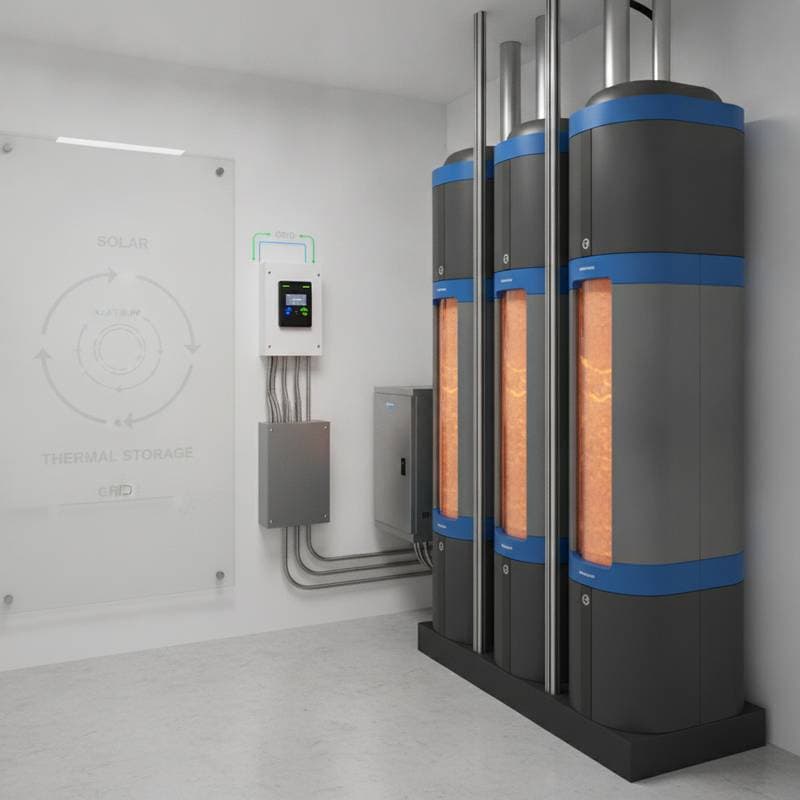
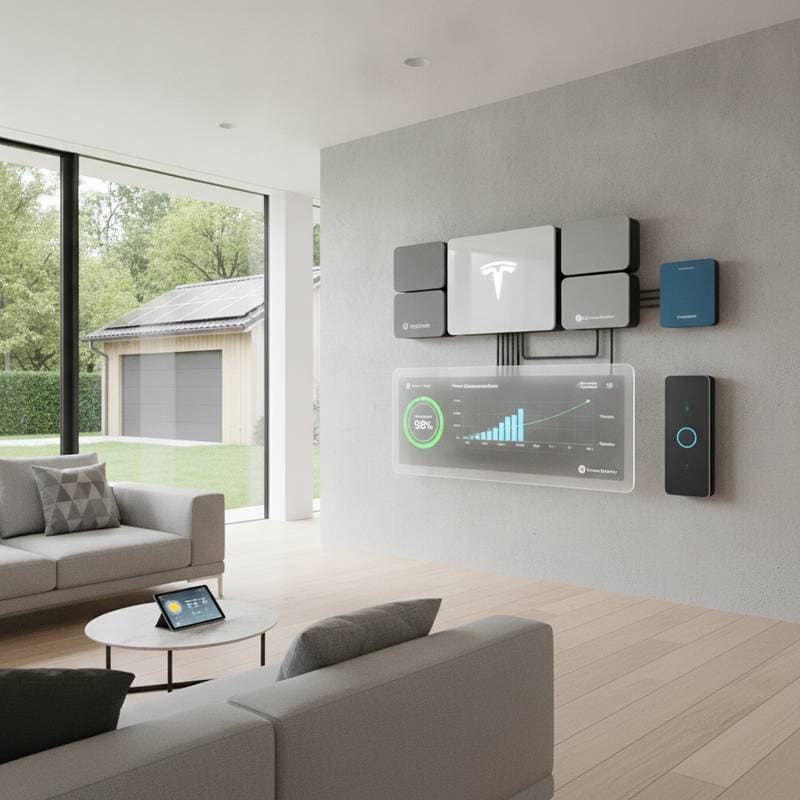
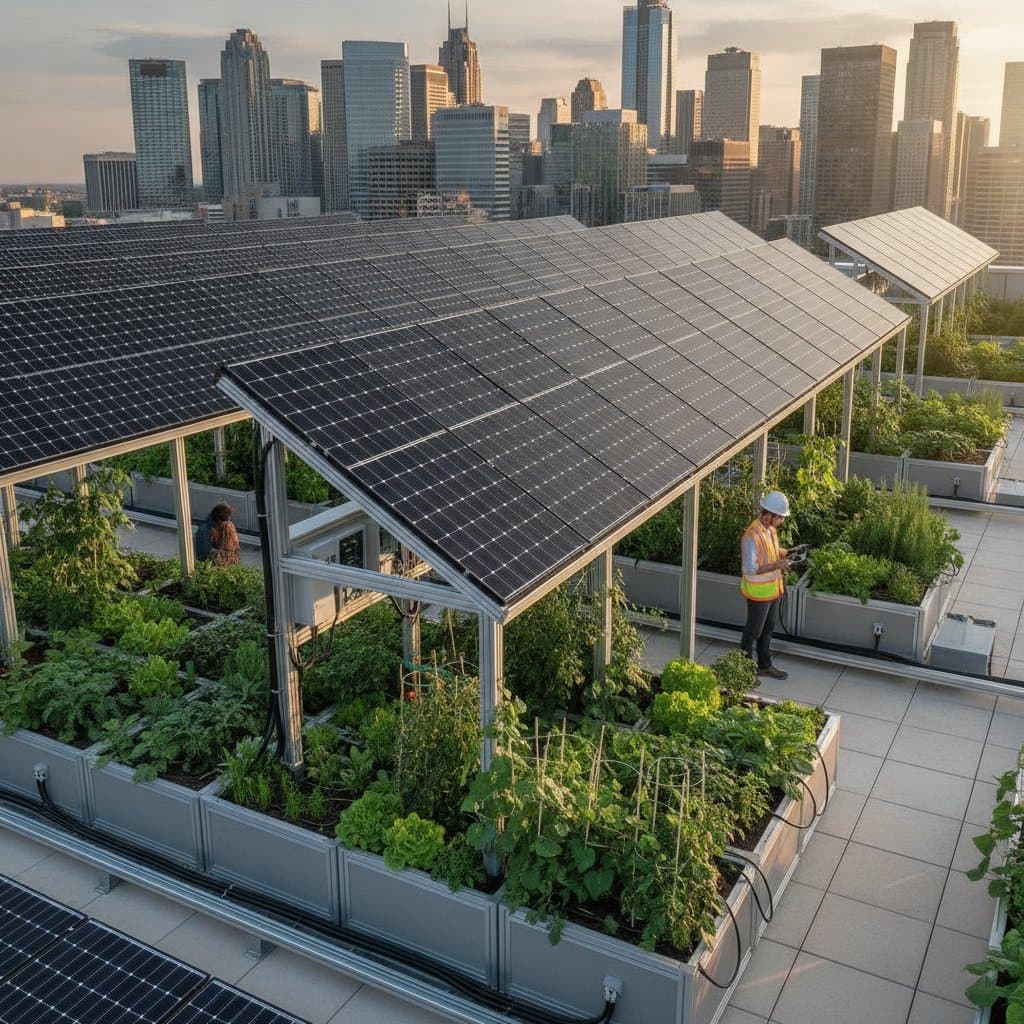
Geothermal HVAC complements other eco-upgrades effortlessly. Pair it with solar arrays, advanced insulation, and programmable thermostats to approach net-zero energy. Such combinations amplify comfort while boosting resale appeal and resilience.
In renovations or new builds, incorporate geothermal during planning. Coordinate loop placement with ducts and wiring to streamline costs. This forward-thinking approach yields homes that perform reliably amid changing climates.
Steps to Adopt Geothermal HVAC
Adopting geothermal HVAC constitutes a forward-looking choice for enhanced comfort, environmental responsibility, and economic benefits. Begin with consultations from vetted contractors to assess site suitability and explore configurations. Request detailed bids encompassing installation, warranties, and projected annual savings.
Post-installation, replace filters regularly, arrange yearly inspections, and use monitoring apps to track efficiency. These habits maximize returns. Regardless of urban, suburban, or rural setting, the earth's thermal stability offers a dependable foundation for your home's energy needs.